
The narrative surrounding the Joker’s brutal actions against Jason Todd is more than just a tragic tale of comic book lore; it’s a potent, albeit grim, case study in brand destruction and the long-lasting repercussions of extreme negative association. While ostensibly a story about a villain’s violence, understanding the “what” and the “why” of the Joker’s actions through a branding lens reveals profound insights into how a brand’s perception, legacy, and future can be irrevocably shattered. This analysis will delve into the Joker’s strategic annihilation of Jason Todd’s identity and potential, examining it as a deliberate act of corporate sabotage executed with chilling precision.

The Genesis of a Brand Identity: Robin’s Rise and the Todd Reinvention
Before the Joker’s intervention, the “Robin” mantle represented a specific brand identity within the Batman universe. Initially, it was Dick Grayson’s Robin, a symbol of youthful optimism, athletic prowess, and a hopeful counterbalance to Batman’s brooding nature. This iteration established the brand’s core values: loyalty, courage, and the promise of a brighter future. However, as the Batman narrative evolved, so did the need for new brand ambassadors, and Jason Todd was introduced to inject a different energy into the Robin persona.
Embracing a Grittier Persona: Jason Todd’s Unique Brand Proposition
Jason Todd’s tenure as Robin was characterized by a departure from Dick Grayson’s more affable portrayal. This reinvention was a crucial strategic move for the brand. Todd was presented as a more rebellious, street-smart, and even aggressive Robin. He was a former orphan, a product of Gotham’s harsh underbelly, and his approach to crime-fighting often mirrored Batman’s darker instincts, albeit with a youthful impetuosity. This edgier brand proposition appealed to a segment of the audience that craved a less idealistic, more visceral iteration of the sidekick. His brand was one of resilience, defiance, and a raw, untamed spirit.
The Strategic Advantage of Differentiation
From a branding perspective, Todd’s unique characteristics were not accidental. They were designed to differentiate the Robin brand and provide distinct narrative arcs. His backstory allowed for stories that explored themes of social inequality, redemption, and the corrupting influence of Gotham in a way that Grayson’s Robin might not have. This diversification of the Robin brand was essential for its long-term sustainability and appeal to a wider audience. It offered fans different facets of the hero archetype, making the overall “Robin” brand richer and more complex. The introduction of Jason Todd was, in essence, a successful brand extension, bringing in new consumer segments and revitalizing interest in the established Robin identity.
Building Stakeholder Value: The Robin Brand’s Investment in Jason Todd
The “Robin” brand, much like a corporate entity, invested heavily in its chosen representatives. Jason Todd, as the current stakeholder in the Robin identity, was not just a character; he was a crucial asset. His development as Robin represented the brand’s commitment to evolving its narrative and reflecting changing societal perceptions of heroism and justice. The success of this brand extension was measured by reader engagement, critical reception, and the ability to generate compelling storylines. Todd, in his role, was crucial to maintaining the brand’s relevance and its perceived value within the comic book market. His actions, his personality, and his very existence as Robin contributed to the overall equity of the Robin brand.
The Joker’s Anomaly: A Brand Assassin’s Modus Operandi
The Joker, in his chaotic and nihilistic existence, represents the antithesis of structured brand building. He is a force of deconstruction, an agent of pure anarchy who thrives on breaking down established norms, symbols, and institutions. His actions against Jason Todd were not random acts of violence; they were a calculated, albeit psychopathic, assault on the very foundations of the Robin brand and its symbolic representation.
The Attack on the Symbol: Dehumanization and Degradation
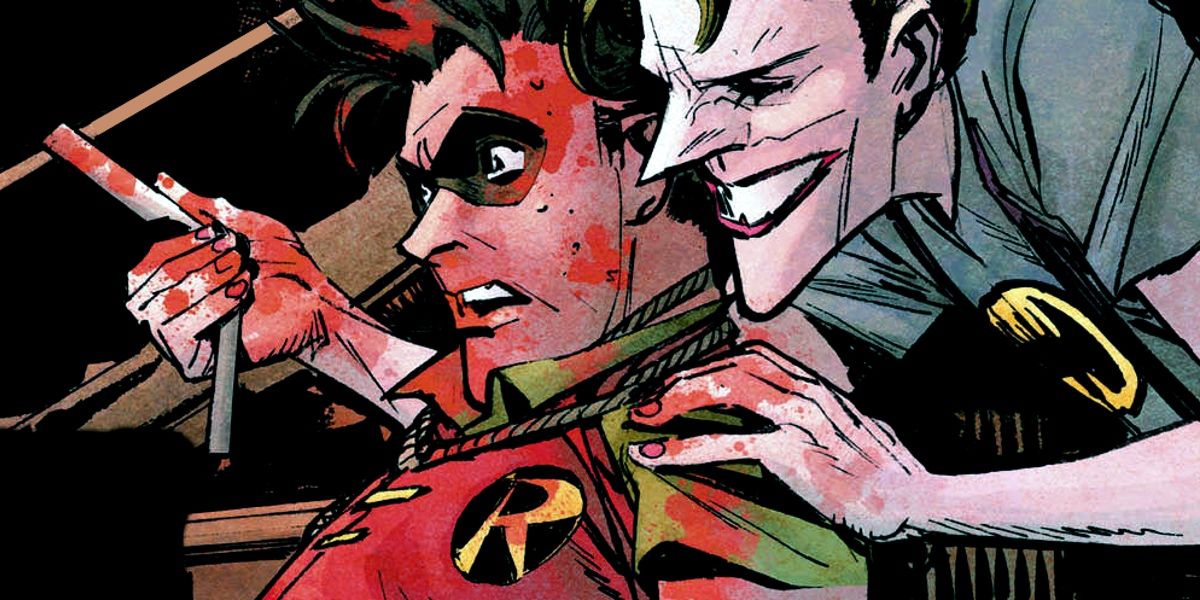
The Joker’s primary objective in his confrontation with Jason Todd was not merely to end a life, but to obliterate the idea of Jason Todd and, by extension, the Robin brand he embodied. The infamous “A Death in the Family” storyline famously depicted the Joker’s prolonged torture and murder of Jason Todd. This was not a quick execution; it was a drawn-out spectacle designed to inflict maximum psychological damage, not just on Jason, but on Batman and the readership. The Joker’s methods were deliberately dehumanizing and degrading. He stripped Todd of his agency, his heroism, and ultimately, his very humanity. This act was akin to a hostile takeover aimed at destroying a competitor’s core assets and reputation.
The Joker’s Strategic Goal: Undermining Batman’s Legacy
Beyond the immediate destruction of Jason Todd, the Joker’s actions served a broader strategic purpose within his brand of terror. By targeting Robin, Batman’s symbol of hope and continuity, the Joker aimed to strike at the heart of Batman’s mission and legacy. The murder of Robin was intended to inflict a wound so deep that it would cripple Batman’s spirit, forcing him into a descent of despair and vengeance that would, in the Joker’s eyes, prove his point about the futility of heroism. This was an attempt to devalue Batman’s brand by associating him with ultimate failure and loss, making his entire crusade seem meaningless. The Joker didn’t just kill a sidekick; he attacked the very meaning of heroism and the stability of the Gotham order, effectively targeting the core values of the “Batman Inc.” conglomerate.
The Unforeseen Brand Extension: Red Hood’s Emergence
Paradoxically, the Joker’s act of brand annihilation inadvertently led to a powerful, albeit darker, brand extension. Jason Todd’s eventual resurrection as the Red Hood represented a transformation, not of his values, but of his methodology and his disillusionment. This emergence created a fascinating duality: the legacy of the brutalized Robin and the reborn, vengeful Red Hood.
From Victim to Anti-Hero: A New Brand Identity
The Red Hood’s brand is one of pragmatism, ruthlessness, and a deep-seated anger born from betrayal and abandonment. He operates outside the established heroes’ moral code, embracing lethal force and a more direct, often violent approach to justice. This is a stark contrast to the Robin brand he once represented. The Red Hood’s identity is a direct consequence of the Joker’s trauma, a living testament to the destruction wrought upon him. His brand is one of survival, of vengeance, and of a disillusioned idealism twisted into a brutal realism. He became a formidable competitor to the established order, a cautionary tale about the cost of unchecked villainy and the corrosive nature of suffering.
The Long-Term Brand Repercussions: A Legacy of Trauma and Transformation
The events orchestrated by the Joker had profound and lasting repercussions, not only for the characters involved but for the very fabric of the DC universe’s brand narrative. The destruction of Jason Todd as Robin and his subsequent rebirth as the Red Hood became a pivotal moment, reshaping fan expectations and influencing future storytelling.
The “A Death in the Family” Phenomenon: A Shockwave in Brand Perception
The decision to kill off a beloved character like Robin was a bold, even audacious, marketing move. It generated immense controversy, media attention, and a significant spike in sales, demonstrating the power of a truly disruptive brand event. “A Death in the Family” became a cultural touchstone within comic book fandom, a story synonymous with shock value and the willingness of creators to take extreme risks with their established brands. This event permanently altered the perception of the Robin character and the general vulnerability of heroes within the DC universe. It proved that no brand was truly untouchable, and that even the most established entities could be subjected to devastating attacks.
The Enduring Impact on Fan Engagement and Lore
The fallout from the Joker’s actions continues to resonate. Jason Todd’s return as the Red Hood allowed for exploration of complex themes like trauma, revenge, and the nature of justice. This dual identity created a rich, albeit somber, legacy that continues to captivate audiences. The Red Hood’s brand, built on the ashes of the Robin brand, is a testament to the enduring power of character development and the ability to transform tragedy into compelling narrative. It has also influenced how other hero/villain dynamics are perceived, highlighting the potential for extreme antagonism to forge new, albeit fractured, identities. The Joker’s actions, therefore, did not just end a character; they birthed a new, enduring brand narrative shaped by loss and defiance.

The Joker’s Branding Strategy: Nihilism as a Weapon
From a pure branding perspective, the Joker’s success in his assault on Jason Todd lies in his masterful execution of a nihilistic branding strategy. He doesn’t seek to build or improve; he seeks to dismantle and corrupt. His “brand” is chaos, and his goal is to prove that all established systems, all symbols of order and hope, are ultimately fragile and meaningless. By destroying a symbol of nascent heroism like Robin, he effectively attacked the very concept of aspirational branding. His methods are designed to be unforgettable, to leave a permanent scar on the narrative, ensuring that his actions are not forgotten and that his message of futility is amplified. The Joker’s attacks on Jason Todd are not just acts of violence; they are carefully orchestrated brand assassinations, designed to dismantle established identities and sow seeds of doubt about the efficacy and longevity of any heroic endeavor.
In conclusion, the “what” of the Joker’s actions towards Jason Todd, when examined through a branding lens, reveals a calculated strategy of deconstruction and destruction. It highlights how a charismatic, albeit psychopathic, entity can target the core identity and stakeholder value of an established brand, leading to unforeseen consequences and the eventual emergence of a powerful, albeit darker, brand extension. The enduring legacy of this event serves as a stark reminder of the power of narrative, the fragility of established symbols, and the transformative potential of even the most devastating brand attacks.
aViewFromTheCave is a participant in the Amazon Services LLC Associates Program, an affiliate advertising program designed to provide a means for sites to earn advertising fees by advertising and linking to Amazon.com. Amazon, the Amazon logo, AmazonSupply, and the AmazonSupply logo are trademarks of Amazon.com, Inc. or its affiliates. As an Amazon Associate we earn affiliate commissions from qualifying purchases.