
The question “what did gladiators wear?” often conjures images of bronze helmets, formidable shields, and gleaming armor. While historians meticulously document the functional aspects of gladiatorial attire, a deeper, often overlooked dimension emerges when viewed through the lens of modern branding: the strategic use of visual identity to communicate purpose, differentiate combatants, and forge lasting impressions. Far from mere protective gear, the panoply of the gladiator was a sophisticated form of personal branding and event marketing, crucial for engagement in the ancient spectacles.
Beyond Protection: Attire as Personal Brand Identity
Gladiatorial attire was meticulously designed not just for combat, but for communication. Each piece, or lack thereof, contributed to a distinct personal brand, instantly signaling a fighter’s style, strengths, and role within the arena’s intricate narratives. This visual language was paramount in an era without pervasive written media, serving as an immediate form of brand recognition for a diverse, often illiterate, audience.
The Visual Language of the Arena: Distinguishing Fighter Archetypes
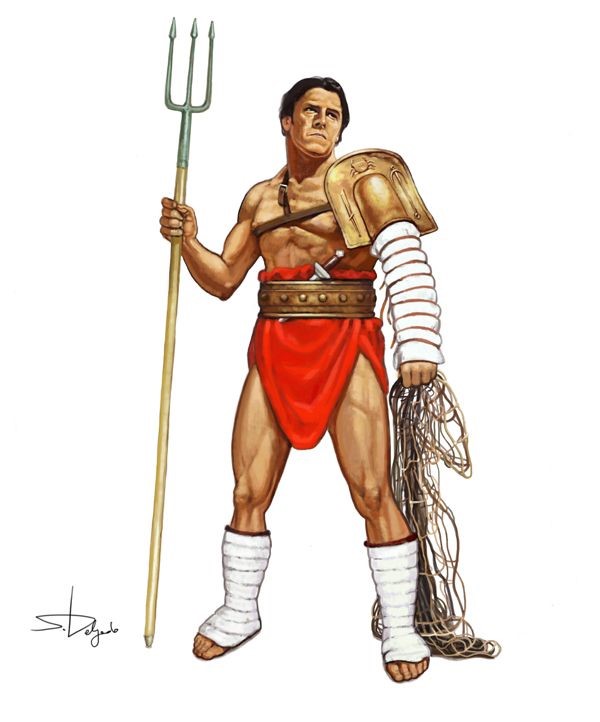
Consider the iconic types: the Retiarius with his net and trident, largely unarmored save for a shoulder guard; the Murmillo with his fish-crested helmet and large rectangular shield; or the Thraex with his small square shield and curved sword. These weren’t arbitrary distinctions. Each ensemble represented a unique “product” or “service” offering within the arena’s entertainment ecosystem. The Retiarius‘s minimal armor branded him as agile, elusive, and cunning, appealing to those who favored a dramatic chase. The Murmillo projected strength, stoicism, and head-on confrontation, a brand of unwavering power. The Thraex suggested exoticism and aggressive, quick attacks.
For the ancient spectator, these visual cues were the equivalent of a modern logo and tagline, instantly conveying the gladiator’s brand identity. They shaped expectations, fueled rivalries, and allowed the audience to quickly identify with their preferred fighting style, fostering a powerful sense of loyalty that transcended individual battles. This instant recognition was a masterclass in visual branding, ensuring that even a newcomer to the games could grasp the dynamics at play.
Status, Skill, and Spectacle: Crafting a Gladiator’s Image
The quality and distinctiveness of a gladiator’s gear also played a crucial role in crafting their individual image, much like luxury branding today. While fundamental gear was provided, renowned gladiators might sport more elaborate, polished, or customized elements, signaling their success and the investment made in their “brand” by their lanista (owner/trainer). A gleaming, intricately decorated helmet or a particularly well-maintained shield could elevate a fighter’s perceived status and skill, attracting greater fan attention and prestige.
The lanista acted as an ancient brand manager, strategizing how each gladiator’s appearance would contribute to their marketability. They understood that a compelling visual identity could transform a fighter from a mere combatant into a celebrated personality, driving ticket sales and generating enduring fame. This involved not just the armor itself, but also the overall presentation – the way a gladiator moved, their entrance, and even their demeanor, all contributing to a cohesive personal brand narrative. The spectacle was enhanced by these carefully curated identities, making each contest a clash of distinct “brands” vying for supremacy.
Corporate Identity and Event Marketing: The Arena’s Visual Strategy
Beyond individual gladiators, the aggregate visual presentation of the fighters contributed to the overarching corporate identity of the ludus (training school) or even the particular games being hosted by an editor (event sponsor). The arena, as a venue, and the games, as an event, possessed their own brand identity, heavily influenced by the visual spectacle of the gladiators.
Standardized vs. Differentiated: Arena “House Styles”
While specific gladiator types adhered to generally recognized armament, there might have been subtle variations or common elements that, viewed collectively, could hint at a ludus’ “house style” or the aesthetic preference of a prominent editor. For instance, if a particular ludus consistently produced well-equipped, immaculately presented fighters, this would build a reputation for quality and professionalism, akin to a corporate brand known for its high standards. The consistency in presenting a certain type of gladiator – perhaps a focus on heavily armored fighters or agile, lightly armed ones – could become a hallmark of their “brand strategy,” signaling their specialization to potential audiences and patrons.
The editor hosting the games understood that the visual grandeur and the clear delineation of fighting styles were integral to the event’s success. The presentation of the gladiators was a core component of the overall “event branding,” designed to captivate, thrill, and leave a lasting impression on the thousands of attendees. The clarity of the gladiator types, their visually distinct roles, contributed to the narrative flow of the games, making them easily digestible and exciting for a mass audience.
The Spectator’s Journey: Engagement Through Visual Storytelling
The gladiatorial games were, at their heart, a form of immersive visual storytelling. The “costuming” of the gladiators, with each type embodying a distinct archetype, allowed the audience to follow complex narratives of skill versus strength, agility versus endurance, and strategy versus raw power. This visual clarity was essential for engagement, transforming anonymous combatants into relatable “characters” with whom the audience could form immediate, albeit fleeting, connections.
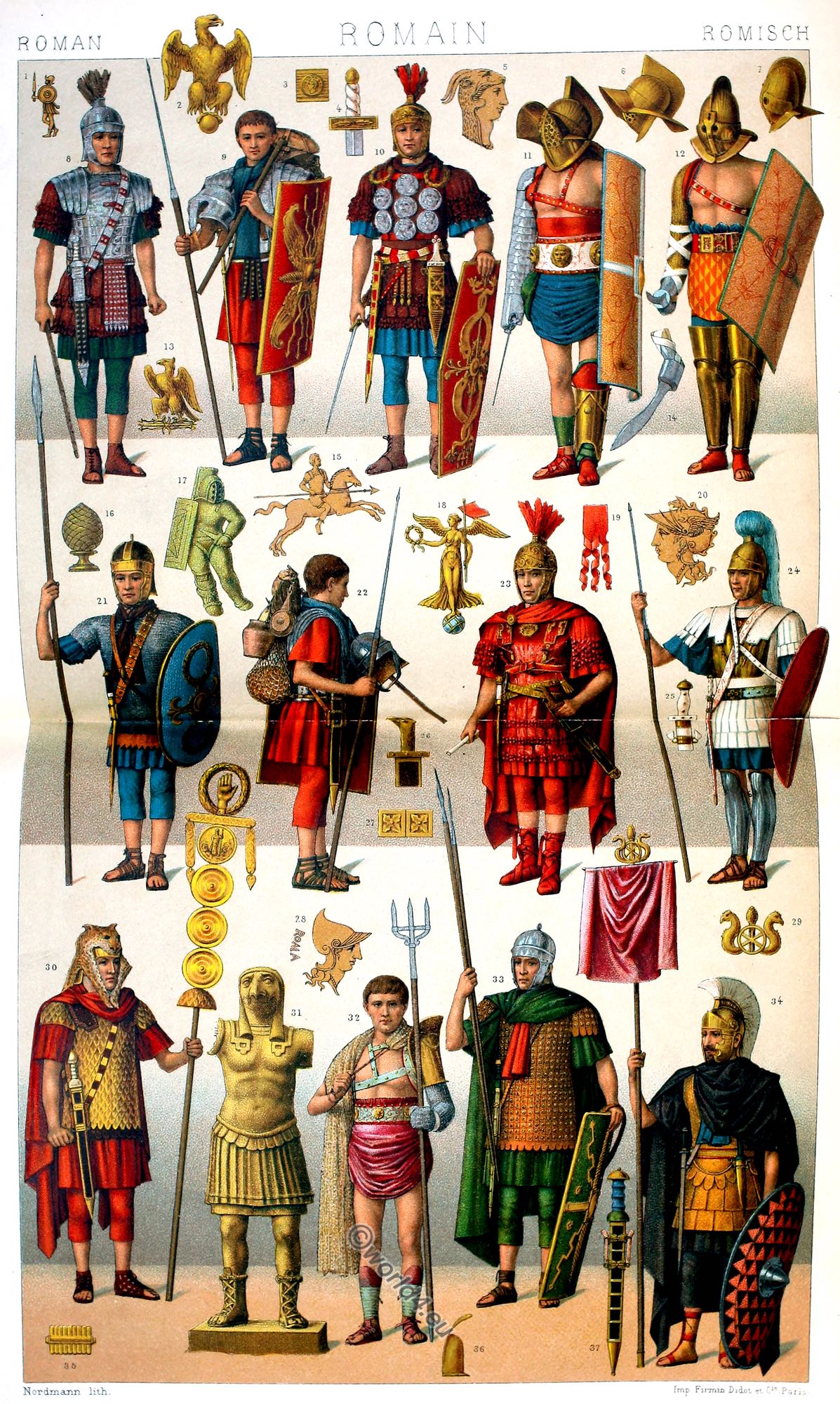
Just as modern event marketers meticulously design every visual element to enhance the attendee’s experience, the producers of ancient games leveraged gladiator attire to build anticipation and deepen the emotional impact. The dramatic entrance of a Samnite with his large shield and plumed helmet, or the almost vulnerable appearance of a Retiarius, created immediate emotional responses—awe, fear, sympathy—that were integral to the spectacle’s success. This emotional connection, facilitated by clear visual branding, was the foundation of the games’ enduring popularity.
The Psychology of Branding: Fear, Awe, and Loyalty
The design choices for gladiatorial gear went beyond mere practicality and identity; they tapped into profound psychological principles that remain relevant in modern branding. The aim was to evoke specific emotions and forge strong, often visceral, connections with the audience.
Intimidation and Iconography: Designing for Impact
Many gladiator helmets, such as the Murmillo‘s fish-crested visor or the Thraex‘s griffin-adorned headpiece, were crafted not just for protection but for maximum psychological impact. They dehumanized the wearer, transforming them into an almost mythical figure, simultaneously intimidating opponents and inspiring awe in spectators. The limited visibility and often fearsome visages created an aura of invincibility or a terrifying mystique, powerful elements in branding meant to convey strength and dominance.
While extensive iconography on shields was less common for gladiators than for soldiers, any distinct markings or the very shape and size of their weaponry and armor served as a form of visual shorthand. These elements functioned as an early form of brand iconography, instantly recognizable and loaded with symbolic meaning that contributed to the overall “brand message” of each gladiator type.
From Fan Favorite to Enduring Legacy: Building a Brand Beyond the Fight
Successful gladiators transcended their roles as fighters; they became celebrities, their distinctive appearances and fighting styles forging them into genuine “brands.” Their faces, or more accurately, their iconic helmets and signature weapons, appeared on lamps, mosaics, and graffiti, demonstrating a popular culture phenomenon akin to modern merchandise. These artifacts served as fan memorabilia, extending the gladiator’s brand presence beyond the arena, into the homes and daily lives of their admirers.
The most celebrated gladiators achieved a level of brand recognition and loyalty that outlasted their careers, and sometimes their lives. They represented ideals of courage, skill, and spectacle, becoming symbols that resonated deeply with the Roman populace. This demonstrates the power of consistent branding – a unique visual identity paired with a compelling performance – to create an enduring legacy that far outstrips the immediate context of its creation.
Modern Echoes: Lessons from the Sands for Contemporary Branding
The ancient arena, with its diverse cast of visually distinct gladiators, offers surprisingly potent lessons for today’s brand strategists. The principles that made gladiatorial attire so effective in ancient Rome are remarkably applicable to contemporary branding challenges.
Clarity and Consistency: The Gladiator’s Guide to Brand Recognition
The immediate recognition afforded to each gladiator type—the net-wielding Retiarius, the heavily armored Secutor—underscores the fundamental importance of clarity and consistency in branding. Modern brands must similarly ensure their visual identity, messaging, and values are clear, unambiguous, and consistently applied across all touchpoints. In a cluttered market, instant recognition and understanding are paramount to cutting through the noise. Just as a confused spectator wouldn’t know whom to cheer for, a consumer confused by a brand’s identity is unlikely to engage.
Emotion and Engagement: Crafting an Unforgettable Brand Experience
The gladiatorial games were designed to evoke powerful emotions: excitement, fear, admiration, and anticipation. The visual branding of gladiators played a critical role in generating this emotional engagement, making the spectacle unforgettable. Contemporary brands can learn from this by focusing on crafting an emotional connection with their audience. Beyond features and benefits, what emotions does your brand evoke? How does your visual identity contribute to an immersive, engaging experience that resonates on a deeper level with your target audience? Spectacle, narrative, and clear character (brand) roles are as vital today as they were two millennia ago.

Adaptability and Niche: Defining Your Market Presence
Each gladiator type occupied a distinct “niche,” offering a particular style of combat and appealing to different segments of the audience. The Retiarius thrived on agility against a more heavily armored foe; the Samnite specialized in brute force. Modern brands must similarly understand and clearly define their niche. What unique value do you offer? How does your visual branding, messaging, and overall strategy reinforce this niche and differentiate you from competitors? Identifying your unique “fighting style” and visually communicating it effectively is key to attracting your specific tribe of loyal followers, just as it was for the gladiators of Rome.
aViewFromTheCave is a participant in the Amazon Services LLC Associates Program, an affiliate advertising program designed to provide a means for sites to earn advertising fees by advertising and linking to Amazon.com. Amazon, the Amazon logo, AmazonSupply, and the AmazonSupply logo are trademarks of Amazon.com, Inc. or its affiliates. As an Amazon Associate we earn affiliate commissions from qualifying purchases.