
The quest for optimal oral hygiene has led to the development of a myriad of innovative dental tools, and among the most impactful advancements in recent decades is the sonic toothbrush. Moving beyond the simple mechanical action of traditional electric toothbrushes, sonic toothbrushes leverage high-frequency vibrations to deliver a superior clean. But what exactly makes a sonic toothbrush “sonic,” and how does this technology translate into tangible benefits for your smile? This article delves into the intricate workings of sonic toothbrushes, exploring their technological underpinnings, the science behind their efficacy, and how they represent a significant leap forward in personal dental care technology.
The Science of Sonic Vibrations: How They Work
At the core of a sonic toothbrush’s effectiveness lies its ability to generate an extraordinary number of brush strokes per minute, far exceeding what any manual toothbrush or even many older electric models can achieve. This high-frequency oscillation is the defining characteristic that sets sonic toothbrushes apart.
High-Frequency Oscillations and Brush Head Movement
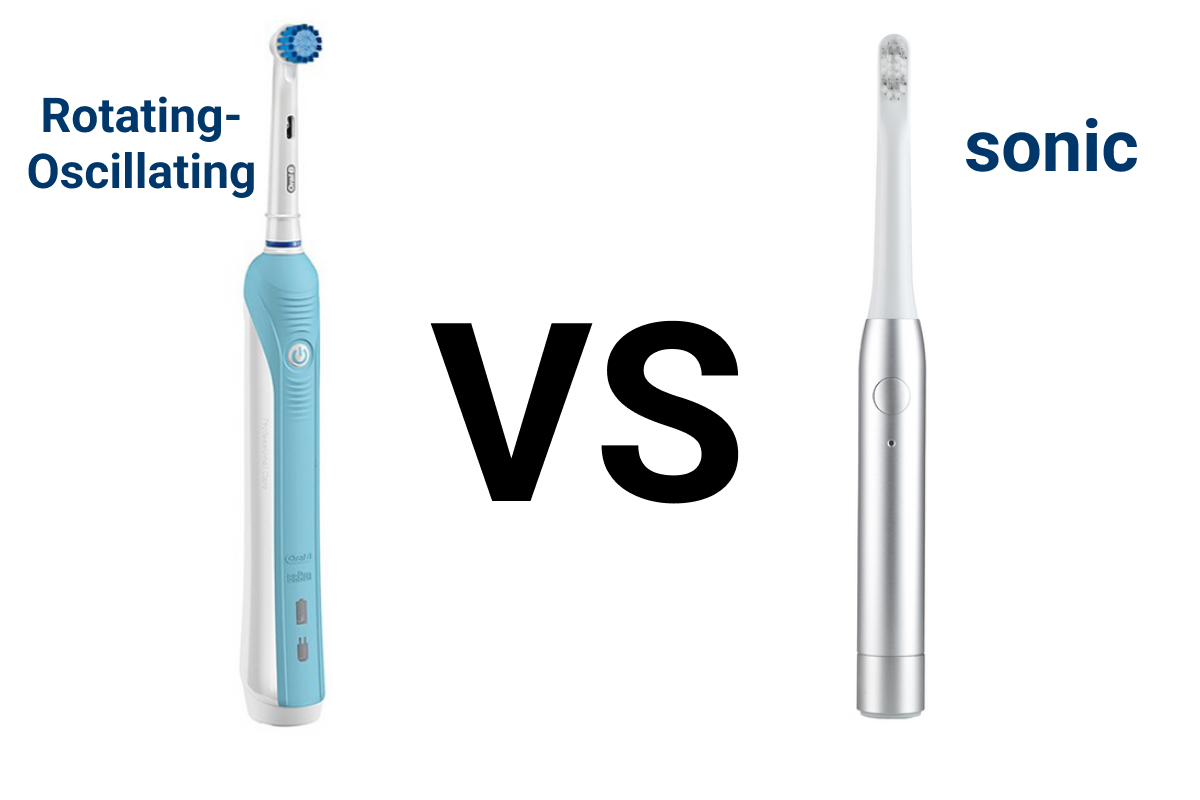
Unlike oscillating-rotating toothbrushes, which move in a circular or sweeping motion, sonic toothbrushes typically employ a motor that drives the brush head to vibrate back and forth at very high speeds. These vibrations can range from an astonishing 20,000 to over 60,000 brush strokes per minute, translating to hundreds, even thousands, of movements per second. This rapid movement serves two primary purposes:
- Mechanical Cleaning: The sheer speed and amplitude of the bristles create a powerful mechanical force that effectively dislodges plaque, food particles, and surface stains from the tooth surfaces and along the gum line. The dynamic bristle action can reach areas that might be difficult to access with a manual brush, ensuring a more thorough clean.
- Fluid Dynamics: This is where the “sonic” aspect truly shines. The high-frequency vibrations create dynamic fluid movement. Saliva, toothpaste, and water are agitated, forming micro-bubbles. These micro-bubbles, propelled by the rapid vibrations, are capable of reaching into interdental spaces, areas below the gum line, and other hard-to-reach crevices that the bristles themselves may not directly contact. This fluid action contributes significantly to the removal of plaque and bacteria in these often-neglected zones.
The Role of Bristle Design and Movement Patterns
While the vibration frequency is paramount, the design and specific movement patterns of the brush head also play a crucial role in the sonic toothbrush’s performance. Most sonic toothbrushes feature brush heads with densely packed bristles that are designed to flex and adapt to the contours of the teeth. The specific bristle configuration, whether angled, feathered, or varying in length, is engineered to maximize plaque removal and surface polishing.
Furthermore, the nature of the vibration isn’t always a simple back-and-forth motion. Many advanced sonic toothbrushes employ sophisticated motor control to generate nuanced movements, sometimes including a slight sweeping or “flick” motion in addition to the rapid vibrations. This complex interplay of speed, bristle design, and movement patterns creates a highly effective cleaning action.
Benefits of Sonic Toothbrush Technology
The technological sophistication of sonic toothbrushes translates into a range of demonstrable benefits for users seeking to improve their oral health. These advantages extend beyond mere cleanliness, impacting gum health, stain removal, and the overall experience of brushing.
Superior Plaque Removal and Gum Health
Numerous clinical studies have consistently shown that sonic toothbrushes are significantly more effective at removing plaque than manual toothbrushes. The high-frequency vibrations disrupt the sticky biofilm of bacteria that forms on teeth, preventing its accumulation and reducing the risk of gingivitis and periodontitis.
The gentle yet powerful fluid dynamics generated by sonic toothbrushes also contribute to improved gum health. By effectively cleaning along the gum line and in interdental spaces, they help to reduce inflammation and bleeding gums. For individuals prone to gum disease or those with sensitive gums, the controlled and consistent action of a sonic toothbrush can be particularly beneficial, offering a thorough clean with less perceived scrubbing pressure.
Enhanced Stain Removal and Whitening Effects
The vigorous bristle action and fluid dynamics of sonic toothbrushes are also highly effective at removing surface stains caused by food, drinks like coffee and tea, and smoking. The micro-movements of the bristles polish the tooth enamel, lifting away discoloration and restoring the natural brightness of the teeth.
While sonic toothbrushes are not a substitute for professional whitening treatments, many users report a noticeable improvement in the whiteness of their teeth with regular use. This is a direct result of their ability to efficiently remove extrinsic stains, leaving teeth looking and feeling cleaner and brighter.
Gentle and Effective for Sensitive Teeth and Gums
For individuals who experience discomfort with the vigorous scrubbing motion of manual toothbrushes or the more aggressive action of some oscillating-rotating electric models, sonic toothbrushes offer a compelling alternative. The cleaning action is primarily driven by vibrations and fluid dynamics, which can be much gentler on sensitive teeth and receding gum lines. Users can achieve a deep clean without applying excessive pressure, thus minimizing the risk of enamel erosion and gum irritation. This makes sonic technology an excellent choice for a broad range of users, including those with specific dental concerns.
Understanding Sonic Toothbrush Features and Technology

As sonic toothbrush technology has matured, manufacturers have introduced a host of features designed to enhance the user experience, optimize cleaning, and provide valuable insights into brushing habits. Understanding these features can help consumers make informed choices.
Brush Head Technology and Replacement
The brush head is the primary interface between the toothbrush and your teeth, and its design is critical. Sonic toothbrush heads are typically engineered with high-quality bristles that are durable and effective. Features to look for include:
- Bristle Type: Different bristle types cater to various needs, from soft, tapered bristles for sensitive gums to firmer bristles for more aggressive plaque removal. Many modern heads feature multi-level bristles designed to reach deep between teeth.
- Indicator Bristles: Some brush heads incorporate color-coded bristles that fade over time, signaling when it’s time for a replacement, typically every three months for optimal performance and hygiene.
- Specialty Heads: Beyond standard cleaning heads, manufacturers often offer specialized brush heads designed for specific purposes, such as whitening, gum care, or orthodontics.
Smart Features and Connectivity
The integration of “smart” technology has transformed many personal care gadgets, and sonic toothbrushes are no exception. Many contemporary models come equipped with advanced features that leverage connectivity and sensors to improve brushing efficacy and provide personalized feedback.
- Pressure Sensors: Over-brushing can damage enamel and gums. Pressure sensors alert the user, often with a light or vibration, when they are applying too much force, encouraging a gentler approach.
- Timers and QuadPacer: Most sonic toothbrushes include built-in timers to ensure users brush for the dentist-recommended two minutes. A QuadPacer feature often divides the mouth into four quadrants, prompting the user to move to a new section every 30 seconds for an evenly distributed clean.
- Connectivity and App Integration: High-end sonic toothbrushes often connect via Bluetooth to dedicated smartphone apps. These apps can track brushing duration, coverage, and pressure in real-time, offering personalized coaching and insights to help users improve their technique and address any missed spots. Some apps even provide progress reports and gamified challenges to make brushing more engaging.
- Multiple Brushing Modes: To cater to diverse oral health needs, many sonic toothbrushes offer multiple brushing modes. These can include standard clean, sensitive, gum care, whitening, and deep clean, each optimizing the vibration intensity and pattern for its intended purpose.
Battery Life and Charging Solutions
The convenience of a cordless electric toothbrush is paramount, and battery life is a key consideration. Modern sonic toothbrushes boast impressive battery performance, often lasting weeks on a single charge. Charging solutions vary, with common options including:
- Inductive Charging Bases: These are the most prevalent, using electromagnetic fields to charge the toothbrush wirelessly.
- USB Charging: Some models offer the flexibility of USB charging, making them convenient for travel.
- Charging Travel Cases: Premium models often include travel cases that can both store and charge the toothbrush, ensuring it’s ready to use on the go.
Choosing the Right Sonic Toothbrush for Your Needs
With a wide array of sonic toothbrushes available, selecting the best one for your individual requirements can seem daunting. By considering a few key factors, you can narrow down the options and find a device that maximizes your oral hygiene routine.
Assessing Your Oral Health Needs and Preferences
The first step in choosing a sonic toothbrush is to honestly assess your current oral health. Do you have sensitive teeth or gums? Are you prone to plaque buildup? Do you have a history of gum disease? Are you looking to address specific issues like staining or the need for a deeper clean?
- Sensitivity: If you have sensitive teeth or gums, prioritize models with gentle brushing modes and soft-bristle brush heads. Look for strong pressure sensor features to prevent accidental over-application of force.
- Plaque and Gum Health: For individuals focused on combating plaque and improving gum health, look for models with high vibration frequencies, effective fluid dynamics, and specialized gum care modes.
- Whitening: If stain removal is a primary concern, choose toothbrushes with dedicated whitening modes and brush heads designed for polishing.
- Beginner vs. Experienced User: For those new to sonic technology, a model with straightforward controls and essential features like a timer and QuadPacer might be ideal. Experienced users might benefit from advanced smart features and multiple modes for customized cleaning.

Comparing Different Brands and Models
The market for sonic toothbrushes is dominated by several reputable brands, each offering a range of models with varying features and price points. While a comprehensive review of every brand is beyond the scope of this article, understanding the general positioning of major players can be helpful.
- Premium Brands: Brands like Philips Sonicare and Oral-B (though Oral-B is more known for oscillating-rotating, they do have sonic offerings) often lead in innovation, offering advanced smart features, extensive mode options, and high-quality build. These are typically at the higher end of the price spectrum.
- Mid-Range Options: Many brands offer excellent sonic toothbrushes that strike a balance between advanced features and affordability. These can provide significant improvements over manual brushing without the premium price tag.
- Budget-Friendly Choices: Even at lower price points, you can find effective sonic toothbrushes that deliver the core benefits of high-frequency vibrations. These might have fewer modes or less sophisticated app integration but can still offer a superior clean.
When comparing models, pay close attention to:
- Number of Vibrations Per Minute (VPM): Higher VPM generally correlates with more powerful cleaning.
- Brush Head Availability and Cost: Ensure replacement brush heads are readily available and fit within your budget.
- Battery Life and Charging Method: Consider how long you can go between charges and the convenience of the charging solution.
- Warranty and Customer Support: Look for brands that offer a reasonable warranty and good customer service.
By carefully considering your personal needs, preferences, and the specific features offered by different models, you can confidently invest in a sonic toothbrush that will elevate your daily oral care routine and contribute to a healthier, brighter smile for years to come.
aViewFromTheCave is a participant in the Amazon Services LLC Associates Program, an affiliate advertising program designed to provide a means for sites to earn advertising fees by advertising and linking to Amazon.com. Amazon, the Amazon logo, AmazonSupply, and the AmazonSupply logo are trademarks of Amazon.com, Inc. or its affiliates. As an Amazon Associate we earn affiliate commissions from qualifying purchases.