
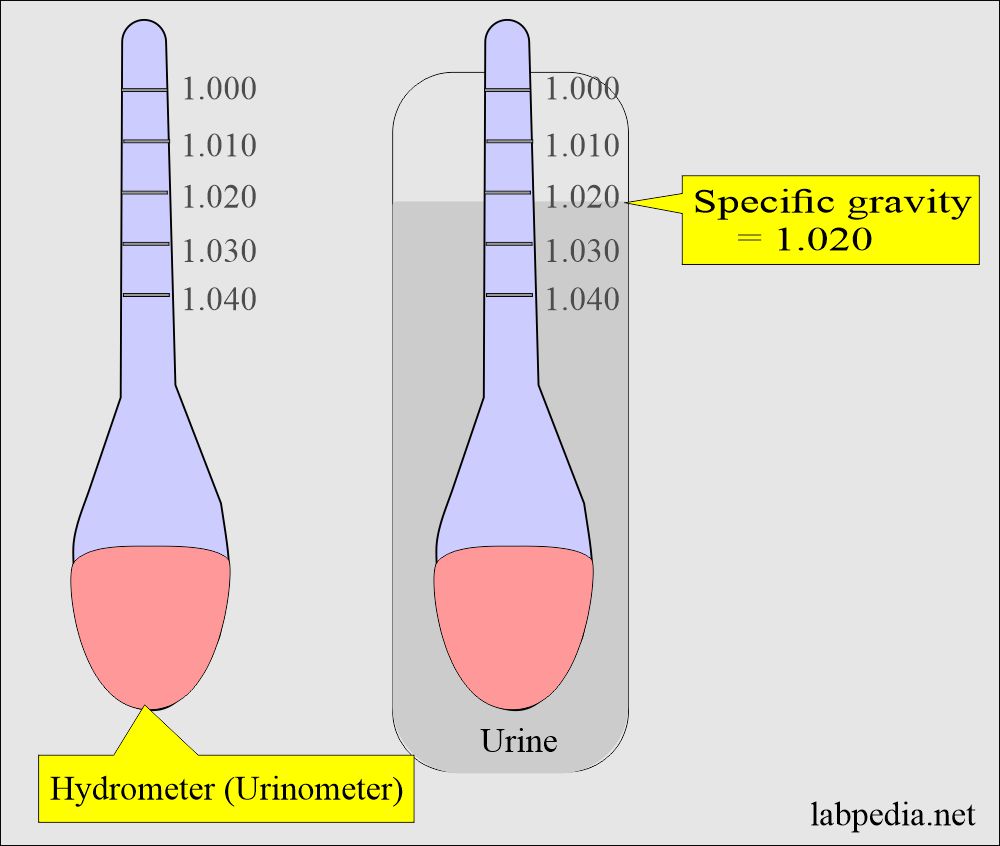
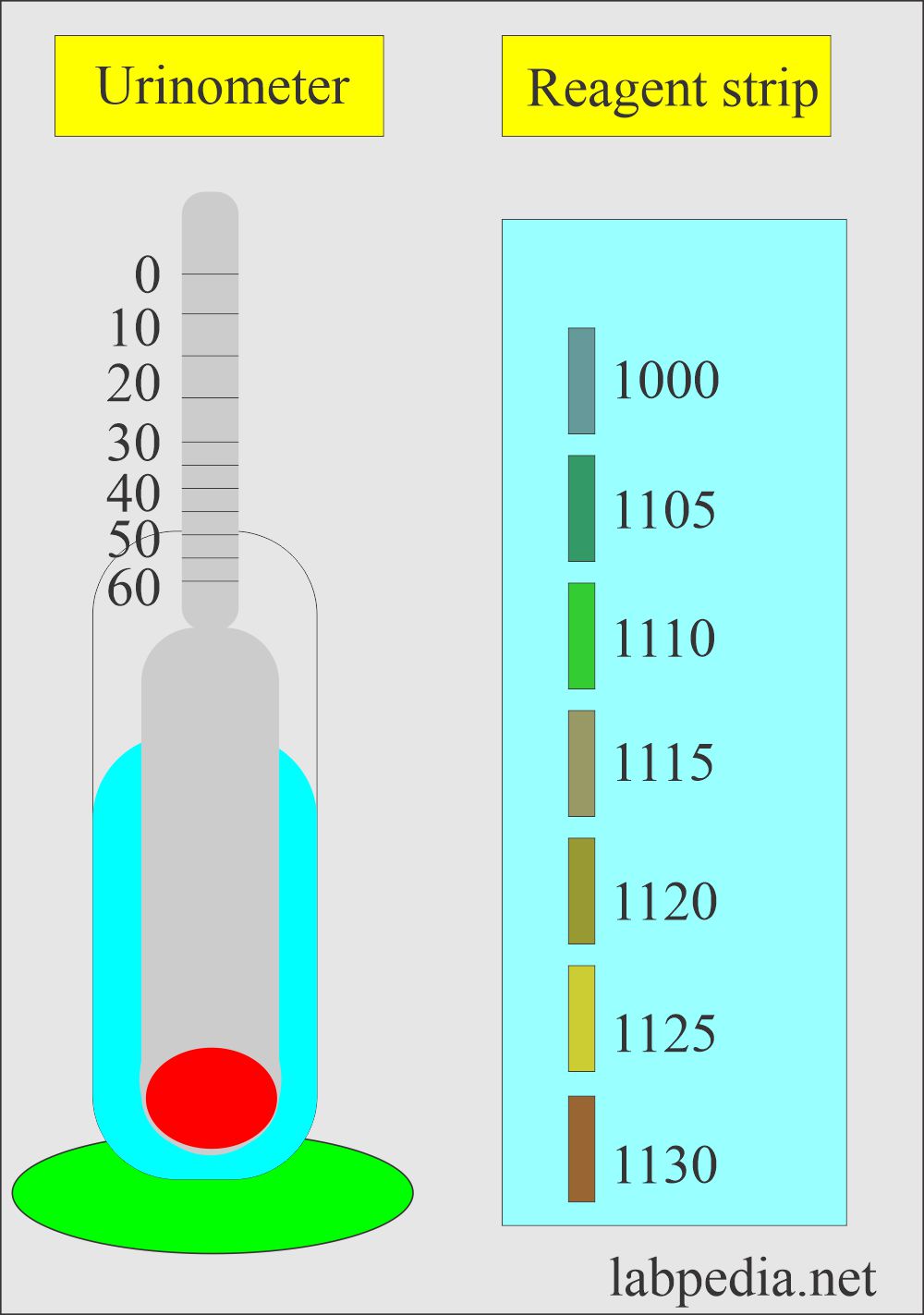
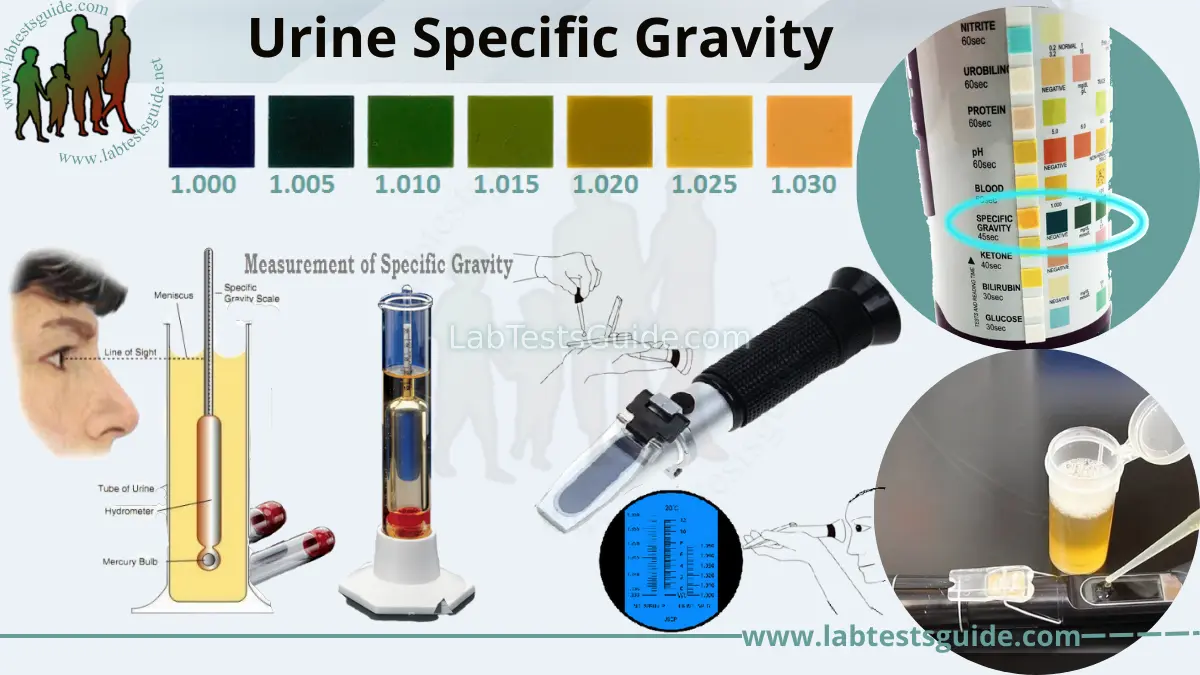
The concept of “normal urine specific gravity” is a foundational metric in understanding one’s hydration status and overall kidney function. Traditionally a clinical diagnostic tool, its monitoring is increasingly being influenced and revolutionized by advancements in digital health technologies. While a normal range typically falls between 1.005 and 1.030, with optimal hydration often leading to values closer to 1.010-1.020, the real-time tracking, interpretation, and personalized recommendations derived from this metric are now moving beyond the laboratory and into the realm of personal tech. Understanding what constitutes a normal reading, and more importantly, how technology facilitates its assessment and management, is crucial for proactive health. This integration of medical science with innovative digital solutions is transforming how individuals approach hydration, wellness, and preventive care through the lens of specific gravity.
The Digital Transformation of Hydration Monitoring
The era of digital health has introduced a paradigm shift in how individuals track and manage various physiological markers, with hydration being a primary focus. While direct, non-invasive measurement of urine specific gravity in a consumer-grade wearable is still an emerging frontier, the ecosystem of digital tools provides invaluable proxies, data aggregation, and interpretive frameworks. These technologies empower users to gain insights into their hydration status, encouraging proactive adjustments long before clinical symptoms manifest. The emphasis shifts from reactive diagnosis to predictive wellness, underpinned by robust data collection and analysis.
Wearable Sensors and the Future of Non-Invasive Monitoring
The quest for continuous, non-invasive health monitoring has spurred significant innovation in wearable technology. While a direct wrist-worn sensor for urine specific gravity remains a futuristic concept, current wearables contribute indirectly by tracking metrics like sweat rate, skin conductivity, heart rate variability, and activity levels. These data points, when combined, can infer hydration status and influence algorithms designed to predict changes in specific gravity. Research and development are actively exploring microfluidic patches and smart textiles that could potentially analyze bodily fluids like sweat or even a small, collected urine sample, transmitting data wirelessly to a smartphone or cloud platform. These experimental technologies promise to bring real-time, personalized specific gravity monitoring out of the lab and into daily life, offering immediate feedback on hydration levels. The integration of such advanced sensors would allow for instantaneous feedback, alerting users when their specific gravity might indicate suboptimal hydration and prompting timely intervention.
Smart Devices and Integrated Health Data Collection
Beyond specialized sensors, a wide array of smart devices plays a crucial role in gathering comprehensive health data that contributes to a holistic hydration profile. Smart scales, for instance, track body weight fluctuations, which can be an indicator of fluid loss or retention. Smart water bottles monitor fluid intake, providing a direct measure of consumption. Even environmental sensors, integrated into smart home systems or wearables, can track ambient temperature and humidity, which directly influence fluid requirements and subsequent urine concentration. The power lies in aggregating these disparate data streams. A central health app or platform can correlate water intake with activity levels from a fitness tracker, environmental conditions, and potentially manual inputs of urine color (a strong visual proxy for specific gravity), to paint a more complete picture of hydration. This integration allows for a contextual understanding of “normal” specific gravity, acknowledging that individual needs vary based on a multitude of factors, all captured and analyzed by interconnected digital tools.
AI and Machine Learning: Interpreting Complex Hydration Data
The sheer volume and complexity of data generated by modern health tech necessitate advanced analytical capabilities. This is where Artificial Intelligence (AI) and Machine Learning (ML) algorithms become indispensable. For a metric like urine specific gravity, which is influenced by numerous physiological and environmental factors, AI can identify intricate patterns and correlations that human analysis might miss, transforming raw data into actionable insights.
Predictive Analytics for Dehydration Risk
One of the most powerful applications of AI in hydration management is its ability to provide predictive analytics. By continuously processing data streams from wearables (activity, heart rate), smart devices (water intake, body weight), and even external sources (weather data), AI models can learn an individual’s unique physiological responses to various conditions. If an individual consistently shows a specific gravity trending higher after particular activities or in certain environments, the AI can preemptively alert them to a heightened risk of dehydration. For instance, an algorithm might learn that for a particular user, a 90-minute run in 85-degree Fahrenheit weather consistently leads to a specific gravity of 1.025 if water intake is below 1.5 liters. Based on this learned pattern, future activity under similar conditions can trigger a personalized hydration reminder or a recommendation to increase fluid intake before symptoms or significant shifts in specific gravity occur. This proactive approach is a cornerstone of preventive health, moving beyond simply reporting current status to forecasting future needs.
Personalized Hydration Recommendations
General hydration guidelines, while helpful, often fall short of addressing individual variations. AI and ML excel at delivering hyper-personalized recommendations. By analyzing an individual’s baseline specific gravity, activity patterns, dietary habits (e.g., high sodium intake can influence fluid balance), medication use, and even sleep quality, AI algorithms can formulate bespoke hydration strategies. For someone with consistently normal specific gravity, AI might suggest maintaining current intake, perhaps with slight adjustments based on anticipated activity. For another, whose specific gravity frequently borders on the higher end, AI might recommend specific fluid types, optimal timing for intake, or even integrate with smart home devices to subtly remind them to drink water throughout the day. This level of personalization moves beyond generic “drink eight glasses of water” advice, offering tailored guidance that is more likely to be adopted and sustained, thereby helping individuals consistently maintain a normal urine specific gravity optimized for their unique physiology and lifestyle.
Mobile Applications for User Engagement and Tracking
While the underlying technology for data collection and analysis is sophisticated, the interface through which users interact with this information is equally critical. Mobile applications serve as the primary gateway, offering intuitive platforms for tracking, visualizing, and acting upon hydration data, making the concept of “normal urine specific gravity” tangible and manageable for everyday users.
Gamification and Goal Setting in Hydration Apps
Engaging users effectively is key to behavior change. Many modern hydration apps employ gamification techniques to make the tracking process enjoyable and motivating. Users can earn points, unlock badges, or compete with friends based on their consistency in maintaining hydration goals, often inferred from proxies related to specific gravity. Setting personal goals, such as maintaining a target specific gravity range or achieving a certain daily fluid intake, becomes more compelling when presented as a game. Visual progress trackers, streaks, and celebratory animations reinforce positive behaviors, making the pursuit of optimal hydration feel less like a chore and more like an achievable challenge. This approach significantly increases adherence rates, helping users to regularly hit their hydration targets and thus naturally maintain a normal urine specific gravity.
Integrating with Broader Wellness Ecosystems
The utility of hydration apps is further enhanced when they integrate seamlessly with broader digital wellness ecosystems. This means connecting with fitness trackers, dietary logging apps, sleep monitors, and even digital health records. Such integrations allow for a comprehensive view of an individual’s health, where hydration data can be contextualized alongside other lifestyle factors. For instance, a hydration app might pull activity data from a fitness tracker to automatically adjust daily fluid intake recommendations or share specific gravity trends with a dietitian’s app for more informed nutritional advice. This interconnectedness creates a holistic health profile, where maintaining a normal urine specific gravity is seen as an integral part of overall well-being, rather than an isolated metric. Such ecosystems also facilitate data sharing with healthcare providers (with user consent), enabling more personalized medical advice and interventions based on longitudinal health data.
Ensuring Data Security and Privacy in Personal Health Monitoring
As personal health data, including highly sensitive information related to physiological markers like urine specific gravity, becomes increasingly digitized and accessible through apps and cloud services, the imperatives of data security and privacy grow paramount. Trust in these technologies hinges on robust protection mechanisms that safeguard user information from breaches, misuse, and unauthorized access.
Blockchain and Secure Data Storage Solutions
Emerging technologies like blockchain offer promising solutions for enhancing the security and privacy of personal health records. By decentralizing data storage and leveraging cryptographic principles, blockchain can create an immutable, transparent, and highly secure ledger of health information. Each piece of data, such as a specific gravity reading or a hydration recommendation, could be encrypted and timestamped on the blockchain, making it incredibly difficult for malicious actors to alter or access without proper authorization. This technology not only protects data integrity but also empowers individuals with greater control over who can view their health information, providing a secure audit trail for every access request. Implementing blockchain-based solutions for health data management could significantly bolster user confidence in digital hydration monitoring tools, ensuring that their sensitive physiological data remains private and secure.
Regulatory Compliance and Ethical Considerations in Health Apps
Beyond technological safeguards, adherence to stringent regulatory frameworks is essential for any digital health platform dealing with personal health data. Regulations such as HIPAA in the United States and GDPR in Europe set high standards for how personal health information (PHI) is collected, stored, processed, and shared. Companies developing hydration monitoring apps and specific gravity tracking technologies must design their systems with these regulations in mind from the outset, ensuring data encryption, access controls, consent mechanisms, and clear privacy policies. Ethical considerations also play a vital role, including transparent data usage, avoiding deceptive marketing practices, and ensuring that AI algorithms are unbiased and do not perpetuate health disparities. By prioritizing both robust technical security measures and strict regulatory compliance, digital health providers can build a trustworthy ecosystem that empowers individuals to leverage technology for maintaining a normal urine specific gravity without compromising their privacy or data security. This commitment fosters user adoption and ensures that the benefits of digital hydration management are realized responsibly and ethically.
aViewFromTheCave is a participant in the Amazon Services LLC Associates Program, an affiliate advertising program designed to provide a means for sites to earn advertising fees by advertising and linking to Amazon.com. Amazon, the Amazon logo, AmazonSupply, and the AmazonSupply logo are trademarks of Amazon.com, Inc. or its affiliates. As an Amazon Associate we earn affiliate commissions from qualifying purchases.