
The Biometric Inspiration for Advanced Robotics and Design
The concept of a “condylar joint,” originating from the study of biological anatomy, offers a profound framework for understanding and innovating within various technological domains. While traditionally describing a specific type of synovial joint in the human body, its fundamental principles of controlled motion, stability, and load distribution have become a significant source of inspiration for engineers, roboticists, and designers. In the realm of technology, a condylar joint is less a direct replication of bone and cartilage, and more a design philosophy that emphasizes a specific articulation pattern, offering a blend of flexibility and constrained movement crucial for advanced mechanical systems.
Mimicking Nature’s Efficiency
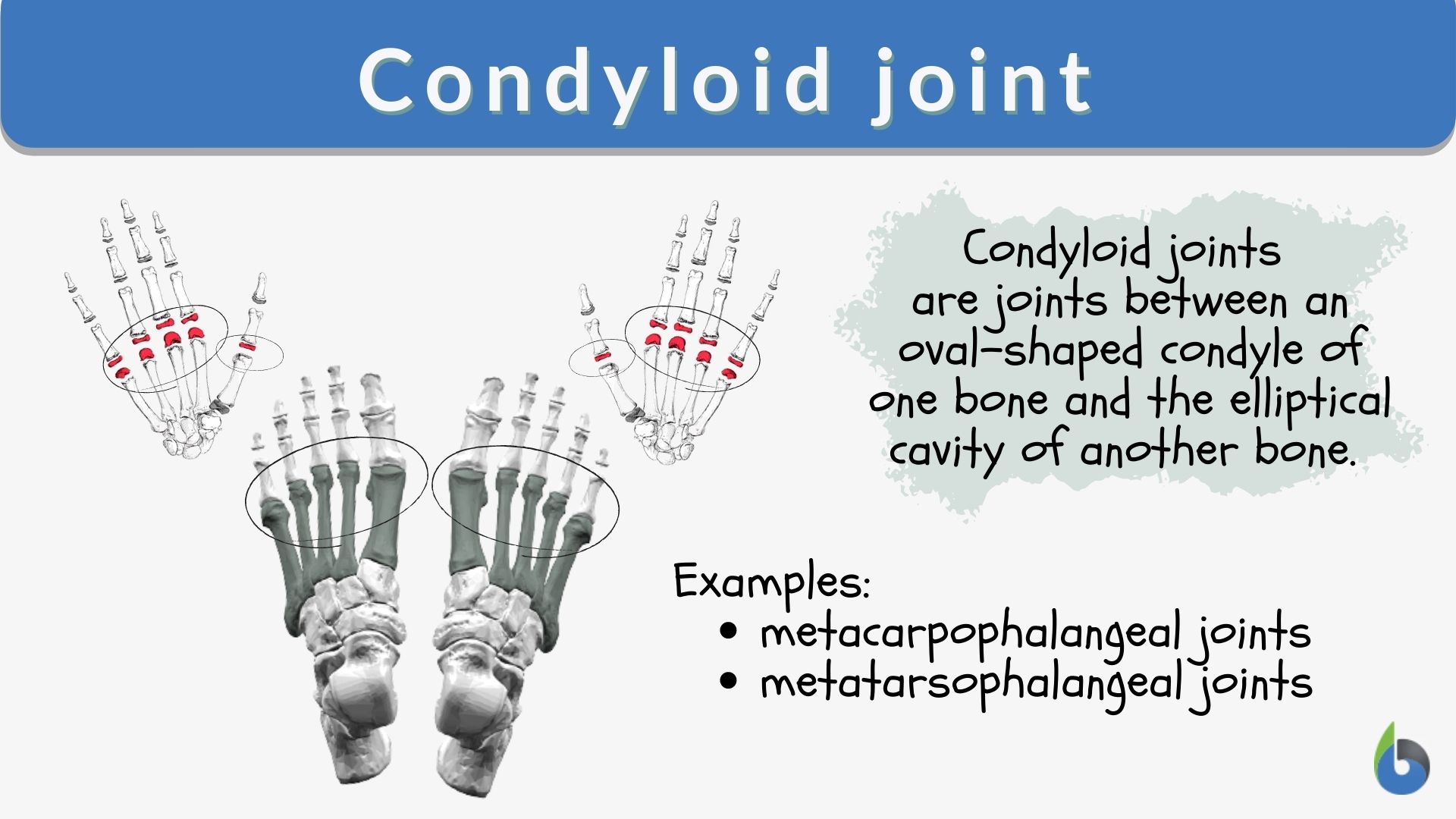
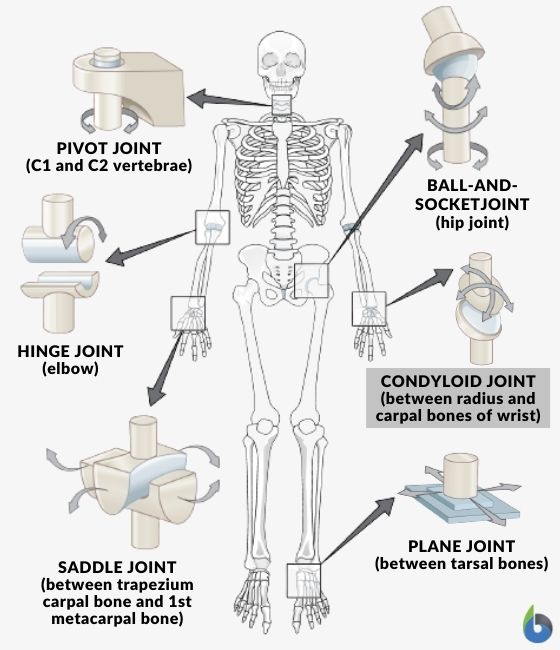
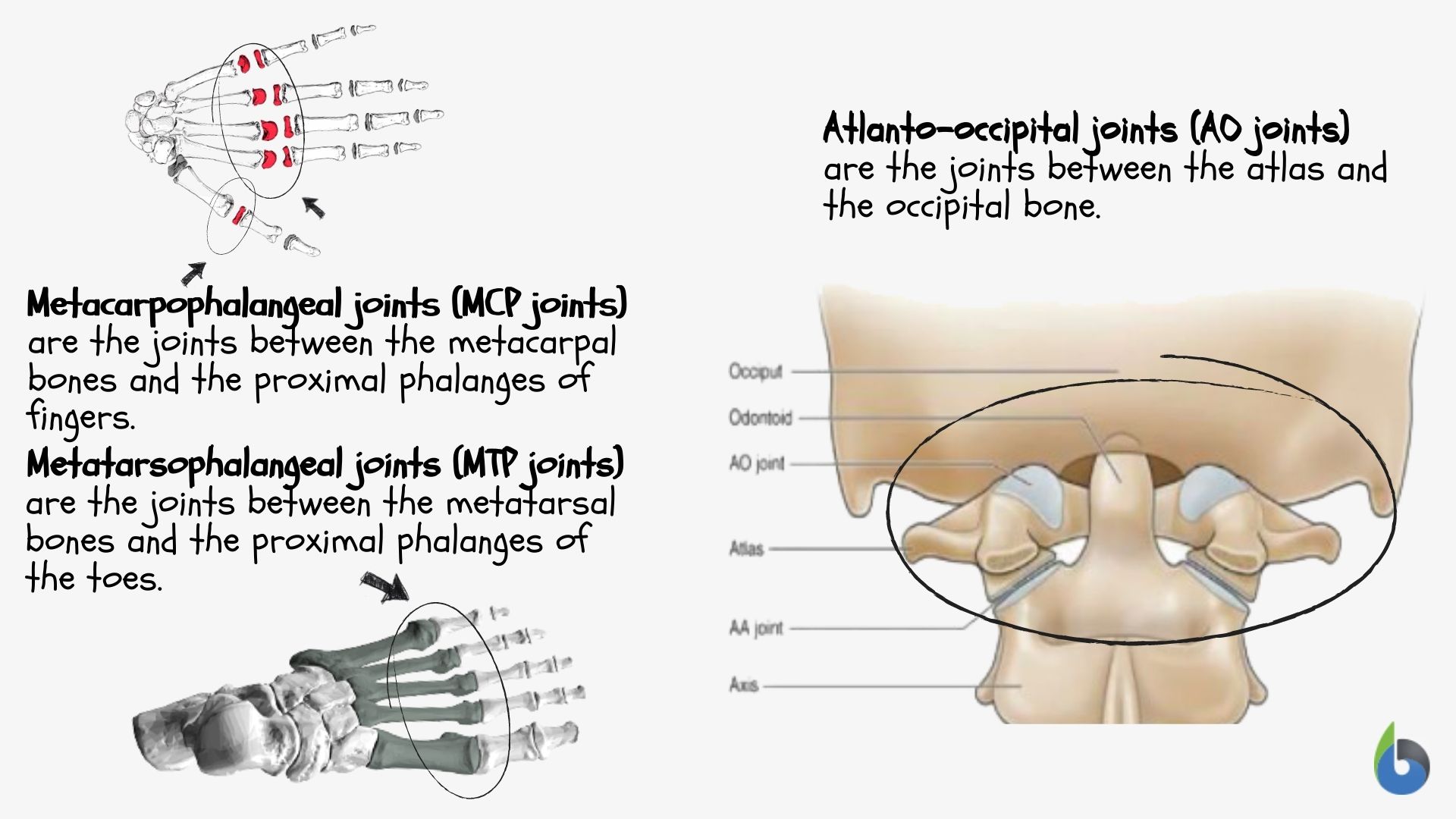
Nature has spent millennia refining efficient and durable mechanical systems, and biological joints are prime examples. A condylar joint, like those found in the knee or jaw, is characterized by an oval-shaped condyle (a rounded protrusion on one bone) fitting into an elliptical cavity (fossa) on another. This configuration allows for movement primarily in two planes—typically flexion and extension, along with limited abduction and adduction—while significantly restricting rotation. This balance of multi-planar motion with inherent stability makes it a remarkably robust and adaptable design.
In technology, the drive to create more intuitive, efficient, and durable mechanisms often leads to biomimicry. Engineers study these natural designs not to copy them verbatim, but to extract their underlying principles. The condylar joint’s ability to provide controlled, predictable movement under varying loads, while preventing undesirable motions, presents a blueprint for mechanisms requiring precise articulation, such as robotic limbs, haptic devices, or even ergonomic designs for consumer electronics. Understanding why a condylar joint functions as it does in biology provides invaluable insights for designing analogous mechanical systems that exhibit similar performance characteristics.
Key Characteristics: Movement and Stability
At its core, the technological interpretation of a condylar joint centers on its dual characteristics:
- Controlled Multi-Planar Movement: It facilitates movement in two primary axes, allowing for a range of motion that is both agile and functionally specific. This is vital for systems needing to perform complex tasks that require bending, extending, and limited side-to-side motion without uncontrolled twisting.
- Inherent Stability and Load Distribution: The articulating surfaces are shaped to provide a snug fit, distributing pressure evenly across the joint’s surface. This not only enhances stability, preventing dislocation or excessive wear, but also optimizes the handling of compressive and shear forces. In a mechanical context, this translates to robust designs that can endure repeated stresses and heavy loads, extending the lifespan and reliability of the device.
These characteristics make the condylar principle exceptionally attractive for applications where a balance between freedom of movement and structural integrity is paramount. From the intricate movements of a surgical robot to the robust articulation of heavy machinery, the condylar joint’s design ethos inspires solutions that are both precise and resilient.
Condylar Principles in Robotic Articulation
The field of robotics is perhaps where the inspiration of biological joints, including condylar types, is most evident and impactful. The quest to create robots that move with the fluidity, strength, and adaptability of biological organisms often involves dissecting the mechanics of natural articulation.
Prosthetics and Exoskeletons: Restoring Natural Motion
One of the most direct applications of condylar joint principles in robotics is found in prosthetics and exoskeletons. The goal here is often to restore or augment human movement, demanding mechanical joints that can closely mimic biological counterparts.
- Prosthetic Limbs: Advanced prosthetic knees, ankles, and even finger joints frequently incorporate designs inspired by condylar mechanics. These prostheses aim to replicate the stable yet flexible motion, allowing users to walk, grasp, or perform intricate tasks with a natural gait and dexterity. Materials like advanced polymers, carbon fiber, and lightweight metals are engineered to form articulating surfaces that glide smoothly, providing low friction and high durability, much like cartilage and synovial fluid in a biological joint.
- Exoskeletons: For individuals with mobility impairments or in industrial settings requiring enhanced strength, exoskeletons use robotic joints to assist or amplify human movement. The knee and hip joints in these systems are critical, often employing designs that prioritize stability during weight-bearing activities while enabling flexion and extension for walking or lifting. The condylar principle helps guide the design of these joints to ensure they support the wearer’s weight and facilitate biomechanically correct movements, preventing strain and injury.
Industrial Robotics: Precision and Adaptability
Beyond direct human augmentation, industrial robotics benefits immensely from the insights derived from biological joints. While industrial robots often feature rotating pivot joints, the specific constrained motion and stability offered by condylar geometry can be adapted for specialized tasks.
- Precision Manufacturing and Assembly: In applications requiring highly precise movements in specific planes—such as component placement in microelectronics or delicate welding—a mechanical joint inspired by condylar stability can ensure repeatability and accuracy. By limiting extraneous degrees of freedom, the system can focus its motion along desired paths, reducing errors and improving throughput.
- Complex Manipulators: For robotic arms that need to interact with objects in nuanced ways, such as handling delicate materials or performing intricate surgical procedures, condylar-inspired joints can provide the necessary dexterity. These designs might incorporate specialized cams or guides that allow for controlled flexion/extension and abduction/adduction, mirroring the biological joint’s functional versatility while maintaining structural rigidity.
The Challenge of Biomimicry
Replicating the nuanced function of a condylar joint in a mechanical system is not without its challenges. Biological joints are living structures, self-repairing and adapting. Mechanical joints, conversely, are subject to wear, material fatigue, and require lubrication and maintenance. Roboticists face the task of translating organic flexibility and resilience into engineered components using materials that can withstand rigorous use. This involves:
- Material Science: Developing new polymers, ceramics, and metal alloys that exhibit properties akin to cartilage (low friction, high elasticity, durability).
- Actuation Systems: Designing motors and actuators that can provide smooth, powerful, and precise control over joint movement, mimicking muscle action.
- Sensor Integration: Implementing sensors that provide real-time feedback on joint position, force, and temperature, allowing for adaptive control and predictive maintenance.
Innovating with Condylar-Inspired Mechanisms
The influence of condylar joint principles extends beyond direct robotic limbs into broader areas of technological innovation, impacting how devices are designed for human interaction, manufactured, and optimized through advanced computing.
Wearable Technology and Ergonomics
For wearable devices, the integration of condylar-inspired mechanics is crucial for achieving comfort, flexibility, and intuitive interaction.
- Smartwatches and Fitness Trackers: While not having explicit “joints” in the biological sense, the design of bands and articulating screens often considers how they conform to the human wrist or body, mimicking the natural points of flexion and extension. The goal is to create devices that move with the wearer, minimizing bulk and maximizing ergonomic fit, much like how biological joints enable seamless movement.
- Augmented Reality (AR) and Virtual Reality (VR) Headsets: For these devices, the interface with the user’s head, face, and often hands, requires components that articulate comfortably and securely. Headset straps and controller grips are designed to adapt to various user anatomies, with pivot points and flex zones that take cues from natural joint movement patterns to ensure stable positioning without creating pressure points.
- Haptic Feedback Devices: These devices aim to replicate the sensation of touch or movement. Condylar-inspired mechanisms can be used to create haptic feedback that simulates the feeling of resistance or motion in a virtual environment, providing a more immersive and realistic user experience by mimicking the physical constraints and stability of natural joints.
Advanced Materials and Manufacturing
The pursuit of condylar-like performance in mechanical systems drives innovation in materials science and manufacturing processes.
- Biocompatible and High-Performance Polymers: For medical devices or prosthetics, materials must be both durable and non-reactive with the human body. The development of advanced polymers and composites that can be molded or 3D printed into complex condylar shapes with varying degrees of flexibility and strength is critical.
- Additive Manufacturing (3D Printing): This technology is revolutionizing how complex, articulating structures can be created. It allows for the fabrication of bespoke joints with intricate internal geometries, multi-material components, and even integrated lubrication channels, enabling the precise replication of condylar characteristics in novel ways without the limitations of traditional machining.
- Smart Materials: Researchers are exploring “smart” materials that can change properties (e.g., stiffness, shape) in response to stimuli, potentially leading to adaptive joints that can dynamically adjust their stability or range of motion, mimicking the dynamic properties of biological tissues.
Software Simulation and AI for Joint Optimization
The digital realm plays a crucial role in advancing condylar-inspired designs.
- Computational Biomechanics: Sophisticated software models simulate the forces, stresses, and movements within mechanical joints, allowing engineers to test designs virtually before physical prototyping. This helps optimize the shape of articulating surfaces, predict wear patterns, and fine-tune material selection, significantly accelerating the design cycle.
- AI and Machine Learning for Motion Control: AI algorithms are increasingly used to control robotic joints, learning from vast datasets of human or ideal movement patterns. For condylar-like joints, AI can optimize the torque and speed of actuators to achieve smooth, efficient, and natural-looking motion, adapting to environmental changes or varying loads in real-time. This enhances both the performance and the energy efficiency of articulated systems.
- Digital Twin Technology: Creating a digital replica of a physical joint allows for continuous monitoring of its performance, predictive maintenance, and the ability to simulate changes or upgrades before implementing them in the real world. This ensures that the mechanical “condylar joint” operates optimally throughout its lifecycle.
The Future of Articulated Systems in Tech
The continuous integration of biological insights, advanced materials, and computational power promises an exciting future for articulated systems inspired by the condylar joint.
Towards Seamless Human-Machine Interaction
As technology becomes more ubiquitous and integrated into our daily lives, the demand for devices that interact seamlessly and intuitively with humans will grow. Condylar-inspired designs contribute to this by enabling:
- More Ergonomic Tools and Interfaces: From industrial tools that reduce operator fatigue to consumer electronics that feel like a natural extension of the body, the principles of natural joint movement will guide the design of increasingly comfortable and efficient interfaces.
- Realistic Virtual and Augmented Realities: As haptic feedback and motion capture become more sophisticated, mechanical joints designed with condylar principles will provide a more convincing physical presence in digital worlds, allowing users to “feel” virtual objects and environments with greater fidelity.
- Collaborative Robotics (Cobots): Robots designed to work alongside humans will require joints that are safe, predictable, and capable of fluid, responsive motion. The stability and constrained movement of condylar-like designs are ideal for ensuring that cobots can operate safely in shared workspaces, performing tasks with precision without posing a risk to human counterparts.
Next-Generation Medical Devices
The field of medical technology will continue to be a primary beneficiary.
- Advanced Surgical Robotics: Miniaturized robots for minimally invasive surgery will incorporate highly articulated joints that mimic the dexterity of human hands and wrists, allowing surgeons to perform complex procedures with unprecedented precision and control.
- Personalized Prosthetics and Orthotics: 3D printing and AI-driven design will enable the creation of personalized prosthetic and orthotic devices that perfectly match an individual’s biomechanics, incorporating condylar principles for optimal fit, function, and comfort, significantly improving quality of life.
- Rehabilitation Robotics: Robots designed to assist in physical therapy and rehabilitation will feature compliant, condylar-inspired joints that can gently guide and support patients through exercises, adapting to their progress and providing real-time feedback.
In essence, the biological condylar joint, despite its anatomical origins, has become a powerful metaphor and a practical guide for engineers and designers across the technological spectrum. Its principles of stable, multi-planar motion continue to drive innovation, pushing the boundaries of what is possible in robotics, human-machine interaction, and advanced manufacturing, leading to a future where technology moves with ever-greater precision, adaptability, and biomimetic grace.
aViewFromTheCave is a participant in the Amazon Services LLC Associates Program, an affiliate advertising program designed to provide a means for sites to earn advertising fees by advertising and linking to Amazon.com. Amazon, the Amazon logo, AmazonSupply, and the AmazonSupply logo are trademarks of Amazon.com, Inc. or its affiliates. As an Amazon Associate we earn affiliate commissions from qualifying purchases.