
The intersection of music and technology is a fertile ground for innovation, constantly pushing the boundaries of how we create, consume, and interact with artistic expression. While much of this evolution has focused on distribution platforms, immersive listening experiences, and AI-generated music, a more fundamental question emerges when we consider the very essence of a song: its lyrics. What if song lyrics, the poetic narratives and evocative phrases that form the soul of a track, could transcend their traditional role as mere text and become imbued with programmable logic and enforceable agreements? This thought experiment leads us directly into the realm of Tech, specifically exploring the potential applications of blockchain technology and smart contracts within the music industry, reimagining lyrics not just as art, but as functional code.

This exploration delves into how lyrics could be transformed into programmable assets, unlocking new avenues for artist compensation, fan engagement, and even the democratization of creative ownership. By leveraging the principles of smart contracts, the often-opaque financial and ownership structures within music could be rendered transparent and automated, fostering a more equitable ecosystem for creators and consumers alike.
The Algorithmic Bard: Encapsulating Creative Intent
The very nature of song lyrics suggests a rich tapestry of intent, emotion, and cultural commentary. When we consider “What if song lyrics were smart contracts,” we are essentially asking how to translate this artistic intent into a quantifiable and programmable form. This involves envisioning a future where the words themselves carry not just meaning, but also executable instructions.
From Poetry to Programmable Assets
Traditionally, song lyrics are static text. Their value is derived from their artistic merit, their emotional resonance, and their association with a musical composition. However, in the context of smart contracts, lyrics could become dynamic, programmable assets. Imagine a lyricist penning a verse about environmental advocacy. This verse, when encoded as a smart contract, could automatically trigger a donation to an environmental charity every time the song is streamed. The “if this, then that” logic inherent in smart contracts would be directly tied to the lyrical content and its contextual usage.
This transformation moves beyond simple attribution. It allows for the embedding of specific actions and conditions directly within the creative output. For instance, a lyric about promoting emerging artists could be linked to a smart contract that automatically allocates a percentage of future royalties from that song to a pool of unsigned musicians. The “what if” here is about injecting functional utility into the artistic expression, making lyrics active participants in the music’s lifecycle and its impact on the world.
Tokenizing Lyrical Ownership and Royalties
One of the most profound implications of this concept lies in the potential for tokenizing lyrical ownership. Currently, the fragmented and often opaque nature of music rights makes it challenging for songwriters and lyricists to track and receive their rightful compensation. By representing lyrical ownership as Non-Fungible Tokens (NFTs) on a blockchain, we can create immutable and transparent records of who owns what portion of a song’s lyrical component.
Each lyric, or even specific phrases, could be represented as a unique token. These tokens could then be programmed with smart contract logic to automate royalty distribution. For example, if a lyricist co-authors a song, their lyrical NFT could be programmed to receive a predetermined percentage of any revenue generated from the song’s use. This distribution could be automated on a per-stream, per-download, or per-license basis, eliminating the need for intermediaries and reducing the potential for disputes. Furthermore, this tokenization could enable secondary markets for lyrical ownership, allowing lyricists to sell portions of their rights or fans to invest in their favorite lyrical contributions, creating new economic models for creators.
Creative Control and Licensing Through Code
The current system of music licensing is often a labyrinthine process. “What if song lyrics were smart contracts” suggests a paradigm shift towards self-executing licenses directly embedded within the lyrical tokens. A lyricist could define the precise terms under which their words can be used. For example, a smart contract linked to a specific lyric could stipulate that it can only be used for non-commercial purposes without prior approval. Any attempt to use it commercially would be automatically flagged and potentially blocked by the blockchain’s consensus mechanism.
Conversely, a lyricist might choose to make their lyrics available for commercial use under specific conditions, such as a set royalty fee. The smart contract would automatically enforce these terms, collecting the agreed-upon fee upon usage and distributing it to the lyricist. This granular control over licensing empowers creators, allowing them to monetize their work more effectively and to dictate the narrative and context in which their lyrical contributions are utilized. This approach fosters a more direct and transparent relationship between creators and users of their lyrical content, streamlining the licensing process and fostering greater creative freedom.
Enhancing Fan Engagement and Community Building
Beyond the direct financial implications for artists, the concept of lyrics as smart contracts opens up exciting new avenues for fan engagement and community building. The relationship between an artist and their audience can be deepened and made more interactive when lyrics are no longer just passive elements but active participants in shared experiences.
Interactive Lyrical Experiences and Gamification
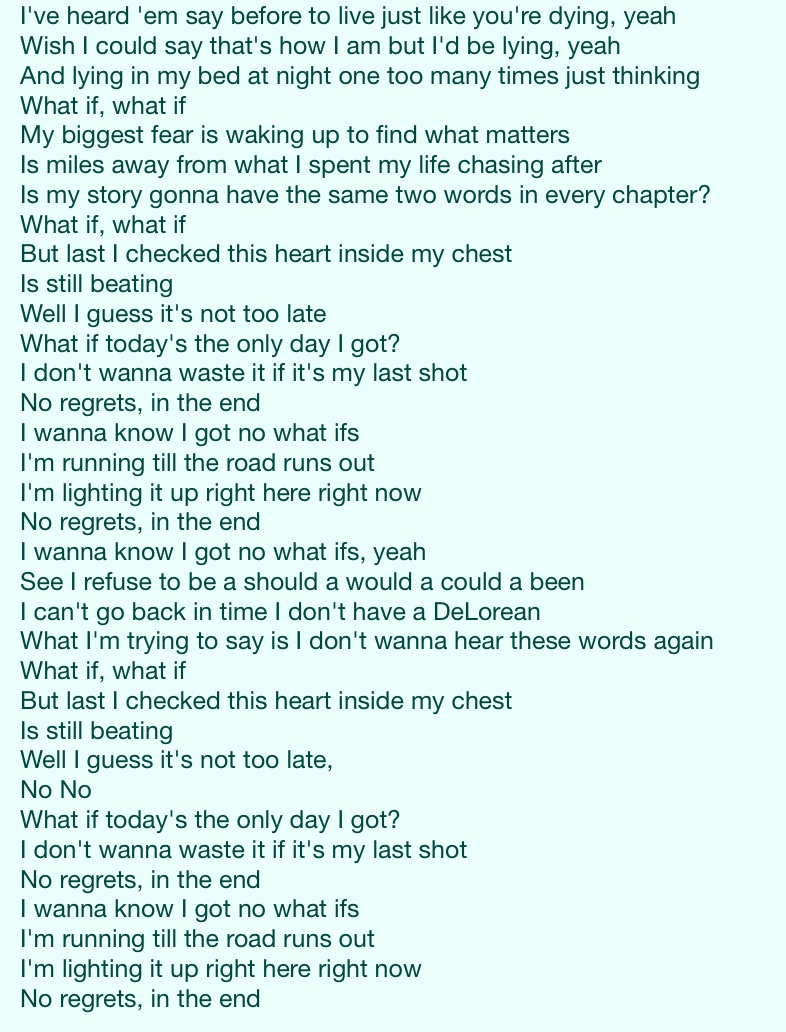
Imagine a fan listening to a song and being able to “interact” with the lyrics in a meaningful way. If a lyric contains a call to action, like “Join the movement,” a smart contract could be programmed to instantly allow the fan to sign a digital petition or pledge support for a cause associated with the song. This transforms passive consumption into active participation.
Furthermore, gamification of lyrical content becomes a distinct possibility. Perhaps certain lyrical phrases unlock exclusive content, behind-the-scenes glimpses, or even opportunities to contribute to future lyrical themes. Fans could collect unique lyrical “moments” as NFTs, with rare or historically significant lyrics holding greater value within the artist’s ecosystem. This creates a sense of ownership and investment in the artist’s creative journey, fostering a more dedicated and engaged fanbase. The “what if” here is about turning passive listening into an active, rewarding, and community-driven experience, making fans active participants in the unfolding narrative of the music.
Decentralized Storytelling and Collaborative Lyricism
The collaborative nature of music creation can be extended to the lyrical realm through smart contracts. Imagine a scenario where an artist releases a song with a set of “placeholder” lyrics, inviting their community to contribute the next verse or a chorus via a decentralized platform. Each contribution could be submitted as a proposal, and the community, perhaps through token-based voting or a meritocratic system, could select and integrate the best submissions into the evolving song.
Smart contracts would govern this process, ensuring fair attribution and royalty distribution to all contributors. This fosters a sense of co-creation and collective ownership, strengthening the bond between the artist and their community. It democratizes the lyrical process, allowing fans to become active co-authors and collaborators, leading to a richer and more diverse body of work that truly reflects the collective imagination of the artist’s fanbase. This approach reimagines songwriting as a dynamic, community-driven endeavor, where lyrics evolve and grow through shared input.
Verifiable Authenticity and Provenance of Lyrical Works
In an era where digital content can be easily replicated, the verifiable authenticity and provenance of lyrical works become paramount. Blockchain technology, with its inherent immutability, provides a robust solution. When lyrics are encoded as smart contracts and minted as NFTs, their origin, ownership history, and all subsequent transactions are permanently recorded on the blockchain.
This verifiable ledger ensures the authenticity of a lyrical work, distinguishing genuine creations from unauthorized copies or imitations. For collectors, fans, and even legal entities, this provides an undeniable chain of custody. It becomes possible to trace a lyric back to its original creator, understand its lineage, and verify its integrity. This is particularly important for rare or historically significant lyrics, where authenticity is a key determinant of value. The “what if” here is about building trust and establishing a definitive record of creation and ownership in a digital world, safeguarding artistic integrity.
Challenges and the Road Ahead
While the prospect of “what if song lyrics were smart contracts” is compelling, it’s essential to acknowledge the significant challenges that lie ahead in realizing this vision. The transition from traditional models to a blockchain-centric paradigm requires overcoming technical, legal, and cultural hurdles.
Technical Hurdles and Scalability
The current state of blockchain technology, while rapidly advancing, still faces challenges related to scalability, transaction speed, and energy consumption for certain networks. For lyrics to function as widely used smart contracts, these platforms need to be able to handle a massive volume of transactions efficiently and affordably. Developing user-friendly interfaces for lyricists and fans to interact with these smart contracts is also crucial. This includes creating intuitive tools for lyric creation, tokenization, and contract management, abstracting away the underlying blockchain complexities. The goal is to make these advanced functionalities accessible to a broad audience, not just blockchain enthusiasts.
Legal Frameworks and Intellectual Property Rights
Integrating lyrics as smart contracts necessitates a re-evaluation of existing legal frameworks surrounding intellectual property and copyright. Laws designed for the analog age may not adequately address the nuances of tokenized, programmable lyrical assets. Clarifying ownership, licensing, and enforcement mechanisms within a decentralized, blockchain-based system will require collaboration between technologists, legal experts, and the music industry. Establishing clear legal precedents for smart contract enforceability in the context of creative works will be a critical step in ensuring widespread adoption and trust.
Adoption and Education within the Music Industry
The music industry, with its established players and traditional business models, can be slow to embrace radical technological shifts. Educating artists, labels, publishers, and fans about the potential benefits and mechanics of lyrics as smart contracts will be vital for their adoption. Overcoming skepticism and demonstrating the tangible advantages of this new paradigm through successful pilot programs and case studies will pave the way for broader integration. The inherent complexity of blockchain technology also requires significant educational efforts to make it accessible and understandable to a wider creative community.
The Future of Lyrical Expression
Ultimately, the question of “what if song lyrics were smart contracts” invites us to envision a future where artistic expression is not only a source of beauty and emotion but also a functional and programmable component of our digital lives. By imbuing lyrics with the power of smart contracts, we can unlock unprecedented opportunities for artists to control their work, for fans to engage more deeply, and for the music industry to evolve towards a more transparent, equitable, and innovative future. This technological evolution has the potential to redefine the very essence of what a song can be, transforming lyrical poetry into a dynamic, enforceable, and collaboratively shaped force in the digital age.
aViewFromTheCave is a participant in the Amazon Services LLC Associates Program, an affiliate advertising program designed to provide a means for sites to earn advertising fees by advertising and linking to Amazon.com. Amazon, the Amazon logo, AmazonSupply, and the AmazonSupply logo are trademarks of Amazon.com, Inc. or its affiliates. As an Amazon Associate we earn affiliate commissions from qualifying purchases.