
Understanding the trajectory of rental costs is crucial for both renters seeking affordable housing and investors assessing the financial viability of real estate in Upstate New York. Over the past few years, the region has experienced a notable shift in its rental market dynamics, influenced by a confluence of economic factors, demographic trends, and broader societal changes. This analysis delves into the average rent increases observed in Upstate New York, examining the underlying drivers and potential future implications.
Understanding the Upstate New York Rental Landscape
Upstate New York, a vast and diverse geographical area encompassing cities like Buffalo, Rochester, Syracuse, Albany, and Binghamton, as well as numerous smaller towns and rural communities, presents a complex rental market. Unlike the hyper-competitive and consistently high-priced housing markets of downstate New York, Upstate has historically offered more accessible and affordable living. However, this narrative has begun to change, with a discernible upward trend in rental prices across many of its key urban centers and surrounding suburbs.
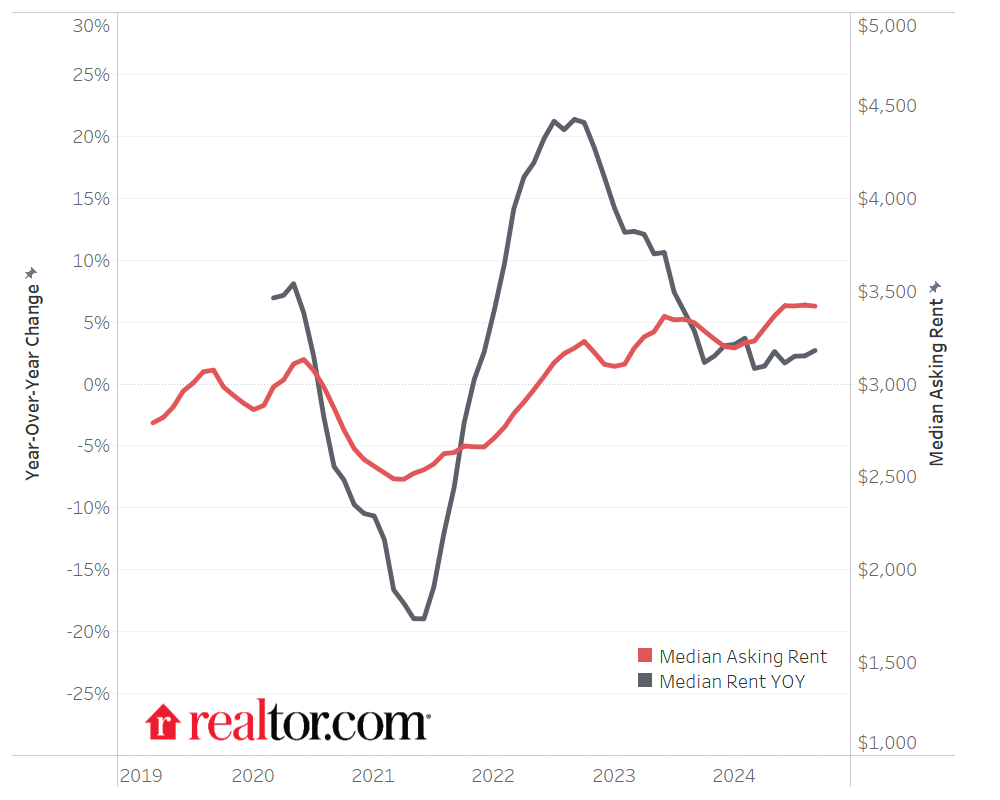
The factors contributing to these changes are multifaceted. A primary driver has been an increased demand for housing, fueled by a combination of internal migration and a growing appeal of Upstate cities as desirable places to live and work. The COVID-19 pandemic, in particular, accelerated a trend of remote work, allowing individuals and families to seek out more affordable living arrangements while maintaining their employment in higher-cost metropolitan areas. Upstate New York, with its lower cost of living and attractive natural landscapes, became a significant beneficiary of this migration.
Furthermore, the economic revitalization efforts in several Upstate cities have contributed to a more robust job market, attracting new residents and thereby increasing demand for rental properties. Investments in technology, education, and healthcare sectors have created employment opportunities, making these areas more appealing to a wider range of professionals. This influx of new residents, coupled with a relatively inelastic supply of rental units in the short to medium term, naturally leads to upward pressure on rents.
Defining “Upstate New York” for Rental Market Analysis
When discussing rental increases, it’s important to clarify what constitutes “Upstate New York.” This region is not a single, homogenous market. It encompasses a spectrum of cities, from larger metropolitan areas with growing economies to smaller, more rural communities. Each of these sub-regions can exhibit distinct rental market behaviors. For instance, cities experiencing significant economic growth, such as Buffalo or Rochester with their burgeoning tech and advanced manufacturing sectors, often see higher rent increases compared to smaller towns that may be experiencing population stagnation or decline.
For the purpose of this analysis, “Upstate New York” will broadly refer to the geographical area north of the New York City metropolitan area, including major urban centers and their immediate surrounding counties. Rental data is typically aggregated and analyzed at the metropolitan statistical area (MSA) or county level, allowing for a more granular understanding of trends within this expansive region.
Key Economic and Demographic Influences on Rent
Several key economic and demographic forces are at play in shaping Upstate New York’s rental market.
- Remote Work Migration: The widespread adoption of remote work has been a significant catalyst. Individuals and families previously priced out of major coastal cities have found Upstate New York to be an attractive alternative, seeking a better quality of life and more affordable housing. This influx of new residents, many of whom are relocating from higher-cost areas, brings with them a demand for rental properties that outstrips the existing supply.
- Job Growth and Economic Development: Cities like Buffalo, Rochester, and Albany have seen targeted investments and subsequent job growth in sectors such as technology, healthcare, and advanced manufacturing. This economic buoyancy attracts skilled workers and young professionals, further bolstering demand for housing, including rental units.
- Limited New Construction: The pace of new residential construction, particularly for rental properties, has often lagged behind the growing demand. Building new housing is a complex and time-consuming process, involving zoning regulations, permitting, and substantial capital investment. When supply cannot keep up with demand, prices naturally increase.
- Inflation and Cost of Living: Broader economic factors, such as inflation, also play a role. Increased costs for building materials, labor, and property maintenance translate into higher operational expenses for landlords, which are often passed on to tenants in the form of higher rents.
- Demographic Shifts: While Upstate New York has historically faced population decline in some areas, recent trends show a renewed interest from younger demographics and families attracted by affordability and lifestyle. This shift in demographic composition can create new pockets of demand within the rental market.
Measuring Average Rent Increases in Upstate New York
Quantifying the average rent increase in a region as diverse as Upstate New York requires careful consideration of data sources and methodologies. Rental data is typically collected and reported by various real estate analytics firms, property management companies, and government agencies. These sources often track metrics such as median rent, average rent, and year-over-year percentage changes.
The specific figures for rent increases can vary significantly depending on the city, neighborhood, and type of rental property (e.g., one-bedroom apartment vs. a three-bedroom house). However, a general trend of rising rents has been observed across most of the major Upstate New York markets over the past few years.
Data Sources and Methodologies
Several reputable sources provide data on rental price fluctuations in Upstate New York. These often include:
- Real Estate Listing Platforms: Websites like Zillow, Apartments.com, and Rent.com aggregate rental listings and often provide market reports based on their data. While comprehensive, these platforms may sometimes reflect asking rents rather than actual signed lease rents.
- Property Management Software and Data Aggregators: Companies that manage a large portfolio of rental properties often have proprietary data that can offer insights into rental trends. Third-party data aggregators compile information from various sources to provide market analyses.
- Local Real Estate Boards and Associations: Local real estate boards often track rental market activity within their specific geographic areas, providing localized data that can be highly valuable.
- Government Agencies: While less frequent for granular rental data, agencies like the U.S. Census Bureau or state housing finance agencies might provide broader housing market statistics that can inform rental trends.
The methodologies for calculating average rent increases typically involve comparing rental rates for similar properties over a specific period. This can be done by:
- Year-over-Year Comparisons: Analyzing the average rent for a particular property type in a specific location in the current period versus the same period in the previous year.
- Quarterly or Monthly Trends: Tracking rent changes over shorter periods to identify immediate market shifts.
- Median vs. Average: While the average rent provides a central tendency, the median rent can be more representative of what a typical renter experiences, as it is less affected by outlier high or low rents.
Observed Rent Increase Trends (Illustrative Examples)
While precise, universally agreed-upon figures are fluid and depend on the specific timeframe and data source, observations across various reports and analyses indicate that many Upstate New York markets have experienced annual rent increases in the range of 5% to 15% or even higher in some popular urban centers over the past two to three years.
For example, cities that have seen significant revitalization and an influx of new residents, such as Buffalo, Rochester, and Albany, have often reported some of the most pronounced rent hikes. These increases are driven by a combination of strong demand and a limited supply of available units. Areas with a higher concentration of desirable amenities, proximity to job centers, and good public transportation tend to experience more accelerated rent growth.
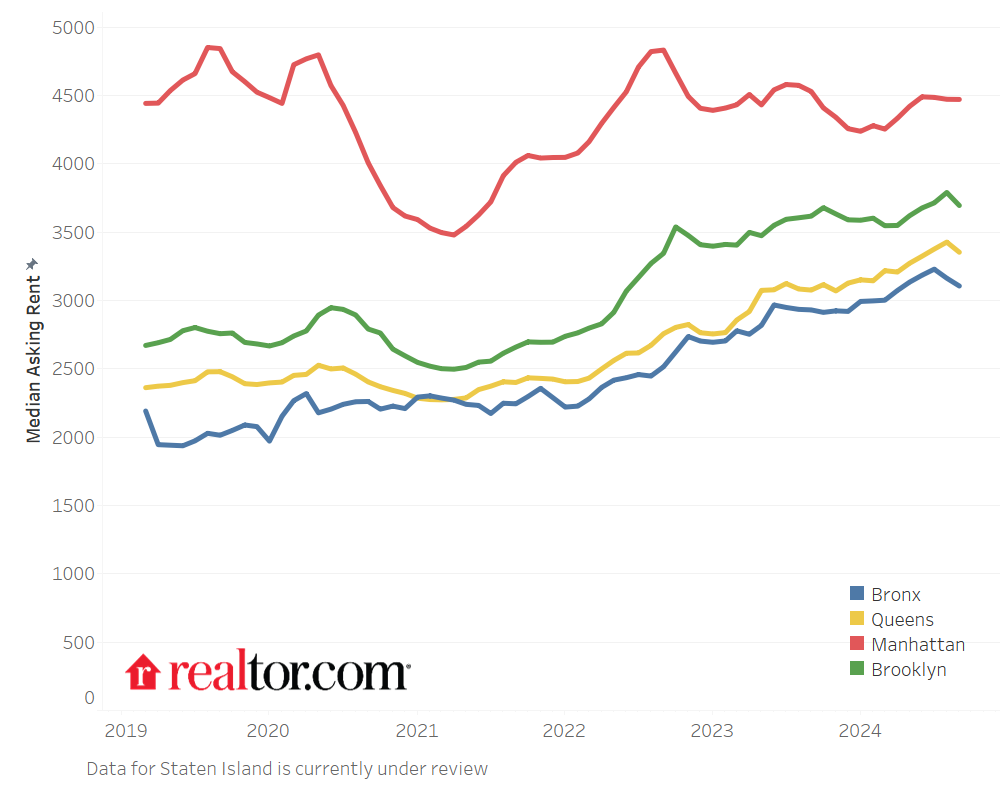
Smaller towns or more rural parts of Upstate New York might exhibit slower or even negligible rent increases. However, even in these areas, rising property taxes, insurance costs, and general inflation can lead to modest upward adjustments in rental prices. The overall narrative for Upstate New York has shifted from a consistently affordable rental market to one where rents are experiencing a noticeable and sustained rise.
Factors Driving Upward Rent Adjustments
The increase in rental prices in Upstate New York is not a random occurrence but rather a consequence of a complex interplay of economic, social, and market-specific factors. Understanding these drivers is key to comprehending the current state of the rental market and anticipating its future direction.
Demand-Side Pressures
The most significant driver of rising rents is unequivocally the surge in demand for rental housing. This demand stems from multiple sources, each contributing to a tightening rental market.
- Inward Migration and Urban Revitalization: As mentioned earlier, the migration of remote workers and individuals seeking more affordable lifestyles has significantly increased the renter pool in many Upstate cities. Simultaneously, successful urban revitalization projects have made these cities more attractive places to live, work, and invest, drawing in new residents and businesses. This creates a virtuous cycle of demand for housing.
- Younger Demographics and Household Formation: A growing number of young professionals and families are choosing to rent, either by preference or due to the challenges of homeownership, such as high down payments and rising interest rates. This demographic cohort often gravitates towards urban centers and areas with vibrant social scenes and employment opportunities.
- Housing Affordability Crisis Downstate: The persistently high cost of housing in downstate New York and other major East Coast cities pushes many individuals and families to seek more affordable alternatives. Upstate New York, despite its own rent increases, still offers a relative affordability advantage, making it a prime relocation destination.
Supply-Side Constraints
While demand has been on the rise, the supply of rental units has not kept pace, creating a classic supply-demand imbalance.
- Limited New Construction: The rate at which new rental units are being built in many Upstate New York markets is often insufficient to meet the growing demand. The construction industry faces challenges such as rising material costs, labor shortages, lengthy permitting processes, and zoning restrictions that can hinder the development of new housing stock.
- Conversion of Rental Properties: In some areas, existing rental properties may be converted into condominiums or purchased by individual investors, effectively removing them from the rental market. This further constrains the supply of available rental units.
- Aging Housing Stock: A portion of Upstate New York’s housing stock is older, and while many properties are well-maintained, the cost of significant renovations or upgrades to meet modern rental standards can be substantial. This can limit the availability of modern, desirable rental units.
Economic and Inflationary Factors
Broader economic conditions also contribute to rising rental prices.
- Inflationary Pressures: General inflation impacts all aspects of the economy, including the cost of property ownership and management. Increased costs for utilities, property maintenance, insurance, and property taxes are often passed on to tenants through higher rents.
- Interest Rate Environment: While rising interest rates can cool down the housing market for buyers, they can also make it more challenging for developers to finance new construction projects, further impacting supply. For existing landlords, higher interest rates on mortgages can also increase their carrying costs.
- Investor Activity: As Upstate New York’s rental market becomes more attractive due to increasing demand and potential for appreciation, it can draw the attention of real estate investors. Increased investor activity can drive up property prices, and subsequently, rental rates, as investors aim to achieve a certain return on their investment.
Implications of Rising Rents for Residents and Investors
The increasing average rent in Upstate New York has significant implications for various stakeholders, from individual renters to real estate investors and local economies. These shifts necessitate a careful examination of how these changes affect affordability, investment strategies, and the overall housing market dynamics.
Impact on Renters and Affordability
For renters, rising rents directly impact their disposable income and housing security. As a larger portion of their income is allocated to rent, there is less available for other essential expenses, savings, or discretionary spending.
- Decreased Affordability: The most immediate consequence is a decline in housing affordability. What was once a region of significantly lower rental costs compared to major metropolitan areas is now experiencing a substantial increase, making it more challenging for low and middle-income individuals and families to find affordable housing.
- Increased Competition: As rents rise, competition for available units intensifies. Renters may find themselves in bidding wars, needing to act quickly to secure a lease, and potentially compromising on their desired location or amenities.
- Risk of Displacement: For long-term residents, rapidly increasing rents can lead to the risk of displacement, particularly in areas experiencing gentrification. This can disrupt communities and force individuals to move away from their established support networks and familiar surroundings.
- Shift in Housing Choices: Some renters may be forced to consider smaller living spaces, less desirable neighborhoods, or longer commutes to find housing within their budget. This can have a ripple effect on their quality of life and access to amenities.
Opportunities and Challenges for Investors
For real estate investors, rising rents present both opportunities and challenges. The upward trend can signal a healthy market with the potential for good returns on investment.
- Increased Rental Yields: Higher rents can translate into increased rental yields for property owners, making Upstate New York an attractive market for real estate investment. The appreciation in property values, coupled with consistent rental income, can offer a favorable return on investment.
- Demand for New Development: The robust demand and constrained supply create opportunities for developers to build new rental properties. Projects that cater to the growing demand for modern, well-located rental units are likely to be met with strong interest from tenants.
- Need for Strategic Investment: However, investors must also navigate the complexities of a changing market. Understanding localized demand, identifying neighborhoods with strong growth potential, and managing increased operational costs are crucial for success. Investing in properties that require significant renovations may become more challenging due to rising construction costs.
- Market Saturation Concerns: While current trends point to continued growth, savvy investors will also consider the long-term market dynamics. Excessive new construction could eventually lead to market saturation, potentially moderating rent growth in the future.

Broader Economic and Community Impacts
The rising cost of rental housing in Upstate New York has broader implications for the region’s economic development and community well-being.
- Impact on Local Economies: While increased investment can stimulate economic activity, the affordability crisis can also create challenges. Businesses may find it harder to attract and retain workers if housing costs become prohibitive. This can impact labor availability and overall economic competitiveness.
- Strain on Public Services: Increased population density in urban centers can put a strain on public services, including transportation, schools, and utilities. Managing this growth effectively requires thoughtful urban planning and investment in infrastructure.
- The Affordability Gap: The widening affordability gap between rental costs and average incomes is a critical issue that local governments and policymakers will need to address. Strategies such as incentivizing affordable housing development, exploring rent stabilization measures, and supporting housing assistance programs may become increasingly important.
In conclusion, the average rent increase in Upstate New York reflects a dynamic market shift driven by increased demand and constrained supply. While this presents opportunities for investors and can signify economic growth, it also poses significant challenges for renters and the overall affordability of living in the region. Navigating this evolving landscape requires a nuanced understanding of the underlying economic forces and a commitment to developing sustainable housing solutions.
aViewFromTheCave is a participant in the Amazon Services LLC Associates Program, an affiliate advertising program designed to provide a means for sites to earn advertising fees by advertising and linking to Amazon.com. Amazon, the Amazon logo, AmazonSupply, and the AmazonSupply logo are trademarks of Amazon.com, Inc. or its affiliates. As an Amazon Associate we earn affiliate commissions from qualifying purchases.