
The allure of the latest smartphone, with its cutting-edge camera, faster processor, and sleeker design, is a powerful force in the consumer electronics market. Yet, for many, the decision to upgrade is intertwined with a practical concern: what to do with their old device? This is where the concept of phone trade-in programs has become increasingly ubiquitous, transforming a potentially wasteful act into a financial incentive for consumers and a strategic move for manufacturers and retailers. But beyond the immediate discount or credit offered, what truly happens to these trade-in phones? The journey of a pre-owned smartphone is a complex ecosystem involving refurbishment, resale, parts harvesting, and, in some cases, responsible recycling. Understanding this process reveals significant implications for the tech industry, consumer economics, and environmental sustainability.
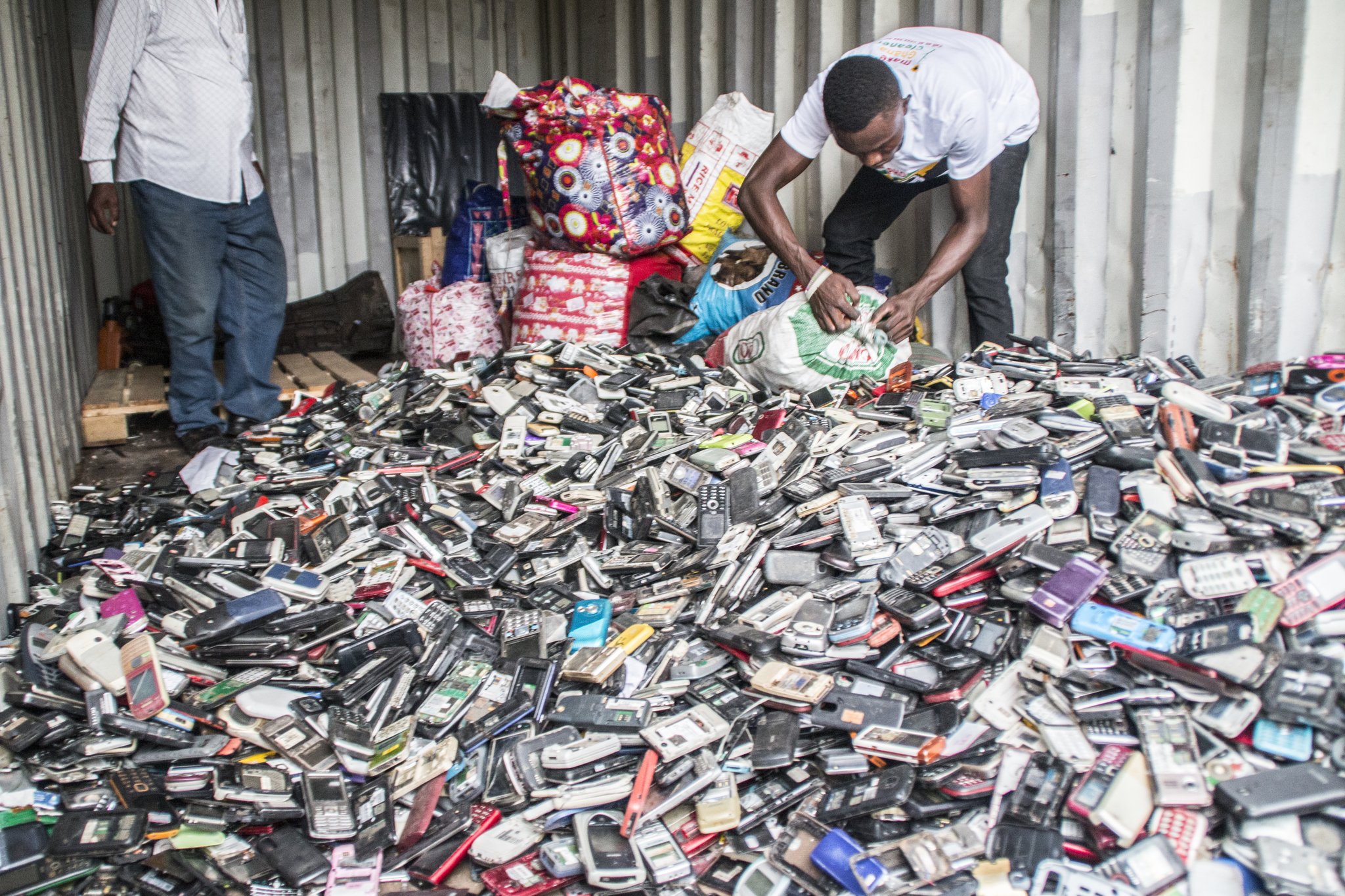
The Lifecycle of a Trade-In Device: From Handset to Handout
When a consumer hands over their old phone for a trade-in, it’s not simply disappearing. Instead, it enters a structured lifecycle managed by various entities within the tech industry. This process is designed to extract as much value as possible from the device, whether through direct resale, component reuse, or responsible disposal.
Initial Assessment and Grading
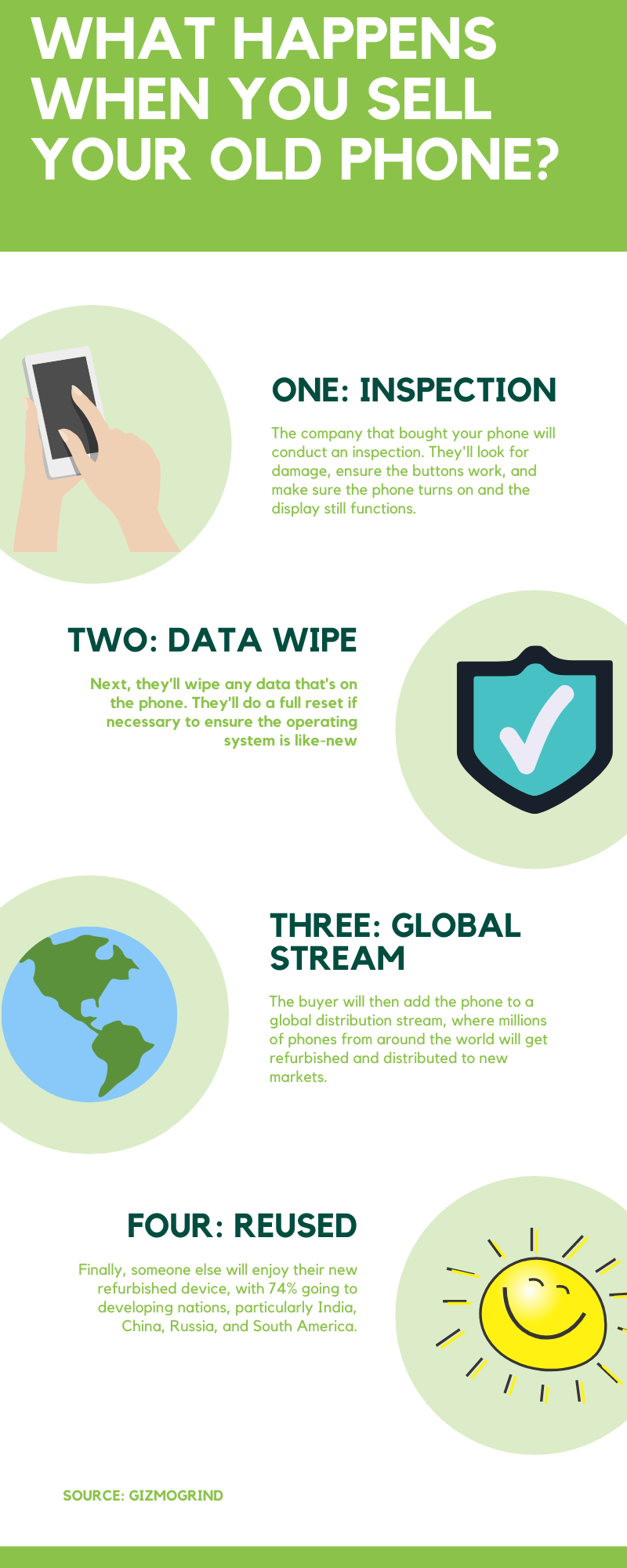
The first step in the trade-in process is the assessment of the device’s condition. This typically involves a visual inspection and a diagnostic check to evaluate its functionality. Retailers or third-party trade-in services employ grading systems that categorize phones based on factors like screen condition (scratches, cracks), casing integrity, battery health, and overall operational status. A phone in excellent, fully functional condition will receive a higher valuation than one with significant cosmetic damage or minor performance issues. This initial grading is crucial as it directly determines the trade-in value offered to the consumer and dictates the subsequent pathway the device will take. Devices deemed too damaged or obsolete may bypass refurbishment and head directly to specialized recycling centers.
Refurbishment and Resale: Breathing New Life into Old Tech
A significant portion of trade-in phones, particularly those in good to fair condition, are destined for refurbishment. This process involves thorough cleaning, cosmetic repairs (such as replacing worn-out batteries or minor casing damage), software restoration to factory settings, and rigorous testing to ensure full functionality. Refurbished phones are then resold, often at a reduced price compared to new devices, through various channels. This creates a secondary market for smartphones, making them accessible to a broader demographic, including budget-conscious consumers, students, or those who prefer not to invest in the latest flagship models. Retailers often offer warranties on refurbished devices, providing an added layer of consumer confidence. This strategy not only recoups costs for the initial sale but also extends the usable life of electronic devices, a key aspect of sustainable tech practices.
Component Harvesting and Parts Reclamation
For phones that are too heavily damaged to be fully refurbished, or for specific components that are still valuable, parts harvesting becomes the primary objective. Intact screens, functional cameras, working logic boards, and even batteries can be salvaged and used to repair other devices or sold as spare parts. This practice is particularly prevalent for older models where the cost of full refurbishment might outweigh the potential resale value. Specialized companies often handle this process, meticulously disassembling devices and sorting valuable components. This not only provides an income stream from otherwise discarded electronics but also reduces the demand for new replacement parts, further contributing to resource conservation within the tech supply chain.
The Economic Ecosystem of Phone Trade-Ins: More Than Just a Discount
The phone trade-in program is a sophisticated economic engine that benefits multiple stakeholders, from individual consumers to global technology corporations. It’s a carefully orchestrated system designed to manage inventory, stimulate new sales, and tap into a vast market for pre-owned devices.
Stimulating New Device Sales and Reducing Inventory
For manufacturers and retailers, trade-in programs are a powerful tool for driving sales of new devices. By offering a tangible discount or credit for an old phone, they significantly lower the barrier to entry for consumers considering an upgrade. This immediate financial incentive encourages purchasing decisions that might otherwise be deferred. Furthermore, trade-in programs help manage inventory. Instead of consumers holding onto multiple old devices, they are encouraged to trade them in, consolidating their old tech and making room for a new purchase. This inflow of used devices can then be managed through refurbishment and resale, creating an additional revenue stream and offsetting the cost of incentivizing new sales. It’s a cyclical process that keeps consumers engaged with the brand and the purchasing cycle.
The Secondary Market: A Boon for Affordability and Accessibility
The secondary market for refurbished and used phones is a crucial component of the trade-in ecosystem. It democratizes access to mobile technology, making smartphones affordable for individuals and communities who might not be able to afford brand-new devices. This includes developing nations where the cost of new electronics can be prohibitive, as well as students, low-income families, and anyone seeking a reliable yet budget-friendly option. Companies specializing in the refurbishment and resale of pre-owned electronics play a vital role here, ensuring quality control and offering warranties that build trust with consumers in this segment of the market. The growth of this market indicates a shift towards more sustainable consumption patterns and a recognition that perfectly functional technology doesn’t always need to be brand new.
Manufacturer and Retailer Strategies: Beyond Simple Transactions
Trade-in programs are not just about accepting old devices for a quick profit. They are integral to broader brand and marketing strategies. For manufacturers, collecting trade-in devices provides valuable insights into the lifespan and durability of their products, as well as common points of failure. This data can inform future design and manufacturing processes. Moreover, by managing the trade-in and refurbishment process, companies can maintain greater control over the quality of their brand’s pre-owned devices, ensuring that what’s resold reflects positively on the brand. Retailers, on the other hand, leverage trade-in offers to increase foot traffic, build customer loyalty, and create opportunities for upselling accessories or service plans with new device purchases. It transforms a simple transaction into a relationship-building exercise.
Environmental Implications: Closing the Loop on Electronic Waste
The ever-accelerating pace of technological advancement leads to a constant stream of discarded electronics, commonly known as e-waste. Phone trade-in programs, when executed responsibly, offer a promising avenue for mitigating this growing environmental challenge.
Reducing E-Waste and Conserving Resources
The primary environmental benefit of phone trade-in programs lies in their potential to significantly reduce the amount of electronic waste sent to landfills. When old phones are refurbished and resold, or when their components are harvested, their lifespan is extended, delaying their eventual disposal. This conserves valuable natural resources that would otherwise be required to manufacture new devices. The extraction of raw materials for electronics, such as rare earth metals, is often energy-intensive and environmentally damaging. By keeping devices in use for longer, trade-in programs contribute to a more circular economy, where resources are reused and recycled rather than being consumed and discarded.
The Importance of Responsible Recycling and Data Security
While refurbishment and resale are ideal outcomes, not all trade-in phones can be brought back into service. For devices that are truly at the end of their usable life, responsible recycling is paramount. This involves specialized facilities that can safely dismantle electronics and recover valuable materials like gold, silver, copper, and palladium, while properly disposing of hazardous substances such as lead and mercury. Consumers must also be assured of data security. Before handing over a device, it is crucial to perform a factory reset to wipe all personal data. Reputable trade-in programs will also ensure that data is securely erased during their refurbishment process, protecting consumers from potential privacy breaches. A robust trade-in program will prioritize secure data destruction as a fundamental step.

The Rise of the Circular Economy in Tech
The growing emphasis on phone trade-ins is a clear indicator of the shift towards a circular economy within the technology sector. Instead of the traditional linear “take-make-dispose” model, the circular economy focuses on keeping products and materials in use for as long as possible. Trade-in programs are a cornerstone of this paradigm, facilitating the collection, refurbishment, and redistribution of devices. This not only minimizes waste but also creates new business models and employment opportunities in areas like repair, refurbishment, and recycling. As consumers become more environmentally conscious and regulations around e-waste tighten, the importance of these circular practices will only continue to grow, fundamentally reshaping how we interact with and discard our electronic devices.
aViewFromTheCave is a participant in the Amazon Services LLC Associates Program, an affiliate advertising program designed to provide a means for sites to earn advertising fees by advertising and linking to Amazon.com. Amazon, the Amazon logo, AmazonSupply, and the AmazonSupply logo are trademarks of Amazon.com, Inc. or its affiliates. As an Amazon Associate we earn affiliate commissions from qualifying purchases.