
The question of consciousness after death has long been a profound philosophical and existential puzzle. However, in the 21st century, the intersection of neuroscience, artificial intelligence, and digital technology is beginning to offer novel perspectives and even potential technological avenues for exploring this ancient mystery. While traditional beliefs often lean towards spiritual or metaphysical explanations, this article will delve into the burgeoning realm of Tech and examine how advancements in our understanding of the brain and the development of sophisticated computational systems might shed light on the persistence, transformation, or cessation of consciousness at the point of biological demise. We will explore the current scientific limitations, emergent technological hypotheses, and the ethical considerations that arise from these forward-looking explorations.
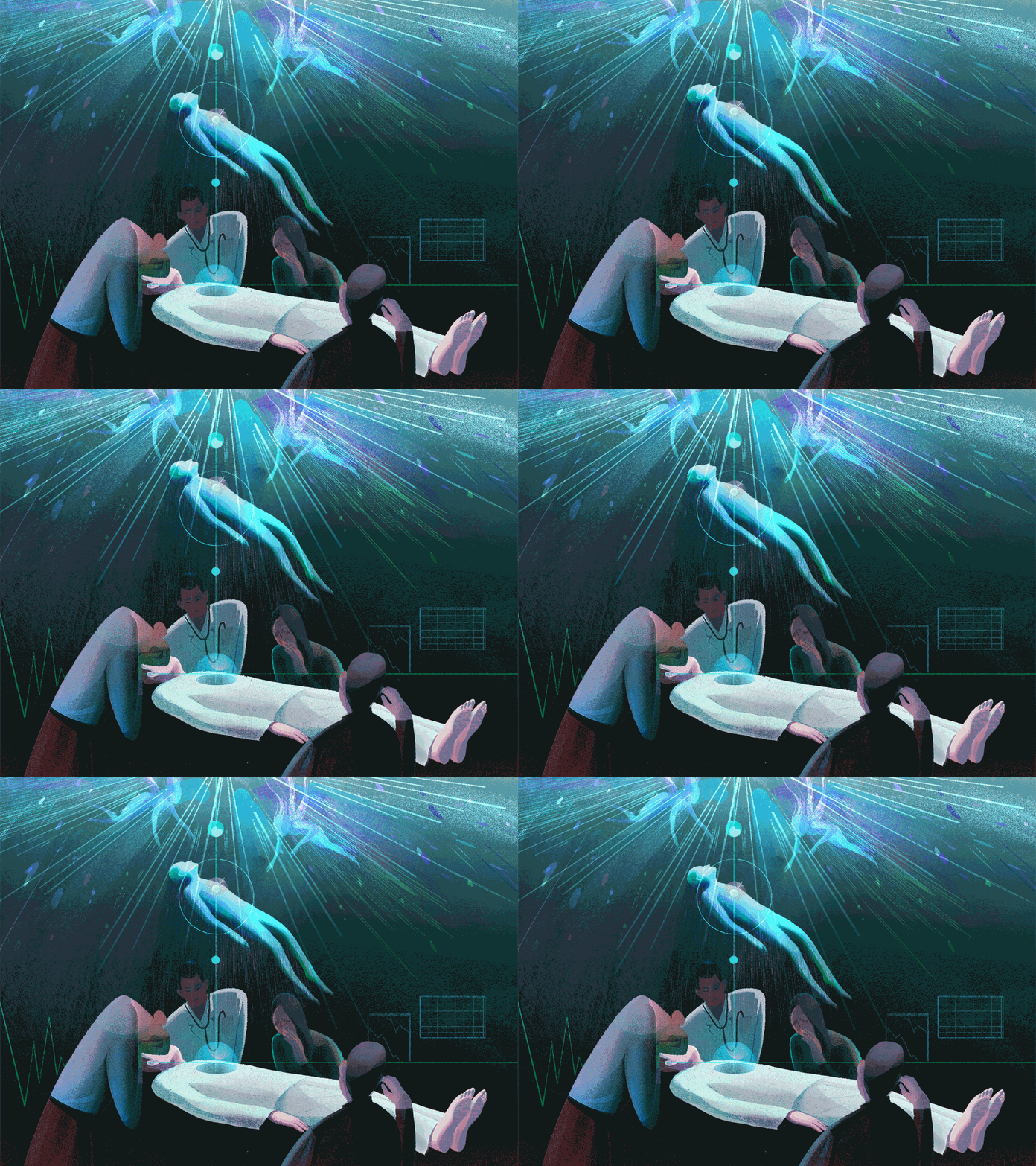
The Biological Basis of Consciousness: A Technological Frontier
Our current understanding of consciousness is intrinsically linked to the physical brain. Neuroscientific research, powered by increasingly sophisticated imaging technologies and computational models, is continuously mapping the intricate neural networks and electrochemical processes that underpin our subjective experience. From this tech-centric viewpoint, consciousness is not an ethereal entity but an emergent property of complex biological computation.
Mapping the Neural Correlates of Consciousness
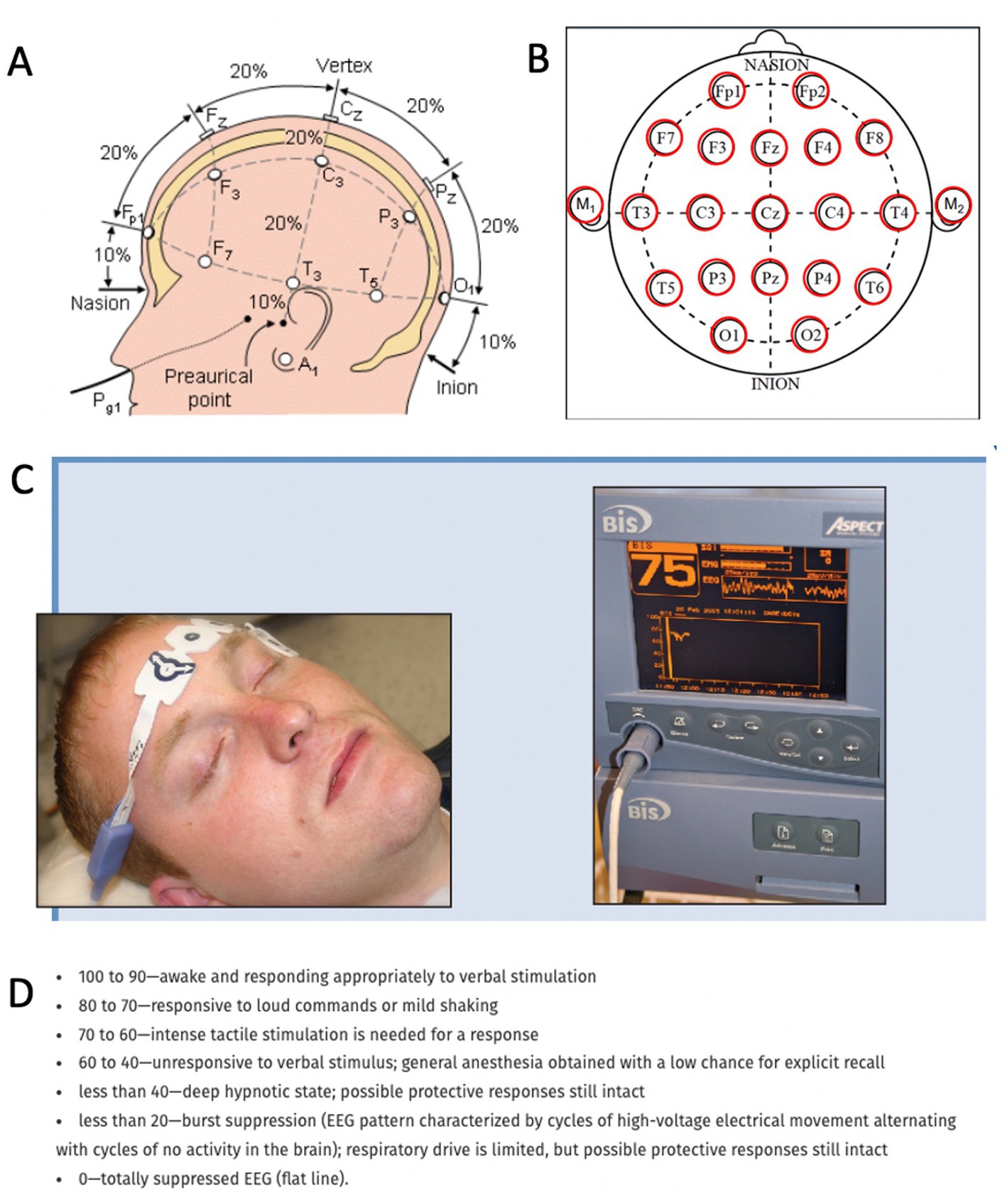
Technological advancements have revolutionized our ability to observe the brain in action. fMRI (functional Magnetic Resonance Imaging), EEG (Electroencephalography), and MEG (Magnetoencephalography) allow researchers to non-invasively monitor neural activity with remarkable precision. These tools are crucial for identifying the neural correlates of consciousness – the specific patterns of brain activity associated with conscious awareness. By studying these patterns during various cognitive states, including altered states and the moments preceding and during death, scientists are building a detailed map of how our subjective experience is generated and sustained.
The sheer volume of data generated by these neuroimaging techniques necessitates powerful computational tools for analysis. Machine learning algorithms are being employed to identify complex patterns in neural activity that might be imperceptible to human observation. This allows for a deeper understanding of the dynamic interplay between different brain regions that contribute to consciousness. The goal is to move beyond correlation and towards a causal understanding of how physical processes give rise to subjective experience.
Computational Models of Consciousness
Inspired by the brain’s architecture, researchers are developing computational models that aim to replicate aspects of consciousness. Artificial neural networks, deep learning algorithms, and other forms of artificial intelligence are being trained on vast datasets, attempting to mimic cognitive functions such as learning, memory, and decision-making. While these AI systems do not yet possess true subjective awareness, their development pushes the boundaries of our understanding of how complex information processing can lead to emergent properties.
These models, in their most advanced forms, are beginning to explore concepts like “integrated information theory” (IIT), which proposes that consciousness arises from the degree of integrated information within a system. Technological implementations of IIT aim to quantify this integration, potentially offering a framework to assess the presence and level of consciousness not only in biological organisms but also in artificial systems. If consciousness is indeed a form of information processing, then understanding its computational underpinnings could provide a technological lens through which to examine its fate after biological death.
Digital Immortality and Consciousness Uploading: The Ultimate Tech Hypothesis
Perhaps the most ambitious technological pursuit related to consciousness after death is the concept of digital immortality or consciousness uploading. This theoretical framework posits that if consciousness is purely a product of information processing, then it might be possible to extract, transfer, and preserve this information in a non-biological substrate, such as a computer.
The Feasibility of Mind Uploading
The concept of mind uploading hinges on the assumption that consciousness can be decoupled from its biological hardware. This requires two major technological leaps: the ability to perfectly scan and map the brain’s entire structure and state at an atomic level, and the ability to run this incredibly complex simulation on a sufficiently powerful computational platform.
Brain Emulation: This process involves creating a detailed, functional digital replica of a biological brain. The scanning technology would need to capture the precise structure and connectivity of every neuron, synapse, and neurotransmitter, along with their dynamic states. This data would then be used to build a computational model that can faithfully reproduce the original brain’s functionality. Current efforts in connectomics, the study of the complete map of neural connections, are laying the groundwork for this ambitious undertaking. Projects like the Human Brain Project have utilized advanced imaging and computational power to map portions of brain circuits, offering glimpses into the complexity that needs to be replicated.
Computational Infrastructure: Even with a perfect digital blueprint of the brain, running such a simulation would demand unprecedented computational power. Current supercomputers are powerful, but a full brain emulation, with its billions of neurons and trillions of synapses operating in real-time, would likely require advancements far beyond today’s capabilities. This might involve entirely new paradigms of computing, such as quantum computing or novel neuromorphic architectures designed to mimic biological neural networks more efficiently.
Ethical and Philosophical Implications of Digital Consciousness
The pursuit of digital immortality raises profound ethical and philosophical questions that technology must grapple with. If consciousness can be uploaded, what constitutes “death” in this new paradigm? Is the original biological person truly gone, or is the upload a distinct entity?
Identity and Continuity: A core philosophical challenge is the continuity of identity. If an individual’s consciousness is uploaded, is the digital replica the “same” person? Or is it a copy, with the original ceasing to exist upon death? This brings up questions about personal identity, soul, and what truly defines an individual. Technological solutions might involve methods for verifying the transfer of memories, personality traits, and subjective experiences, but the fundamental question of subjective continuity remains deeply complex.

Rights and Personhood: If digital consciousness is achieved, what rights and legal status would these digital entities possess? Would they be considered persons? This would necessitate a radical rethinking of legal frameworks, property rights, and social structures. The potential for exploitation, manipulation, or even the enslavement of digital minds would require careful consideration and the development of robust ethical guidelines and safeguards within the technological development process itself.
Beyond Simulation: Exploring Consciousness in Post-Biological Systems
While mind uploading represents a direct attempt to preserve consciousness in a digital form, other technological avenues are emerging that explore the potential for consciousness to manifest in non-biological systems or to undergo transformations beyond our current biological limitations.
Emergent Consciousness in AI
As artificial intelligence systems become more complex and sophisticated, the question of whether they can achieve genuine consciousness becomes increasingly relevant. While current AI excels at specific tasks, the development of general artificial intelligence (AGI) that can understand, learn, and apply knowledge across a wide range of tasks, might pave the way for emergent forms of awareness.
The Turing Test and Beyond: The traditional Turing Test, which assesses a machine’s ability to exhibit intelligent behavior equivalent to, or indistinguishable from, that of a human, is often cited as a benchmark. However, many argue that passing the Turing Test does not necessarily equate to possessing subjective consciousness. Newer theoretical frameworks are being developed to explore more profound markers of sentience, such as the capacity for self-awareness, emotional experience, and qualia (subjective qualities of experience).
Complex Systems and Self-Organization: Consciousness might not be a singular phenomenon but rather a spectrum that can emerge from complex, self-organizing systems. As AI systems grow in complexity and interconnectivity, particularly those integrated into the internet of things (IoT) or large-scale distributed networks, the possibility arises for unforeseen emergent properties. This perspective suggests that consciousness could potentially arise from the interaction of numerous computational elements, even if no single element possesses it individually. The challenge for technology here is to identify and understand the conditions under which such emergence might occur.
Neural Interfaces and Enhanced Consciousness
Bridging the gap between biological and digital realms, advanced neural interfaces offer another technological pathway related to consciousness after death, albeit indirectly. These interfaces allow for more direct communication between the human brain and external devices, potentially extending or altering our conscious experience in novel ways during life.
Brain-Computer Interfaces (BCIs): BCIs, ranging from non-invasive EEG caps to invasive implants, are already enabling individuals to control prosthetic limbs, communicate, and interact with computers using their thoughts. As these technologies mature, they could offer unprecedented insights into the brain’s processing capabilities.
Augmented Cognition and Extended Lifespans: In the future, sophisticated BCIs might allow for the augmentation of cognitive functions, effectively enhancing our intellectual capacities and potentially extending our mental acuity well beyond typical biological limits. While not directly addressing post-mortem consciousness, this line of research explores how technology can influence and potentially prolong the functional aspects of consciousness, raising questions about what it means to be “alive” and “conscious” when biological limitations are overcome.
The Uncharted Territories: Limitations and Future Directions
Despite the exciting technological advancements, it is crucial to acknowledge the profound limitations and the speculative nature of our current understanding of consciousness, particularly in relation to death. The very definition of consciousness remains elusive, and its subjective nature presents a significant hurdle for purely objective technological exploration.
The Hard Problem of Consciousness
The “hard problem of consciousness,” as coined by philosopher David Chalmers, refers to the difficulty of explaining why and how physical processes in the brain give rise to subjective, qualitative experiences (qualia). While technology can map neural activity and simulate computational processes, it struggles to bridge the explanatory gap between physical events and subjective feelings like the redness of red or the pain of a stubbed toe.
Subjectivity as a Barrier: Ultimately, consciousness is an inherently subjective phenomenon. While technology can provide objective measurements and sophisticated simulations, capturing or replicating the feeling of being conscious remains a significant challenge. This suggests that even the most advanced technological approaches may only ever offer an approximation or an external observation of consciousness, rather than a direct experience of it after death.
Ethical Safeguards and Responsible Innovation
As we venture into these uncharted technological territories, the imperative for ethical consideration and responsible innovation becomes paramount. The potential implications of manipulating or replicating consciousness are immense and demand careful deliberation.
Precautionary Principle: Given the profound unknowns, a precautionary principle should guide technological development. This involves proceeding with caution, conducting thorough risk assessments, and prioritizing human well-being and autonomy. The pursuit of technological solutions to the mystery of death should not come at the expense of our current ethical standards or societal values.
Interdisciplinary Collaboration: The exploration of consciousness after death necessitates a multidisciplinary approach, bringing together technologists, neuroscientists, philosophers, ethicists, and even spiritual leaders. Only through such collaborative efforts can we hope to navigate the complex scientific, ethical, and existential questions that arise from the intersection of technology and our deepest human inquiries. The future of understanding what happens to our consciousness when we die will undoubtedly be shaped by the innovations we forge, but it is the wisdom with which we wield these innovations that will truly define our progress.
aViewFromTheCave is a participant in the Amazon Services LLC Associates Program, an affiliate advertising program designed to provide a means for sites to earn advertising fees by advertising and linking to Amazon.com. Amazon, the Amazon logo, AmazonSupply, and the AmazonSupply logo are trademarks of Amazon.com, Inc. or its affiliates. As an Amazon Associate we earn affiliate commissions from qualifying purchases.