
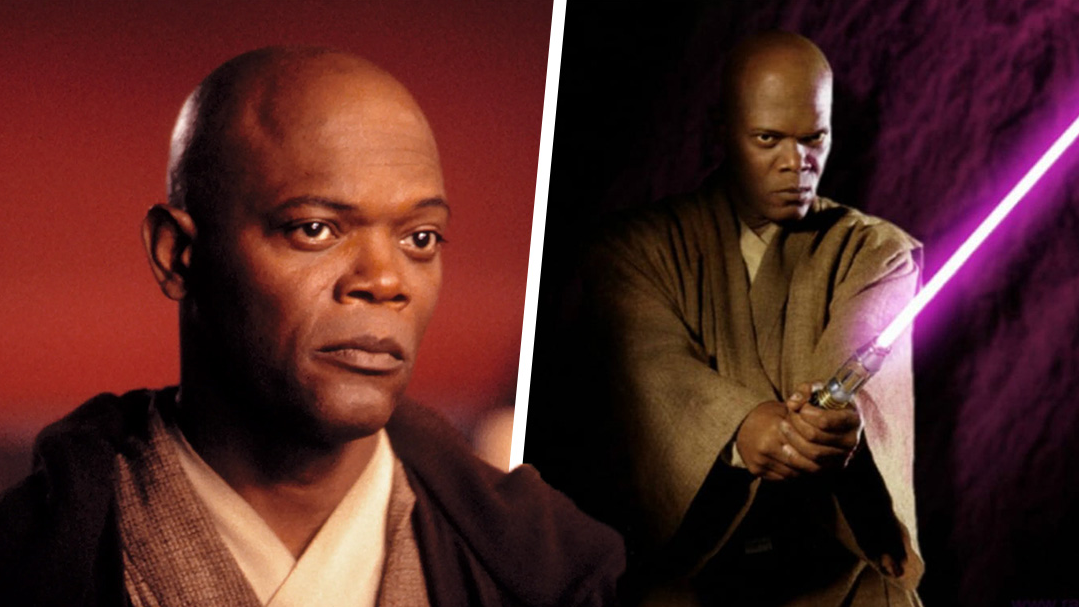
The enduring legacy of fictional characters is a testament to the power of strong branding and compelling narrative design. Among the most iconic figures in the Star Wars saga, Jedi Master Mace Windu stands out. His distinctive purple lightsaber, his stoic demeanor, and his pivotal role in the Clone Wars and the fall of the Republic have solidified his place in the hearts of fans. However, the question of his ultimate fate—specifically, what happens to Mace Windu after his confrontation with Emperor Palpatine in Revenge of the Sith—remains a subject of intense discussion and speculation, offering a fascinating case study in character brand longevity and the strategic management of narrative arcs within a vast fictional universe.

The very question “what happens to Mace Windu” transcends a simple plot point; it delves into the intricate mechanisms that sustain a character’s presence and relevance in the collective consciousness of an audience. It speaks to the desire for resolution, the fascination with what-ifs, and the underlying appreciation for a character’s established brand identity. This exploration will examine how his narrative trajectory, both within the canon and through extended universe explorations, has shaped his enduring appeal and the lessons it offers for any brand seeking to cultivate lasting impact.
The Deconstruction of a Jedi Master: Canonical Uncertainties and Fan Interpretations
Mace Windu’s on-screen demise in Revenge of the Sith is a moment of profound shock and narrative significance. His apparent death at the hands of a supremely powerful and corrupted Emperor Palpatine is a cornerstone of the tragic downfall of the Jedi Order. However, the ambiguity surrounding his final moments has, perhaps unintentionally, become a powerful tool in maintaining his brand relevance, fostering a dedicated fan base that yearns for his survival and continued narrative.
The “Canon” Ending: A Tragic but Definitive Departure?
In the final act of Revenge of the Sith, Mace Windu is at the apex of his power, confronting Emperor Palpatine in his office. In a tense duel, Windu manages to disarm the Emperor, but is then betrayed by Anakin Skywalker, who intervenes and severs Windu’s lightsaber hand. Palpatine, seizing the opportunity, unleashes Force Lightning on Windu, seemingly disintegrating him. This is the definitive ending presented in the original film, a critical narrative beat designed to signal the absolute victory of the Sith and the utter destruction of the Jedi leadership.
From a narrative branding perspective, this is a bold move. It positions Windu as a key sacrifice in the grand tapestry of the Star Wars story, elevating the stakes of Palpatine’s victory and Anakin’s fall. His death, by all appearances, solidifies his status as a fallen hero, a martyr whose legacy is defined by his final moments of defiance against overwhelming darkness. This perceived finality, while devastating for fans, can also contribute to a character’s lasting mystique. It prevents the character from becoming diluted through potentially weaker subsequent appearances and instead solidifies their iconic status.
The “Legends” Era: A Ghost of Possibilities
Prior to the Disney acquisition and the establishment of a new canon, the Expanded Universe (often referred to as “Legends”) explored Mace Windu’s fate in much greater detail. In these non-canonical but widely beloved stories, it was revealed that Mace Windu did not die. Instead, he survived the encounter with Palpatine, albeit severely injured and disfigured. He was rescued by Jedi loyalists and went on to play a crucial role in rebuilding the Jedi Order in the aftermath of the Galactic Empire’s reign.
This divergence between canon and Legends is a fascinating aspect of character brand management. For years, fans clung to the Legends narrative, using it as a blueprint for how their beloved Master could have survived. This survival allowed for continued adventures, the exploration of his healing and rebuilding process, and the satisfaction of seeing a central hero overcome seemingly insurmountable odds. The existence of these “what-if” scenarios, fueled by rich Legends material, kept the Mace Windu brand alive and vibrant in the minds of fans, demonstrating the power of extended narrative content in sustaining character interest.
The Resurgence of a Narrative Brand: Canon Retcons and the Power of Ambiguity
The establishment of the new Disney canon presented a unique challenge and opportunity for characters like Mace Windu. While his death in Revenge of the Sith remained a central event, the possibility of subtle retcons or the introduction of new narrative elements that allowed for his survival, or at least a more nuanced understanding of his fate, became a tantalizing prospect for both creators and fans. The very ambiguity of his final moments, initially a narrative device, transformed into a potent source of continued brand engagement.
The “Canon” Evolution: Hints of Survival and Extended Influence
While the core film depiction of Windu’s death remains intact, subsequent canon materials have subtly altered the perception of his fate. For instance, in the comic series Darth Vader: Dark Lord of the Sith, it is revealed that a young Force-sensitive named Chirrut Îmwe from Rogue One had been trained by a former Jedi who survived Order 66. This former Jedi is often theorized to be Mace Windu, or at least someone profoundly influenced by him, suggesting a ripple effect of his teachings and potential survival.
Furthermore, the novel Aftermath: Life Debt introduces a character who claims to be Mace Windu. While this character’s identity is ultimately revealed to be an imposter, the very existence of such a claim within the canon highlights the enduring legend and the widespread belief in his potential survival. These narrative choices, while not directly contradicting his on-screen demise, effectively keep the door open for his return or at least acknowledge his lingering influence. This careful balancing act ensures that the character’s brand remains potent without undermining the integrity of the original story. It’s a sophisticated form of brand extension, leveraging existing lore to create new avenues of interest.
The “Canon Compliant” Legacy: A Master’s Influence Beyond Existence
Even if Mace Windu is definitively deceased, his influence continues to shape the Star Wars universe. His teachings, his philosophy, and his actions before his death have a lasting impact on the characters who survived him and the future of the Jedi Order. The legacy of a brand is not solely defined by its continued presence but also by the enduring impact it has had. Windu’s unwavering commitment to justice and his unique perspective on the Force continue to resonate, inspiring new generations of characters and fans alike.
This approach to character branding is akin to how iconic figures in history continue to influence thought and action long after their passing. Their philosophies, their innovations, and their societal contributions become embedded in the collective consciousness. For Mace Windu, his brand transcends his physical presence. He represents a specific era of Jedi leadership, a pivotal figure in the Republic’s collapse, and a symbol of both the Order’s strengths and its ultimate failings. His brand is woven into the very fabric of the Star Wars narrative, ensuring his relevance even in his absence.
The Strategic Importance of Character Arcs: Lessons for Brand Longevity
The ongoing saga of Mace Windu’s fate offers valuable insights into the strategic management of character brands, particularly within dynamic and expansive fictional universes. The way his story has been handled—from his definitive on-screen death to the lingering questions and extended universe explorations—demonstrates a nuanced understanding of how to maintain audience engagement and preserve the potency of a brand over time.
Narrative Ambiguity as a Brand Sustainment Tool
The very uncertainty surrounding Mace Windu’s death has been a significant factor in his continued popularity. This ambiguity serves as a powerful tool for narrative sustainment. It invites discussion, fuels fan theories, and allows for the possibility of future reinterpretations or revelations. For any brand, particularly in the entertainment industry, this ability to remain a subject of conversation without being actively present is a remarkable feat. It keeps the brand relevant, preventing it from fading into obscurity. This is achieved by consistently offering new angles, whether through canonical hints or the enduring appeal of Legends narratives.
The Power of Iconic Moments and Enduring Traits
Mace Windu’s brand is built on a foundation of iconic traits: his distinctive lightsaber, his profound connection to the Force, his role as a senior member of the Jedi Council, and his unwavering moral compass. These elements create a strong, recognizable brand identity. Even if his ultimate fate remains debated, these foundational aspects ensure his recognition and appeal. When a character possesses such distinct and memorable attributes, their brand becomes more resilient to the ebb and flow of narrative development. They become archetypes that can be revisited and reinterpreted, maintaining their impact across different storytelling mediums.

Evolution and Adaptation: The Key to Sustained Relevance
The Star Wars universe has continuously evolved since its inception. Characters and their narratives must adapt to remain relevant. The handling of Mace Windu’s story exemplifies this. While his on-screen death was a critical plot point, the subsequent exploration of his legacy, the hints of his survival, and the continued presence of his influence demonstrate a commitment to keeping him a significant, albeit perhaps posthumous, player in the narrative. This strategic adaptation ensures that the character’s brand does not become static but continues to resonate with new generations of fans. It highlights that a brand’s longevity is not just about its initial creation but its ability to be reimagined and recontextualized within an evolving landscape. The question of “what happens to Mace Windu” continues to generate interest because his narrative, and thus his brand, has been allowed to persist in various forms, demonstrating a masterclass in character brand management.
aViewFromTheCave is a participant in the Amazon Services LLC Associates Program, an affiliate advertising program designed to provide a means for sites to earn advertising fees by advertising and linking to Amazon.com. Amazon, the Amazon logo, AmazonSupply, and the AmazonSupply logo are trademarks of Amazon.com, Inc. or its affiliates. As an Amazon Associate we earn affiliate commissions from qualifying purchases.