
The human brain, an intricate biological marvel, dictates every facet of our existence, from conscious thought to subconscious reflexes. Within its complex architecture, the parietal lobe plays a critical, often underestimated, role in how we perceive the world, navigate physical and digital spaces, and interact with tools. Damage to this vital region, whether from trauma, stroke, tumor, or degenerative disease, does not merely impact basic sensory functions; it profoundly alters an individual’s capacity to engage with and benefit from technology, and conversely, it underscores the evolving role of technology in diagnosis, rehabilitation, and compensatory strategies.
The Parietal Lobe’s Pivotal Role in Digital Interaction
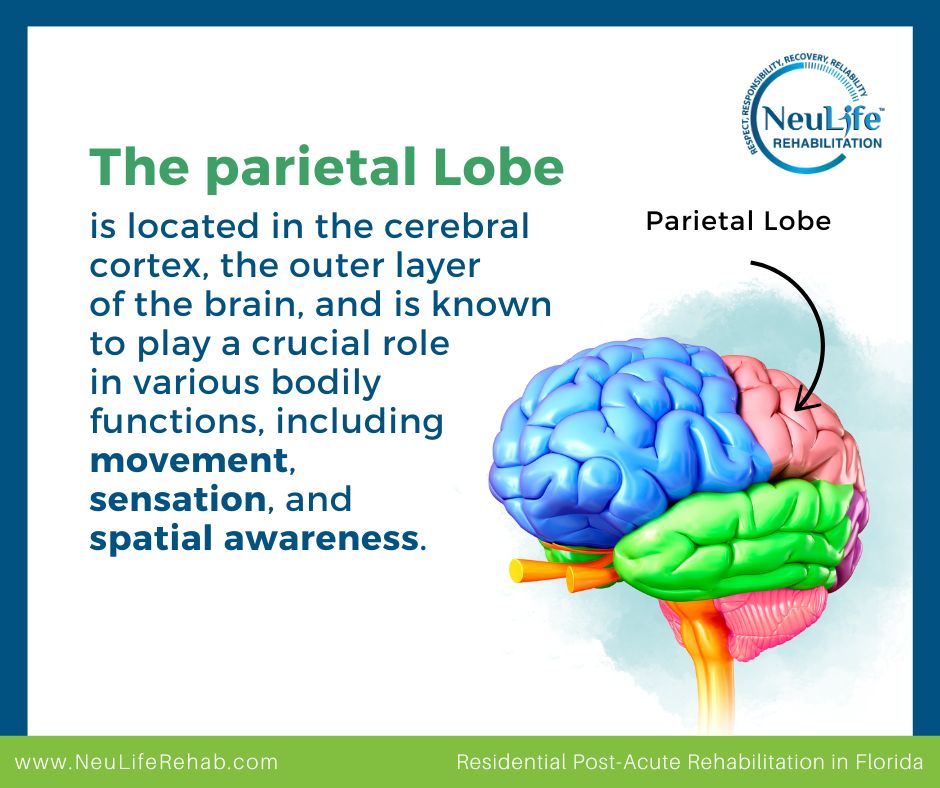
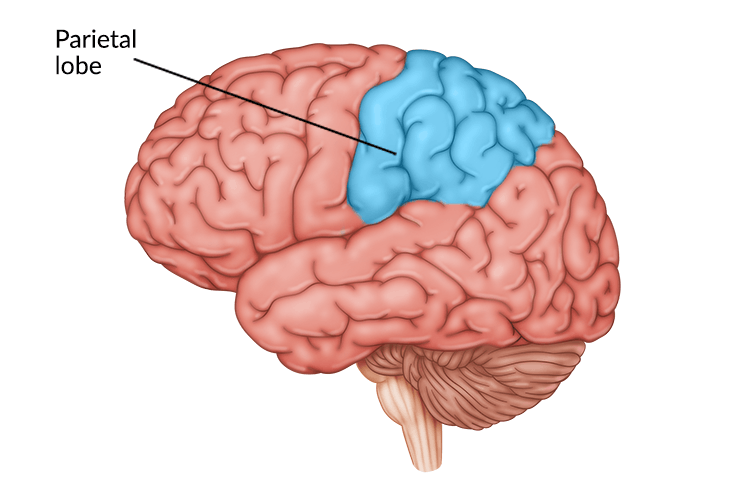
The parietal lobes, situated at the top and back of each cerebral hemisphere, are multimodal integration centers. They are the brain’s primary hubs for processing sensory information (touch, temperature, pain, pressure), spatial awareness, navigation, and integrating visual and auditory data with motor actions. These functions are inherently critical for interacting with the digital world, even if subtly.
Spatial Awareness and Navigation
One of the most defining functions of the parietal lobe is its role in spatial processing. This includes understanding where our body is in space (proprioception) and where objects are relative to us. In the context of technology, this translates to our ability to navigate a digital interface, whether it’s understanding the layout of an application on a screen, tracking a cursor, or orienting ourselves within a virtual reality environment. The right parietal lobe, in particular, is dominant in processing visuospatial information.
Somatosensation and Haptic Feedback
The primary somatosensory cortex, located in the anterior part of the parietal lobe, is responsible for processing touch, pain, temperature, and proprioception. In the digital realm, this function is crucial for interpreting haptic feedback from smartphones, game controllers, or specialized input devices. It informs our grip on a gadget, the precision of a touchscreen swipe, and the tactile confirmation of a virtual button press.
Tool Use and Object Manipulation
The parietal lobe is intricately involved in praxis – the ability to plan and execute skilled movements, especially those involving tools. Modern technology, from smartphones to complex machinery, essentially functions as an extension of our digital tools. The ability to manipulate a mouse, type on a keyboard, or accurately tap an icon on a tablet screen relies heavily on the parietal lobe’s capacity for visuomotor integration and understanding object properties.
Impaired Tech Engagement: Challenges and Manifestations
Damage to the parietal lobe can lead to a spectrum of neurological deficits, each with specific implications for technology interaction. The manifestation often depends on which hemisphere is affected and the precise location and extent of the damage.
Right Parietal Lobe Damage: Neglect and Spatial Disorientation
Damage to the right parietal lobe frequently results in hemispatial neglect, where individuals fail to attend to stimuli on the contralateral (left) side of their body or environment. In a technological context, this can be profoundly disabling:
- Screen Interaction: An individual might only read or interact with the right side of a computer screen, missing icons, notifications, or text on the left. Navigating complex interfaces with elements distributed across the display becomes nearly impossible.
- Virtual Reality (VR) and Augmented Reality (AR): Engagement in immersive digital environments is severely compromised. Users may entirely miss virtual objects or navigational cues appearing on their neglected side, leading to disorientation and frustration.
- GPS Navigation Apps: Difficulty integrating visual map data with their physical environment, struggling to follow directional cues, especially those pertaining to left turns or objects on the left side of the road.
- Gadget Manipulation: Problems finding and operating buttons or controls located on the left side of a device, or handling objects with two hands symmetrically.
Left Parietal Lobe Damage: Apraxia and Aphasia
Damage to the left parietal lobe is often associated with apraxia (difficulty with skilled movements) and certain forms of aphasia (language disorders), especially if the damage extends to adjacent temporal lobe areas.
- Tool Apraxia: Individuals may struggle with the correct use of everyday tools, including digital devices. They might know what a smartphone is for but be unable to execute the sequence of actions required to unlock it, make a call, or open an app. This extends to manipulating a mouse or keyboard effectively.
- Ideomotor Apraxia: Difficulty performing learned movements on command or imitation. Simple gestures required for touchscreen interfaces (swipe, pinch, zoom) can become challenging.
- Constructional Apraxia: Inability to copy, draw, or construct simple designs, impacting tasks like arranging digital objects, using design software, or even understanding spatial relationships within software interfaces.
- Gerstmann’s Syndrome: A cluster of symptoms including finger agnosia (inability to identify fingers), agraphia (difficulty writing), acalculia (difficulty with math), and left-right disorientation. This directly impairs digital communication (typing, using digital pens), financial app usage, and navigational precision.
Leveraging AI and Software for Diagnosis and Support

The complexities of parietal lobe damage necessitate sophisticated diagnostic and assistive technologies. AI and specialized software are becoming indispensable tools in both identifying deficits and providing compensatory mechanisms.
AI in Diagnostics and Prognosis
- Image Analysis: AI algorithms can analyze MRI, CT, and fMRI scans with unparalleled speed and accuracy, identifying subtle lesions, atrophy patterns, and functional connectivity changes within the parietal lobe that might be missed by the human eye. This assists in early and precise diagnosis.
- Predictive Analytics: Machine learning models can process vast datasets of patient information (symptom profiles, demographic data, imaging results) to predict the likely progression of damage or the effectiveness of different rehabilitation strategies, allowing for personalized intervention planning.
- Cognitive Assessment Platforms: AI-powered software tools offer adaptive cognitive assessments that can precisely quantify deficits in spatial awareness, attention, memory, and motor planning. These platforms can adjust difficulty in real-time and track subtle improvements or declines over time, providing valuable data for clinicians and researchers.
Specialized Software for Cognitive Remediation
- Attention Training Software: Programs designed to improve attention and reduce neglect by presenting stimuli on the affected side, often with gamified elements to maintain engagement.
- Spatial Navigation Training: Software that creates virtual environments where users practice navigation tasks, helping to rebuild spatial maps and improve orientation. These can range from simple maze games to complex simulations of real-world environments.
- Language and Praxis Rehabilitation Apps: Applications that provide structured exercises for improving written communication, mathematical skills, and the execution of sequential motor tasks, directly addressing Gerstmann’s Syndrome components and apraxia.
Assistive Tech and Digital Gadgets: Bridging the Gap
Beyond diagnostics and remediation, technological advancements offer tangible solutions to help individuals with parietal lobe damage navigate daily life and interact more effectively with their environment.
Adaptive Interfaces and Input Methods
- Customizable Operating Systems: Software environments that allow extensive customization of screen layout, icon size, contrast, and input methods to accommodate visual neglect or motor difficulties.
- Eye-Tracking Technology: For individuals with severe motor apraxia, eye-tracking systems allow users to control computers, smart home devices, and communication apps simply by gazing at on-screen elements, bypassing manual manipulation entirely.
- Voice Control and Smart Assistants: Voice-activated technologies provide an alternative input method, reducing reliance on manual dexterity and spatial orientation. Users can dictate messages, initiate calls, control media, and access information without touching a screen.
- Haptic Feedback Devices: While damage might impair interpretation, haptic devices can be carefully designed to provide enhanced or alternative tactile cues, potentially aiding in navigation or object recognition for some users.
Augmented Reality (AR) and Virtual Reality (VR) for Rehabilitation
- AR for Neglect: AR applications can overlay visual cues onto the real world, highlighting neglected areas of space or objects, essentially “reminding” the user to attend to them. This can be used for navigating public spaces or locating items within their home.
- VR for Spatial Training: Immersive VR environments offer controlled, repeatable scenarios for spatial training, navigation practice, and motor skill development. The ability to manipulate virtual objects and receive immediate feedback can be highly therapeutic, especially for improving constructional praxis and visuomotor coordination.
- Digital Twins for Personalized Therapy: Creating a digital twin of a patient’s home environment in VR/AR can allow therapists to design highly personalized and relevant rehabilitation tasks that directly mimic real-world challenges.
The Future of Neuro-Tech for Parietal Lobe Recovery
The intersection of neuroscience and technology is a rapidly expanding frontier, promising even more innovative solutions for parietal lobe damage.
Brain-Computer Interfaces (BCIs)
For individuals with profound motor and communication deficits, BCIs offer a revolutionary pathway. By directly translating brain signals into control commands for external devices, BCIs can bypass damaged neural pathways, enabling communication, environmental control, and even prosthetic limb manipulation. While still largely in research phases, BCIs hold immense potential for restoring autonomy.
Wearable Sensors and Biofeedback
Advanced wearable sensors can monitor physiological responses during cognitive tasks, providing real-time biofeedback. This data can be used to optimize rehabilitation protocols, indicating when a patient is most engaged or when cognitive load is excessive, thus tailoring the digital therapy experience more precisely.
Neurostimulation and Personalized Digital Interventions
Combining targeted non-invasive neurostimulation techniques (e.g., transcranial magnetic stimulation, tDCS) with personalized digital cognitive training programs could enhance neural plasticity and recovery in damaged parietal regions. Future technologies might involve smart implants that deliver precise electrical or chemical stimulation to promote healing and function.
In conclusion, damage to the parietal lobe significantly impedes an individual’s ability to seamlessly interact with the technology that permeates modern life. From navigating a smartphone interface to understanding digital maps, the core functions of this brain region are indispensable. However, the relentless pace of technological innovation, particularly in AI, software development, and assistive devices, offers increasingly sophisticated tools for diagnosis, rehabilitation, and compensatory strategies, promising to mitigate the profound impact of such neurological impairment and enhance the quality of life for those affected.
aViewFromTheCave is a participant in the Amazon Services LLC Associates Program, an affiliate advertising program designed to provide a means for sites to earn advertising fees by advertising and linking to Amazon.com. Amazon, the Amazon logo, AmazonSupply, and the AmazonSupply logo are trademarks of Amazon.com, Inc. or its affiliates. As an Amazon Associate we earn affiliate commissions from qualifying purchases.