
The question “What happened to Warzone Mobile?” has echoed through the digital gaming landscape, particularly among those who eagerly anticipated its global launch. Initially positioned as a flagship mobile title designed to replicate the intense, large-scale battle royale experience of its PC and console counterparts, Warzone Mobile’s journey has been anything but straightforward. After a protracted period of staggered regional releases, soft launches, and an eventual global rollout that underperformed expectations, many players and industry observers are left pondering the reasons behind its lukewarm reception and the apparent stumbles in its development and deployment. This isn’t merely a post-mortem of a single game; it’s an examination of the complex challenges inherent in bringing a beloved, demanding franchise to the highly competitive and diverse mobile gaming market. The issues surrounding Warzone Mobile touch upon technical hurdles, strategic missteps, and the ever-present battle for player attention and retention in the mobile ecosystem.
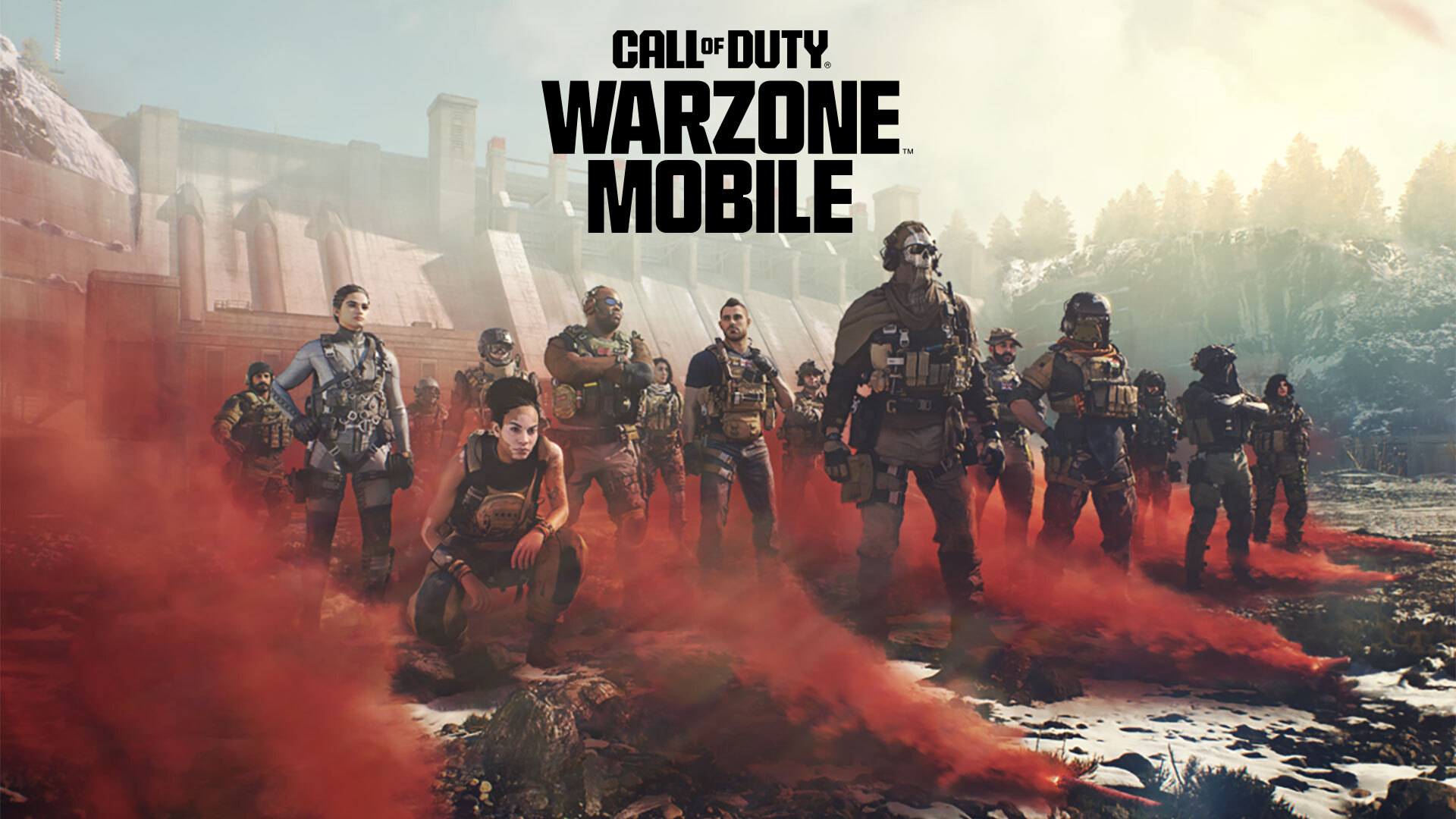
The Rocky Road to Global Release: Delays and Disappointments
Warzone Mobile’s path to a worldwide audience was anything but a smooth ascent. The game underwent an unusually lengthy and fragmented launch process, marked by extended beta phases and regional exclusivity that generated both anticipation and frustration. This deliberate, phased approach, while sometimes employed to iron out kinks and gauge player feedback, ultimately contributed to a sense of uncertainty and a diluted initial impact.
Staggered Launches and Extended Beta Periods
The initial rollout strategy for Warzone Mobile involved a series of regional soft launches, beginning in late 2022 and continuing through much of 2023. These periods were crucial for developers to test server infrastructure, gameplay mechanics, and monetization strategies in real-world conditions. However, the prolonged nature of these tests meant that a significant portion of the global player base was left waiting, fueling speculation and diminishing the collective hype that a simultaneous global launch might have generated. Players in unreleased regions often relied on unofficial methods to access the game, leading to fragmented communities and inconsistent early experiences. This slow burn approach, intended perhaps to build momentum, arguably had the opposite effect, allowing initial excitement to wane and competitors to solidify their positions.
Underwhelming Initial Performance and Player Retention Challenges
When Warzone Mobile finally achieved its global launch in March 2024, the reception was, by many accounts, underwhelming. While initial download numbers were strong, driven by the established Warzone brand, the game struggled to retain players in the long term. Reports of technical issues, including bugs, performance inconsistencies across a wide range of devices, and server instability, plagued the early days of the global release. Furthermore, the core gameplay loop, while familiar to fans, may not have resonated as strongly with the broader mobile audience, accustomed to different pacing and control schemes. The game’s ambitious scope, aiming to replicate the full Warzone experience, presented significant technical demands that not all mobile hardware could adequately meet, leading to a compromised experience for many. This technical friction, coupled with potential design choices that favored existing fans over new mobile-centric players, contributed to a rapid drop-off in active users shortly after launch.
Technical Hurdles and the Mobile Ecosystem Reality
Bringing a AAA battle royale experience like Warzone to mobile is an undertaking fraught with immense technical challenges. The disparity in hardware capabilities, battery life, and network conditions between mobile devices and dedicated gaming platforms creates a unique set of obstacles that developers must overcome. Warzone Mobile’s struggles highlight the difficulty of bridging this gap effectively.
Performance Optimization Across Diverse Hardware
The sheer diversity of mobile devices presents a monumental challenge for game developers. Unlike PCs and consoles, which operate within more standardized hardware configurations, the Android and iOS ecosystems encompass a vast spectrum of processors, GPUs, RAM capacities, and screen resolutions. Achieving a consistent and smooth gameplay experience across this spectrum is exceptionally difficult. Warzone Mobile, with its demanding graphics and complex simulation, likely strained even high-end devices while delivering a significantly compromised experience on mid-range and lower-end hardware. This can lead to frustration for players whose devices cannot keep up, directly impacting their enjoyment and, consequently, their decision to continue playing. Developers must strike a delicate balance between graphical fidelity and performance, a balance that appears to have been challenging to maintain for Warzone Mobile.
Network Latency and Server Infrastructure Demands
Battle royale games are inherently sensitive to network latency. High ping and unstable connections can lead to missed shots, unfair engagements, and a generally frustrating experience. Warzone Mobile, aiming for massive player counts and real-time combat, requires a robust and highly responsive server infrastructure. The global rollout exposed potential weaknesses in this infrastructure, with many players reporting lag, disconnections, and hit registration issues. Maintaining low latency for millions of players simultaneously, across diverse geographic locations and varying network qualities, is an enormous operational undertaking. The success of any online multiplayer game hinges on its ability to provide a stable and fair connection, and in this critical area, Warzone Mobile appeared to falter for a significant portion of its player base.
Strategic Miscalculations and Market Positioning
Beyond the technical aspects, the strategic decisions surrounding Warzone Mobile’s development and launch also warrant scrutiny. The mobile gaming market is fiercely competitive, with established players and evolving player expectations. It appears that some of Warzone Mobile’s strategic choices may have missed the mark in effectively navigating this complex landscape.
Balancing Brand Fidelity with Mobile Accessibility
A core challenge for any franchise transitioning to mobile is striking the right balance between preserving the core identity that fans love and making the experience accessible and enjoyable for a mobile-first audience. Warzone Mobile aimed to bring the full Warzone experience to mobile, including its signature large-scale battles, weapon customization, and familiar mechanics. However, the transition to a touch-screen interface, with its inherent limitations compared to a controller or keyboard and mouse, requires careful adaptation. Issues with on-screen controls, menu navigation, and the overall pacing of gameplay may have alienated players who were looking for a more streamlined or mobile-native experience. The decision to heavily lean into replicating the console experience, rather than innovating for mobile, might have been a misstep in capturing a broader audience.
The Competitive Landscape and Player Attention Economy
The mobile gaming market is saturated with high-quality titles vying for players’ limited time and attention. Established battle royale games like PUBG Mobile and Fortnite, along with a plethora of other popular genres, have already cultivated massive player bases and sophisticated engagement strategies. Warzone Mobile entered this crowded arena with the weight of the Warzone brand, but it faced the daunting task of convincing players to switch their allegiance or dedicate significant time to a new title. The game’s initial performance issues and perceived lack of unique selling propositions tailored specifically for the mobile market may have prevented it from gaining significant traction against these entrenched competitors. In an economy where attention is the most valuable commodity, Warzone Mobile struggled to capture and retain a dominant share.
The Future of Warzone Mobile: Adaptation or Abandonment?
The question of “what happened to Warzone Mobile?” ultimately leads to a crucial discussion about its future. The initial reception suggests a significant disconnect between developer intentions and player experience. The path forward for Warzone Mobile will likely involve a critical re-evaluation of its current trajectory and a strategic pivot to address its shortcomings.
Potential for Course Correction and Content Updates
The development team behind Warzone Mobile has the opportunity to learn from the game’s initial struggles and implement significant improvements. This could involve addressing the persistent technical issues, refining the control schemes for better mobile usability, and optimizing performance across a wider range of devices. Furthermore, ongoing content updates, including new maps, weapons, game modes, and limited-time events, will be crucial for re-engaging the existing player base and attracting new players. Developers may need to consider introducing features that are more tailored to the mobile experience, rather than solely relying on direct porting from PC and console. This could include shorter match durations, more intuitive UI elements, or mobile-specific progression systems.

The Shadow of Brand Expectation and Market Realities
Despite potential for improvement, Warzone Mobile faces the significant challenge of overcoming its initial underwhelming performance and the high expectations set by the Warzone brand. The mobile gaming market is unforgiving, and recovering from a lukewarm launch can be an uphill battle. If the game fails to demonstrate substantial and sustained improvement in player engagement and satisfaction, it may ultimately become a case study in the difficulties of translating established AAA franchises into the mobile space. The success of future iterations or similar ambitious mobile projects from Activision will likely depend on a thorough understanding of the lessons learned from Warzone Mobile’s journey. The industry will be watching closely to see if Warzone Mobile can adapt and thrive, or if it will fade into the annals of mobile gaming history as a missed opportunity.
aViewFromTheCave is a participant in the Amazon Services LLC Associates Program, an affiliate advertising program designed to provide a means for sites to earn advertising fees by advertising and linking to Amazon.com. Amazon, the Amazon logo, AmazonSupply, and the AmazonSupply logo are trademarks of Amazon.com, Inc. or its affiliates. As an Amazon Associate we earn affiliate commissions from qualifying purchases.