
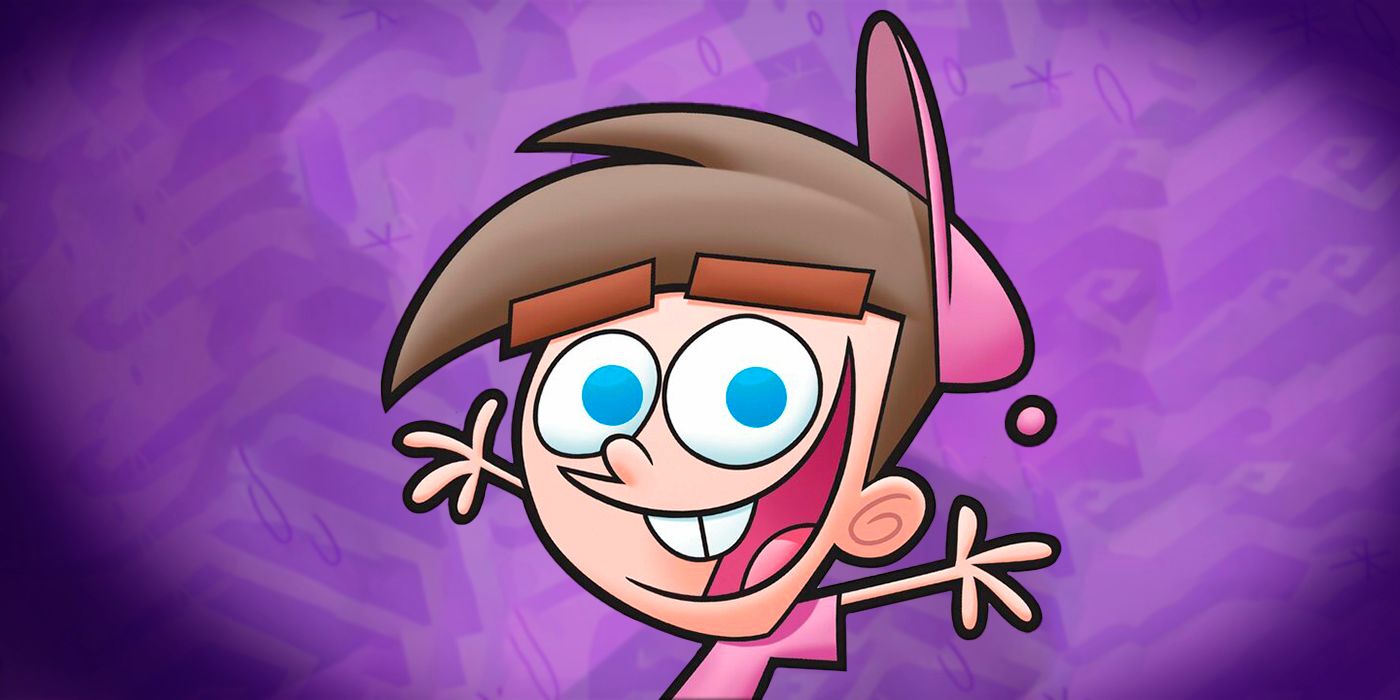
The animated world of Timmy Turner, the perpetually optimistic and often chaotic protagonist of The Fairly OddParents, has undergone a significant evolution. While the original series captivated audiences with its whimsical premise of a boy whose fairy godparents, Cosmo and Wanda, grant his every wish, the recent iteration, The Fairly OddParents: Fairly Odder, presents a decidedly different landscape for Timmy and his magical companions. This shift isn’t merely a narrative convenience; it reflects a broader trend within the entertainment industry, particularly concerning the re-imagining of beloved franchises and the strategic decisions brands make to appeal to new generations while retaining their core audience.

The Strategic Pivot: Reimagining IP for a New Era
The decision to revive and reimagine a property like The Fairly OddParents is a calculated move by any production studio or network. In an increasingly saturated media market, established intellectual properties (IP) offer a significant advantage. They come with pre-existing brand recognition, a built-in fanbase, and a wealth of lore and character archetypes that can be leveraged. Fairly Odder isn’t an isolated incident; it’s part of a larger trend of “reboots,” “revivals,” and “sequels” that aim to tap into nostalgia while simultaneously introducing the franchise to a fresh demographic. This strategy hinges on understanding the evolving media consumption habits of audiences and adapting the brand’s core appeal to resonate with contemporary sensibilities.
Leveraging Nostalgia and Brand Equity
The initial appeal of Fairly Odder is undeniably rooted in the nostalgia it evokes for long-time fans of the original series. The familiar names, the core concept of fairy godparents, and the general chaotic humor are all designed to trigger positive memories and encourage viewers to revisit this world. This taps into the powerful emotional connection audiences can form with media that was part of their formative years. For the network or studio behind the show, this translates to a pre-established marketing advantage. They don’t need to build awareness from scratch; they can leverage the existing brand equity of The Fairly OddParents to generate buzz and initial viewership. This is a cornerstone of modern brand strategy: identifying and capitalizing on assets that already hold value.
Adapting for a Modern Audience: The Challenge of Relevance
However, simply rehashing the past is rarely enough for a successful revival. Fairly Odder faces the critical challenge of remaining relevant to a new generation of viewers who may not have the same nostalgic connection. This necessitates a careful balancing act. The brand’s core identity needs to be preserved, but the storytelling, themes, and even the visual style may require updates to align with current cultural trends and audience expectations. This involves understanding what resonates with younger viewers today, from humor and character dynamics to the underlying messages being conveyed. Brands that fail to adapt risk becoming relics, appreciated by a shrinking niche but unable to attract new adherents. The “new show” aspect of Timmy Turner’s story is precisely where this adaptation is most evident, signaling a deliberate effort to keep the brand alive and thriving.
The Narrative Evolution: Timmy Turner’s Changed Circumstances
The most striking aspect of “what happened to Timmy Turner in the new show” is the fundamental alteration of his circumstances and his role within the narrative. The original series depicted Timmy as a child, navigating the complexities of childhood with the aid of his fairy godparents. Fairly Odder, however, finds him as an adult, having seemingly abandoned his fairy godparents. This dramatic shift is a central element of the new show’s premise and directly impacts how the brand is perceived and how its story can be told.
The Departure of the Protagonist: A Strategic Narrative Shift

In Fairly Odder, the narrative focus shifts from Timmy himself to his younger sister, Vivian “Viv” Turner, and her new fairy godparents, Phil and Lil. Timmy, now an adult, has seemingly left his fairy godparents behind and is living his own life, implying a period of transition and perhaps even disillusionment. This departure is not arbitrary; it’s a deliberate narrative choice that allows the franchise to introduce new characters and explore fresh dynamics while still maintaining a connection to the established universe. By passing the torch, the showrunners can ensure the core magical element of the series continues, albeit through a new lens. This is a testament to how brands can evolve their core narrative to maintain momentum and appeal.
The Consequences of Growth: Blurring the Lines of Wish Fulfillment
Timmy’s adult status in the new show fundamentally alters the nature of wish fulfillment. As a child, his wishes were often driven by the immediate desires and frustrations of youth. As an adult, his motivations and the implications of his wishes would likely be far more complex, perhaps even tinged with regret or a desire to rectify past choices. This raises interesting questions about the long-term impact of magic and the responsibilities that come with it. The brand’s narrative is exploring the consequences of unchecked wish fulfillment over time, a more mature theme than the original series typically delved into. This evolution in storytelling allows the brand to mature alongside its original audience while also offering a new entry point for those unfamiliar with the property’s history.
The Brand’s Evolution: Adapting Marketing and Creative Strategies
The changes to Timmy Turner’s story are not just narrative choices; they are indicative of the broader strategic decisions made by the brand behind The Fairly OddParents. This includes how they market the show, how they approach creative development, and how they aim to connect with both their legacy audience and new viewers. The success of a revival often depends on the brand’s ability to execute these strategies effectively.
Targeting a Dual Audience: Nostalgia Seekers and Newcomers
Fairly Odder‘s marketing efforts likely target two distinct audience segments. For existing fans, promotions would emphasize the return of familiar elements, perhaps even featuring snippets of the original characters or iconic moments. The message would be one of reunion and continuation. For a new audience, the marketing would need to highlight the fresh characters, the updated humor, and the compelling new storylines, presenting it as an exciting, standalone series that happens to have a legacy. This dual-pronged approach is crucial for maximizing reach and ensuring the long-term viability of the brand. Brands must understand that different segments of their audience require different messaging.
The Creative Tightrope: Balancing Innovation and Tradition
The creative team behind Fairly Odder faces the challenging task of balancing innovation with tradition. They must introduce new concepts and characters that feel fresh and engaging, while also ensuring the show retains the spirit and comedic sensibility that made The Fairly OddParents a beloved franchise. This might involve modernizing the animation style, updating the humor to reflect contemporary comedic trends, or exploring themes that resonate more strongly with today’s viewers. However, they must tread carefully to avoid alienating the existing fanbase. This creative tightrope walk is a hallmark of successful brand revivals, demonstrating a deep understanding of the brand’s DNA and the ability to evolve it thoughtfully.
Conclusion: A New Chapter for a Familiar Brand
The question of “what happened to Timmy Turner in the new show” leads us to a deeper understanding of how established entertainment brands navigate the evolving media landscape. The Fairly OddParents: Fairly Odder represents a strategic pivot, one that leverages nostalgia while boldly pushing the narrative forward. By reimagining the protagonist’s circumstances and shifting the focus to new characters, the brand demonstrates a commitment to reinvention, a crucial element for sustained relevance. This evolution in storytelling and character arcs is not simply a plot device; it’s a manifestation of a sophisticated brand strategy aimed at capturing the attention of a new generation of viewers while honoring the legacy that came before. The success of Fairly Odder will ultimately hinge on its ability to strike that delicate balance, proving that even beloved characters and their magical worlds can find new life when approached with a blend of respect for tradition and a keen eye for the future.
aViewFromTheCave is a participant in the Amazon Services LLC Associates Program, an affiliate advertising program designed to provide a means for sites to earn advertising fees by advertising and linking to Amazon.com. Amazon, the Amazon logo, AmazonSupply, and the AmazonSupply logo are trademarks of Amazon.com, Inc. or its affiliates. As an Amazon Associate we earn affiliate commissions from qualifying purchases.