
The iconic reality television show “Pawn Stars” has been a staple in homes for over a decade, offering a captivating glimpse into the world of buying, selling, and appraising unique and often historically significant items. While the show’s premise centers on the daily operations of the Gold & Silver Pawn Shop in Las Vegas, the success and longevity of the Pawn Stars brand extend far beyond the shop floor. This article will delve into the business strategies, marketing acumen, and brand evolution that have propelled the Harrison family and their venture from a local pawn shop to a globally recognized entertainment franchise.
The Foundation of the Brand: From Local Pawn Shop to Television Phenomenon
The story of Pawn Stars isn’t just about television ratings; it’s a compelling case study in how a niche business can leverage a unique concept and strategic branding to achieve widespread recognition and commercial success. The core of their brand lies in the authenticity of their operations, combined with a keen understanding of what makes for compelling television.
The Gold & Silver Pawn Shop: More Than Just a Business
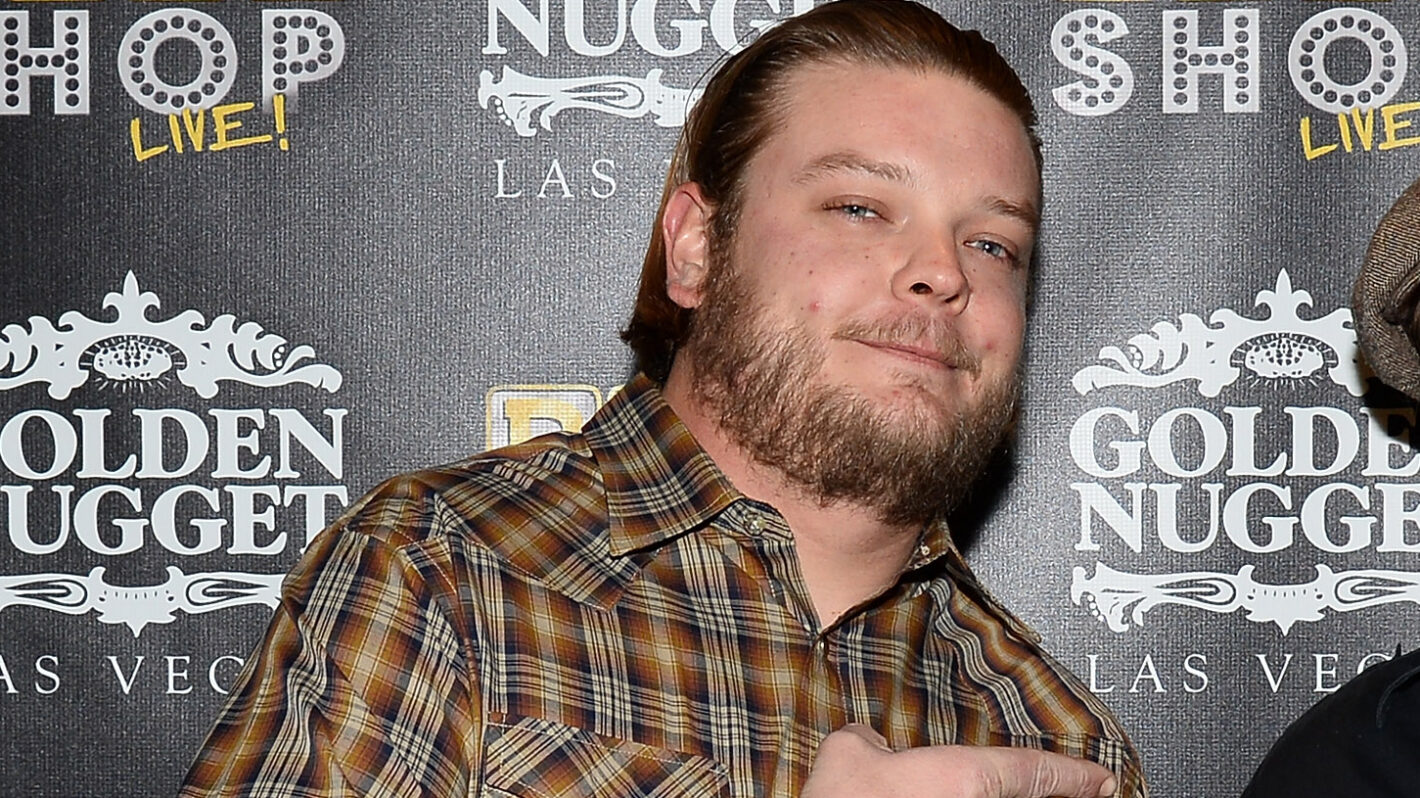
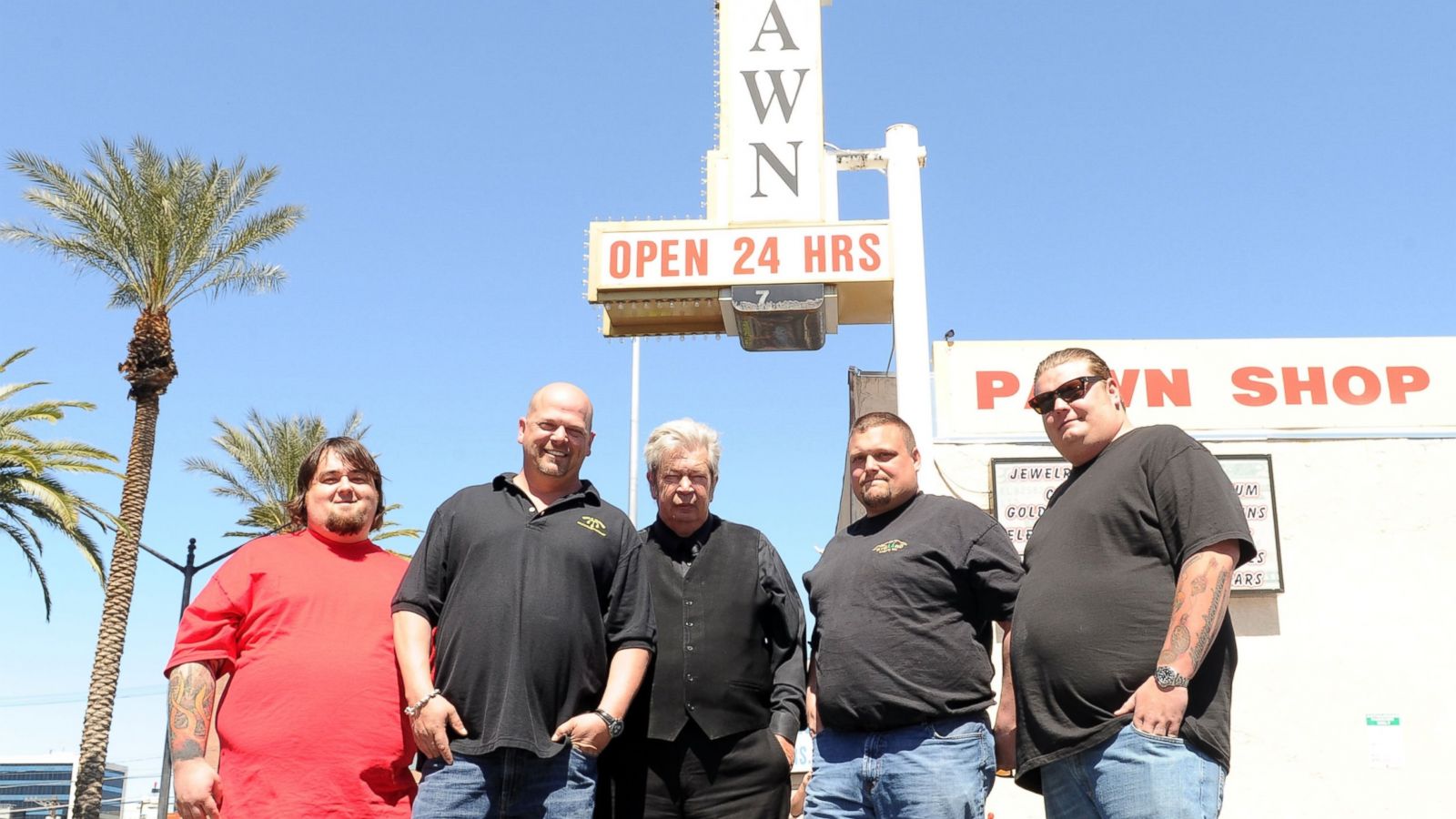
At its heart, the Gold & Silver Pawn Shop is a family business, built on generations of experience in the pawn industry. This familial dynamic is a crucial element of their brand identity. The genuine relationships between Richard “The Old Man” Harrison, his son Rick Harrison, and grandsons Corey and Chumlee (Austin Russell) create an relatable and endearing quality that resonates with viewers. This authenticity, often presented with a touch of humor and wit, forms the bedrock of their brand, differentiating them from more sterile, corporate ventures. The shop itself, located in a high-traffic area of Las Vegas, benefits from its geographical positioning and its inherent connection to the city’s entertainment and tourism industry. This physical presence provides a tangible anchor for the brand, a place where fans can experience the “Pawn Stars” world firsthand.
The Genesis of the Show: Identifying a Unique Selling Proposition (USP)
The transition from a local business to a television hit was not accidental. Rick Harrison and his team recognized the inherent storytelling potential within their daily dealings. Every item that walked through the door of the Gold & Silver Pawn Shop had a story, a history, and a potential for discovery. This formed their Unique Selling Proposition (USP): the thrill of the unexpected, the educational aspect of appraising historical artifacts, and the interpersonal dynamics of negotiation and business. This USP was meticulously packaged into a compelling television format that appealed to a broad demographic, blending elements of history, business, and reality entertainment. The show’s success wasn’t just about the items; it was about the characters, their expertise, and their ability to engage viewers with every negotiation.
Building a Recognizable Identity: Logo, Taglines, and Visuals
The Pawn Stars brand is instantly recognizable, thanks to a consistent and effective visual identity. The prominent “Pawn Stars” logo, often featuring a stylized pawn shop sign, is a visual cue that evokes the show and the business. Their taglines, while often informal and character-driven, reinforce their brand message of expert appraisal and shrewd negotiation. The consistent use of their established aesthetic across merchandise, social media, and the shop itself helps to solidify their brand in the minds of consumers. This cohesive visual language ensures that even outside the context of the show, the Pawn Stars brand is easily identifiable and associated with its core values of expertise, entertainment, and entrepreneurship.
Leveraging the Brand: Diversification and Expansion Strategies
The success of “Pawn Stars” on television provided the Harrison family with an unprecedented platform to expand their brand beyond the confines of the pawn shop. They strategically leveraged their newfound fame to diversify their revenue streams and solidify their market position, demonstrating a keen understanding of brand extension and audience engagement.
Merchandise and Product Lines: Turning Fame into Fortune

The most immediate and perhaps most visible form of brand expansion has been through merchandise. From t-shirts and hats emblazoned with the “Pawn Stars” logo to replicas of famous items from the show, the Harrisons have capitalized on their popularity by offering tangible products that allow fans to connect with the brand. This strategy taps into the parasocial relationships fans develop with television personalities, enabling them to feel a closer connection to the show and its stars. The success of their merchandise demonstrates a shrewd understanding of consumer behavior, particularly the desire to own a piece of a popular cultural phenomenon. This diversification has created a significant revenue stream that complements the income generated by the pawn shop itself.
Expanding the Pawn Stars Universe: Spin-offs and Related Ventures
The “Pawn Stars” brand is not static; it has evolved into a larger media franchise. The success of the original show paved the way for spin-off series, such as “American Restoration” and “Pawn Stars Do America,” which allowed the Harrisons to explore related themes and expand their narrative. These spin-offs serve multiple purposes: they keep the core brand relevant, introduce new audiences to the Pawn Stars world, and provide opportunities to showcase different aspects of their business acumen and their network of experts. Furthermore, the Harrisons have engaged in various related ventures, including licensing agreements and even establishing their own restaurant, further demonstrating their commitment to building a multi-faceted brand. This strategic expansion ensures that the Pawn Stars name continues to be associated with entrepreneurship and entertainment across various platforms.
Digital Presence and Social Media Engagement: Connecting with a Modern Audience
In the age of digital media, a strong online presence is crucial for any brand’s continued relevance. The Pawn Stars have embraced social media platforms, using them to engage directly with their fans, share behind-the-scenes content, and promote their ventures. Their active participation on platforms like Facebook, Instagram, and Twitter allows them to maintain a personal connection with their audience, fostering a sense of community and loyalty. This digital engagement is not just about promotion; it’s about cultivating and nurturing their brand community, ensuring that the Pawn Stars remain top-of-mind for their followers. Their ability to adapt to the evolving media landscape and utilize digital tools effectively is a testament to their forward-thinking approach to brand management.
The Enduring Appeal: What Keeps Pawn Stars Relevant?
Despite the changing media landscape and the passage of time, “Pawn Stars” has maintained a remarkable level of popularity. This enduring appeal can be attributed to a combination of factors that go beyond the initial novelty of the show. Their ability to consistently deliver on their brand promise and adapt to audience expectations has been key to their sustained success.
The Educational and Historical Value: A Window to the Past
One of the core reasons for the show’s lasting appeal is its inherent educational and historical value. Each episode presents viewers with opportunities to learn about different eras, historical figures, and the provenance of various artifacts. The expertise of the Harrisons and their network of appraisers provides a fascinating insight into the world of collectibles and antiques, making history accessible and engaging for a mainstream audience. This element transforms the show from simple entertainment into a valuable learning experience, appealing to viewers who are curious about the past and the stories behind everyday objects. This educational component contributes to a richer and more substantive brand identity than pure entertainment alone.
The Business Acumen on Display: Lessons in Negotiation and Valuation
Beyond the historical context, “Pawn Stars” offers a fascinating, albeit dramatized, look into the world of business. Viewers are privy to negotiations, valuation techniques, and the inherent risks and rewards of buying and selling. The Harrisons’ shrewdness, their ability to assess the value of an item, and their negotiation tactics provide valuable, albeit informal, business lessons. This aspect of the show appeals to entrepreneurs, investors, and anyone interested in the dynamics of commerce. The transparency (or perceived transparency) of their business dealings adds another layer of intrigue and provides viewers with insights into the practical application of business principles. This business-oriented aspect of their brand reinforces their image as shrewd operators and successful entrepreneurs.
The Human Element: Relatability and Family Dynamics
Ultimately, the enduring appeal of “Pawn Stars” lies in its human element. The familial relationships, the witty banter, and the occasional moments of genuine emotional connection between the cast members create a relatable and engaging viewing experience. Viewers often connect with the characters on a personal level, rooting for their successes and empathizing with their challenges. This focus on authentic family dynamics, combined with the inherent drama of the pawn business, creates a compelling narrative that transcends the typical reality television fare. It’s this blend of historical intrigue, business acumen, and genuine human connection that has cemented the Pawn Stars’ place in popular culture and ensures their continued relevance. Their brand is not just about objects; it’s about the people who value them and the stories they tell.
aViewFromTheCave is a participant in the Amazon Services LLC Associates Program, an affiliate advertising program designed to provide a means for sites to earn advertising fees by advertising and linking to Amazon.com. Amazon, the Amazon logo, AmazonSupply, and the AmazonSupply logo are trademarks of Amazon.com, Inc. or its affiliates. As an Amazon Associate we earn affiliate commissions from qualifying purchases.