
South Park. The name itself conjures images of crude animation, biting satire, and a relentless, almost reckless, willingness to push boundaries. For over two decades, this animated sitcom has been a cultural touchstone, a barometer of societal absurdity, and a constant source of both outrage and uproarious laughter. But as the landscape of entertainment and media consumption has dramatically shifted, the question lingers: What happened to South Park? Did it fade into obscurity, overtaken by newer, shinier forms of digital content? Or has its enduring power simply evolved?
The answer, as with most things South Park tackles, is complex and deeply rooted in its masterful understanding and evolution of brand strategy. Far from fading, South Park has not only survived but thrived, demonstrating an uncanny ability to adapt, innovate, and maintain its distinct identity in an increasingly fragmented media ecosystem. This isn’t accidental; it’s the result of deliberate, albeit often subversive, brand management that has allowed it to remain relevant, influential, and financially successful.
The Genesis of a Disruptive Brand: Authenticity and Provocation
South Park’s initial success was built on a foundation of radical authenticity and unapologetic provocation. When it first aired in 1997, the animation was intentionally rudimentary, a stark contrast to the polished offerings of other networks. This lo-fi aesthetic wasn’t a limitation; it was a deliberate choice that underscored the show’s counter-cultural ethos. It signaled to viewers that this was not going to be a typical, sanitized, family-friendly program.
Embracing the “Bad” Animation as a Brand Identifier
The early episodes of South Park, with their paper-cutout style and basic movements, were a visual rebellion. This decision, driven by creative necessity and artistic intent, inadvertently became a powerful brand differentiator. In an era where CGI was becoming increasingly sophisticated, South Park doubled down on its deliberately low-fidelity look. This choice conveyed a sense of raw, unfiltered storytelling, suggesting that the substance of the humor and the sharpness of the satire were far more important than visual gloss. It was a clever way to say, “We’re here to make you think and laugh, not to impress you with pretty pictures.” This embraced imperfection became a recognizable hallmark, instantly identifying the show and setting it apart from the mainstream.
The Power of Perpetual Outrage as a Marketing Engine
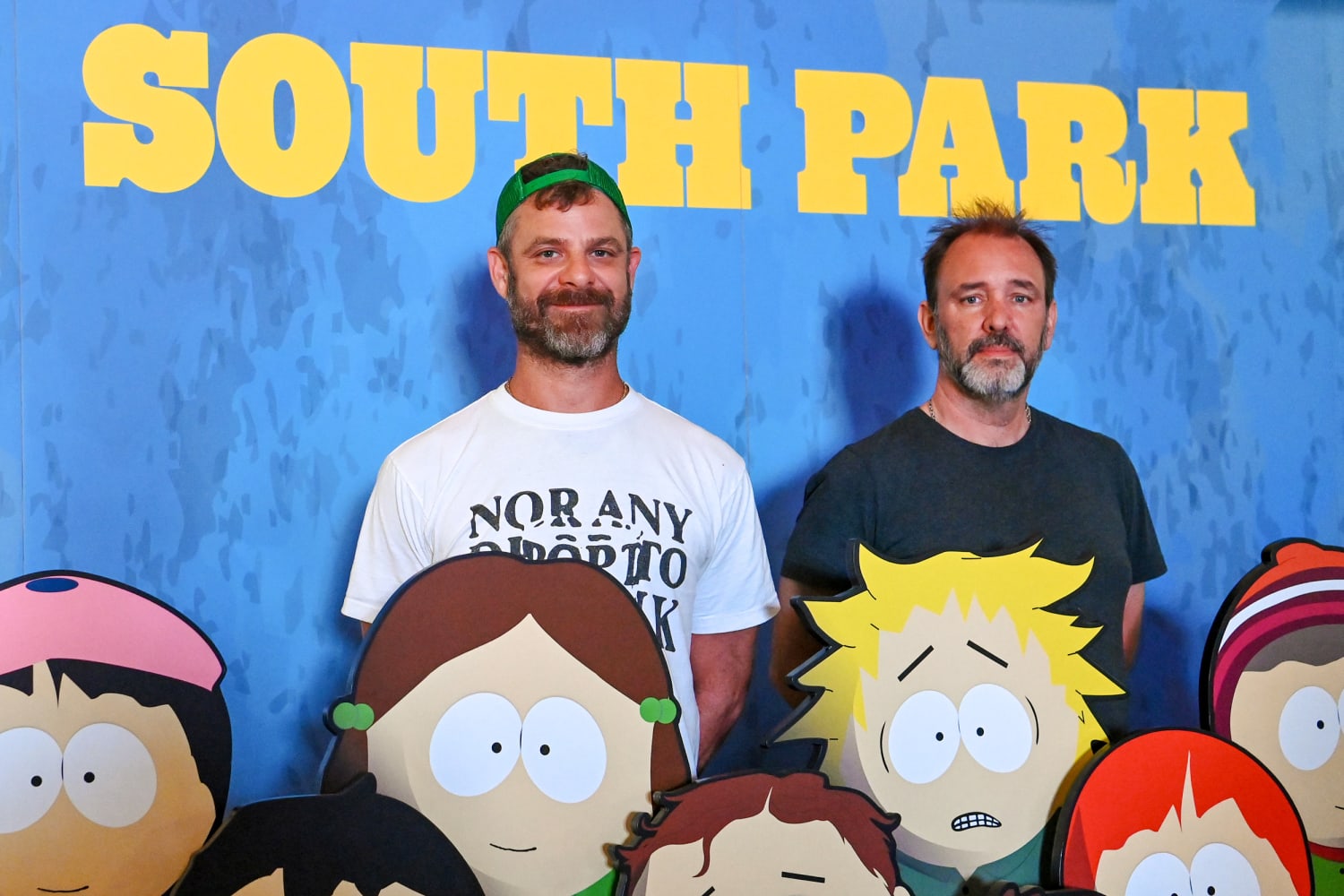
From its inception, South Park understood the value of controversy. The show’s creators, Trey Parker and Matt Stone, wielded a potent weapon: the ability to offend virtually everyone. By tackling sensitive topics, lampooning public figures, and satirizing current events with a sledgehammer rather than a scalpel, they generated constant buzz. This wasn’t just for shock value; it was a calculated marketing strategy. Every time a news outlet reported on a controversy stirred by an episode, South Park received free publicity, reaching audiences who might not have otherwise tuned in. This perpetual cycle of outrage and discussion served as a self-sustaining marketing engine, keeping the show at the forefront of public consciousness. The brand became synonymous with daring, with speaking uncomfortable truths (or at least, perceived truths in a comedic context), and with a fearless disregard for political correctness.
Evolving the Brand: From Cable Staple to Streaming Powerhouse
The media landscape has undergone seismic shifts since South Park first premiered. The rise of streaming services, the fragmentation of audiences, and the evolving nature of censorship have all presented challenges. Yet, South Park has not only navigated these changes but has leveraged them to its advantage, demonstrating a remarkable capacity for brand evolution.
The Strategic Shift to Paramount+ and the “Pandemic Specials”
A significant recent evolution for South Park’s brand has been its move to a more exclusive streaming platform, notably Paramount+. This wasn’t merely a change of distribution; it was a strategic repositioning. By consolidating its newer content on a single platform, South Park could guarantee a consistent revenue stream and greater creative control, while also focusing its production efforts. The “Pandemic Specials” and subsequent “Supa Dupa Free Ridge” specials, released directly on Paramount+, exemplified this shift. These longer-form, event-style releases allowed the show to tackle major global events with its signature topicality and a slightly more polished, though still distinctively South Park, visual style. These specials acted as high-impact marketing events, generating significant viewership and reminding audiences of the brand’s continued relevance and ability to comment on the zeitgeist. They proved that South Park could still deliver timely and impactful content, even in an era saturated with entertainment options.
Maintaining a Core Identity Amidst Shifting Cultural Norms
Perhaps South Park’s most impressive feat has been its ability to maintain its core brand identity – that of a cynical, satirical, and often offensive show – while the cultural norms around what is acceptable in media have dramatically changed. Many shows and brands have struggled to adapt, either becoming overly cautious and losing their edge, or doubling down and alienating audiences. South Park, however, has managed a delicate balancing act. It has continued to push buttons, but it has also demonstrated a growing meta-awareness of its own brand and its place in culture. It has satirized cancel culture itself, often turning its own potential vulnerabilities into comedic fodder. This self-awareness has allowed the brand to feel both timelessly irreverent and surprisingly contemporary. It acknowledges the changing landscape without sacrificing its foundational principles, making it a unique entity that can simultaneously mock current trends and remain a beloved part of the cultural conversation.
The Business of Being South Park: Sustaining Relevance and Revenue
Beyond the satire and the shock value, South Park is a highly successful business. Its longevity is a testament to smart brand management, diversified revenue streams, and a deep understanding of its audience. The show isn’t just a television program; it’s a multimedia franchise with a carefully cultivated brand value.
Leveraging Merchandising and Ancillary Products
The “South Park” brand extends far beyond the television screen. The show has a robust merchandising empire, from t-shirts and action figures to video games and even a Broadway musical. These ancillary products not only generate significant revenue but also serve as crucial extensions of the brand, keeping South Park visible and accessible in the everyday lives of its fans. The crude humor and distinctive character designs translate exceptionally well to merchandise, creating a tangible connection to the show’s aesthetic. The video games, in particular, like “The Stick of Truth” and “The Fractured But Whole,” have been critically acclaimed and commercially successful, proving that the South Park universe can thrive in interactive formats, further solidifying its brand’s reach and appeal.

The Enduring Power of the South Park Universe as a Franchise
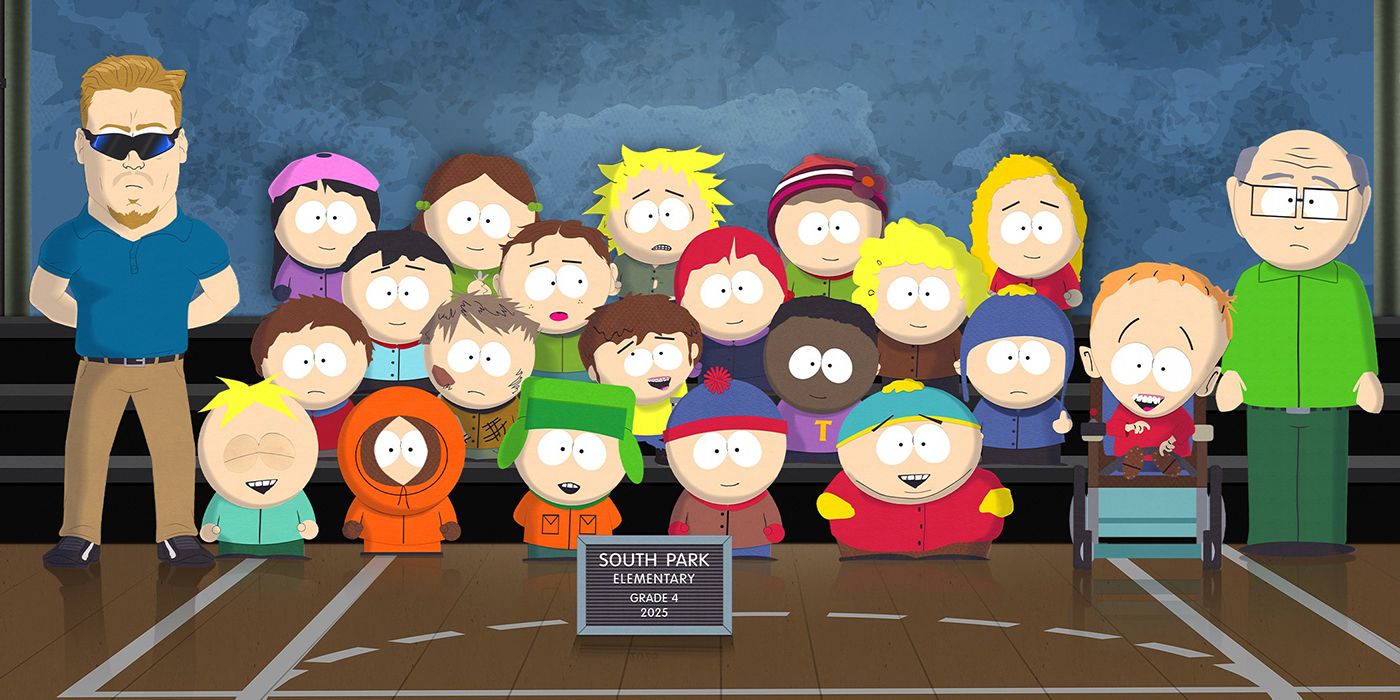
The true strength of the South Park brand lies in its expansive and endlessly adaptable universe. The core group of fourth-graders in Colorado provides a consistent anchor, but the show’s ability to introduce new characters, explore new themes, and comment on virtually any aspect of modern life makes it a perpetually renewable resource. This adaptability is key to its long-term brand sustainability. Unlike many shows that rely on a single, finite narrative arc, South Park’s episodic nature and topical focus allow it to constantly reinvent itself while remaining true to its core. This makes it an attractive proposition for continued production and a valuable asset for its network and parent companies. The brand has become a symbol of consistent quality – in terms of its humor and its ability to engage with the world – ensuring its continued appeal to both long-time fans and new generations of viewers discovering its unique brand of irreverence.
aViewFromTheCave is a participant in the Amazon Services LLC Associates Program, an affiliate advertising program designed to provide a means for sites to earn advertising fees by advertising and linking to Amazon.com. Amazon, the Amazon logo, AmazonSupply, and the AmazonSupply logo are trademarks of Amazon.com, Inc. or its affiliates. As an Amazon Associate we earn affiliate commissions from qualifying purchases.