
Shia LaBeouf’s career has been a fascinating case study in the volatile nature of fame and the intricate workings of personal branding. From his Disney Channel beginnings to his ascent as a critically acclaimed actor and his subsequent highly publicized controversies, LaBeouf’s journey offers a compelling lens through which to examine how an individual’s public image is constructed, deconstructed, and potentially rebuilt. This article delves into the evolution of Shia LaBeouf’s brand, exploring the key phases of his public life, the factors that have shaped his perception, and the enduring questions surrounding his place in the entertainment landscape.
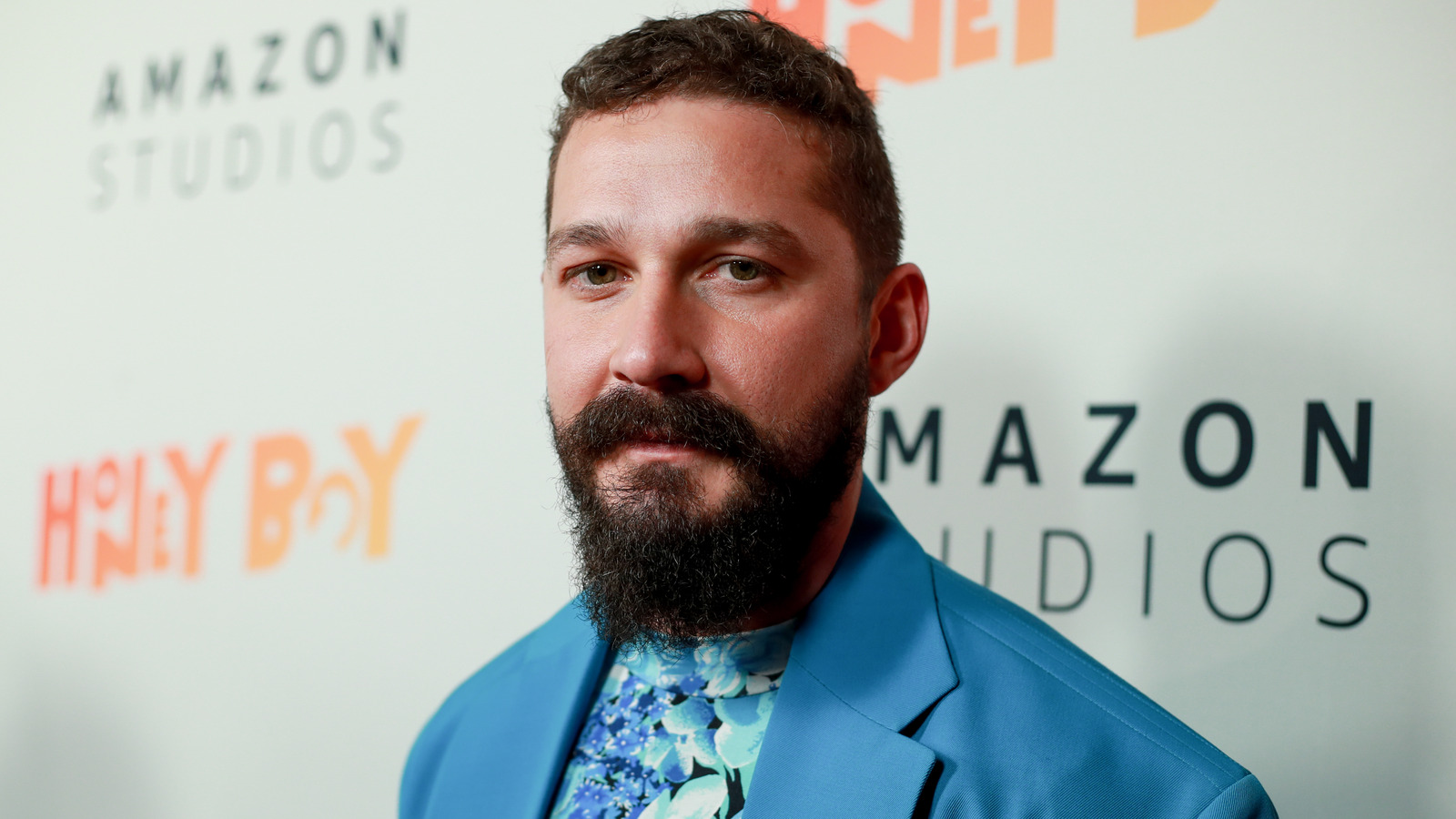
The Rise of a “Rebel” Brand: Early Career and Establishing a Niche
Shia LaBeouf’s early career trajectory was remarkably swift and strategically positioned him as a relatable yet edgy talent. His initial foray into the entertainment industry was marked by a youthful exuberance and a knack for comedic timing, quickly establishing him as a marketable presence. However, it was his transition into more dramatic roles that began to solidify his brand as a versatile actor with a rebellious undertone.
From Disney Darling to “It” Boy: Leveraging Early Success
LaBeouf’s breakthrough on Disney Channel’s Even Stevens provided a foundation of widespread recognition. This early exposure, while seemingly benign, allowed him to cultivate an image of an approachable, slightly mischievous teenager. This familiarity was crucial, acting as a springboard for his more mature roles. The transition wasn’t merely a career shift; it was a deliberate evolution of his public persona. He actively sought roles that would distance him from his kid-friendly origins, demonstrating an early awareness of the need for brand reinvention.
The Blockbuster Era and the “Young Hollywood” Archetype
The mid-2000s saw LaBeouf cemented as a bona fide movie star. His casting in the Transformers franchise, coupled with his role in Indiana Jones and the Kingdom of the Crystal Skull, positioned him as a leading man capable of carrying major blockbusters. This phase of his career was characterized by a strong association with action and adventure, further enhancing his brand as a dynamic and bankable actor. He became the quintessential “young Hollywood” figure – a relatable everyman thrust into extraordinary circumstances, often embodying a spirited, slightly defiant attitude. This archetype resonated with a broad audience, solidifying his marketability and setting a high bar for his future endeavors. The studios heavily invested in this image, using it to promote his films and establish him as a reliable draw.
The Shifting Sands of Perception: Controversy and Brand Disruption
No discussion of Shia LaBeouf’s brand would be complete without addressing the significant controversies that have punctuated his career. These incidents, often highly publicized and stemming from a variety of legal and behavioral issues, have undeniably impacted how he is perceived by the public, industry professionals, and brands alike.
Public Incidents and the Erosion of Trust
LaBeouf’s history is marked by several high-profile public incidents, including arrests for public intoxication, disorderly conduct, and allegations of plagiarism. These events, often captured by paparazzi and amplified by social media, began to chip away at his previously carefully constructed image. The narrative shifted from “rebellious rising star” to “troubled artist.” The consistent nature of these incidents, regardless of the underlying reasons, created a perception of instability and unreliability. For a brand, particularly one that relies on positive associations, this erosion of trust can be incredibly damaging.

The “Performance Art” Defense and its Limitations
In some instances, LaBeouf has framed his controversial actions as performance art, blurring the lines between his personal life and his artistic endeavors. While this approach has generated significant media attention and, at times, intrigued critics, it has also been met with skepticism. The “performance art” defense, while conceptually interesting, has struggled to fully mitigate the negative impact of his actions. For a brand seeking clear and unambiguous endorsements, this ambiguity can be a significant deterrent. The ability of a brand to control its narrative and ensure positive public association is paramount, and LaBeouf’s brand has often been characterized by unpredictability, making it a riskier proposition for traditional brand partnerships.
Media Scrutiny and the Amplification Effect
The relentless scrutiny of the media, coupled with the instantaneity of social media, has created a feedback loop where every misstep is magnified. This heightened attention has made it increasingly difficult for LaBeouf to control his narrative and for his brand to recover from setbacks. What might have been a private struggle in a previous era is now a global spectacle. This constant barrage of negative press can lead to a lasting stigma, affecting casting decisions, endorsement opportunities, and overall industry perception. The public memory is long, and these incidents become indelibly linked to his identity as a public figure.
Rebranding and Artistic Integrity: Navigating the Path Forward
In the wake of significant public challenges, Shia LaBeouf’s career has entered a phase of deliberate artistic exploration and a re-evaluation of his public persona. His approach to acting and his willingness to engage in projects that push boundaries suggest a conscious effort to redefine his brand through his work.
The Shift Towards Independent and Auteur-Driven Projects
Following the major studio blockbuster era and the surrounding controversies, LaBeouf has increasingly gravitated towards independent cinema and projects helmed by visionary directors. Films like American Honey and Honey Boy, which he also wrote, represent a significant departure from his earlier work. These roles often explore complex, nuanced characters and themes, allowing him to showcase a deeper level of vulnerability and artistic commitment. This strategic pivot signifies a desire to be recognized for his craft and artistic integrity rather than solely for his box office appeal. This is a classic rebranding technique: focusing on substance and artistic merit to rebuild a damaged image.
The Role of Personal Narrative in Brand Reconstruction
Honey Boy, a semi-autobiographical film where LaBeouf plays a fictionalized version of his own father, is a powerful example of using personal narrative to engage with his public perception. By openly exploring his struggles with his father, addiction, and fame, he attempts to foster empathy and understanding. This level of self-exposure is a high-stakes move in personal branding. It risks further exposing his vulnerabilities but also offers the potential for genuine connection with audiences who have witnessed his journey. It’s an attempt to humanize his brand and invite a more compassionate understanding of his complexities.

The Enduring Questions: Authenticity vs. Performance
The question of authenticity versus performance continues to surround Shia LaBeouf. Whether his actions are genuine expressions of his inner turmoil or meticulously crafted performances, the public remains captivated and, at times, confused. This ambiguity, while a source of intrigue, also poses a challenge for his long-term brand sustainability. For brands looking for stability and predictable public reception, LaBeouf’s brand remains a complex proposition. However, for audiences seeking raw, unfiltered, and artistically driven content, he continues to command attention. His ability to consistently provoke discussion and generate interest, even amidst controversy, speaks to a unique, albeit volatile, personal brand that continues to evolve, leaving the industry and the public alike wondering: what’s next for Shia LaBeouf? His brand story is far from over, and its next chapter will undoubtedly continue to be shaped by the intersection of his art, his life, and the ever-watchful eye of public perception.
aViewFromTheCave is a participant in the Amazon Services LLC Associates Program, an affiliate advertising program designed to provide a means for sites to earn advertising fees by advertising and linking to Amazon.com. Amazon, the Amazon logo, AmazonSupply, and the AmazonSupply logo are trademarks of Amazon.com, Inc. or its affiliates. As an Amazon Associate we earn affiliate commissions from qualifying purchases.