
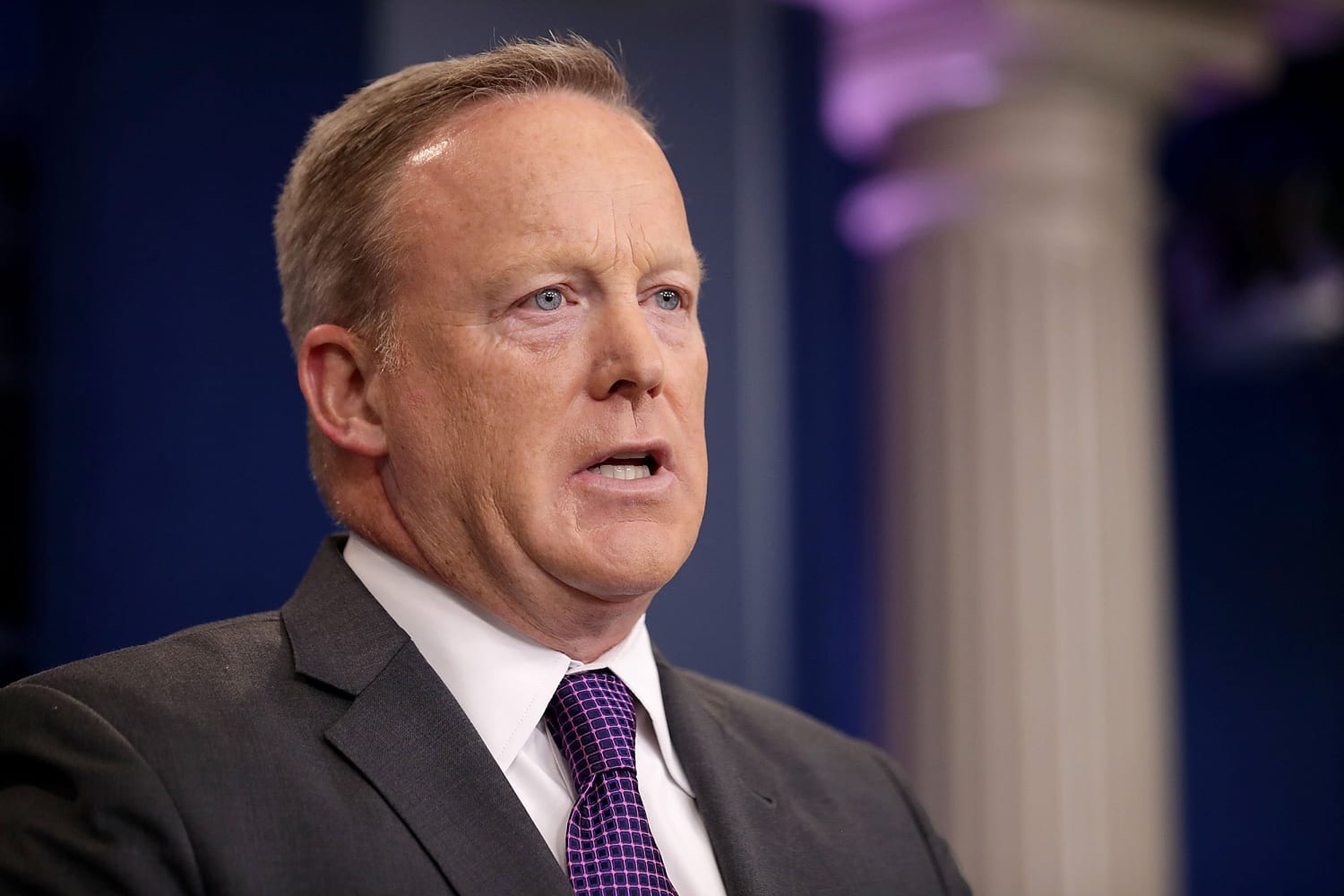
Sean Spicer’s tenure as White House Press Secretary was a period marked by intense public scrutiny, a relentless news cycle, and a constant battle for narrative control. While his role was inherently political, the story of his post-White House trajectory offers a compelling lens through which to examine the enduring principles of personal branding, particularly in the contemporary digital landscape. The question of “what happened to Sean Spicer” extends beyond mere political prognostication; it delves into how an individual navigates public perception, leverages their established identity, and seeks to rebuild or redefine their brand in the aftermath of a highly visible, and often controversial, public service.

The Power and Peril of a High-Profile Brand Identity
Spicer’s appointment as Press Secretary thrust him onto a global stage, instantly attaching a powerful, albeit polarizing, brand identity to his name. This was not a brand built from scratch through deliberate marketing campaigns in the traditional sense, but rather one forged in the crucible of political communication. His image became inextricably linked with the Trump administration, a brand in itself, which presented both immense opportunities and significant challenges for his personal brand.
Forging an Identity Under a Presidential Banner
The very nature of the Press Secretary role necessitates a strong, often unyielding, public persona. Spicer was tasked with presenting the administration’s message, defending its policies, and acting as the primary conduit of information to the press and the public. This required a consistent and visible presence, which, by definition, began to build a public recognition around him. His speaking style, his pronouncements, and his very demeanor became part of his public image. The intensity of this role meant that his personal brand was largely subsumed by, and identified with, the administration he served. This symbiotic relationship, while elevating his profile, also meant that any shifts in the administration’s fortunes or public perception would directly impact his own brand.
The Double-Edged Sword of Association
When an individual’s personal brand becomes deeply entwined with a larger, dominant brand, the benefits of association can be substantial. Spicer gained immediate name recognition and a platform far beyond what he might have achieved through other career paths. However, this close association also carries inherent risks. Negative perceptions of the larger brand can easily spill over, tainting the individual’s personal brand by association. In Spicer’s case, the controversies and criticisms leveled against the Trump administration were often directed at his delivery and messaging, making him a focal point for public discourse. This created a brand that was not only recognizable but also, for many, highly charged and contested. The challenge for him, as for any individual in a similar position, was to disentangle his personal identity from the political entity that had defined it for so long, or to strategically leverage that association for future endeavors.
Navigating the Post-White House Landscape: Rebranding and Reinvention
The departure from a high-profile public office like the White House presents a unique set of challenges for personal branding. The established identity, forged under intense pressure and public scrutiny, needs to be reassessed, potentially reshaped, and strategically repositioned for a new phase. Spicer’s post-press secretary life has been a testament to the ongoing evolution of personal branding in the digital age, demonstrating how individuals can attempt to leverage past notoriety into new platforms and opportunities.
From Press Briefings to Broadcasts: Leveraging Existing Platforms
Following his departure, Spicer did not simply fade from public view. Instead, he actively sought to transition his skills and public recognition into new ventures. One of the most visible avenues he pursued was media. His experience in high-stakes communication, his familiarity with broadcast media, and his established name recognition made him a candidate for various media roles. This move represents a classic rebranding strategy: taking the skills and public persona honed in one arena and applying them to another, often related, field. His entry into television, particularly on channels that aligned with his previous political leanings, allowed him to continue engaging with the political discourse and reach an audience that was already familiar with him. This was not about erasing his past, but about repurposing it, leveraging the notoriety for continued engagement.

The Digital Arena: Social Media and Direct Engagement
The digital landscape has revolutionized personal branding, offering individuals direct channels to communicate with audiences, bypassing traditional gatekeepers. Sean Spicer has actively utilized social media platforms, particularly Twitter, to maintain his public presence and engage with his followers and critics. This is a crucial aspect of modern personal branding. It allows for real-time interaction, the dissemination of opinions, and the cultivation of a loyal following. His social media activity demonstrates a conscious effort to control his narrative and to remain relevant in the public consciousness. By sharing his thoughts, responding to current events, and interacting with his audience, he is actively shaping how his brand is perceived in the digital sphere. This direct engagement is a powerful tool, allowing him to bypass the filter of traditional media and speak directly to those who follow him.
The Business of Being Sean Spicer: Diversification and Monetization
Beyond media appearances and social media engagement, Spicer has also explored opportunities that directly monetize his brand. This often involves leveraging his public recognition and perceived expertise in political communication and media. Speaking engagements, consulting opportunities, and even the development of content-based ventures can be seen as attempts to create a sustainable business around his personal brand. This diversification is a smart move for anyone aiming to build a lasting personal brand. It moves beyond a singular, potentially ephemeral, role and seeks to build multiple revenue streams and areas of influence. The success of such ventures often hinges on the ability to translate public recognition into tangible value, whether through expert commentary, motivational speaking, or entrepreneurial pursuits.
The Enduring Lessons of Personal Branding in the Digital Age
Sean Spicer’s journey, from the podium of the White House Briefing Room to various media platforms and digital engagements, offers valuable insights into the complexities of personal branding, especially in the hyper-connected world we inhabit. His experience underscores the fact that personal branding is not a static entity but a dynamic, evolving process that requires continuous adaptation and strategic management.
Authenticity vs. Persona: The Tightrope Walk
A key challenge in personal branding, particularly for those who have held high-profile public office, is navigating the space between their authentic selves and the persona they have been compelled to project. Spicer’s role demanded a certain public presentation, and the question for many observers is how much of that persona, if any, carried over into his post-White House life. In the digital age, authenticity is increasingly valued. Audiences are drawn to individuals who appear genuine and relatable. However, for individuals who have been deeply embedded in political or corporate structures, revealing their true selves can be a delicate act, especially if their public image has been heavily defined by a specific political affiliation or organizational mission. The ability to balance a recognizable public persona with genuine authenticity is crucial for long-term brand sustainability.
The Importance of Strategic Narrative Control
In an era of constant information flow and rapid dissemination of news, controlling one’s narrative is paramount. Spicer’s tenure as Press Secretary was, in many ways, a daily exercise in narrative control for the administration. His post-White House activities demonstrate an ongoing commitment to managing his own story. This involves not only what he says but also how and where he chooses to say it. By selecting specific media outlets, engaging on particular social media platforms, and pursuing certain business ventures, he is actively shaping the public’s perception of him. This proactive approach to narrative control is a hallmark of effective personal branding. It’s about being intentional with every public utterance and every professional decision, ensuring that the story being told aligns with the desired brand image.
The Evolving Nature of Influence and Relevance
The digital age has democratized influence, allowing individuals to build substantial followings and exert considerable sway without necessarily holding traditional positions of power. Sean Spicer’s post-White House career illustrates this evolving landscape. His continued public presence, through his media work and social media engagement, demonstrates that relevance can be maintained and even enhanced through strategic adaptation. The question of “what happened to Sean Spicer” is less about a definitive ending and more about a continuous process of reinvention. His trajectory highlights that personal branding in the 21st century is a journey of perpetual evolution, demanding adaptability, strategic communication, and a keen understanding of how to harness the power of digital platforms to maintain and grow one’s influence. The enduring lesson is that a strong personal brand, cultivated with intention and adapted to changing environments, can offer a resilient foundation for continued engagement and opportunity, even after the spotlight of a major public office has dimmed.
aViewFromTheCave is a participant in the Amazon Services LLC Associates Program, an affiliate advertising program designed to provide a means for sites to earn advertising fees by advertising and linking to Amazon.com. Amazon, the Amazon logo, AmazonSupply, and the AmazonSupply logo are trademarks of Amazon.com, Inc. or its affiliates. As an Amazon Associate we earn affiliate commissions from qualifying purchases.