
The music industry is a notoriously volatile landscape, a crucible where fleeting fame can quickly give way to obscurity. For artists who emerge with a bang, the question of longevity – and what happens when the initial spotlight fades – becomes a critical narrative. Rapper Chingy, whose infectious hits like “Right Thurr” and “Holidae In” dominated the charts in the early 2000s, is a prime example of an artist whose career trajectory offers valuable insights into the dynamics of personal branding, market shifts, and the ongoing need for adaptation. While the immediate question of his whereabouts might suggest a simple disappearance, a deeper examination reveals a story of a carefully constructed brand, its challenges, and its subsequent evolution, offering a compelling case study for anyone interested in the intricacies of personal branding and the music business.
The Zenith of Chingy’s Brand: Crafting a Distinctive Persona
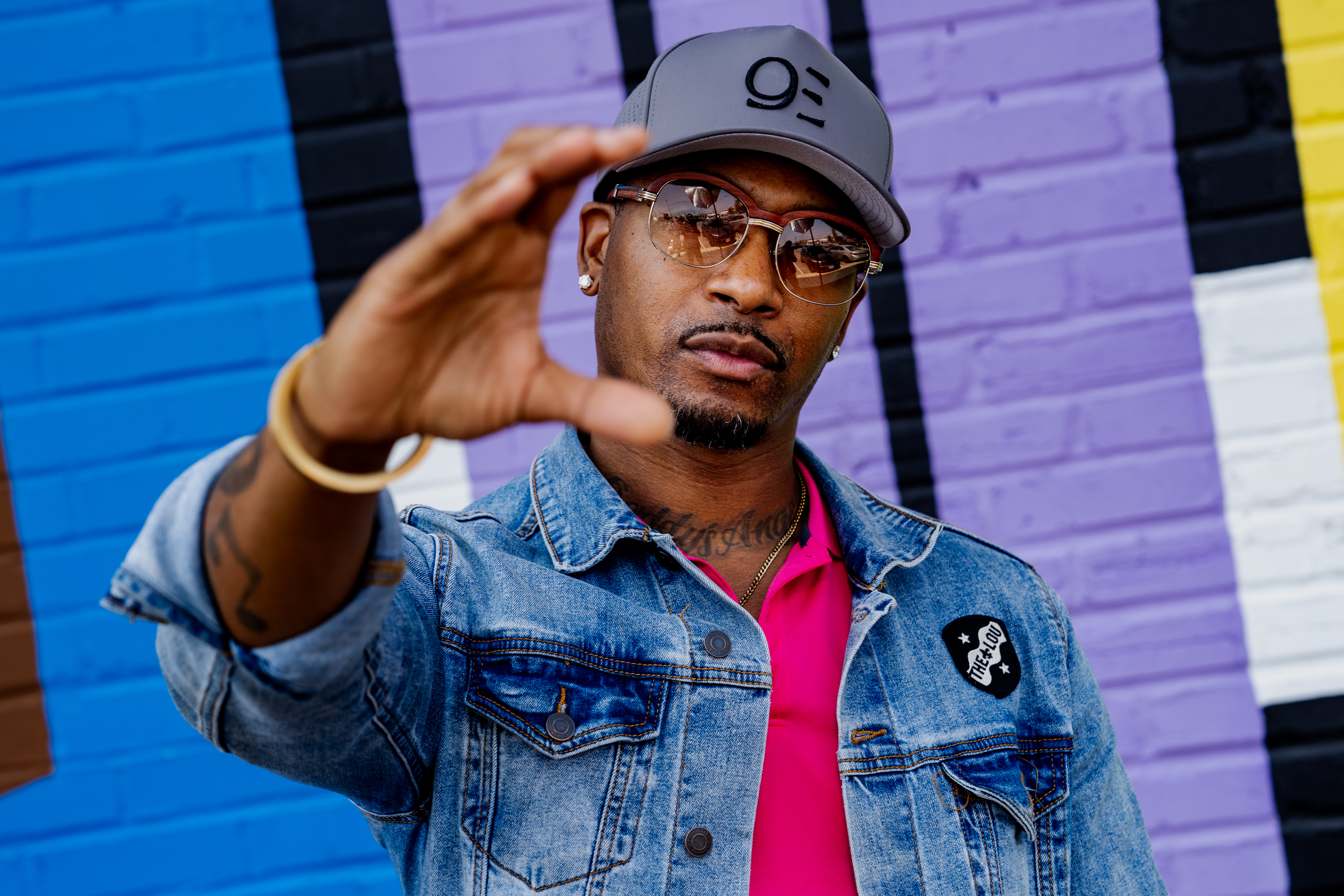
Chingy’s initial rise to prominence was not accidental; it was a meticulously crafted brand identity that resonated with a specific cultural moment. His music, characterized by its distinctive Southern drawl, catchy hooks, and often playful, boastful lyrics, carved out a unique niche within the hip-hop genre. This was amplified by a visual aesthetic and public persona that was both accessible and aspirational.
The Sonic Signature: A Blend of Melodic Flow and Regional Authenticity
At the heart of Chingy’s early success was his undeniable sonic signature. His flow was often described as laid-back yet energetic, punctuated by memorable ad-libs and a distinct St. Louis accent. This regional authenticity was a key differentiator in a genre often dominated by East and West Coast narratives. Songs like “Right Thurr” became anthems, not just for their catchy melodies but for their ability to capture a specific vibe and attitude that appealed to a broad audience.
The Role of Collaborations in Brand Amplification
The strategic use of collaborations was instrumental in amplifying Chingy’s brand. His early work featured prominent artists such as Ludacris and Snoop Dogg, lending him immediate credibility and exposing him to their established fan bases. These partnerships were not just about musical synergy; they were calculated moves to position Chingy alongside respected figures in the industry, solidifying his status as a rising star and enhancing his brand’s reach and influence.
Visual Identity and Public Perception: The “Holidae In” Persona
Beyond the music, Chingy cultivated a distinct visual identity and public persona. His early music videos often depicted a lifestyle of leisure, celebration, and a touch of swagger. This resonated with the aspirational desires of many of his listeners, creating a tangible image associated with his music. The “Holidae In” persona, in particular, evoked a sense of fun and extravagance, making him a relatable yet aspirational figure.
The Impact of Media Coverage and Public Relations
The early 2000s were a period where music television and radio held immense power in shaping an artist’s public perception. Chingy benefited significantly from extensive media coverage and a well-executed public relations strategy. His charismatic personality and engaging interviews further cemented his image, making him a recognizable and likable figure beyond his musical output. This holistic approach to brand building was crucial in his rapid ascent.
Navigating the Shifting Tides: Challenges to Brand Relevance
As with any brand, maintaining sustained relevance in a rapidly evolving market presents significant challenges. Chingy’s career, while marked by immense early success, also illustrates the difficulties of adapting to changing musical tastes, industry trends, and the ever-present pressure to reinvent oneself without alienating a core audience.
The Evolution of Hip-Hop and Shifting Market Demands
The hip-hop landscape is a dynamic entity, constantly influenced by new subgenres, evolving lyrical themes, and changing production styles. While Chingy’s initial sound was highly successful, the musical tastes of the audience began to shift. The rise of more introspective lyricism, trap music, and diverse regional sounds meant that the sonic palette that once defined Chingy’s success needed to either evolve or risk becoming dated.
The Double-Edged Sword of “Bubblegum” Appeal
Chingy’s music, with its infectious hooks and often lighthearted themes, enjoyed a broad, mainstream appeal. This “bubblegum” quality was a significant asset in his early career, allowing him to cross over to pop charts. However, as hip-hop culture grew more diverse and embraced a wider range of artistic expressions, the perception of such accessible sounds could sometimes lead to a lack of perceived artistic depth by certain segments of the audience, posing a challenge to long-term credibility within more discerning hip-hop circles.

The Influence of the Digital Age and Changing Consumption Patterns
The advent of digital music, social media, and streaming platforms fundamentally altered how music is created, consumed, and promoted. While Chingy’s initial success predated the full dominance of these technologies, their rise created new avenues for artists to connect with fans and for new artists to emerge. Artists who could effectively leverage these platforms to maintain a direct dialogue with their audience and adapt their promotional strategies found it easier to sustain their careers. For artists whose primary mode of promotion was based on older media models, adapting could be a more significant hurdle.
The Challenge of Maintaining Brand Visibility in a Crowded Marketplace
The digital age, while democratizing music creation and distribution, has also led to an unprecedented saturation of the market. With millions of artists vying for attention, maintaining consistent brand visibility becomes an increasingly complex undertaking. For an artist like Chingy, who had established a strong presence during a different era of media consumption, navigating this crowded digital landscape and consistently capturing audience attention required a strategic pivot.
Re-Emerging and Adapting: The Evolution of Chingy’s Brand
The narrative of “what happened to rapper Chingy” is not one of complete disappearance but rather of a significant evolution and adaptation of his brand. While his chart dominance may have waned, Chingy has continued to engage with his music and his audience, albeit through different avenues and with a refined approach. His story highlights the resilience of an artist and the enduring power of a well-established brand to find new forms of expression and relevance.
Diversifying Income Streams and Business Ventures
As the music industry landscape shifted, many artists, including Chingy, recognized the importance of diversifying their income streams beyond traditional record sales and touring. This often involves venturing into business ventures that leverage their existing brand equity and public recognition. The pursuit of these opportunities is a testament to a proactive approach to long-term career sustainability.
Exploring Entrepreneurial Opportunities and Brand Endorsements
Chingy has explored various entrepreneurial avenues, from fashion lines to other business ventures, demonstrating a strategic understanding of his personal brand’s potential beyond music. Such endeavors allow artists to capitalize on their established name and influence, creating new revenue streams and maintaining a presence in the public eye. Brand endorsements and acting roles have also provided opportunities for artists to extend their reach and diversify their professional portfolios.
The Enduring Connection with Fans and Live Performance
Despite the changing media landscape, the core of an artist’s brand often lies in their connection with their fanbase. Chingy has continued to engage with his audience through live performances, often at nostalgic events and festivals that celebrate the music of his era. These performances serve as a vital touchpoint, allowing him to reconnect with long-time fans and introduce his music to new generations.
Nostalgia Marketing and the Power of Legacy
The music industry, much like other cultural spheres, benefits from the power of nostalgia. Artists who achieved significant success in a particular era often find a dedicated audience eager to revisit those memories through their music. Chingy’s continued presence in the live circuit taps into this powerful emotional connection, allowing him to leverage his legacy and continue to engage with fans who hold his earlier work dear.
Re-Engaging with the Music: New Releases and Creative Exploration
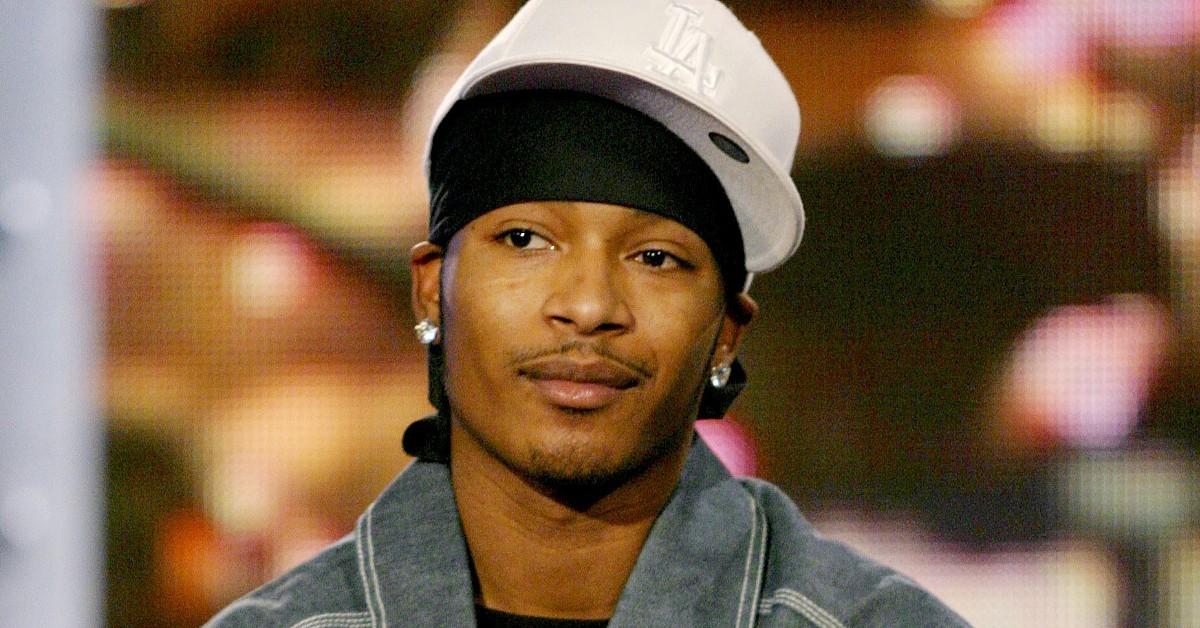
While the intensity of his early chart success might not be replicated, Chingy has not abandoned his musical roots. He has continued to release new music, showcasing a willingness to evolve his sound and engage with contemporary production styles and lyrical themes. This ongoing creative output signals a desire to remain relevant as an artist and to explore new artistic territories.
Adapting to Streaming and Independent Releases
The rise of streaming platforms and the increased feasibility of independent releases have empowered artists to maintain creative control and connect directly with their audience without necessarily relying on major label structures. Chingy’s continued musical output likely benefits from these modern distribution models, allowing him to release music on his own terms and cater to a dedicated fanbase that actively seeks out his new material. This signifies a strategic adaptation to the contemporary music ecosystem, ensuring his voice and creative vision continue to be heard.
aViewFromTheCave is a participant in the Amazon Services LLC Associates Program, an affiliate advertising program designed to provide a means for sites to earn advertising fees by advertising and linking to Amazon.com. Amazon, the Amazon logo, AmazonSupply, and the AmazonSupply logo are trademarks of Amazon.com, Inc. or its affiliates. As an Amazon Associate we earn affiliate commissions from qualifying purchases.