
The conclusion of “Breaking Bad” delivered a cathartic, albeit bittersweet, ending for its central protagonist, Jesse Pinkman. For many viewers, Jesse’s fate was the most pressing question lingering after the series finale. His arc, fraught with moral compromise, profound trauma, and a desperate yearning for redemption, resonated deeply, making his final moments a pivotal point in the show’s enduring brand as a masterclass in character-driven storytelling. This analysis will deconstruct Jesse’s journey and its conclusion through the lens of narrative branding, examining how his story contributed to the overall identity and impact of “Breaking Bad,” and what his resolution signifies for the series’ lasting legacy.

The Genesis of a Broken Brand: Jesse’s Early Moral Compromise
Jesse Pinkman’s character, from his inception, was designed to be the antithesis of Walter White’s calculated descent. Initially presented as a flippant, albeit underachieving, meth cook and small-time dealer, Jesse’s early transgressions were largely driven by a desire for acceptance and a naive pursuit of wealth and status within the drug underworld. His initial brand was that of a lovable screw-up, a character designed for comedic relief and as a foil to Walt’s burgeoning Heisenberg persona. However, the narrative quickly began to imbue Jesse with a deeper humanity, a stark contrast to the increasingly sociopathic tendencies of his mentor.
The Catalyst of Compromise: Early Drug Operations and Their Toll
Jesse’s initial involvement with Walt was born out of a shared, albeit misguided, ambition. His early ventures, such as setting up a makeshift lab in an RV, were characterized by amateurism and a distinct lack of foresight. Yet, even in these nascent stages, the seeds of his eventual trauma were sown. The very nature of their operation, the illicit production and distribution of a harmful substance, began to chip away at Jesse’s already fragile moral compass. Unlike Walt, who could compartmentalize and rationalize his actions, Jesse often found himself directly confronting the devastating consequences of their enterprise.
The Erosion of Innocence: Tragic Incidents and Psychological Scars
A significant turning point in Jesse’s brand was the tragic death of Jane Margolis. Her overdose, which Walt allowed to happen while simultaneously watching, marked a profound psychological wound for Jesse. This event, more than any other in the early seasons, shattered his innocence and plunged him into a deep chasm of guilt and despair. The narrative strategically used this incident to highlight the moral rot that had infected their operation and the devastating collateral damage it inflicted on those closest to Jesse. His subsequent struggles with addiction and his erratic behavior were direct manifestations of this inflicted trauma, further complicating his brand from a sympathetic figure to a deeply damaged one.
The Unraveling of a Brand: Jesse’s Descent into Trauma and Despair
As “Breaking Bad” progressed, Jesse’s brand transformed from that of a misguided youth to that of a victim of circumstance and the machinations of Walter White. The relentless pressure of their criminal enterprise, coupled with the escalating violence and moral depravity, pushed Jesse to the brink. His journey became a stark illustration of the corrosive effects of unchecked ambition and the devastating cost of complicity in evil.
The Price of Loyalty: Manipulation and Exploitation by Walter White
Walter White’s paternalistic manipulation of Jesse became a cornerstone of his tragic narrative. Walt consistently exploited Jesse’s loyalty, his inherent good nature, and his deep-seated desire for validation. Whether it was coercing him into violent acts, gaslighting him about his own culpability, or using his addiction as a tool for control, Walt systematically dismantled Jesse’s sense of self-worth. This dynamic created a potent dramatic tension, as viewers witnessed Jesse’s continued entanglement in Walt’s destructive empire, often feeling a profound sense of helplessness for him. Jesse’s brand became synonymous with the collateral damage of Walt’s rise to power, a constant reminder of the human cost.
The Specter of Guilt: Witnessing and Participating in Atrocities
The cumulative effect of witnessing and, at times, participating in horrific acts took an immense toll on Jesse. The murder of Gale Boetticher, a crime Jesse was forced to commit under duress, was a particularly scarring event. This act of violence, committed against an innocent man, represented a definitive crossing of a moral Rubicon for Jesse. His subsequent mental and emotional deterioration, marked by addiction, PTSD, and a pervasive sense of worthlessness, became the defining characteristics of his brand in the later seasons. The show masterfully portrayed the psychological burden of his actions, solidifying his brand as a figure deeply scarred by the criminal world he was trapped within.
The Reconstruction of a Brand: Jesse’s Path to Redemption and Freedom
The series finale, “Felina,” offered a powerful and ultimately hopeful resolution for Jesse Pinkman. After enduring months of brutal captivity and forced labor, his final act was one of defiance and escape, a testament to his enduring spirit and a crucial element in the reconstruction of his shattered brand. His journey to freedom represented the culmination of his struggle and offered a much-needed sense of closure for both the character and the audience.
The Breaking Point and the Spark of Agency: The Final Confrontation
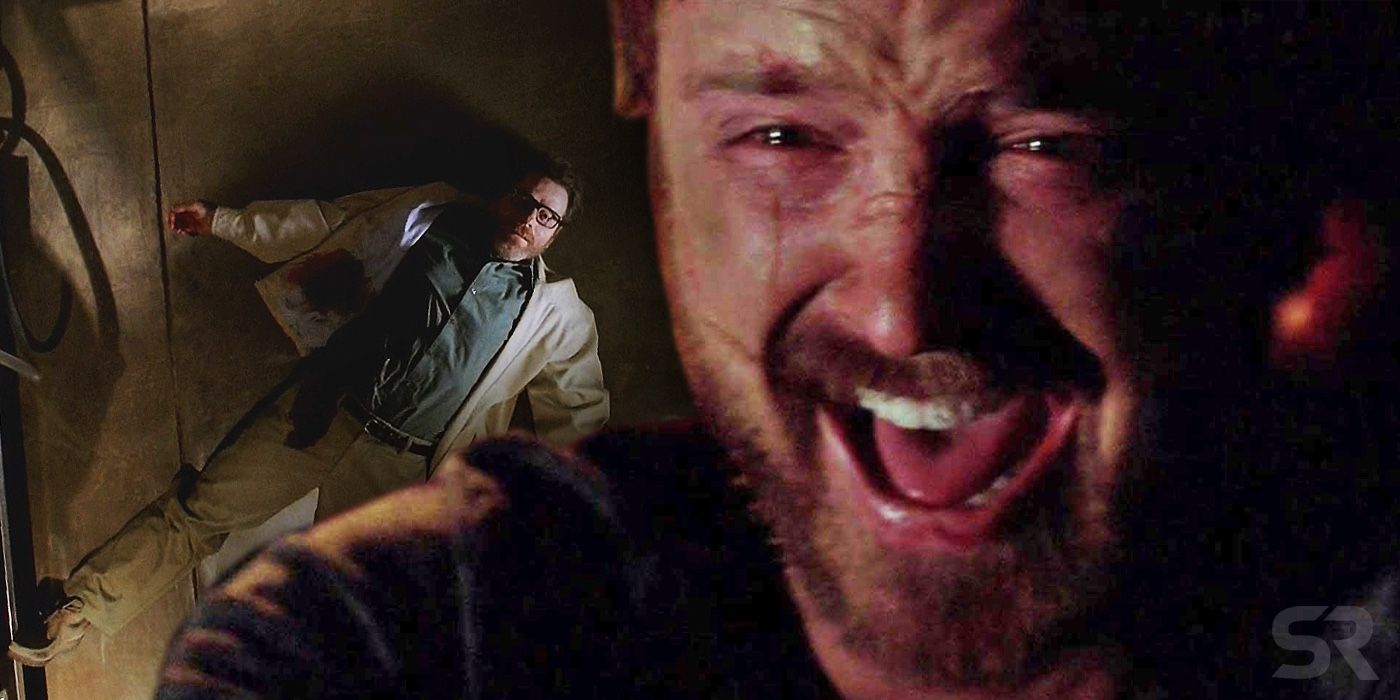
Jesse’s escape from the neo-Nazi compound was not a passive act of luck but a calculated, albeit desperate, maneuver. The arrival of Walter White, intent on his final act of vengeance, inadvertently provided Jesse with the opportunity he desperately needed. The sight of Walt’s final stand, his self-inflicted demise, removed the primary architect of Jesse’s torment. In that moment, surrounded by the wreckage of Walt’s empire and the grim reality of his own suffering, Jesse seized control. The iconic image of him driving away, a mix of shock, relief, and newfound freedom etched on his face, served as a powerful visual representation of his reclaimed agency. This was not a brand of passive victimhood, but one of resilience and the will to survive.

The Open Road to Redemption: A Symbol of a New Beginning
The final scene, with Jesse driving a pick-up truck towards an uncertain future in Alaska, is a potent symbol of a brand reborn. The destination itself, a remote and seemingly untainted landscape, signifies a chance for a fresh start, a place far removed from the darkness that had consumed him. While the scars of his past will undoubtedly remain, the act of escaping and driving towards this new horizon represents a profound reclaiming of his identity. His brand, once defined by Walt’s manipulation and the horrors of the meth trade, was now poised to be defined by his survival, his resilience, and the possibility of healing. The narrative, by affording him this freedom, solidified “Breaking Bad’s” brand as a show that, while unflinching in its portrayal of darkness, ultimately offered a glimmer of hope and the power of human spirit to overcome unimaginable adversity. Jesse’s ending wasn’t a neat tie-up of every loose end, but it was a deeply satisfying conclusion to his personal brand narrative, allowing him to finally break free from the destructive forces that had shaped his life.
aViewFromTheCave is a participant in the Amazon Services LLC Associates Program, an affiliate advertising program designed to provide a means for sites to earn advertising fees by advertising and linking to Amazon.com. Amazon, the Amazon logo, AmazonSupply, and the AmazonSupply logo are trademarks of Amazon.com, Inc. or its affiliates. As an Amazon Associate we earn affiliate commissions from qualifying purchases.