
Jean-Claude Van Damme, the “Muscles from Brussels,” was once an undisputed titan of the action film genre, a martial arts master whose unique blend of physical prowess and charismatic screen presence propelled him to global superstardom in the late 1980s and early 1990s. Films like Bloodsport, Kickboxer, Universal Soldier, and Timecop cemented his status as an international action hero, commanding lucrative contracts and a devoted fanbase. However, the trajectory of his career, like that of many Hollywood stars, has not been a linear ascent. While he continues to be a recognizable figure, the public’s perception of “what happened” to him often revolves around his diminished box office presence and a perceived shift in the spotlight. This article will delve into the brand evolution of Jean-Claude Van Damme, examining the factors that contributed to his peak, the challenges he faced, and his subsequent efforts to redefine and maintain his brand in a constantly evolving entertainment landscape.

The Zenith of the Van Damme Brand: Martial Arts Prowess and Global Appeal
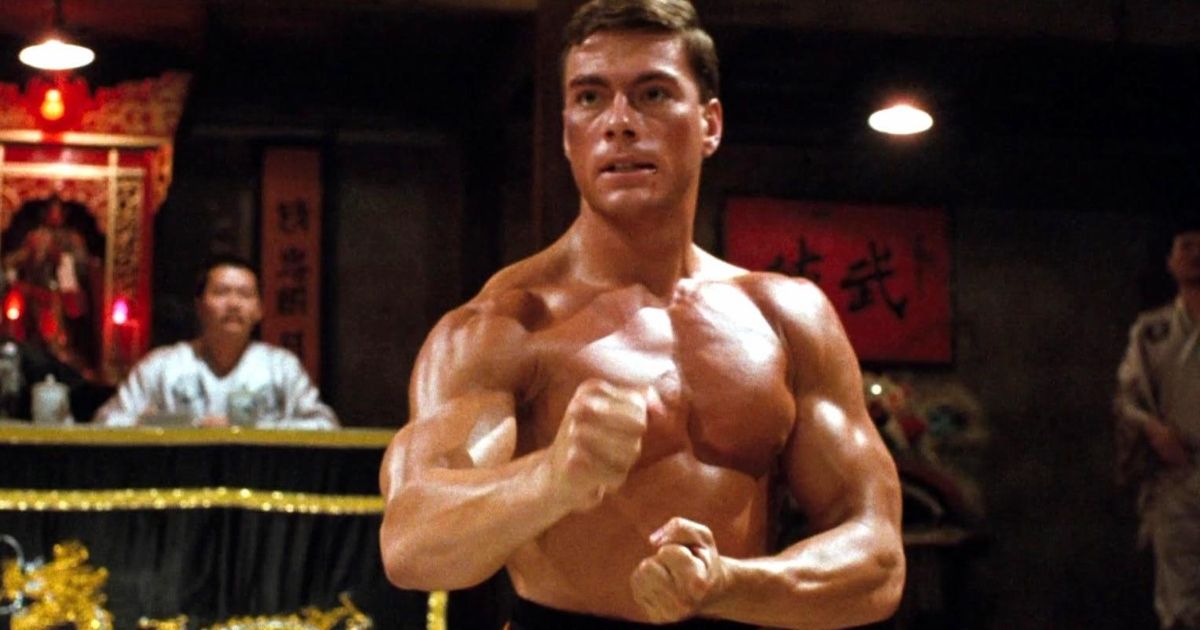
Van Damme’s brand was meticulously crafted around his extraordinary physical abilities, honed through years of dedicated martial arts training. His signature split, lightning-fast kicks, and captivating fight choreography became his trademarks, setting him apart from other action stars of the era. This unique selling proposition was not merely about physical skill; it was infused with an exotic appeal and a compelling underdog narrative that resonated with audiences worldwide.
The “Muscles from Brussels” Persona: An Exotic and Accessible Hero
The moniker “Muscles from Brussels” itself was a powerful branding tool. It highlighted his European origin, adding an air of international mystique, while simultaneously emphasizing his formidable physique. This combination created a hero who was both aspirational and, in a way, relatable. He wasn’t a typical American action hero; he was an outsider who conquered Hollywood through sheer talent and determination. His early films, often with low budgets but high energy, capitalized on this persona, offering audiences a raw, visceral brand of action that felt authentic and thrilling. This authenticity was a key component of his appeal, differentiating him from more polished or overtly heroic characters.
Strategic Film Choices and Genre Dominance
Van Damme’s early career success was also a testament to smart strategic choices in film selection. He gravitated towards martial arts films that showcased his specific talents, allowing him to dominate a niche within the action genre. Films like Bloodsport (1988) and Kickboxer (1989) were critical in establishing his martial arts credentials and building a loyal following. These films were not just vehicles for action; they often incorporated themes of honor, redemption, and self-discovery, adding emotional depth that broadened his appeal. His willingness to embrace the tropes of the martial arts genre, while also infusing them with his unique charisma, proved to be a winning formula. The success of these films created a feedback loop, generating demand for more of the same and solidifying his position as a bankable action star.
Navigating the Shifting Sands: Challenges to the Van Damme Brand
As the landscape of Hollywood and audience preferences began to shift, Van Damme’s brand faced significant challenges. The early to mid-1990s saw a rise in more complex storytelling and evolving action film aesthetics, while Van Damme’s brand remained largely rooted in his established persona.
The Evolution of the Action Genre and Increased Competition
The action genre itself began to diversify and mature. The rise of more sophisticated special effects, the emergence of new action stars with different skill sets, and a growing demand for more nuanced characters put pressure on Van Damme’s established formula. While he had a strong core audience, attracting broader demographic appeal became more difficult. Furthermore, the emergence of other international action stars also increased competition for screen time and audience attention. The sheer volume of action films being produced meant that even a established star like Van Damme needed to constantly innovate to remain relevant.

Personal Struggles and Public Perception
Like many stars who achieve meteoric fame at a young age, Van Damme experienced personal struggles that impacted his public image and career trajectory. Issues such as substance abuse and marital difficulties, while intensely personal, often spill over into public perception and can affect a brand’s credibility. Media scrutiny and gossip surrounding these issues, even if not directly related to his professional output, can create a narrative that detracts from the intended brand image of a focused, disciplined action hero. Rebuilding trust and demonstrating resilience in the face of such challenges is a significant hurdle for any public figure. The very charisma that made him so appealing could also make his personal struggles more visible and impactful on his brand.
The Decline of Direct-to-Video and Rise of Streaming
The late 1990s and early 2000s saw a significant shift in film distribution models. The direct-to-video market, which became a lifeline for many action stars whose theatrical careers waned, offered a way to continue producing content but often with lower budgets and less marketing support. This transition, while allowing for continued output, can inadvertently signal a perceived decline in a star’s mainstream appeal. More recently, the rise of streaming platforms has presented both opportunities and challenges. While it offers global distribution and access to new audiences, it also means competing with a vast array of content, making it harder for individual films, and by extension, the stars within them, to break through and capture widespread attention. The traditional theatrical release model often provided a stronger launchpad for a star’s brand, and its diminished role for certain types of films has impacted how stars are perceived.
Rebranding and Reinvention: The Evolving Van Damme Brand
Despite these challenges, Jean-Claude Van Damme has demonstrated a remarkable resilience and a continuous effort to adapt and redefine his brand. He has moved beyond simply being an action star to embracing his legacy and exploring new creative avenues.
Embracing Legacy and Self-Awareness
A significant aspect of Van Damme’s recent brand evolution has been his willingness to acknowledge and even humorously engage with his past. The critically acclaimed “Jean-Claude Van Johnson” (2016-2017), a meta-comedy series where Van Damme plays a fictionalized version of himself, allowed him to satirize his own career, his iconic moves, and the perceptions surrounding him. This self-awareness and willingness to poke fun at himself endeared him to a new generation of fans and re-engaged his long-standing admirers. It showcased a maturity and a broader range of his personality beyond the stoic action hero. This meta-narrative approach is a sophisticated branding strategy, allowing him to control the narrative and present himself in a fresh, relatable light.
Exploring Diverse Roles and Projects
While action remains a part of his identity, Van Damme has also sought out more diverse roles that allow him to showcase different facets of his acting abilities. From voice acting in animated films like Kung Fu Panda 2 (2011) to more dramatic roles in independent films, he has demonstrated a desire to stretch his creative boundaries. These projects, while perhaps not achieving the same box office heights as his earlier work, contribute to a more multifaceted brand image. They suggest an artist who is still passionate about his craft and willing to explore new territories, rather than resting on past glories. This diversification is crucial for long-term brand sustainability, preventing stagnation and demonstrating continued artistic growth.
The Power of Nostalgia and Continued Fan Engagement
The enduring appeal of Jean-Claude Van Damme is also significantly tied to nostalgia. For a generation that grew up with his films, he remains an icon. He actively engages with his fanbase through social media, personal appearances, and conventions, fostering a direct connection that transcends the screen. This consistent engagement keeps his name in the public consciousness and reinforces his legendary status. The ability to tap into nostalgia while simultaneously forging new connections is a powerful branding strategy. It allows him to leverage his past successes as a foundation for present relevance, creating a continuous cycle of engagement and appreciation for his contributions to cinema. His brand has successfully transitioned from solely an action star to a beloved cultural figure whose work evokes fond memories and continues to entertain.
aViewFromTheCave is a participant in the Amazon Services LLC Associates Program, an affiliate advertising program designed to provide a means for sites to earn advertising fees by advertising and linking to Amazon.com. Amazon, the Amazon logo, AmazonSupply, and the AmazonSupply logo are trademarks of Amazon.com, Inc. or its affiliates. As an Amazon Associate we earn affiliate commissions from qualifying purchases.