
The fate of beloved characters is often a cornerstone of a compelling narrative, and within the sprawling, brutal world of Game of Thrones, few characters captured the audience’s imagination quite like Ghost, Jon Snow’s direwolf. More than just a loyal pet, Ghost was an extension of Jon’s identity, a powerful symbol of his Stark heritage, and a consistent presence of unwavering loyalty in a realm rife with betrayal. His journey, from a lone pup to a formidable companion and eventually a poignant absence, offers a fascinating case study in character development and its impact on the overall brand of Game of Thrones. Understanding “what happened to Ghost” goes beyond a simple plot point; it delves into the narrative choices made and their ripple effects on the show’s thematic core and audience perception.

The Symbolic Significance of Ghost: More Than Just a Direwolf
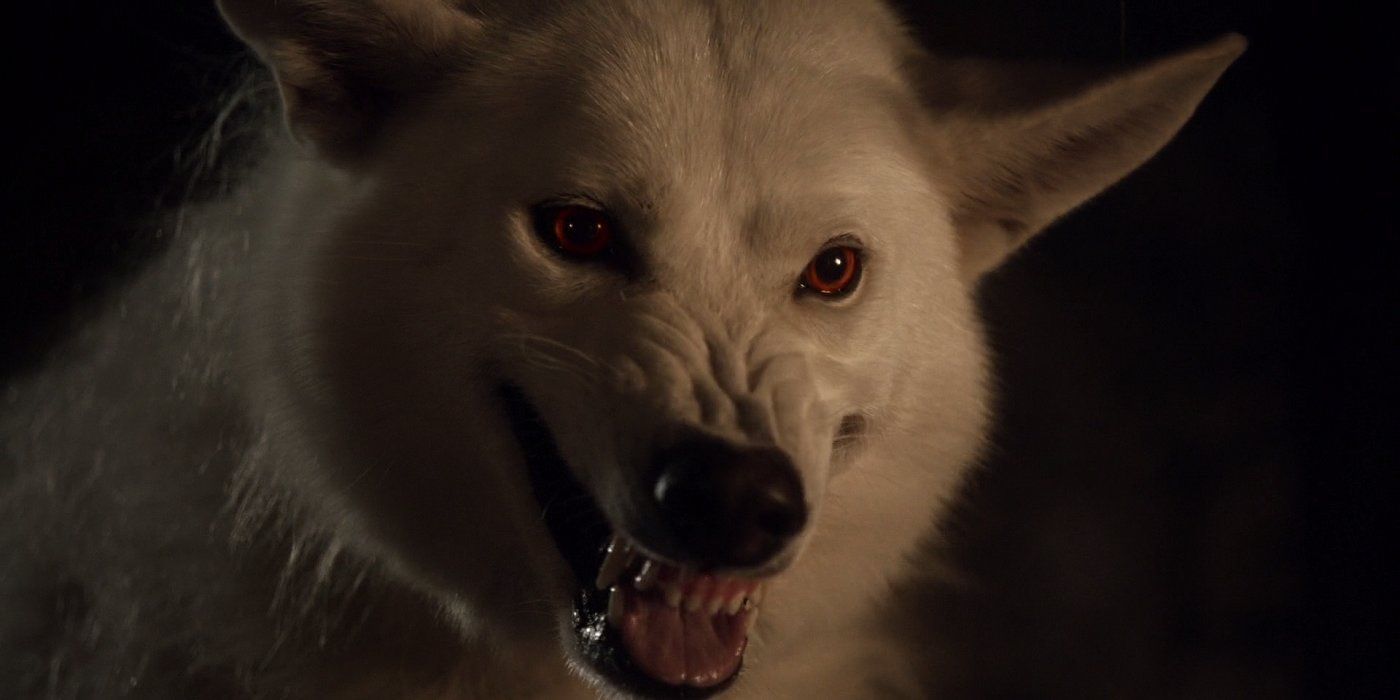
Ghost was introduced as the sole white direwolf pup among his siblings, immediately setting him apart and foreshadowing his unique destiny. His stark white fur and piercing red eyes made him visually striking, but it was his quiet, watchful nature and his deep, almost telepathic bond with Jon Snow that truly defined him. This initial presentation was crucial in establishing the direwolves as more than mere animals; they were potent symbols of the Stark children’s emerging strengths and destinies.
The Stark Connection: A Visual Representation of Heritage
The direwolves are inextricably linked to the Stark family, serving as their totems and reflections. For Jon, Ghost was an embodiment of his own perceived otherness. While his siblings had direwolves that mirrored their personalities – Grey Wind for Robb’s strategic mind, Lady for Sansa’s grace, Nymeria for Arya’s wild spirit, Shaggydog for Rickon’s untamed nature, and Summer for Bran’s burgeoning foresight – Ghost’s white coat and silent demeanor spoke to Jon’s own sense of isolation and his inherent strength, often underestimated. Ghost’s existence was a constant reminder of Jon’s Stark blood, a lineage he often struggled to reconcile with his bastard status and his life at the Night’s Watch. The visual of the lone white direwolf at Jon’s side became an iconic image, solidifying the brand of Jon Snow as a character rooted in loyalty, resilience, and a unique destiny.
The Direwolf Bond: A Representation of Loyalty and Instinct
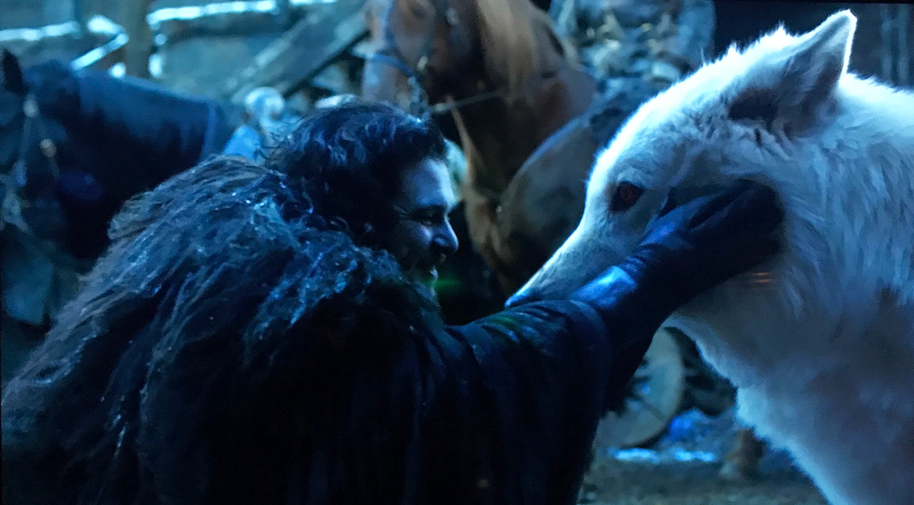
The profound connection between Jon and Ghost was one of the most potent and consistent relationships in the entire series. Unlike other relationships that were often fraught with complexity, betrayal, or impermanence, the bond between Jon and Ghost was pure and unwavering. Ghost’s intuitive understanding of threats, his preternatural senses, and his fierce protection of Jon were not just plot devices; they were visual manifestations of an unshakeable loyalty. This was a critical element in building the audience’s emotional investment in Jon’s character. Ghost’s presence offered a sense of security and reassurance, a constant reminder that Jon was not entirely alone in his perilous journey. This unwavering loyalty served as a powerful narrative anchor, reinforcing the idea that true companionship and instinct could triumph over political machinations and human fallibility.
Ghost’s Evolving Role: From Protector to Perceived Pawn
As the narrative progressed, Ghost’s role evolved. He was no longer just a companion; he became a vital asset in the war against the White Walkers. His ability to sense the undead and his ferocity in battle made him an invaluable member of Jon’s retinue. However, as the story neared its climax, the portrayal of Ghost began to shift, leading to questions and discussions among fans about his perceived diminishing importance.
The Battle for Winterfell: A Highlight of Ghost’s Prowess
The Battle of Winterfell, the climactic confrontation against the Night King and his army of the dead, was a defining moment for Ghost’s character. He fought valiantly alongside Jon, dismembering wights and demonstrating his unyielding courage in the face of overwhelming odds. His role in this battle was crucial, not only in showcasing his own martial capabilities but also in reinforcing the direwolves’ significance as powerful allies against the existential threat. The scene where Ghost charges into the fray, a silent, lethal force of nature, was a powerful visual that resonated deeply with viewers. It was a testament to the strength of the bond between man and beast, and it solidified Ghost’s reputation as a warrior in his own right. This was a pivotal moment for the “Ghost brand” within the Game of Thrones universe, showcasing him at the peak of his combat effectiveness.
The Departure from Westeros: A Narrative Contradiction?
Following the defeat of the Night King, a significant point of contention for many fans arose regarding Ghost’s fate. After Jon Snow was exiled beyond the Wall, Ghost was seemingly left behind in Winterfell, a decision that felt jarring to many who had witnessed their inseparable bond throughout the series. The rationale provided was that Ghost, as a creature of the North, would not fare well in the southern lands Jon was reportedly heading to. However, this explanation often felt insufficient to a fanbase that had grown accustomed to seeing the direwolf as an integral part of Jon’s identity and survival. This narrative choice, while perhaps intended to create a poignant separation, led to a perception among some that Ghost had become a narrative convenience, his powerful bond with Jon downplayed for the sake of moving the plot forward.
The “Ghost Effect”: Audience Perception and Brand Loyalty
The treatment of Ghost in the later seasons had a tangible impact on audience perception and, by extension, the enduring brand of Game of Thrones. Characters and their fates are central to a show’s legacy, and the way a beloved, non-human character like Ghost was handled sparked a significant amount of discussion and even disappointment.
The Discourse of Diminishment: Fan Reactions and Critiques
The fan discourse surrounding Ghost’s departure from Jon’s side was extensive. Online forums, social media discussions, and fan theories were rife with questions and critiques. Many felt that this decision undermined the emotional weight of Jon’s journey and represented a departure from the show’s earlier commitment to character consistency and emotional resonance. For viewers who had invested heavily in the Jon-Ghost relationship, this felt like a missed opportunity to deliver a powerful, emotionally satisfying conclusion. The perceived diminishment of Ghost’s role arguably weakened a key pillar of Jon’s narrative identity, impacting how his final arc was perceived by a segment of the audience.
The Lasting Legacy of a White Direwolf
Despite the controversy surrounding his later appearances, Ghost’s legacy within the Game of Thrones brand remains undeniably strong. He represents a purity of spirit, an unwavering loyalty, and a primal strength that resonated deeply with viewers. His visual distinctiveness and his integral role in Jon’s story made him an iconic character, even if his final narrative placement left some unsatisfied. The image of Ghost, the lone white direwolf, continues to be associated with the core themes of Game of Thrones: family, loyalty, survival, and the harsh realities of a world where even the most steadfast bonds can be tested. His absence at Jon’s side at the very end served as a stark reminder of the sacrifices and losses inherent in the pursuit of peace and belonging, adding a layer of melancholy to the conclusion for those who had cherished his presence. The “Ghost effect” on the audience highlights how even seemingly minor narrative decisions can shape the long-term perception and emotional connection to a brand.
aViewFromTheCave is a participant in the Amazon Services LLC Associates Program, an affiliate advertising program designed to provide a means for sites to earn advertising fees by advertising and linking to Amazon.com. Amazon, the Amazon logo, AmazonSupply, and the AmazonSupply logo are trademarks of Amazon.com, Inc. or its affiliates. As an Amazon Associate we earn affiliate commissions from qualifying purchases.