
The landscape of television drama is often punctuated by the comings and goings of its most cherished characters. Few departures, however, have resonated with the NCIS fanbase quite like that of Special Agent Leroy Jethro Gibbs’ protégé, Tony DiNozzo. For fourteen seasons, DiNozzo, portrayed with a blend of charm, humor, and unexpected depth by Michael Weatherly, was an indispensable pillar of the NCIS team. His exit from the show wasn’t just the departure of an actor; it was the conclusion of a significant chapter in the NCIS brand’s narrative arc, prompting extensive fan speculation and a deep dive into what “happened” to the character from a brand perspective. This exploration delves into DiNozzo’s brand evolution within the NCIS universe, the strategic storytelling that led to his departure, and the lasting impact of his exit on the NCIS brand itself.
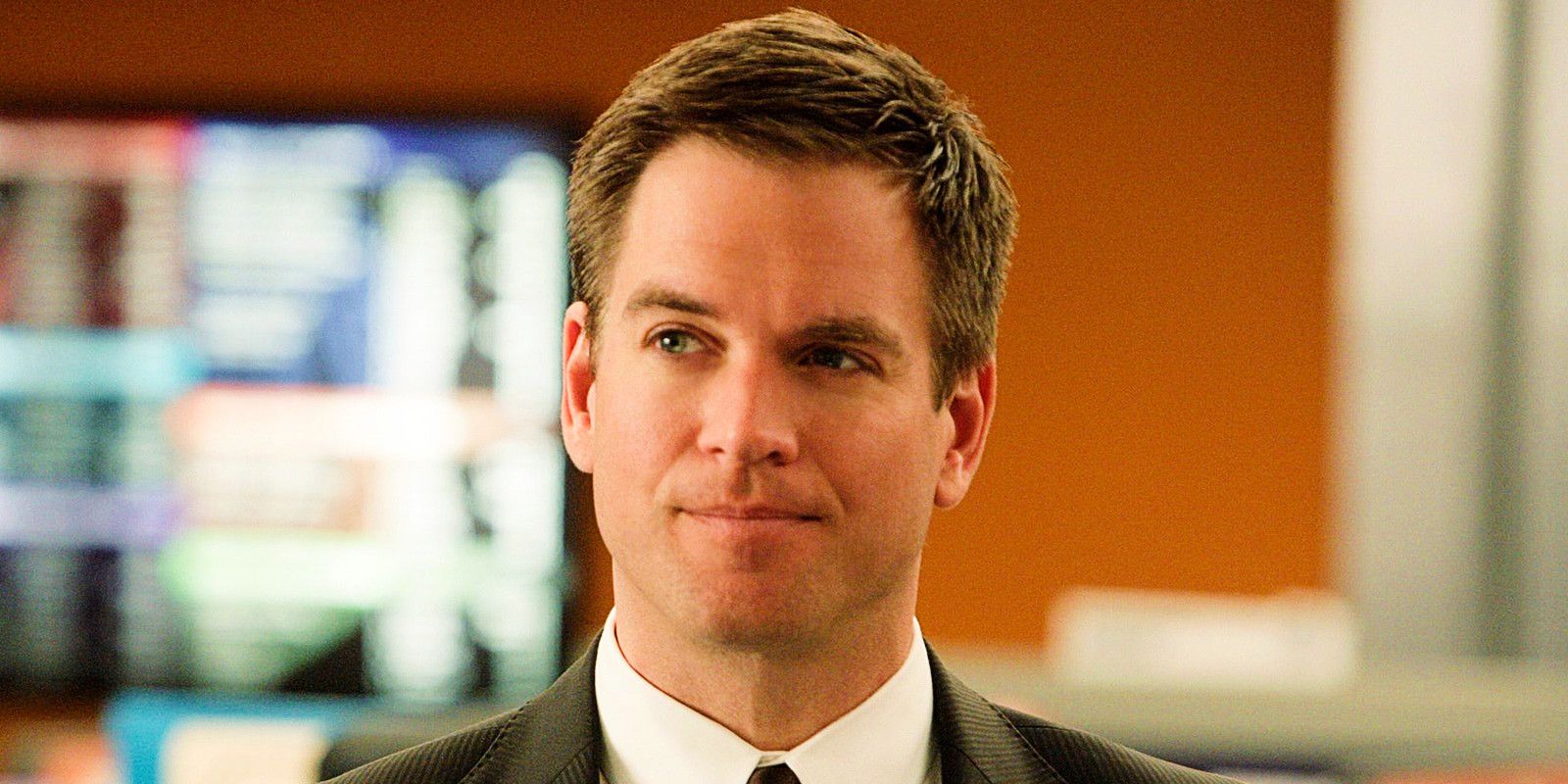
The Evolution of Tony DiNozzo: From Playboy to Protector
Tony DiNozzo’s journey within NCIS was a masterclass in character development and brand integration. Initially introduced as the quintessential ladies’ man, a sometimes immature, wisecracking agent with a penchant for pop culture references and a complicated relationship with authority, his early portrayal served a specific brand purpose. He was the foil to Gibbs’ stoic, by-the-book persona, providing comic relief and a window into a more relatable, flawed humanity. However, the writers and Michael Weatherly himself invested DiNozzo with a complexity that transcended these initial archetypes, gradually building him into a cornerstone of the NCIS brand’s emotional core.
The “Playboy” Persona and its Strategic Function
In the early seasons of NCIS, Tony DiNozzo’s character was heavily defined by his “playboy” persona. This was not merely a superficial trait; it served several strategic functions for the NCIS brand. Firstly, it provided immediate comedic relief, making the procedural elements of the show more digestible and engaging for a broad audience. His often over-the-top interactions and flamboyant lifestyle offered a stark contrast to the grim realities of murder investigations, preventing the show from becoming too bleak. Secondly, his womanizing tendencies allowed for exploration of different social dynamics and relationships within the team, often creating humorous or awkward situations that endeared him to viewers.
This persona also allowed for a degree of misdirection. While he often appeared flippant, the writers subtly began weaving in hints of a deeper, more sensitive individual beneath the surface. This early branding as a somewhat unreliable but ultimately good-hearted character set the stage for significant future development, making his eventual growth all the more impactful for the audience who had grown accustomed to his initial presentation. It was a deliberate strategy to build a multifaceted character that could sustain viewer interest over numerous seasons.
Growth Through Adversity: Building Emotional Depth
As the NCIS series progressed, the writers strategically placed DiNozzo in situations that challenged his initial persona and forced him to confront deeper aspects of his character. His relationships, particularly his evolving dynamic with Ziva David, played a pivotal role in this growth. What began as a teasing, often antagonistic professional relationship slowly blossomed into a profound bond of trust, respect, and ultimately, love. This evolution wasn’t just a romantic subplot; it was a critical element in establishing DiNozzo as a character capable of deep emotional connection, thereby enhancing the show’s dramatic stakes and appealing to a wider segment of the audience who craved more than just procedural investigations.
Furthermore, the traumatic experiences he endured, including near-death encounters, the loss of colleagues, and the constant exposure to the darkest aspects of human nature, undoubtedly shaped him. These trials forced him to mature, take on greater responsibility, and demonstrate a fierce loyalty and protectiveness towards his team. This transformation from a somewhat immature agent to a seasoned, reliable, and deeply caring individual was a testament to the brand’s commitment to evolving its characters, ensuring their continued relevance and appeal to a long-term audience. His journey became a narrative arc in itself, adding layers to the NCIS brand’s storytelling power.
The Strategic Narrative of DiNozzo’s Exit: A Calculated Departure
The departure of a character as integral as Tony DiNozzo is never a casual decision for a long-running and highly successful brand like NCIS. His exit in Season 13 was meticulously crafted, serving a clear strategic purpose within the overarching narrative and brand management of the show. It was designed to provide a satisfying, albeit emotional, conclusion to his storyline while simultaneously creating opportunities for future narrative development and the introduction of new dynamics, ensuring the continued vitality of the NCIS brand.
The Culmination of a Story Arc: Fatherhood and Fulfillment
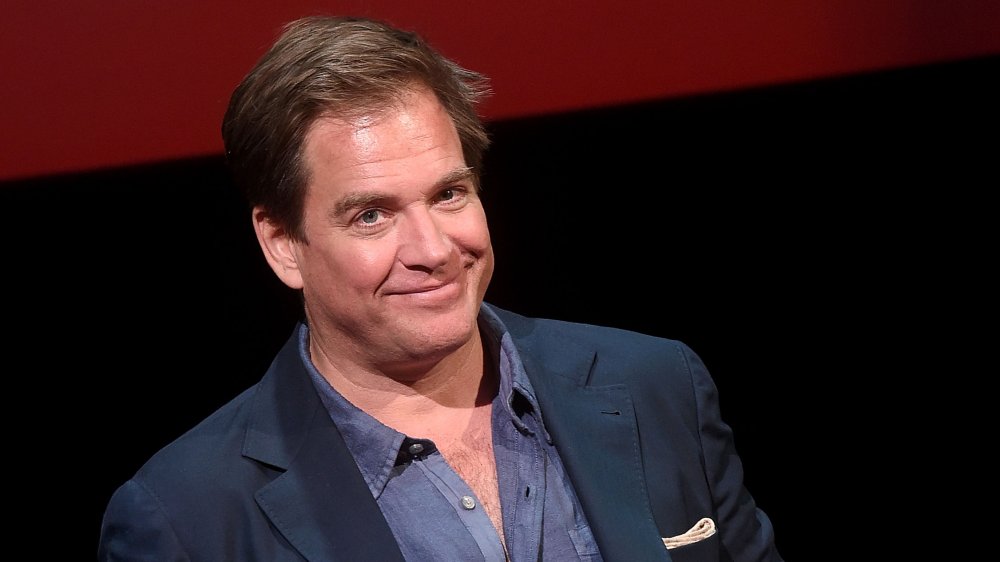
The primary driver behind Tony DiNozzo’s departure was the narrative arc that culminated in his becoming a father. The revelation of Tali David’s survival and DiNozzo’s subsequent decision to move to Paris to raise her marked a profound shift in his character. This wasn’t a hasty exit; it was the logical, albeit heart-wrenching, conclusion to his personal journey that had been developing for seasons. From a brand perspective, this move was strategically brilliant. It allowed for a complete character arc—from a carefree bachelor to a devoted father—providing a sense of closure and emotional fulfillment for a character who had been a staple of the show for so long.
This storyline provided a powerful, resonant reason for his departure that went beyond mere contractual obligations or creative shifts. It was a narrative choice that allowed the audience to see DiNozzo achieve a deeply personal goal, fulfilling a paternal instinct that had been hinted at and developed over his tenure. The decision to move to Paris, a romantic and aspirational locale, further added a layer of sophistication and a sense of a new beginning, rather than a definitive end. This ensured that while the character was gone from the show’s active storyline, his legacy and the positive feelings associated with him remained, strengthening the overall NCIS brand by providing a fulfilling narrative conclusion for a beloved figure.
Setting the Stage for the Future: New Dynamics and Legacy
DiNozzo’s departure was not solely about concluding his story; it was also a strategic move to create space for the evolution of the NCIS brand. The exit of such a prominent character, while initially leaving a void, also presented an opportunity to introduce new characters, forge new team dynamics, and explore fresh narrative territories. The character’s legacy within the show was designed to resonate, influencing future characters and storylines.
The writers skillfully ensured that DiNozzo’s influence wasn’t erased. His mentorship of younger agents, his wit, and his dedication to the job served as a blueprint for those who followed. His departure allowed for the promotion of existing characters into more senior roles and the integration of new agents who could bring their own unique personalities and perspectives to the team. This strategic infusion of new blood, while honoring the established brand identity, is crucial for the long-term sustainability of any successful television franchise. It allows the NCIS brand to remain relevant, adapt to changing audience preferences, and continue to tell compelling stories without relying solely on its original cast. The “what happened” to DiNozzo, in this context, becomes a narrative pivot that ensured the continued success and evolution of the NCIS brand.
The Lasting Impact: DiNozzo’s Enduring Brand Recognition
Even after his departure from the main NCIS narrative, Tony DiNozzo remains a potent force in the show’s brand recognition. His character’s impact transcends his physical presence on screen, influencing the show’s legacy, fan engagement, and the very identity of the NCIS brand. The discussions surrounding his fate, his character development, and his contributions to the team are a testament to his enduring appeal and the successful branding of this iconic character.
Legacy in Fan Culture and Merchandise
Tony DiNozzo’s indelible mark on NCIS fan culture is undeniable. His memorable quotes, his signature “DiNozzo-isms,” and his on-screen chemistry with his fellow cast members have cemented his place in the hearts of millions of viewers worldwide. This enduring popularity translates directly into the brand’s continued recognition and relevance. Fans frequently engage in online discussions, create fan art, and revisit episodes featuring DiNozzo, keeping his memory alive and the NCIS brand in their conversations.
Furthermore, the brand has leveraged this enduring appeal through various forms of merchandise. Action figures, apparel, and other collectibles featuring DiNozzo and other NCIS characters continue to be popular, serving as tangible representations of the brand’s success and the character’s lasting impact. The consistent demand for such items signifies that DiNozzo is not just a former character but a key element in the NCIS brand’s merchandise strategy, directly contributing to its ongoing commercial success and cultural footprint. His persona, his catchphrases, and his visual representation are all valuable assets that continue to resonate with the established fan base and attract new viewers.

The Echo in New Characters and Team Dynamics
The departure of a significant character like Tony DiNozzo inevitably leaves a void, but the NCIS brand has demonstrated a remarkable ability to fill that space while ensuring his echo can still be felt. The introduction of new agents and the evolution of existing characters have, in many ways, been shaped by the legacy DiNozzo left behind. The show’s writers have subtly woven in elements that pay homage to his character, either through direct references, through the archetypes of new agents who exhibit similar traits, or through the ongoing discussions and memories shared by the remaining team members.
For instance, new characters often find themselves navigating the same kinds of comedic or challenging situations that DiNozzo once did. The team’s dynamic, while evolving, still retains some of the foundational elements established during DiNozzo’s tenure. This strategic approach ensures that while the show moves forward, it doesn’t completely disconnect from its past. It allows the NCIS brand to maintain its core identity and appeal while continuously refreshing its narrative and character roster. The “what happened to DiNozzo” question, therefore, isn’t just about his personal story; it’s about how his story continues to inform and enrich the ongoing narrative and brand of NCIS, demonstrating the power of consistent and well-executed brand storytelling.
aViewFromTheCave is a participant in the Amazon Services LLC Associates Program, an affiliate advertising program designed to provide a means for sites to earn advertising fees by advertising and linking to Amazon.com. Amazon, the Amazon logo, AmazonSupply, and the AmazonSupply logo are trademarks of Amazon.com, Inc. or its affiliates. As an Amazon Associate we earn affiliate commissions from qualifying purchases.