
In the rapidly evolving landscape of digital media, the transition from traditional linear broadcasting to Internet Protocol Television (IPTV) has reached a critical tipping point. At the forefront of this technological shift is YouTube TV, Google’s flagship live streaming service. For tech enthusiasts and cord-cutters alike, the question of “how much does YouTube TV cost” is rarely just about the monthly bill; it is about the value of the underlying software architecture, the cloud infrastructure, and the feature-rich ecosystem that traditional cable simply cannot replicate.
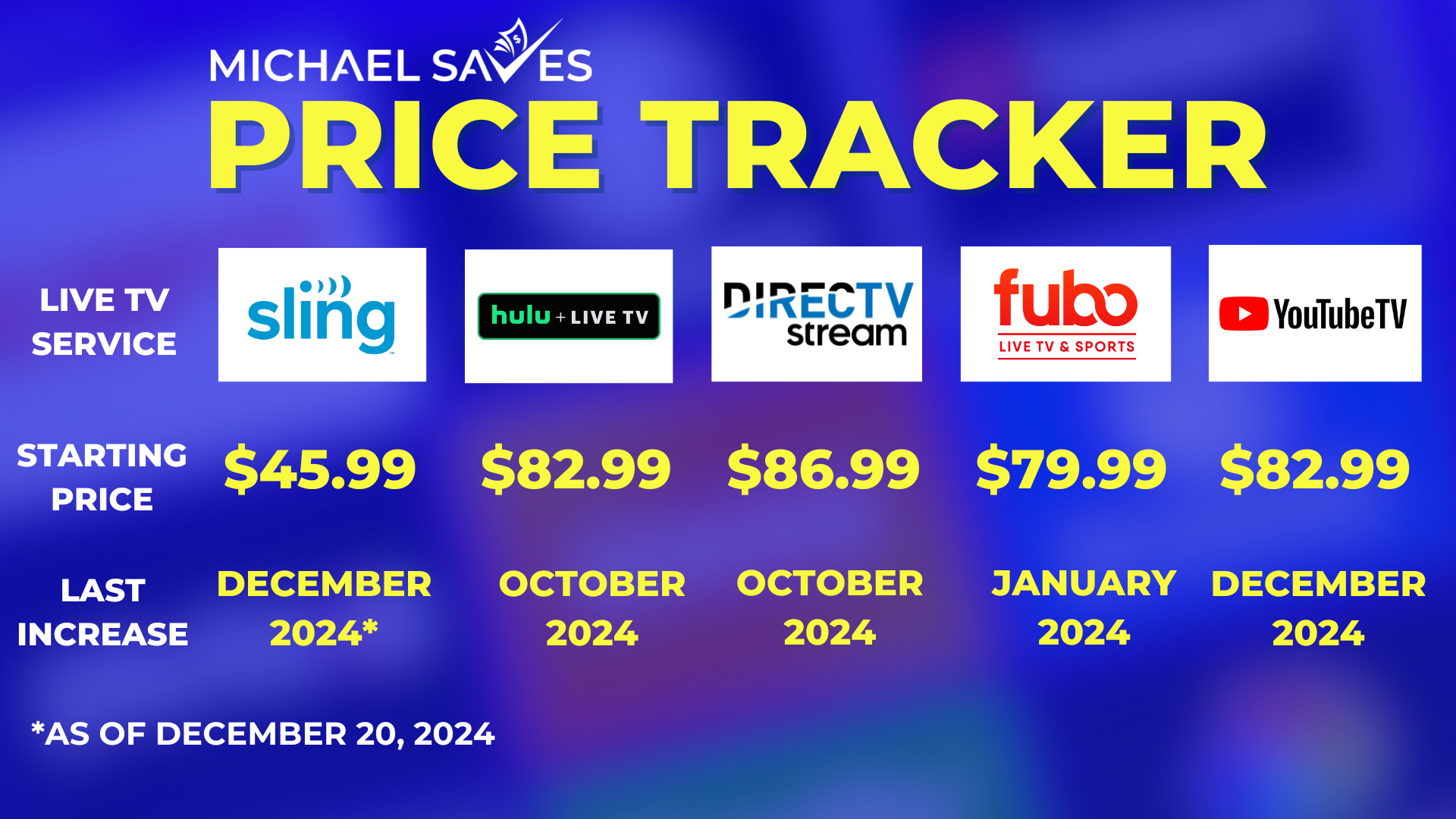
As of 2024, the baseline cost of YouTube TV is $72.99 per month, but understanding the nuances of this pricing requires a closer look at the technology, the add-ons, and the hardware requirements that define the modern streaming experience.
1. The Core Infrastructure: Understanding the Base Plan
The $72.99 monthly subscription fee for YouTube TV’s “Base Plan” represents more than just a collection of channels. It is a gateway to a sophisticated software-as-a-service (SaaS) platform that leverages Google’s global server network to deliver low-latency live video.
The Channel Stack and Cloud Licensing
The base price covers over 100 channels, including local broadcast networks (ABC, CBS, FOX, NBC), sports mainstays like ESPN, and news giants like CNN. From a technical perspective, YouTube TV utilizes advanced transcoding algorithms to ensure that these feeds are delivered efficiently across varying internet speeds. Unlike cable, which requires a physical tuner, YouTube TV’s cost includes the “virtual” hardware necessary to process these signals in the cloud.
The Unlimited Cloud DVR Advantage
One of the most significant technological advantages included in the base cost is the Unlimited Cloud DVR. In the old world of hardware DVRs, users were limited by the physical storage of their set-top box. YouTube TV’s infrastructure allows users to record as many shows as they want simultaneously, with recordings stored on Google’s servers for up to nine months. The cost of this massive data storage is baked into the monthly fee, providing a level of utility that physical hardware cannot match.
Multi-User Integration and Personalization
The base subscription allows for up to six individual accounts per household. Each account utilizes machine learning algorithms to provide personalized recommendations based on viewing history. This level of data-driven UI/UX is a core component of the tech value proposition, ensuring that every member of the family has a unique, tailored interface.
2. Advanced Tech Add-ons: Enhancing the Resolution and Reach
For users who want to push their home theater hardware to its limits, YouTube TV offers several technical upgrades. These add-ons are designed for power users who prioritize high-fidelity audio/visual experiences and specialized content.
The 4K Plus Add-on: Pushing the Bitrate
The most notable technical upgrade is the “4K Plus” package, which typically adds an additional $9.99 per month to the bill. This add-on unlocks 4K Ultra High Definition (UHD) streaming for select live and on-demand content. Beyond resolution, the 4K Plus package also enables “Offline Viewing,” allowing users to download recordings to mobile devices—a technical feat that involves complex Digital Rights Management (DRM) protocols.
Sports Plus and Technical Niche Bundles
For $10.99 per month, the Sports Plus add-on introduces a suite of high-action channels like NFL RedZone and beIN SPORTS. From a tech standpoint, these channels often require higher frame rates (60fps) to ensure smooth motion during fast-paced gameplay. YouTube TV’s ability to maintain high frame rates across multiple devices is a testament to its robust content delivery network (CDN).
Premium Network Integrations
YouTube TV acts as a centralized hub for other streaming apps. You can integrate Max (formerly HBO Max), STARZ, and Showtime directly into the YouTube TV interface. This integration is handled via API hooks that allow for “single-point billing” and a unified search function. Instead of switching between five different apps, the YouTube TV software aggregates the metadata into one searchable database, charging users the standard market rate for these premiums (ranging from $7 to $16 per month).
3. Hardware Ecosystem and Network Requirements
The “cost” of YouTube TV extends beyond the subscription to the hardware and bandwidth necessary to sustain the service. Because it is a cloud-based platform, the user’s local tech stack plays a vital role in performance.
Device Compatibility and App Optimization
YouTube TV is compatible with a wide array of hardware, including:
- Smart TV Platforms: Roku, Amazon Fire TV, Android TV/Google TV, and Samsung/LG native OS.
- Streaming Sticks: Chromecast with Google TV, Apple TV 4K, and Nvidia Shield.
- Gaming Consoles: PlayStation 5 and Xbox Series X/S.
- Mobile and Web: iOS, Android, and all major web browsers.
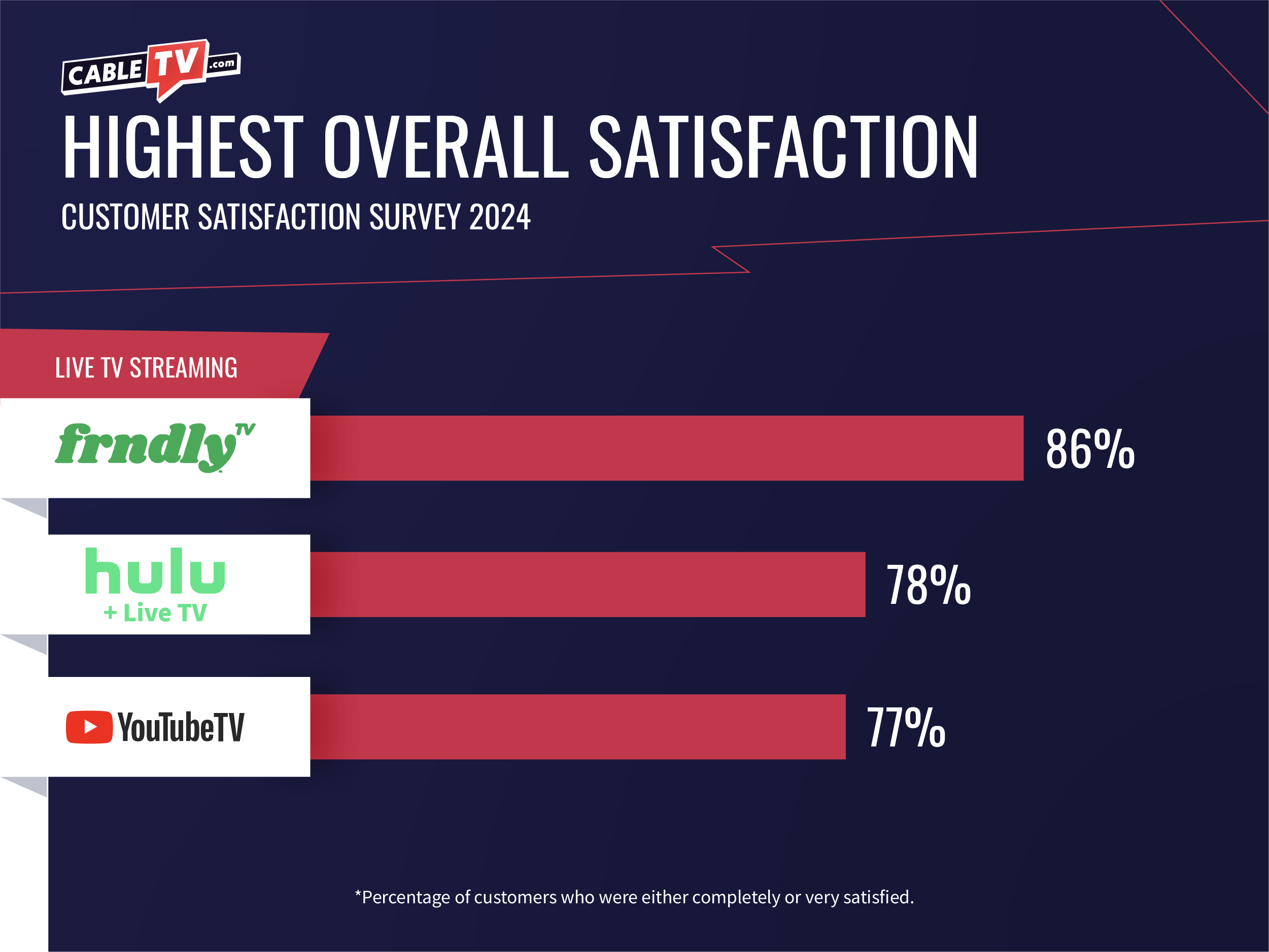
Each of these platforms requires specific app optimization. The cost of the subscription funds the continuous development of these apps to ensure they take advantage of specific hardware accelerations, such as the Apple A-series chips or the Nvidia Tegra processors.
Bandwidth and Data Throughput
To get the most out of the $72.99/month investment, users need a robust home network. For a single 1080p stream, a consistent 7-10 Mbps connection is required. However, for a household running multiple 4K streams, a gigabit connection (Fiber or high-end Cable) is recommended. Users must also factor in data caps imposed by Internet Service Providers (ISPs). Since streaming live TV can consume 2GB to 5GB of data per hour, the hidden “cost” of the tech can manifest in ISP overage fees if the user does not have an unlimited data plan.
Latency and the “Live” Tech Gap
One of the technical hurdles YouTube TV has worked to overcome is “broadcast delay.” Streaming video usually lags 30–60 seconds behind a live cable signal. YouTube TV has introduced “Decrease Latency” settings in their app, which reduces the buffer to bring the stream closer to real-time. This is a crucial feature for sports fans who don’t want spoilers from social media notifications.
4. The Proprietary Features: Why the Price is Justified by Tech
When comparing YouTube TV to competitors like Hulu + Live TV or Fubo, the differentiation often lies in the proprietary features that Google’s engineers have built into the interface.
Multiview: The Power of Server-Side Stitching
A standout feature for sports enthusiasts is “Multiview,” which allows users to watch up to four live feeds on a single screen. Unlike older “Picture-in-Picture” tech that required multiple tuners in a box, YouTube TV performs the “stitching” of these four feeds on their own servers. The end-user’s device only receives a single stream that contains all four images, which saves local processing power and bandwidth. This is a sophisticated cloud-computing solution included in the base cost.
Key Plays and Real-Time Stats
The service utilizes Google’s AI to identify “Key Plays” in sports broadcasts. If you join a game late, the software allows you to watch a curated loop of highlights before jumping into the live action. Furthermore, the integration of real-time stats and fantasy league data directly into the overlay demonstrates the power of data-synchronization technology.
Voice Control and Smart Home Integration
As part of the Google ecosystem, YouTube TV integrates seamlessly with Google Assistant. Users can say, “Hey Google, tune to ESPN on the Living Room TV,” and the software executes the command across the network. This interoperability is a key selling point for those invested in the “Smart Home” or “Internet of Things” (IoT) landscape.
5. Security, Privacy, and the Digital Future
As a cloud-based service, YouTube TV operates under a different security model than traditional cable. The cost of the service includes the maintenance of high-level encryption and secure login protocols.
Account Security and Geo-Fencing
YouTube TV uses sophisticated geo-location technology (GPS on mobile and IP-tracking on TVs) to ensure that users receive the correct local affiliate channels. This tech also prevents account sharing outside of the “home area” designated by the primary subscriber. While this can be a hurdle for some, it is a necessary digital security measure to comply with broadcasting rights and content licensing agreements.
The Evolution of the Pricing Model
Will the cost of YouTube TV stay at $72.99? In the tech world, prices are often dictated by the rising costs of content acquisition and the ongoing investment in server infrastructure. As 8K streaming and augmented reality (AR) integrations become more feasible, we may see new “Tech Tiers” introduced.
Currently, YouTube TV offers a “Spanish Plan” for $34.99/month for those who don’t need the full English-language stack, showcasing how the platform can be digitally “sliced” to meet different market segments without the need for physical equipment changes.

Conclusion: The Verdict on the Value of the Stream
The cost of YouTube TV is a reflection of the transition from hardware-dependent media to software-defined entertainment. At $72.99 per month, it is not the cheapest option on the market, but from a technological perspective, it is arguably the most advanced. Between the unlimited cloud storage, the server-side multiview processing, and the deep integration with the Google Assistant ecosystem, the service provides a level of flexibility and power that traditional cable cannot match.
For the modern user, paying for YouTube TV is an investment in a platform that evolves every month. Whether it’s through UI updates, better compression codecs, or new interactive features, the value is found in the code as much as the content. As we look toward the future of digital media, YouTube TV remains the benchmark for how technology can transform a legacy industry into a streamlined, data-driven experience.
aViewFromTheCave is a participant in the Amazon Services LLC Associates Program, an affiliate advertising program designed to provide a means for sites to earn advertising fees by advertising and linking to Amazon.com. Amazon, the Amazon logo, AmazonSupply, and the AmazonSupply logo are trademarks of Amazon.com, Inc. or its affiliates. As an Amazon Associate we earn affiliate commissions from qualifying purchases.