
The biblical narrative of Cain and Abel, a foundational story of fratricide born from jealousy and divine favor, resonates through human history as a stark illustration of primal conflict. While seemingly divorced from the modern corporate landscape, the underlying themes of rivalry, perceived inequity, and the devastating consequences of destructive competition offer profound, albeit metaphorical, insights into the world of brands. In the relentless arena of the marketplace, brands, much like these ancient brothers, engage in perpetual struggles for dominance, relevance, and the enduring favor of their target audiences. This article delves into how the lessons of Cain and Abel can be applied to understanding brand evolution, the dynamics of competitive survival, and the strategic imperatives for brands to not only endure but thrive in a constantly shifting commercial ecosystem.

The Genesis of Brand Rivalry: Seeds of Discontent
Every brand’s journey begins with a vision, a product, or a service designed to meet a consumer need. However, the moment a competitor emerges, especially one offering a similar value proposition, the seeds of rivalry are sown. This can manifest as a subtle tension or an outright battle for market share, consumer attention, and perceived superiority. The story of Cain and Abel highlights how external factors, such as perceived favoritism (Abel’s offering being accepted by God), can ignite deep-seated insecurities and fuel destructive behaviors. In the branding world, this translates to how brands perceive their competitors’ successes, the perceived advantages of rival offerings, and the impact of marketing narratives on consumer perception.
Perceived Favoritism and the Quest for Differentiation
Just as Abel’s sacrifice was favored, brands that initially capture significant market attention or achieve rapid growth can be perceived as having a unique advantage. This can trigger anxiety and a desperate scramble among other brands to emulate or surpass this success. This “perceived favoritism” isn’t always about objective superiority but often about effective storytelling, superior market timing, or a more resonant brand message. For instance, when a new tech gadget or a disruptive service enters the market and garners widespread acclaim, established players often feel immense pressure to respond. This can lead to a reactive rather than a proactive approach to innovation and marketing, a pitfall that mirrors Cain’s hasty and ill-conceived reaction. The key for brands is to understand that true differentiation lies not in merely copying, but in cultivating unique strengths and communicating them authentically. This requires a deep understanding of their own brand identity and the specific value they bring to consumers, rather than fixating on the perceived triumphs of others.
The Echo of Envy: Competitive Blind Spots
Envy, a corrosive emotion, can lead to irrational decision-making. When brands become overly fixated on their competitors’ achievements, they risk developing blind spots regarding their own intrinsic value and the evolving needs of their customers. Cain’s envy blinded him to the possibilities of his own path, leading him to focus on eliminating his brother rather than refining his own offering. Similarly, brands caught in a cycle of competitive envy may pour resources into directly attacking rivals or mimicking their strategies, neglecting essential areas like customer experience, product development, or long-term brand building. This can result in a loss of authentic brand voice and a dilution of their core identity. Effective brands, however, learn to channel competitive awareness into strategic self-improvement. They analyze competitors to identify market gaps and opportunities for innovation, rather than allowing envy to dictate their actions. This mindful approach ensures that competitive analysis remains a tool for growth, not a catalyst for self-destruction.
The Fall from Grace: When Brand Identity Crumbles
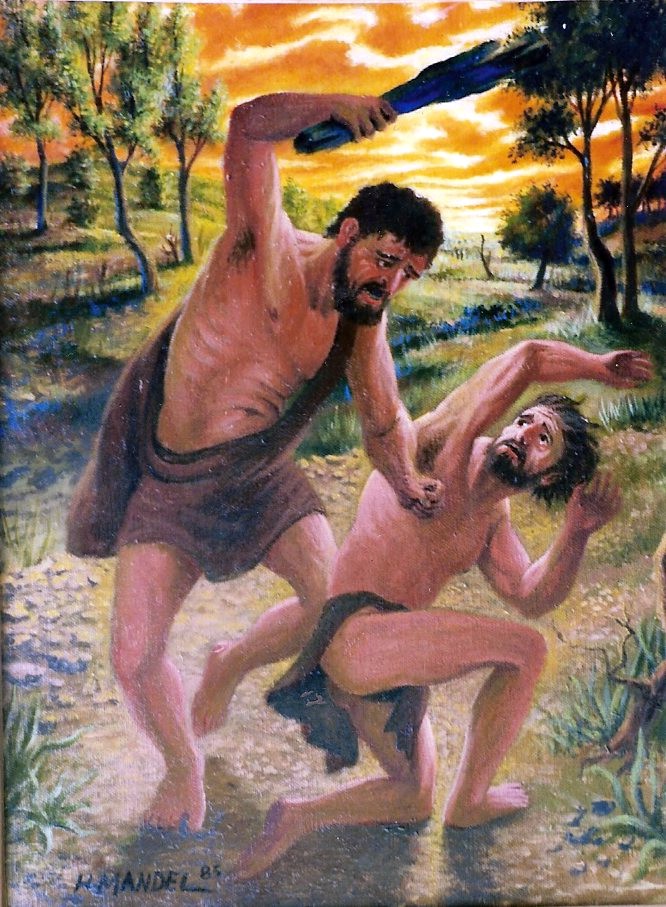
The ultimate consequence of Cain’s actions was his exile and the branding of him as a wanderer, forever marked by his deed. In the corporate realm, brands that engage in unethical practices, prioritize short-term gains over long-term integrity, or fail to adapt to market shifts can experience a similar “fall from grace.” This can manifest as a loss of consumer trust, a decline in market share, and a tarnished reputation that is incredibly difficult to rebuild. The narrative serves as a cautionary tale about the lasting impact of destructive choices on a brand’s legacy and identity.
Erosion of Trust: The Cain Mark on Reputation
The story of Cain’s crime and his subsequent marking by God underscores the indelible nature of reputational damage. Once trust is broken, especially on a fundamental level, it is incredibly difficult to restore. For brands, this “Cain mark” can be inflicted through a variety of transgressions: product recalls due to safety issues, deceptive advertising, data breaches, or a failure to uphold ethical business practices. When a brand is perceived as untrustworthy, consumers not only cease to purchase its products but also actively warn others, creating a powerful negative ripple effect. Rebuilding trust requires not just apologies but sustained, demonstrable actions that prove a commitment to integrity and customer well-being. This often involves transparency, accountability, and a significant investment in rebuilding relationships, a process that can take years, if it is achievable at all.
Strategic Missteps: Wandering in the Market Wilderness
Cain, exiled from his community, became a wanderer. Brands that fail to adapt their strategies, clinging to outdated business models or ignoring emerging consumer trends, risk a similar fate of market irrelevance. The digital revolution, the rise of sustainability concerns, and the ever-increasing power of informed consumers have reshaped the commercial landscape. Brands that are unwilling or unable to evolve find themselves adrift, losing their connection with their target audience and becoming increasingly marginalized. This “wandering” can be characterized by declining sales, an inability to attract new customers, and a general sense of being left behind. Unlike Cain’s physical exile, this is a self-inflicted condition driven by a lack of foresight, an unwillingness to innovate, or a failure to understand the evolving dynamics of the marketplace. The path back from such a state requires a fundamental re-evaluation of brand purpose, strategic direction, and operational agility.
The Enduring Legacy: Lessons for Brand Renaissance
While the story of Cain and Abel is a tragedy, it also contains elements that can inspire a path toward brand renewal and enduring success. The concept of a “mark” can be reinterpreted not as a curse, but as a unique identifier, a testament to a brand’s journey. Furthermore, the narrative implicitly highlights the importance of community, collaboration, and responsible stewardship – principles that are vital for any brand seeking long-term viability.
Reinterpreting the “Mark”: From Stigma to Distinction
In the modern branding context, a brand’s “mark” is its identity, its logo, its unique selling proposition, and the sum of all consumer experiences. While Cain’s mark was a brand of shame, a brand’s “mark” today can be a badge of honor, signifying its history, its resilience, and its core values. Brands that have weathered significant challenges, overcome crises, or pioneered new industries often have a deeply ingrained “mark” that resonates with consumers. Think of brands that have faced public scrutiny but emerged stronger, or those that have consistently delivered on their promises for decades. Their “mark” is not a sign of past failures, but a testament to their ability to learn, adapt, and persevere. The challenge for brands is to ensure that their enduring mark is one of positive association, built on a foundation of ethical conduct, consistent quality, and a genuine connection with their audience.
Cultivating a Brand of Stewardship: Beyond the Single Offering
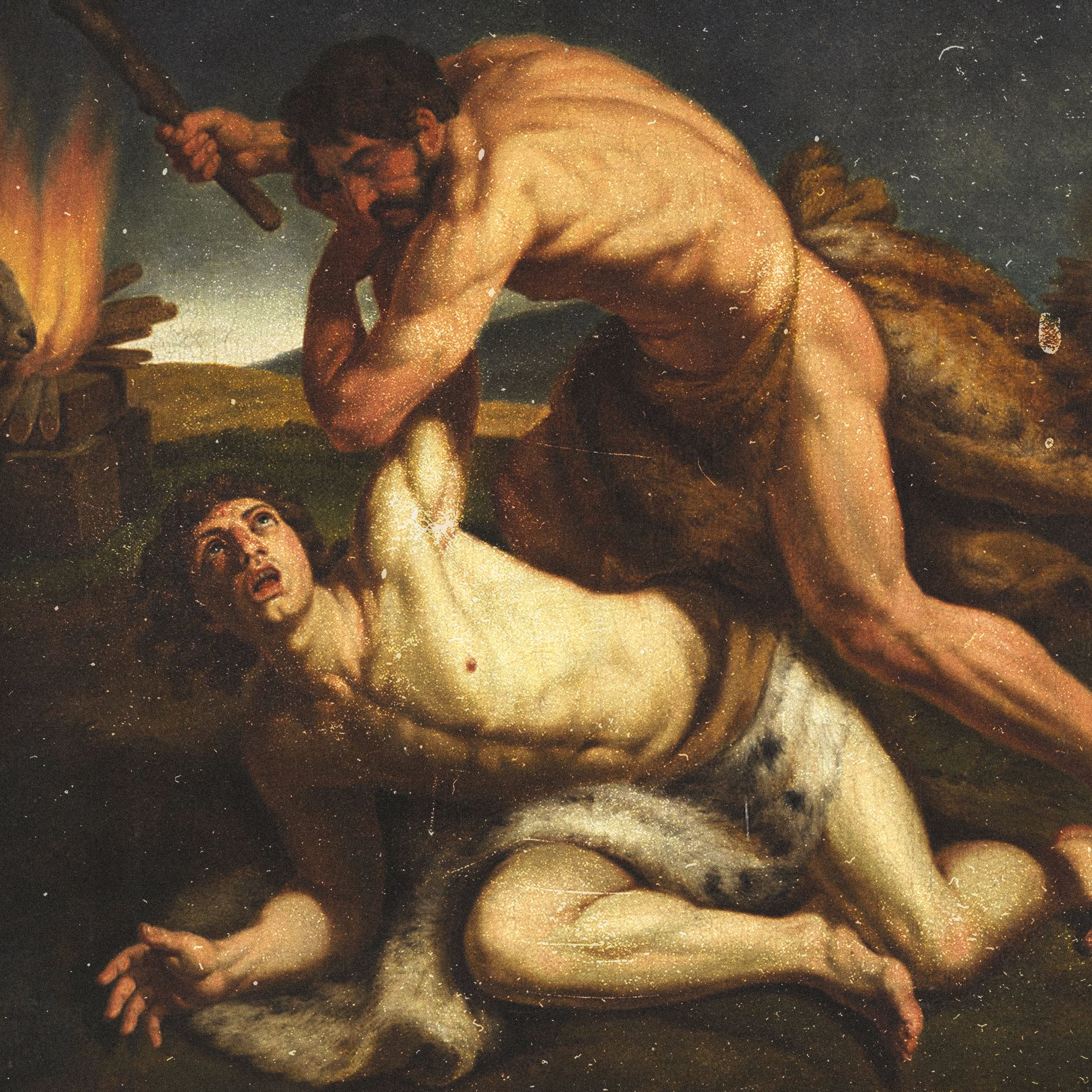
The Cain and Abel narrative, at its core, is about the failure to coexist and to embrace a broader sense of responsibility. In branding, this translates to the importance of moving beyond a singular, myopic focus on immediate profit or market share. Brands that thrive are those that act as responsible stewards – of their industry, of their customers, and of the wider community. This involves a commitment to sustainability, ethical sourcing, fair labor practices, and contributing positively to society. Such stewardship builds not only loyalty but also a stronger, more resilient brand that can withstand the inevitable storms of market change. It fosters a sense of shared purpose, moving beyond mere transactional relationships to build enduring emotional connections. Brands that embrace this holistic approach are less susceptible to the destructive rivalries that can plague the marketplace, positioning themselves for sustained relevance and a legacy that extends far beyond their initial product or service. The ultimate lesson from the Cain and Abel saga is that while competition is inevitable, destructive rivalry born from jealousy and shortsightedness leads only to ruin. True brand success lies in self-awareness, strategic adaptation, unwavering integrity, and a commitment to building a positive, enduring legacy.
aViewFromTheCave is a participant in the Amazon Services LLC Associates Program, an affiliate advertising program designed to provide a means for sites to earn advertising fees by advertising and linking to Amazon.com. Amazon, the Amazon logo, AmazonSupply, and the AmazonSupply logo are trademarks of Amazon.com, Inc. or its affiliates. As an Amazon Associate we earn affiliate commissions from qualifying purchases.