
The trajectory of Katsuki Bakugo, a pivotal character in the globally acclaimed My Hero Academia (Boku no Hero Academia), has been one of the most dynamic and intensely scrutinized arcs within the series. From his initial portrayal as an arrogant, explosive prodigy driven by a singular, often destructive, ambition to his later manifestations, his journey has captivated audiences. This evolution isn’t merely a plot device; it represents a profound exploration of character development, particularly through the lens of personal branding. How has Bakugo’s “brand”—his public persona, his perceived strengths, his core values, and his impact on the narrative’s overall message—shifted, and what does this tell us about the forces that shape influential characters in popular media?
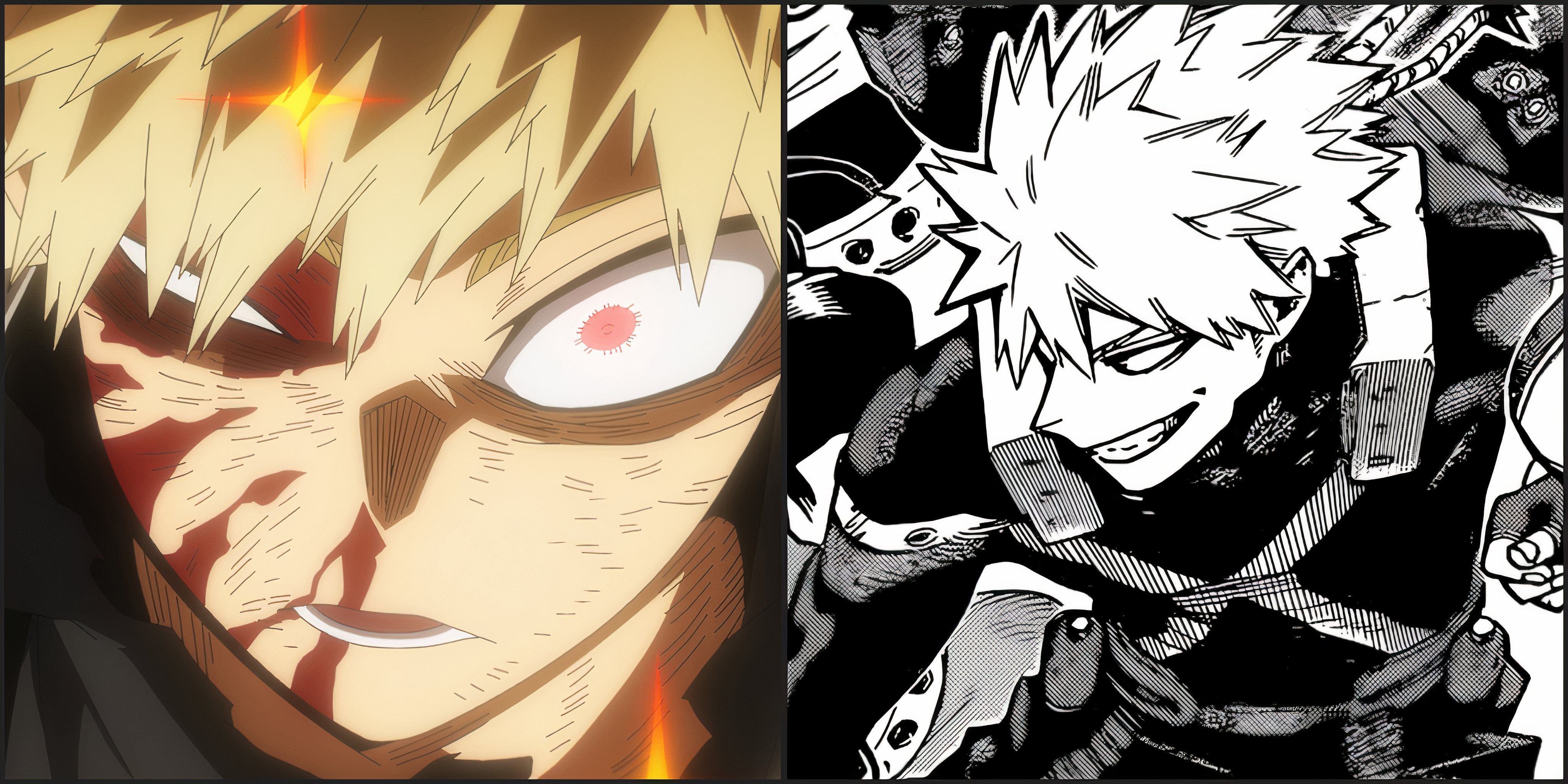
The Unyielding Core: Early Brand Identity as “The Apex Predator”
Katsuki Bakugo burst onto the scene as a force of nature, a stark contrast to the more overtly heroic archetypes. His initial brand was built on a foundation of raw power, unbridled aggression, and an almost pathological belief in his own superiority. This wasn’t a carefully crafted marketing strategy, but rather an authentic, albeit volatile, expression of his inherent personality and Quirk.
Defining Characteristics: Raw Power and Unapologetic Arrogance
Bakugo’s Quirk, Explosion, perfectly mirrored his personality: potent, flashy, and difficult to control. His early brand identity was inextricably linked to this power, making him an immediate visual and narrative spectacle. He didn’t seek validation; he demanded it, believing his strength inherently granted him leadership and the right to disdain those he deemed weaker. This unwavering self-belief, while often alienating, was also a compelling aspect of his character. It presented a clear, albeit dark, brand promise: unrivaled power and an uncompromising will to win.
The “King Explosion Murder” Persona: A Deliberate Marketing Ploy?
The moniker “King Explosion Murder” was more than just a chuunibyou-esque boast; it was a strategic reinforcement of his brand. It was designed to intimidate, to assert dominance, and to cultivate an image of an unstoppable antagonist. This persona acted as a marketing campaign for his own perceived dominance, ensuring that no one in the nascent hero society, nor the audience, could overlook his presence or his ambitions. This deliberate cultivation of an intimidating persona, even in a fictional context, mirrors how individuals and brands might leverage specific traits to establish a distinct market position.
Perceived Strengths and Weaknesses: The Double-Edged Sword
Bakugo’s perceived strengths were undeniable: exceptional combat ability, an intuitive understanding of his Quirk, and an iron will. However, his weaknesses were equally glaring: a severe lack of empathy, a tendency towards excessive force, and an inability to collaborate. These weaknesses, while detrimental to his potential as a traditional hero, actually served to make his “brand” more compelling and complex. He was a flawed, dangerous product, not a perfectly polished one, and this imperfection resonated with a segment of the audience seeking something beyond the conventional.
The Cracks Appear: Rebranding Through Adversity and Growth
The catalyst for Bakugo’s brand evolution was not a sudden epiphany, but a series of profound and deeply humiliating experiences. These moments of vulnerability, initially perceived as catastrophic to his carefully constructed image, became the fertile ground for significant personal and narrative growth. His encounters with Izuku Midoriya, his capture by the League of Villains, and the tragic events of the Paranormal Liberation War each chipped away at his unyielding facade, forcing a re-evaluation and, ultimately, a rebranding.
The Confrontation with Midoriya: A Shattered Monopoly
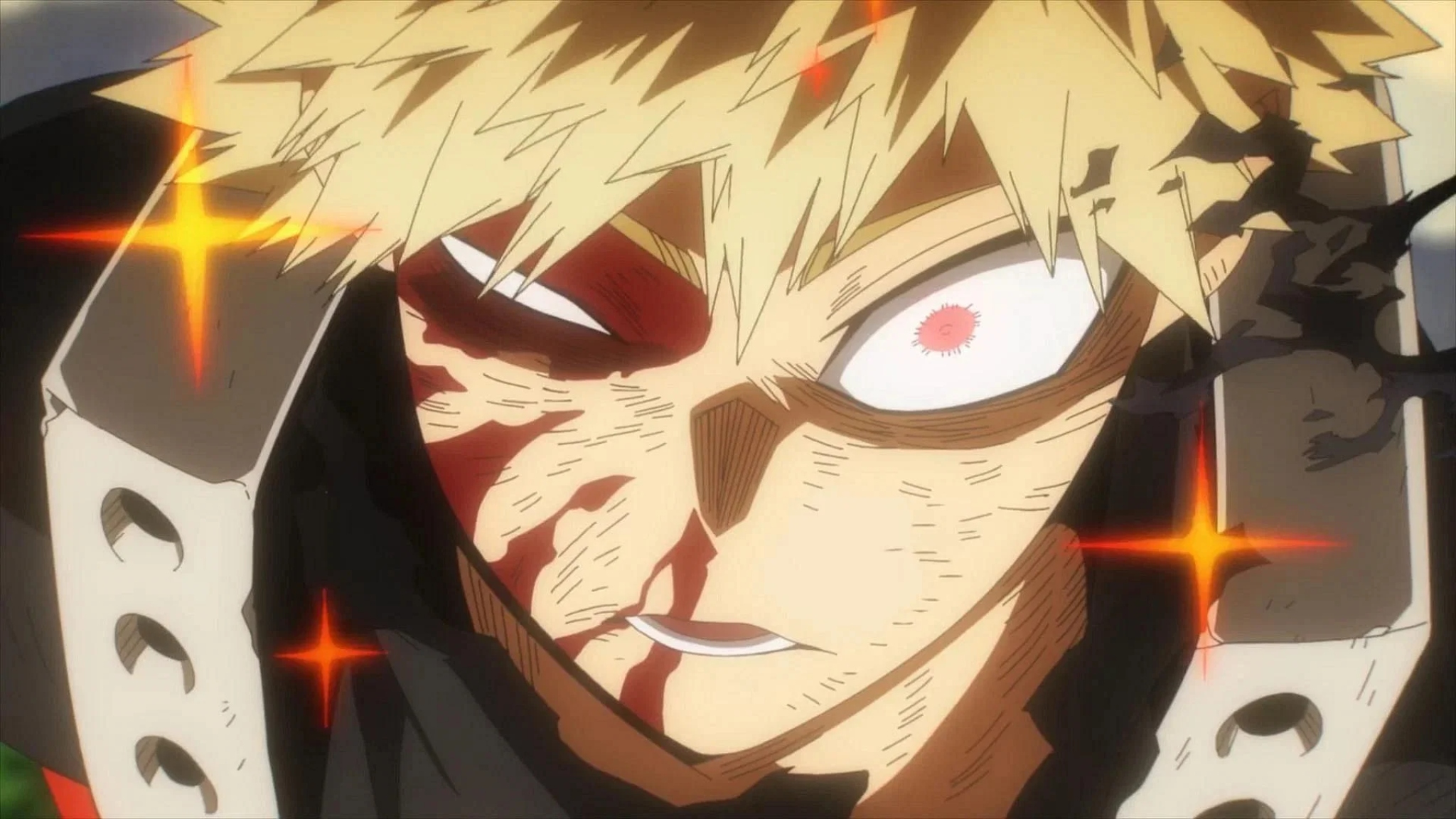
Bakugo’s obsession with Midoriya, his childhood friend and rival, was central to his early identity. Midoriya’s unexpected rise in power and his unwavering belief in kindness represented a direct challenge to Bakugo’s notion of inherent superiority. The moments where Midoriya demonstrated his own strength, often fueled by a desire to protect others, began to sow seeds of doubt in Bakugo’s mind. This wasn’t just a rivalry; it was a philosophical clash that forced Bakugo to question the exclusivity of his own “brand” of strength. He had to confront the possibility that his way wasn’t the only, or even the most effective, path to heroism.
The League of Villains Incident: A Taste of True Powerlessness
Bakugo’s capture by the League of Villains was a pivotal moment that shattered his self-image. For the first time, he was utterly outmatched and stripped of his agency. This experience, while deeply scarring, forced him to confront his limitations and the true nature of power. The League’s leader, All For One, and other powerful figures demonstrated a level of strength and manipulation that dwarfed his own. This period of captivity and interrogation, where he was forced to confront his past arrogance and the consequences of his actions, was instrumental in his deconstruction and subsequent reconstruction. He was no longer just an aggressive force; he was a survivor who had faced true powerlessness.
The War Arc and the Burden of Responsibility: Elevating the Brand
The culmination of his growth, particularly during the final arcs, saw Bakugo’s brand evolve from that of a solitary predator to a crucial team player, albeit one still with his signature intensity. His actions during the war against Shigaraki and his allies demonstrated a newfound respect for others, a willingness to strategize collaboratively, and a profound sense of responsibility. His critical role in the confrontation with All For One, including his surprising act of saving Endeavor and his courageous, albeit ultimately futile, attempt to defeat the villain, solidified his transformation. He had proven that his strength could be channeled not just for personal glory, but for the protection of others, a fundamental shift in his brand narrative.
The Evolved Brand: “The Unflinching Guardian”
The Katsuki Bakugo of the later arcs is a far cry from the arrogant, bullying prodigy of the beginning. His brand has undergone a sophisticated rebranding, driven by internal growth and external validation, without sacrificing the core elements that made him compelling in the first place. He has successfully transitioned from a purely antagonistic or self-serving figure to a complex, indispensable hero.
Redefining Dominance: From Aggression to Resilience
Bakugo’s dominance is no longer solely defined by raw power or aggressive posturing. Instead, his brand now encompasses an unflinching resilience, an unwavering resolve in the face of overwhelming odds. He has learned that true strength lies not just in offensive capabilities, but in the ability to withstand defeat, to learn from mistakes, and to continue fighting. This resilience, coupled with his refined combat prowess, makes him a more formidable and respected figure. His brand promise has subtly shifted from “I am the strongest” to “I will never give up.”
The Nuances of Collaboration: A Brand Built on Trust (Earned)
Perhaps the most significant shift in Bakugo’s brand is his newfound capacity for collaboration. While he may never be the most outwardly charismatic team member, his actions demonstrate a genuine understanding and appreciation for his allies. His strategic input, his willingness to protect others, and his sharp critiques, now tinged with concern rather than contempt, have earned him the trust of his peers. This evolution showcases how a brand, even one built on a strong, individualistic identity, can expand its reach and impact by demonstrating an ability to integrate and contribute to a larger collective. His brand now signifies not just individual power, but the power of synergy, earned through mutual respect.
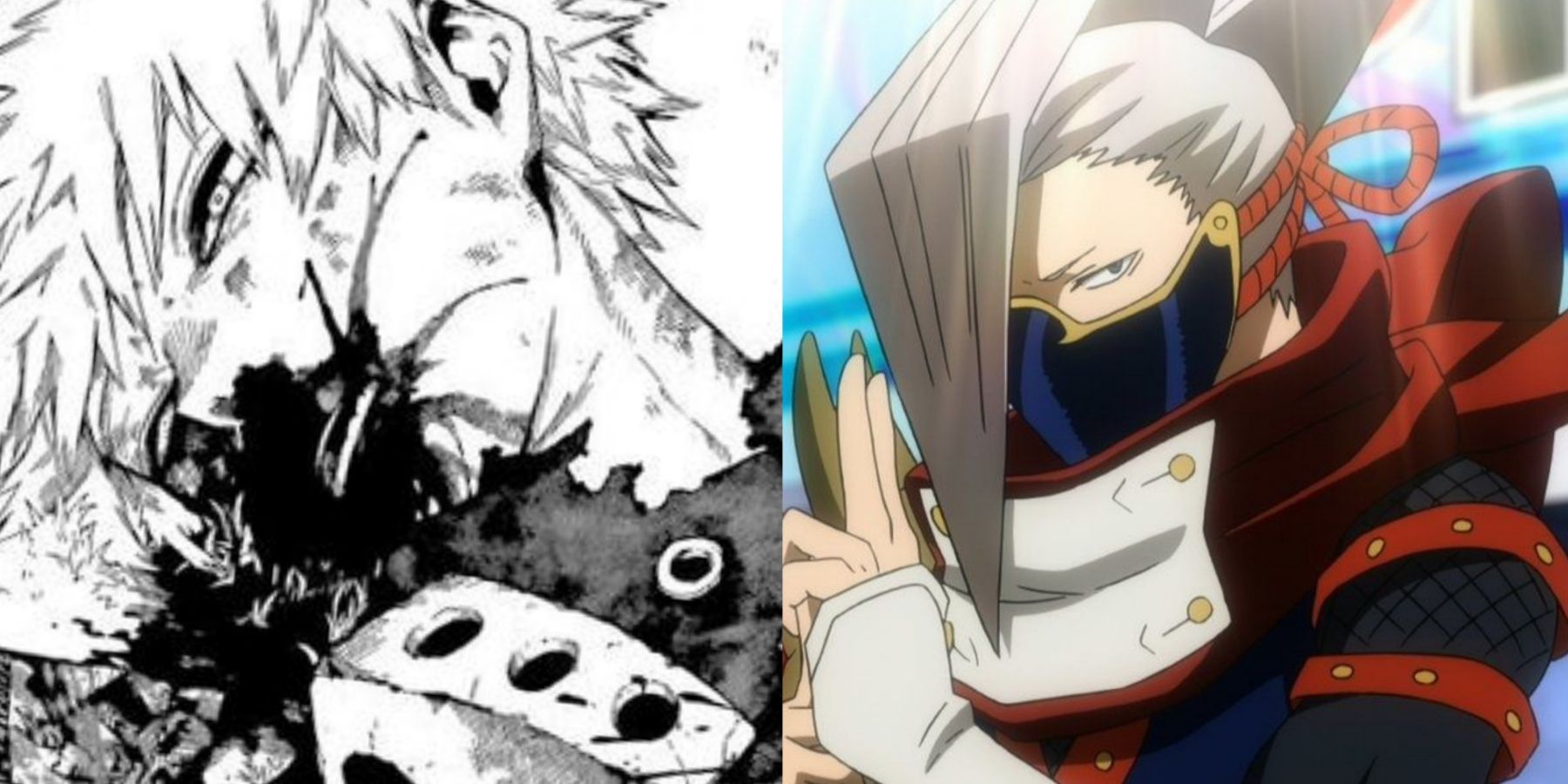
The Impact on the Narrative’s Message: A More Mature Heroic Ideal
Bakugo’s brand evolution significantly enriches the overarching themes of My Hero Academia. His journey validates the idea that heroism is not a static trait but a process of continuous growth and self-improvement. It demonstrates that even those with seemingly insurmountable flaws can achieve redemption and contribute meaningfully to society. His transformation provides a more nuanced and mature perspective on what it means to be a hero, suggesting that true strength lies in the courage to confront one’s own demons and to emerge, not unscathed, but stronger and more capable of making a positive impact. The “what happened to Bakugo” isn’t just a question of plot; it’s a testament to the enduring power of character development and the strategic branding of an individual’s potential.
aViewFromTheCave is a participant in the Amazon Services LLC Associates Program, an affiliate advertising program designed to provide a means for sites to earn advertising fees by advertising and linking to Amazon.com. Amazon, the Amazon logo, AmazonSupply, and the AmazonSupply logo are trademarks of Amazon.com, Inc. or its affiliates. As an Amazon Associate we earn affiliate commissions from qualifying purchases.