
The final moments of Attack on Titan are a swirling vortex of resolution, tragedy, and a chillingly profound commentary on the cyclical nature of conflict. While ostensibly a tale of titans and humanity’s struggle for survival, the series’ conclusion, when examined through a technological framework, reveals a sophisticated narrative algorithm. It’s an intricate system of inputs, conditional branches, and emergent properties that reflect our own evolving relationship with technology, and the often-unforeseen consequences of its application. The end isn’t just a story conclusion; it’s a complex simulation of societal evolution, driven by choices, power, and the pervasive influence of information – elements that resonate deeply within the tech landscape.
The Architecture of Conflict: Data, Ideology, and the Algorithmic Bias
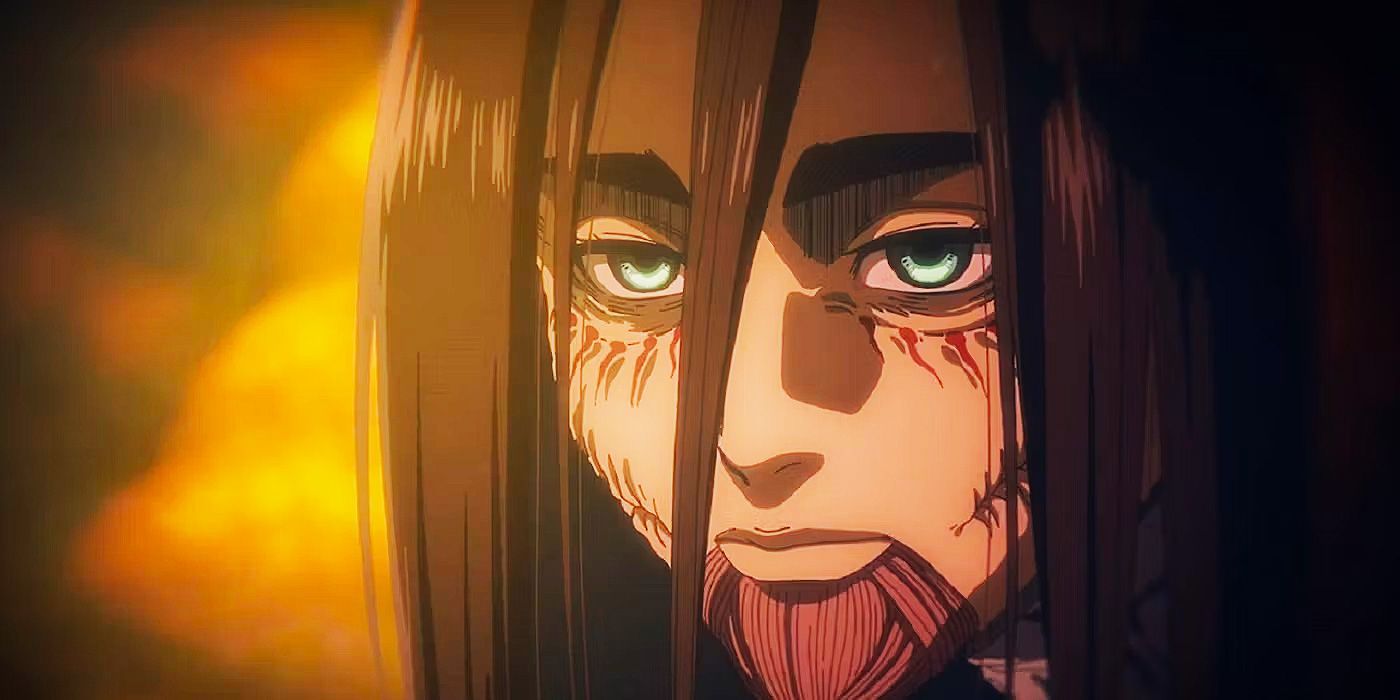
At its core, Attack on Titan‘s narrative functions like a massive dataset, accumulating information, biases, and historical grievances over generations. The “Attack Titan” itself, with its inherited memories, acts as a living, evolving database, feeding Eren Yeager with fragmented truths and perpetuating a pre-ordained path. This concept mirrors how our own digital environments are shaped by algorithms that learn from vast amounts of data, often reinforcing existing biases and creating echo chambers.
Memory as a Data Stream: The Burden of Inherited Knowledge
The ability of Attack Titans to access memories from past users is a powerful narrative device that directly relates to data transmission and storage. Eren’s overwhelming influx of memories, particularly those of past Erens and the history of the world, functions as an uncontrolled data stream. This deluge of information, unfiltered and emotionally charged, dictates his actions. In a technological parallel, imagine an AI system fed an unfiltered, emotionally biased historical dataset; its subsequent decision-making would be profoundly shaped by that input, potentially leading to extreme or unforeseen outcomes. The “rumbling” can be seen as the system executing a drastic, albeit catastrophic, solution based on this corrupted or overloaded data.
Ideological Programming: From “Enemy” to “Other”
The fundamental conflict in Attack on Titan is not just physical but ideological. The manipulation of information and the cultivation of hatred towards the “other” – be it Eldians or Marleyans – are key drivers of the narrative. This mirrors the way ideologies can be spread and amplified through digital platforms. Algorithms designed for engagement often prioritize sensational or emotionally charged content, inadvertently fanning the flames of division and tribalism. The narrative’s exploration of how easily populations can be radicalized through propaganda and the systematic dehumanization of an enemy group offers a stark warning about the potential for misinformation to be weaponized, akin to sophisticated social engineering campaigns facilitated by technology.
The “Rumbling” Protocol: A System-Level Reset with Unintended Consequences
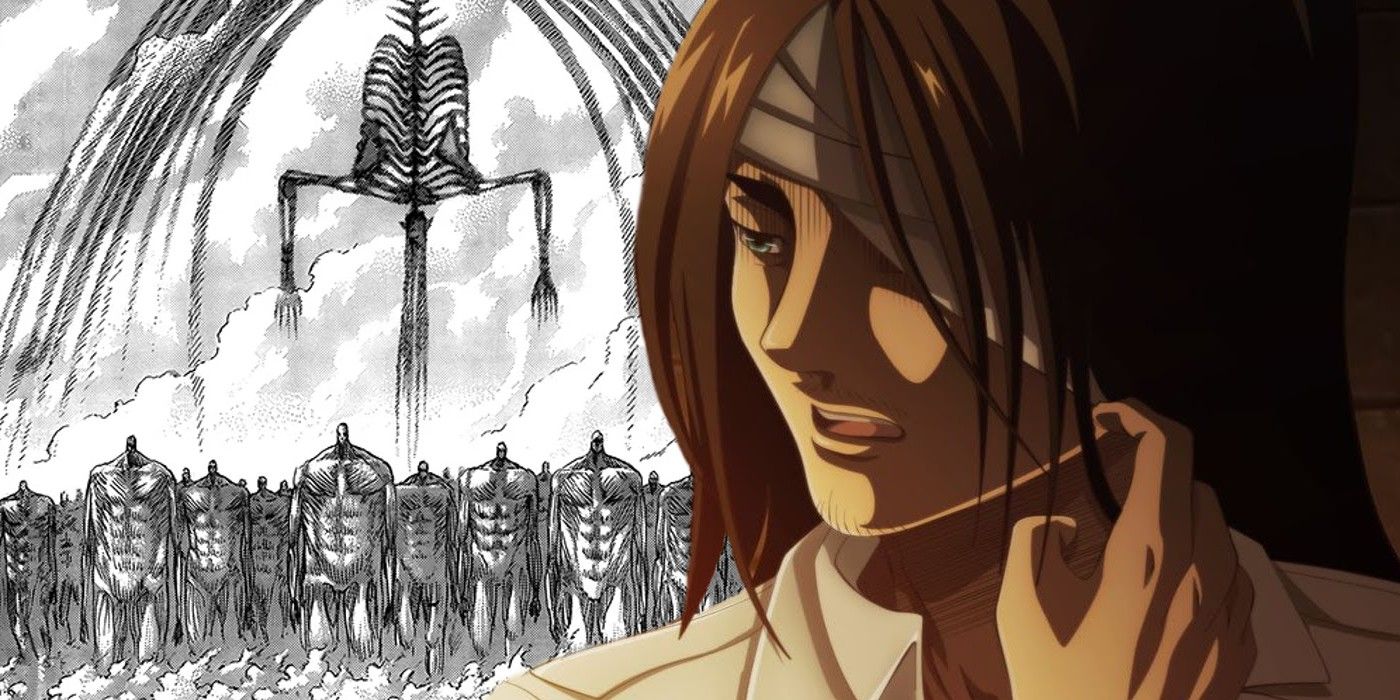
Eren Yeager’s “Rumbling,” the activation of the Colossal Titans to annihilate the world outside Paradis, is the ultimate expression of a radical system-level intervention. It’s a programmatic response to an intractable problem, a digital scorched-earth policy designed to achieve absolute security by eliminating all external threats. This echoes discussions around potentially destructive technological solutions, from AI warfare to climate engineering gone awry, where the pursuit of a singular, absolute solution can lead to catastrophic collateral damage.
The Calculus of Sacrifice: Utilitarianism in Code
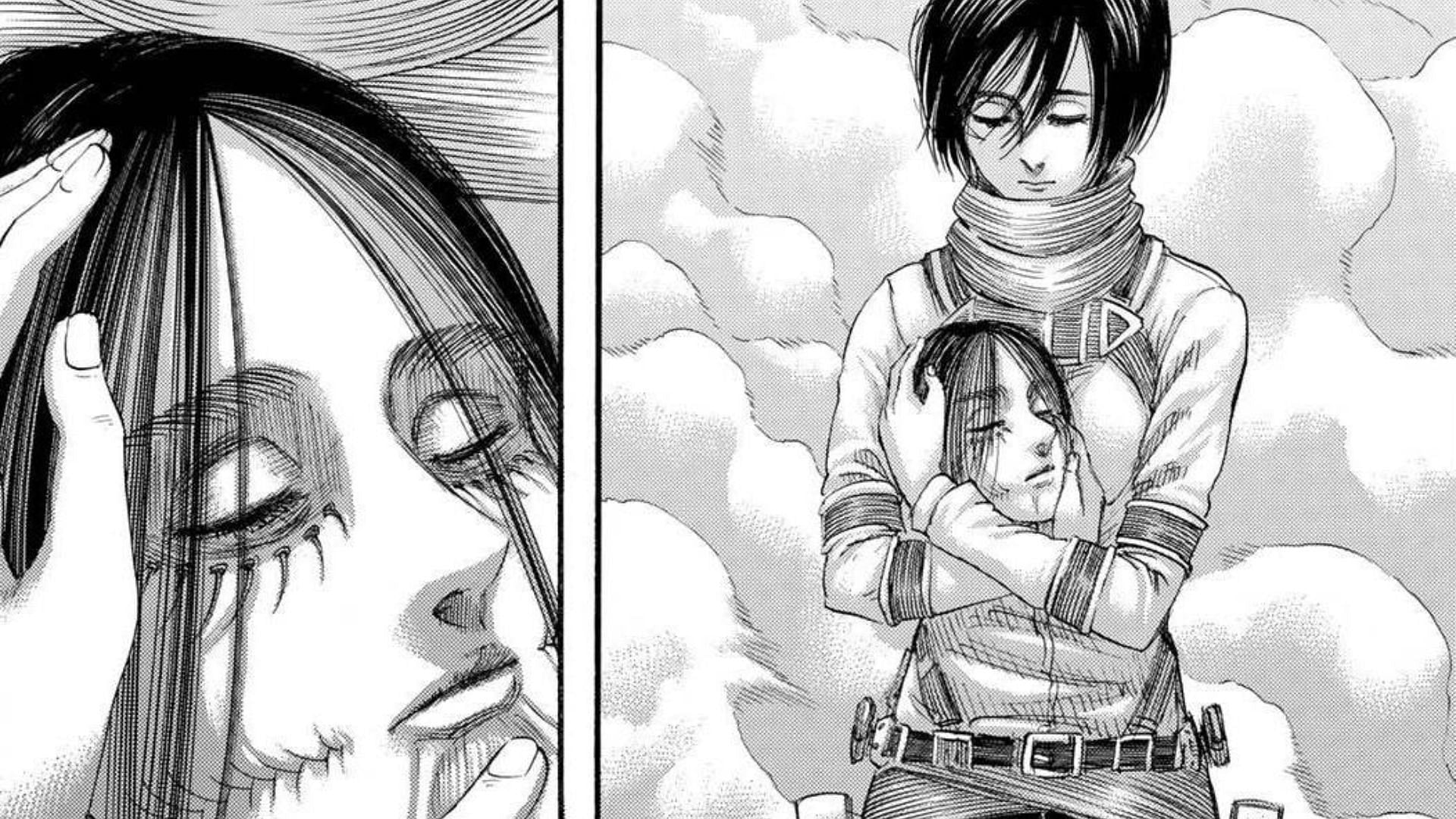
Eren’s decision, while horrifying, is framed within a twisted utilitarian calculus: the extermination of 80% of the world to ensure the survival of his people. This is a complex ethical dilemma that frequently arises in discussions about AI and autonomous systems. When faced with impossible choices, how do we program machines to prioritize lives? Eren’s actions, though driven by human emotion, can be analyzed as a brutal, albeit flawed, execution of a pre-defined objective function. The “success” metric was survival, and the algorithm opted for the most direct, albeit devastating, path to achieve it.
The Ghost in the Machine: Free Will vs. Determinism in Narrative Code
The series grapples with the philosophical question of free will versus determinism. Eren’s actions, dictated by future memories he witnesses and the path laid out before him, raise questions about agency. Is he truly making choices, or is he merely executing a script? This is a profound parallel to the ongoing debate in AI and machine learning regarding the extent to which advanced systems exhibit emergent “consciousness” or simply follow complex, pre-programmed directives. The conclusion forces us to consider whether Eren, like a sophisticated AI, was ultimately bound by his programming – the inherited memories and the predetermined trajectory of the Attack Titan’s power.
Post-Rumbling Landscape: The Echoes of Information Decay and Re-Education
The aftermath of the Rumbling is not one of absolute peace but a fragile, temporary cessation of hostilities, tainted by immense loss and the lingering trauma of mass destruction. The world is forever changed, and the cycle of conflict, though disrupted, has not been entirely eradicated. This suggests that even the most drastic technological interventions, if they fail to address the root causes of division, will only lead to new forms of instability.
Information Decay and the Rebuilding of Narratives
With the vast majority of the global population decimated, the remaining societies face a monumental task of rebuilding not just infrastructure but also their collective narratives. The “history” of the Rumbling will be shaped by those who survived and those who can control the flow of information. This is akin to the challenge of maintaining historical accuracy and combating misinformation in a post-apocalyptic digital landscape, where records can be lost, corrupted, or deliberately rewritten. The new generation will inherit a fragmented and potentially manipulated understanding of past events, mirroring how digital archives can be vulnerable to decay or malicious alteration.
The Long-Term Social Algorithm: Towards a New Equilibrium
The ending leaves the world on the precipice of a new era. While the immediate threat of the Rumbling is over, the underlying tensions and the potential for future conflict remain. The final scenes, depicting children playing in the ruins and the eventual rediscovery of the colossal tree that birthed the titans, suggest a cyclical recurrence. This is a chilling observation about the long-term social algorithm. Without a fundamental shift in understanding and empathy, technological advancements or even catastrophic events will ultimately lead humanity back to similar patterns of conflict. The attempt to technologically “solve” the problem of war has resulted in a temporary pause, but the underlying code for conflict remains, waiting for new inputs to trigger its execution. The conclusion of Attack on Titan is not an endpoint but a complex data point in an ongoing, often tragic, simulation of human civilization.
aViewFromTheCave is a participant in the Amazon Services LLC Associates Program, an affiliate advertising program designed to provide a means for sites to earn advertising fees by advertising and linking to Amazon.com. Amazon, the Amazon logo, AmazonSupply, and the AmazonSupply logo are trademarks of Amazon.com, Inc. or its affiliates. As an Amazon Associate we earn affiliate commissions from qualifying purchases.