
Gift cards, often perceived as simple tokens of appreciation, can also serve as valuable financial tools. For a large retailer like Home Depot, understanding their gift card offerings extends beyond mere purchase possibilities to encompass strategic financial management for both consumers and businesses. This article delves into the financial implications and strategic considerations surrounding Home Depot’s gift card program, positioning it firmly within the realm of personal finance and business financial tools.
The Financial Utility of Home Depot Gift Cards
Home Depot gift cards are more than just a present; they represent a pre-paid form of currency specifically designated for Home Depot products and services. This pre-paid nature imbues them with a distinct financial characteristic, offering advantages for budgeting, expense management, and even investment in home improvement projects.
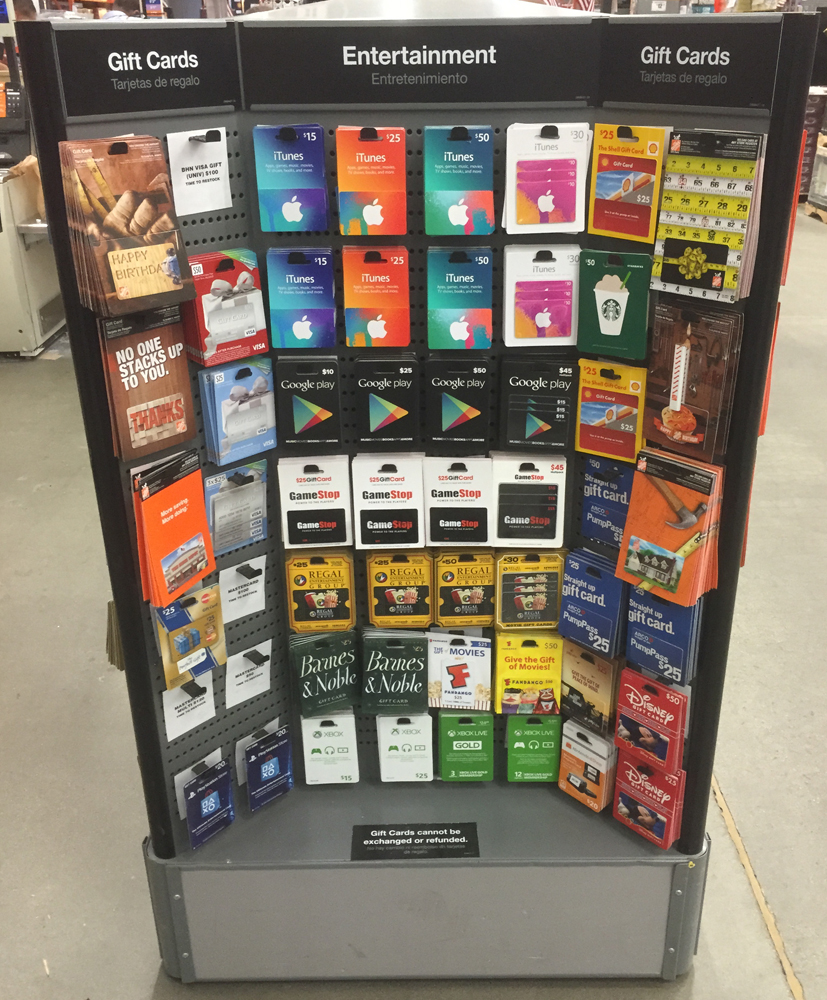
Budgeting and Expense Control
One of the primary financial benefits of using Home Depot gift cards is their inherent ability to facilitate strict budgeting. When an individual purchases a gift card for a specific amount, they are essentially pre-allocating funds for home improvement or maintenance expenses. This practice acts as a powerful psychological barrier against overspending. Instead of relying on credit or depleting general savings, the user is confined to the value of the gift card. This is particularly useful for:
- Controlled Project Spending: For DIY enthusiasts undertaking specific projects, such as renovating a bathroom or landscaping a garden, purchasing a Home Depot gift card equivalent to their estimated project cost ensures they stay within their budget. This prevents scope creep and unexpected financial burdens.
- Holiday and Occasion Gifting: When received as gifts, Home Depot cards provide recipients with a clear financial allocation for future purchases. This can be particularly beneficial for younger homeowners or individuals who are saving for a significant purchase.
- Preventing Impulse Buys: The pre-paid nature of the gift card discourages impulse purchases that are not part of a planned expenditure. If a tool or decor item is not directly contributing to a project funded by the gift card, the user is less likely to add it to their cart.
Managing Business Expenses and Employee Incentives
For businesses, Home Depot gift cards offer a streamlined and accountable method for managing expenses related to property maintenance, employee rewards, or operational supplies.
- Property Management: Property management companies, landlords, or facilities managers can utilize Home Depot gift cards to equip their maintenance teams with the necessary supplies for repairs and upkeep. This provides a clear budget for each property or task and simplifies the procurement process.
- Employee Recognition and Incentives: Businesses often use gift cards as a form of employee appreciation or as incentives for achieving sales targets or safety goals. Home Depot gift cards are particularly relevant for companies with a workforce that engages in trades, construction, or companies that offer home-related benefits or services. They provide a tangible reward that can be used for practical purposes, fostering a sense of value and utility.
- Contractor Procurement: Contractors or small businesses that frequently purchase materials from Home Depot can use gift cards as a method to manage their inventory costs or to provide specific allowances to their employees for purchasing supplies on behalf of the company.
Potential for Discounted Acquisition
In certain financial contexts, gift cards can be acquired at a discount, offering a direct financial return on investment. While Home Depot itself doesn’t typically offer discounts on its gift cards, the secondary market for gift cards can present opportunities.
- Secondary Gift Card Marketplaces: Websites and apps specializing in buying and selling unwanted gift cards sometimes offer Home Depot gift cards at a price lower than their face value. For instance, a $100 Home Depot gift card might be available for $90. This represents an immediate 10% saving on future purchases. However, it’s crucial to exercise caution and only use reputable platforms, as counterfeit or fraudulent cards can exist.
- Reward Programs and Credit Card Perks: Some credit card reward programs or loyalty schemes may offer Home Depot gift cards as a redemption option. Depending on the reward structure, these cards might be acquired for fewer points or at a more favorable rate than purchasing them directly. This leverages existing spending habits to acquire a financial asset for home improvement.
Types of Home Depot Gift Cards and Their Financial Implications
Home Depot offers its gift cards in various forms, each with distinct characteristics that impact their financial utility and management.
Physical Gift Cards
The traditional physical Home Depot gift card is a plastic card, similar to a credit card, with a unique code and PIN.
- Financial Control: These cards provide a tangible representation of pre-paid funds. Users can track their balance and ensure they only spend what is available, reinforcing budget adherence.
- Security and Storage: Physical cards require careful storage to prevent loss or theft. If a physical card is lost and not registered, the funds on it can be irretrievable, representing a direct financial loss.
- Gifting and Resale: Physical cards are ideal for gifting and can be more easily exchanged or sold in the secondary market compared to digital formats, though caution is advised for private transactions.
Digital/E-Gift Cards
Home Depot also offers digital gift cards, which are delivered electronically, typically via email.
- Convenience and Accessibility: E-gift cards are instantly delivered, making them ideal for last-minute gifting or for immediate use. They can be accessed on a smartphone or printed out.
- Tracking and Management: Digital gift cards are often linked to an account or can be easily added to a digital wallet, facilitating easier balance checking and management. This reduces the risk of losing track of smaller balances.
- Potential for Integration: In the future, digital gift cards might offer greater integration with mobile payment systems, further streamlining their financial utility.
Bulk Purchases and Business Accounts
For businesses or individuals making significant purchases, Home Depot provides options for bulk gift card orders.
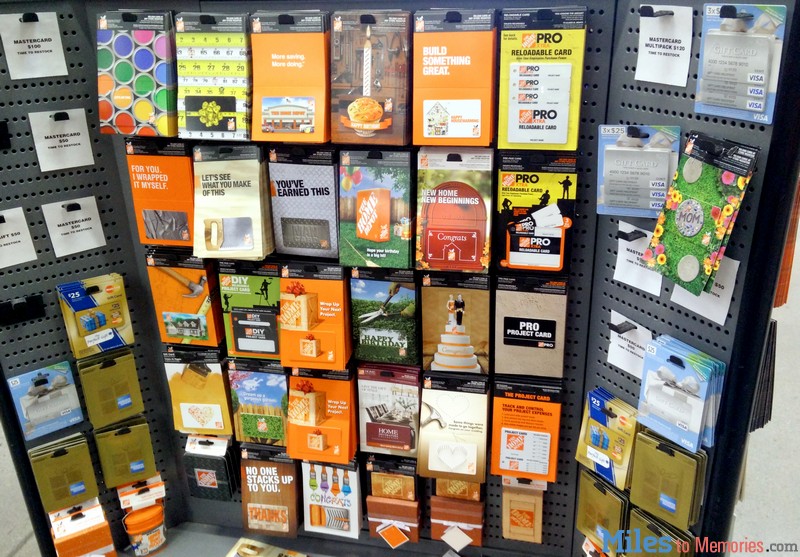
- Streamlined Procurement: Ordering in bulk simplifies the process of distributing gift cards for employee incentives or project allocations, saving administrative time and effort.
- Payment Flexibility: While typically paid for upfront, large orders might offer specific payment terms or invoicing options for established business accounts, aiding in cash flow management.
- Potential for Corporate Discounts: In some rare instances, very large corporate orders might be eligible for negotiated discounts, although this is not a standard offering and would require direct consultation with Home Depot’s corporate sales department. This would represent a direct financial saving on bulk acquisition.
Strategic Financial Applications Beyond Basic Purchasing
The financial value of Home Depot gift cards can be amplified through strategic application in various financial scenarios.
Investment in Home Equity
While not a direct investment in the stock market, using Home Depot gift cards to fund home improvement projects can be considered an investment in home equity.
- Value Appreciation: Well-executed renovations and upgrades funded by Home Depot gift cards can increase the market value of a property. This means the money spent is not “lost” but rather converted into a tangible asset that can appreciate over time.
- Cost-Effective Renovations: By strategically acquiring gift cards at a discount (if available) or by using them to strictly budget projects, homeowners can undertake renovations more cost-effectively, maximizing their return on investment.
- Mortgage Paydown and Refinancing: Increased home equity can provide financial flexibility, potentially allowing for mortgage refinancing at more favorable terms or even enabling faster mortgage paydown.
Tax Considerations for Businesses
For businesses utilizing Home Depot gift cards for employee incentives or operational expenses, there are potential tax implications to consider.
- Deductible Expenses: For businesses, the cost of gift cards provided to employees as compensation or for business-related purchases is often a deductible business expense. This can reduce a company’s taxable income.
- Record Keeping: Maintaining meticulous records of all gift card purchases and distributions is crucial for tax compliance. This includes the amount, purpose, and recipient of each gift card.
- De Minimis Fringe Benefits: Depending on the value and nature of the gift, it might qualify as a “de minimis” fringe benefit, which is generally tax-free for the employee and tax-deductible for the employer. However, specific tax laws and regulations should always be consulted.
Building a Home Improvement Fund
For individuals, Home Depot gift cards can be a cornerstone of a structured home improvement fund.
- Dedicated Savings: Instead of just putting money into a general savings account, purchasing Home Depot gift cards and storing them signifies a dedicated fund for home maintenance and improvements. This visual and tangible representation can be a strong motivator for saving.
- Targeted Savings Goals: Individuals can set specific savings goals, such as a new appliance, a deck renovation, or seasonal landscaping. Purchasing gift cards incrementally towards these goals makes the objective feel more achievable.
- Reduced Debt: By funding home projects with gift cards accumulated over time, individuals can avoid taking on high-interest debt, such as credit card balances or personal loans, thus protecting their financial health.
Managing and Maximizing Home Depot Gift Card Value
To ensure the financial benefits of Home Depot gift cards are fully realized, effective management and strategic utilization are key.
Checking and Monitoring Balances
Regularly checking the balance of Home Depot gift cards is crucial to avoid overspending or underestimating available funds.
- Online Balance Checker: Home Depot provides an online tool where users can input their gift card number and PIN to check the remaining balance. This is a free and immediate way to stay informed.
- In-Store Assistance: Customers can also inquire about their gift card balance at any Home Depot store customer service desk.
- Mobile App Integration: With the rise of digital wallets, some users may be able to link their Home Depot gift cards to their mobile apps for convenient balance checks, especially for e-gift cards.
Strategic Redemption
The timing and method of redeeming gift cards can also impact their financial efficiency.
- Combining with Sales and Promotions: Redeeming gift cards during Home Depot’s seasonal sales, holiday promotions, or clearance events allows the pre-paid funds to stretch further, maximizing the value of each dollar spent.
- Bundling with Manufacturer Rebates: If a purchase made with a gift card also qualifies for a manufacturer rebate, the overall cost of the item is further reduced, enhancing the financial gain.
- Avoiding Unnecessary Purchases: The most significant financial benefit comes from using gift cards for planned purchases rather than allowing them to expire or spending them on non-essential items, which would negate their purpose as a budgeting tool.
Understanding Expiration and Fees
While Home Depot gift cards generally do not expire and do not have inactivity fees in most states, it’s always prudent to be aware of specific regional regulations.
- State Laws: While federal law prohibits gift card expiration dates and fees for most gift cards, some states have specific laws regarding dormancy periods and fees. Home Depot’s terms and conditions should be reviewed for the most accurate information.
- Maintaining Records: Even without expiration, keeping a record of gift card purchase dates and amounts can be beneficial for long-term financial planning, especially for business accounting.
In conclusion, Home Depot gift cards transcend their role as simple presents. When viewed through a financial lens, they offer a robust platform for budgeting, expense control, business financial management, and even strategic investment in home equity. By understanding the types of gift cards available and employing smart financial strategies for their acquisition and redemption, consumers and businesses can unlock their full financial potential.
aViewFromTheCave is a participant in the Amazon Services LLC Associates Program, an affiliate advertising program designed to provide a means for sites to earn advertising fees by advertising and linking to Amazon.com. Amazon, the Amazon logo, AmazonSupply, and the AmazonSupply logo are trademarks of Amazon.com, Inc. or its affiliates. As an Amazon Associate we earn affiliate commissions from qualifying purchases.