
The kitchen is the heart of the home, a high-traffic area that demands a flooring solution capable of withstanding spills, dropped utensils, and the relentless march of daily life. Beyond mere aesthetics, the “best” kitchen flooring is a decision deeply intertwined with Money. It represents a significant investment in your home, influencing resale value, long-term maintenance costs, and overall living experience. This article delves into the financial implications of choosing kitchen flooring, helping you navigate the options to maximize your return on investment and ensure a durable, beautiful, and cost-effective foundation for your culinary endeavors.
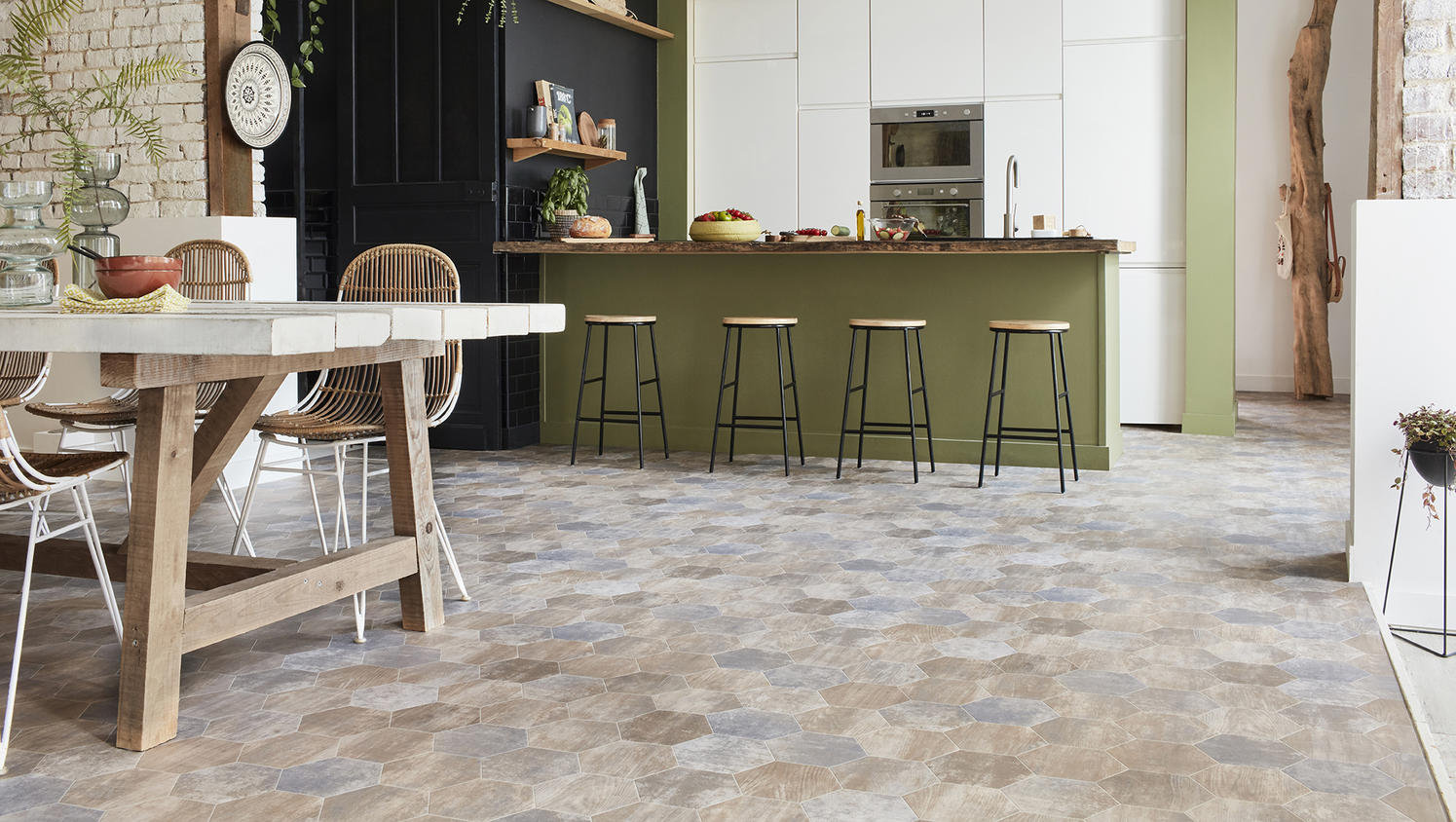
The Financial Landscape of Kitchen Flooring: Initial Costs vs. Long-Term Value
When embarking on a kitchen renovation or building a new home, flooring is often one of the larger line items. However, a myopic focus solely on upfront cost can lead to costly mistakes down the line. Understanding the interplay between initial expenditure and long-term value is crucial for making an economically sound decision.
Initial Purchase and Installation Costs: A Spectrum of Investment
The price of kitchen flooring can vary dramatically, influenced by material, brand, and the complexity of installation.
Entry-Level Options: Budget-Conscious Beginnings
For those on a tighter budget, several materials offer an accessible entry point. Vinyl flooring, particularly luxury vinyl tile (LVT) and vinyl plank (LVP), has seen significant advancements in both durability and design. While sheet vinyl can be the most affordable, LVT and LVP offer a more premium look and feel, often mimicking the appearance of wood or stone at a fraction of the cost. Installation can often be a DIY project for the mechanically inclined, further reducing expenses. However, it’s important to note that while budget-friendly, some lower-end vinyl options may have a shorter lifespan and be more susceptible to significant damage.
Laminate flooring is another popular budget-friendly choice. It’s constructed with a photographic layer beneath a clear protective coating, allowing for a wide range of aesthetic options. While it can be more resistant to scratches than some lower-grade vinyl, its primary weakness lies in its susceptibility to moisture damage. Extensive water exposure can cause it to warp or delaminate, leading to premature replacement and thus, increased long-term costs. Installation is typically straightforward, often featuring a click-lock system that can be managed by homeowners.
Mid-Range Choices: Balancing Cost and Performance
Stepping into the mid-range offers a wider array of materials that strike a better balance between affordability and longevity.
Ceramic and porcelain tile represent a significant step up in durability and water resistance. Porcelain tile, denser and less porous than ceramic, offers superior performance and is an excellent choice for kitchens. While the initial material cost can be higher than vinyl or laminate, its extreme durability, water resistance, and resistance to staining mean it can last for decades with minimal maintenance. The primary expense here lies in professional installation, which can be complex due to the need for precise cutting, proper subfloor preparation, and grouting. However, the long lifespan and low maintenance often make it a wise financial investment over time.
Engineered hardwood flooring offers the aesthetic appeal of real wood at a potentially lower cost than solid hardwood. It consists of a thin layer of real wood veneer over multiple layers of plywood. This construction makes it more stable and less prone to expanding and contracting with humidity changes compared to solid hardwood, which is a significant advantage in a kitchen environment prone to moisture fluctuations. While more susceptible to deep scratches than tile, it can be refinished once or twice, extending its life. The cost will depend on the type of wood veneer and the quality of the core layers.
Premium Options: Investing in Unparalleled Durability and Timeless Appeal
For those seeking the ultimate in durability and timeless elegance, premium flooring options come with a higher initial price tag but can offer exceptional long-term value.
Natural stone tile, such as granite, marble, or slate, exudes luxury and can significantly enhance the perceived value of a kitchen. These materials are incredibly durable and can last a lifetime. However, they often require periodic sealing to prevent staining, and some stones, like marble, can be susceptible to etching from acidic substances. Installation is typically the most expensive, requiring skilled professionals and often specialized tools. The high initial cost is balanced by their enduring beauty and longevity, making them a significant asset in a home.
Solid hardwood flooring remains a classic choice, prized for its natural beauty and ability to be refinished multiple times. While it offers a warm and inviting aesthetic, its suitability for kitchens is debated due to its susceptibility to moisture damage, scratches, and dents. If opting for hardwood, choosing a harder wood species (like oak or maple) and a durable finish can mitigate some of these concerns. The investment in solid hardwood is often seen as an investment in the home’s overall appeal and resale value, as it’s a highly sought-after feature. However, potential repair and refinishing costs should be factored into the long-term financial equation.
Installation Costs: The Unseen Expense
Beyond the material itself, installation represents a significant portion of the total cost. The complexity of the chosen material, the existing subfloor condition, and the need for specialized tools or professional labor will all impact this figure.
DIY vs. Professional Installation: Weighing Time and Expertise
DIY installation can dramatically reduce costs, especially for materials like vinyl plank, laminate, and some tile applications. However, it requires time, patience, and a certain level of skill. Mistakes in DIY installation can lead to costly rework or premature failure of the flooring, negating any initial savings.
Professional installation typically ensures a higher quality finish and proper execution, especially for materials like natural stone or intricate tile patterns. This is often the more financially prudent choice for those who lack the time or expertise, as it minimizes the risk of costly errors and ensures the flooring is installed to manufacturer specifications, which can be important for warranty validity.
Subfloor Preparation: The Foundation of Durability
Regardless of the chosen material, proper subfloor preparation is paramount. Uneven or damaged subfloors will compromise the integrity and longevity of any flooring. This often involves leveling, patching, or even replacing the subfloor, adding an additional cost that should not be overlooked. Investing in proper subfloor preparation upfront will prevent more expensive repairs and replacements in the future.
Long-Term Cost of Ownership: Beyond the Initial Purchase
The true financial impact of kitchen flooring extends far beyond the initial purchase and installation. Maintenance, repair, and eventual replacement costs are critical considerations for maximizing your investment.
Maintenance and Cleaning: Ongoing Financial Commitments
Different flooring materials have vastly different maintenance requirements, which translate directly into ongoing costs, whether in terms of time or money.
Low-Maintenance Materials: Saving Time and Money
Materials like porcelain tile and high-quality vinyl are renowned for their low maintenance. They are highly resistant to stains and water, requiring only regular sweeping and mopping with mild cleaning solutions. This translates to minimal ongoing expenses and frees up your time.

High-Maintenance Materials: A Commitment to Upkeep
Materials such as natural stone (especially porous varieties like marble) and unsealed hardwood require more diligent care. This might involve specialized cleaning products, periodic sealing (which incurs material and labor costs), and immediate attention to spills to prevent staining or damage. These ongoing commitments can add up over the lifespan of the flooring.
Repair and Replacement: Anticipating the Inevitable
Accidents happen in kitchens. Dropped heavy objects, prolonged exposure to moisture, or wear and tear can necessitate repairs or, eventually, full replacement. The ease and cost of repair vary significantly by material.
Cost-Effective Repairs: Minimizing Damage
For modular flooring like tile or vinyl planks, individual damaged pieces can often be replaced relatively affordably. This is a significant financial advantage over materials where a small area of damage might necessitate replacing a larger section or the entire floor.
Costly Replacements: When Damage is Extensive
Materials like laminate, if severely damaged by moisture, may require a full replacement. Similarly, extensive damage to hardwood or natural stone can be prohibitively expensive to repair, often leading to a complete overhaul. The longevity of the material directly impacts how frequently you’ll face these significant expenses.
Impact on Resale Value: The Investment Proposition
Beyond your personal enjoyment, kitchen flooring is a significant factor in a home’s resale value. Certain materials are universally recognized as desirable, while others can be a deterrent.
High-Appreciation Flooring: Enhancing Marketability
Durable and aesthetically pleasing materials like hardwood, high-quality tile, and even well-executed luxury vinyl plank can significantly enhance a home’s marketability and command a higher price. Buyers often see these as long-term benefits, requiring less immediate investment on their part.
Lower-Appreciation Flooring: Potential Stumbling Blocks
While budget-friendly options can be a good initial choice, they may not add significant value to a home and could even be a reason for potential buyers to negotiate the price down or plan for an immediate renovation.
Strategic Material Selection: Investing Wisely for Your Kitchen’s Future
Considering the financial implications across the entire lifecycle of kitchen flooring allows for a strategic approach to material selection, ensuring your investment is both practical and profitable in the long run.
Durability and Water Resistance: The Pillars of Cost-Effectiveness
The kitchen environment is inherently demanding. Water spills, steam, and potential food stains are constant threats. Materials that offer superior durability and water resistance will naturally incur lower long-term costs.
Porcelain tile stands out as a champion in this regard. Its inherent density makes it virtually waterproof and highly resistant to staining and scratching. While the initial investment might be higher than some alternatives, its incredible longevity and minimal maintenance make it one of the most cost-effective choices over a 20-30 year lifespan.
Luxury Vinyl Plank (LVP) and Luxury Vinyl Tile (LVT) have emerged as strong contenders, offering a compelling balance of water resistance, durability, and affordability. Modern LVP/LVT is exceptionally resistant to moisture and can mimic the look of hardwood or stone with remarkable fidelity. Its ease of installation and relatively low cost make it an attractive option for those seeking a good return on their investment without the premium price tag of natural materials.
Aesthetics and Style: Balancing Beauty with Budget
While functionality is paramount, the aesthetic appeal of your kitchen flooring undeniably impacts its overall value and your enjoyment of the space. Fortunately, many durable and cost-effective materials now offer a wide range of stylish options.
Ceramic tile offers a vast spectrum of colors, patterns, and finishes, allowing for creative design without the expense of natural stone. With proper installation and sealing (for grout), it provides excellent longevity and water resistance.
Engineered hardwood presents a viable option for those who desire the warmth of wood but need enhanced stability in a kitchen. Choosing a durable veneer and a resilient finish can offer a beautiful and relatively cost-effective solution that can be refinished once or twice.
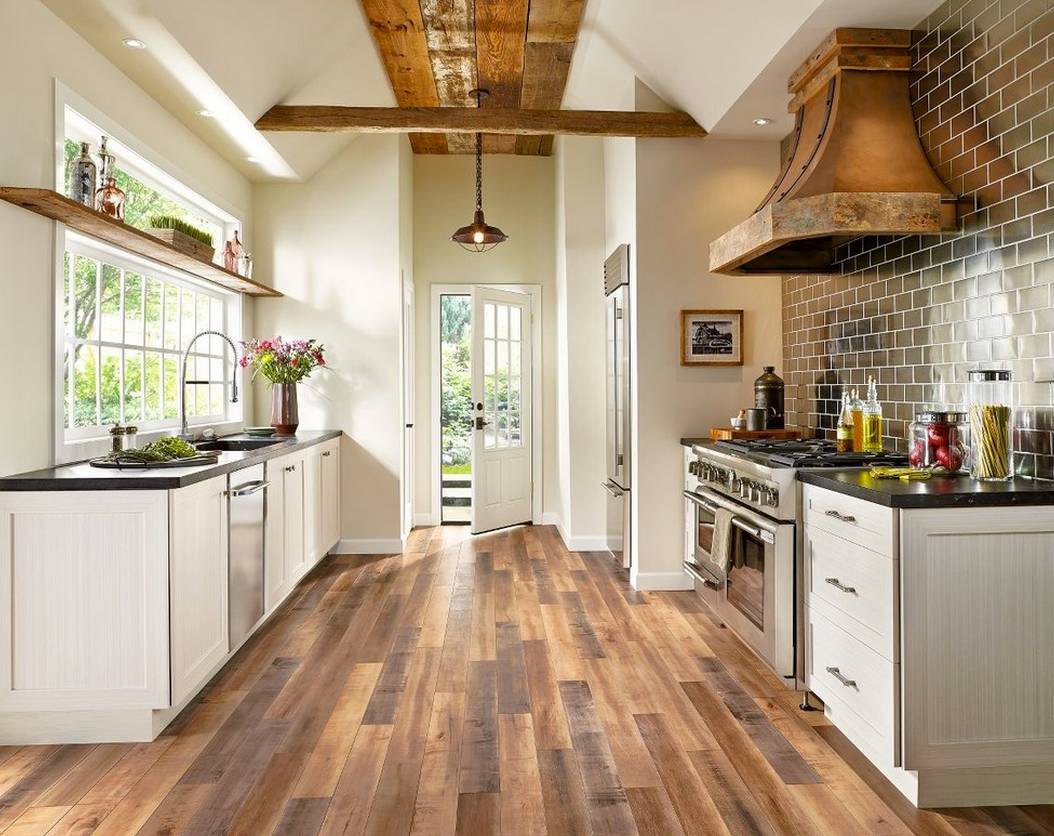
The Long-Term Financial Equation: When to Splurge and When to Save
Ultimately, the “best” flooring for your kitchen is a personal decision influenced by your budget, lifestyle, and long-term financial goals for your home.
For homeowners prioritizing a long-term investment with minimal ongoing costs and maximum resale value, porcelain tile or high-quality natural stone (if budget allows) are excellent choices. These materials will likely outlast the lifespan of multiple other flooring options.
For those seeking a balance of style, durability, and affordability, luxury vinyl plank/tile offers a compelling proposition. It provides excellent protection against kitchen hazards at a price point that allows for significant upfront savings while still offering good long-term value and appeal.
While solid hardwood offers undeniable beauty, its susceptibility to kitchen conditions makes it a higher-risk investment. If chosen, meticulous care and a willingness to accept potential repair costs are essential. Similarly, laminate flooring, while budget-friendly initially, carries a significant risk of costly moisture-related damage, making it a less financially sound choice for the long haul in a kitchen.
By meticulously analyzing initial costs, installation complexities, long-term maintenance, repair potential, and resale value impact, you can make an informed decision that ensures your kitchen flooring is not just a beautiful addition, but a smart financial investment for years to come.
aViewFromTheCave is a participant in the Amazon Services LLC Associates Program, an affiliate advertising program designed to provide a means for sites to earn advertising fees by advertising and linking to Amazon.com. Amazon, the Amazon logo, AmazonSupply, and the AmazonSupply logo are trademarks of Amazon.com, Inc. or its affiliates. As an Amazon Associate we earn affiliate commissions from qualifying purchases.