
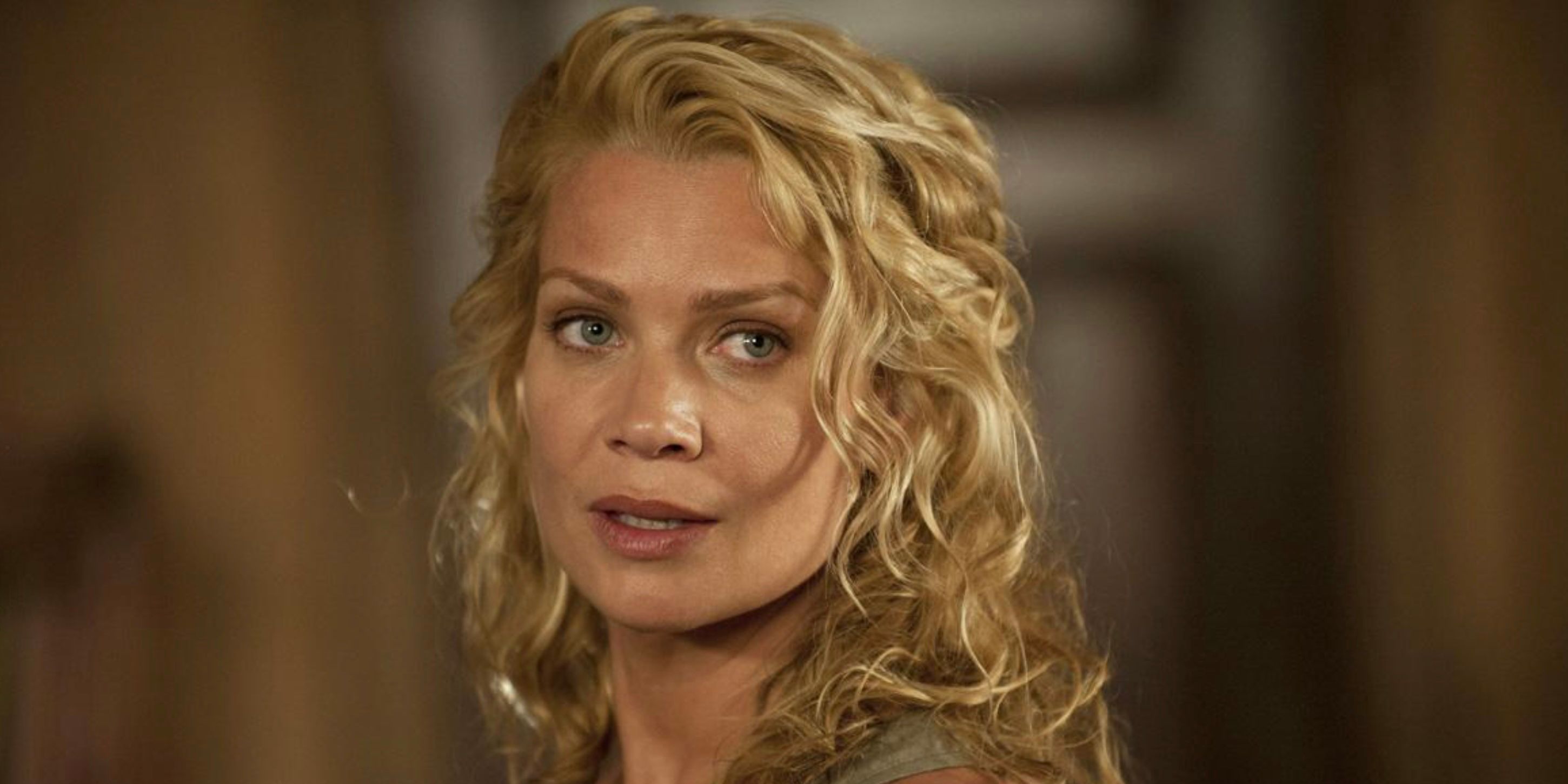
The world of “The Walking Dead” is built on a foundation of survival, moral ambiguity, and the constant evolution of its characters. Within this sprawling narrative, the fate of key figures often becomes a focal point, shaping audience perception and contributing significantly to the brand’s enduring appeal. Andrea Harrison, a character whose journey was marked by resilience, controversial decisions, and a complex moral compass, is a prime example of how a character’s arc, particularly its conclusion, can serve as a powerful branding tool. Her death, a pivotal moment for the series, wasn’t just a plot point; it was a carefully orchestrated element designed to resonate with viewers, reinforce the show’s core themes, and solidify its identity as a drama that isn’t afraid to deliver devastating blows.
The Evolution of a Survivor: Andrea’s Shifting Identity and Brand Association
Andrea’s initial introduction painted her as a capable, albeit often deeply troubled, survivor. Initially a lawyer, she possessed an intellectual sharpness that set her apart from some of her more physically driven counterparts. However, her early experiences, marked by immense loss and trauma, chipped away at her composure, revealing a vulnerability that resonated with a segment of the audience. This internal struggle, the fight to maintain humanity in an inhumane world, became a core element of her character’s brand.
From Traumatized Lawyer to Seasoned Warrior
The early seasons saw Andrea grappling with the immediate aftermath of the apocalypse. Her initial trauma, exemplified by the loss of her sister Amy, left her emotionally fragile. This period was crucial in establishing her as a character who was not simply a passive victim but one actively trying to process and overcome profound grief. Her reliance on others, particularly Dale, highlighted her need for connection and ethical guidance, contributing to a brand image of a survivor seeking moral footing.
As the series progressed, Andrea underwent a significant transformation. She honed her combat skills, becoming proficient with firearms and demonstrating a capacity for fierce protection of those she cared about. This evolution from a woman reeling from loss to a formidable survivor was key to her evolving brand. She was no longer just the grieving sister; she was a hardened warrior, capable of making difficult choices. This shift, while celebrated by some, also began to sow seeds of division among the audience, a testament to the nuanced portrayal of her character.
The Ethical Tightrope: Moral Ambiguity and Brand Resonance
One of the most defining aspects of Andrea’s brand was her persistent struggle with ethical dilemmas. Her decision to trust and align herself with The Governor, despite clear warning signs, was a major turning point. This controversial choice, while frustrating for many viewers, was essential to the show’s narrative strategy. It highlighted the extreme pressures survivors faced and the complex, often irrational, decisions that could arise from isolation, manipulation, and a desperate search for belonging.
This moral ambiguity allowed “The Walking Dead” to explore darker facets of human nature, reinforcing its brand as a show that wasn’t afraid to delve into uncomfortable truths. Andrea’s entanglement with The Governor provided a stark contrast to the more unified survival groups, demonstrating the destructive potential of misguided loyalty and the seductive nature of false security. Her character became a vessel through which the show could examine themes of trust, betrayal, and the consequences of prioritizing perceived safety over established moral principles. This willingness to explore these grey areas solidified “The Walking Dead’s” brand as a mature and unflinching exploration of survival.
The Climax of Andrea’s Arc: A Narrative Turning Point and Brand Reinforcement
Andrea’s death, occurring in Season 3, Episode 15, “The Sorrowful Dead,” was a watershed moment for “The Walking Dead.” It was a death that felt earned, tragic, and profoundly impactful, serving to reinforce several key aspects of the show’s brand and narrative. The circumstances surrounding her demise, a result of a walker bite contracted while trying to reason with The Governor, were a direct consequence of her complex loyalties and her inherent, albeit sometimes misplaced, desire for peace.
The “Sorrowful Dead”: Impact on Audience Engagement and Brand Loyalty
The episode title itself, “The Sorrowful Dead,” presaged the emotional weight of Andrea’s exit. Her death was not a sudden, shock-value event but a slow, agonizing burn, allowing for reflection and a final confrontation with her choices and her relationships. This deliberate pacing amplified the emotional impact on the audience, fostering a sense of genuine loss and sorrow.

The manner of her death – a walker bite – was a classic and brutal reminder of the ever-present danger in the world of “The Walking Dead.” It underscored the show’s commitment to realism within its fictional context and its willingness to remove beloved characters in a way that felt consistent with the established rules of the universe. This authenticity, even in its bleakness, contributed to the brand’s reputation for unflinching storytelling.
Furthermore, Andrea’s final moments, particularly her conversation with Michonne, offered a poignant resolution to their fractured relationship. This emphasis on character-driven emotional beats, even in the face of death, strengthened the show’s brand as a character-focused drama, not just an action-survival series. The sorrow experienced by the remaining characters mirrored the sorrow felt by the viewers, creating a shared emotional experience that deepened audience engagement and fostered brand loyalty through communal grief.
Reinforcing Core Themes: Loss, Sacrifice, and the Human Condition
Andrea’s death served as a potent reinforcement of the show’s core themes. Her final moments were a testament to the enduring power of human connection, even in the face of overwhelming despair. Her sacrifice, in a twisted way, was an attempt to atone for her perceived misjudgments and to perhaps offer a final flicker of hope by warning her former allies about The Governor’s true nature.
This emphasis on sacrifice, a recurring motif in “The Walking Dead,” underscored the grim realities of survival. Characters were often forced to make impossible choices, and their deaths frequently served a greater purpose within the narrative, either by protecting others or by catalyzing significant plot developments. Andrea’s demise fit this mold perfectly, solidifying her arc’s contribution to the larger story and reinforcing the show’s brand as one that explores the profound human cost of survival.
Her death also highlighted the ever-present threat of the walkers, a constant reminder of the precariousness of existence. Even those who had become skilled survivors were not immune to the virus. This served as a stark warning, reinforcing the show’s brand as a relentless depiction of a world where death is an ever-looming specter, and survival is a constant, hard-fought battle.
The Lingering Impact: Andrea’s Legacy and The Walking Dead’s Brand Evolution
Even after her death, Andrea’s character continued to influence the narrative and the overall brand of “The Walking Dead.” Her story arc, from its beginnings to its tragic conclusion, provided a rich tapestry of character development that contributed to the show’s depth and complexity. Her experiences served as a cautionary tale and a testament to the enduring struggle for humanity in a fallen world.
A Cautionary Tale for Future Survivors
Andrea’s journey, particularly her misguided trust in The Governor, became a significant cautionary tale for both the characters within the show and the viewers observing from afar. Her story highlighted the dangers of isolation, the psychological toll of constant threat, and the ease with which one could be manipulated by a charismatic, yet ultimately monstrous, leader. This narrative function reinforced the brand’s commitment to exploring the psychological and emotional ramifications of the apocalypse.
The choices Andrea made, and the tragic consequences that followed, provided valuable lessons for the surviving members of Rick’s group. They learned to be more discerning, to trust their instincts, and to be wary of promises of safety that seemed too good to be true. This continuous learning and adaptation within the survivor community was a crucial element of the show’s brand, demonstrating a progression of understanding and resilience in the face of evolving threats.

Contributing to the Show’s Reputation for Bold Storytelling
The decision to kill off a character as prominent and developed as Andrea was a bold move that cemented “The Walking Dead’s” reputation for not shying away from difficult narrative choices. This willingness to sacrifice key characters, even when it might alienate some viewers, demonstrated a commitment to authentic storytelling and a refusal to cater to predictable plotlines. This boldness became a hallmark of the brand, differentiating it from other genre offerings and attracting an audience that appreciated its unflinching portrayal of a harsh reality.
Andrea’s exit, in its emotional weight and narrative significance, was a testament to the show’s ability to craft compelling arcs that resonated with viewers long after the characters themselves were gone. Her story, with all its flaws and triumphs, contributed to the intricate tapestry of “The Walking Dead,” a brand that continues to captivate audiences by exploring the very essence of survival, humanity, and the enduring power of hope, even in the darkest of times. The questions about her death, and the discussions it sparked, are a testament to her lasting impact on the brand and its dedicated fanbase.
aViewFromTheCave is a participant in the Amazon Services LLC Associates Program, an affiliate advertising program designed to provide a means for sites to earn advertising fees by advertising and linking to Amazon.com. Amazon, the Amazon logo, AmazonSupply, and the AmazonSupply logo are trademarks of Amazon.com, Inc. or its affiliates. As an Amazon Associate we earn affiliate commissions from qualifying purchases.