
In the realm of serialized storytelling, particularly within the television landscape, the journey of a protagonist is rarely a linear progression. It’s a tapestry woven with triumphs, setbacks, personal growth, and, crucially, the tangible and symbolic representation of their evolving identity. For fans of the supernatural drama Lucifer, the question “What episode does Lucifer get his wings back?” is more than just a plot point inquiry; it’s a gateway into understanding how narrative arcs contribute to character development and, by extension, the enduring brand of the show itself. This exploration delves into the significance of Lucifer Morningstar regaining his angelic wings, analyzing its impact on his character, the show’s overarching narrative, and the broader implications for brand storytelling in the entertainment industry.
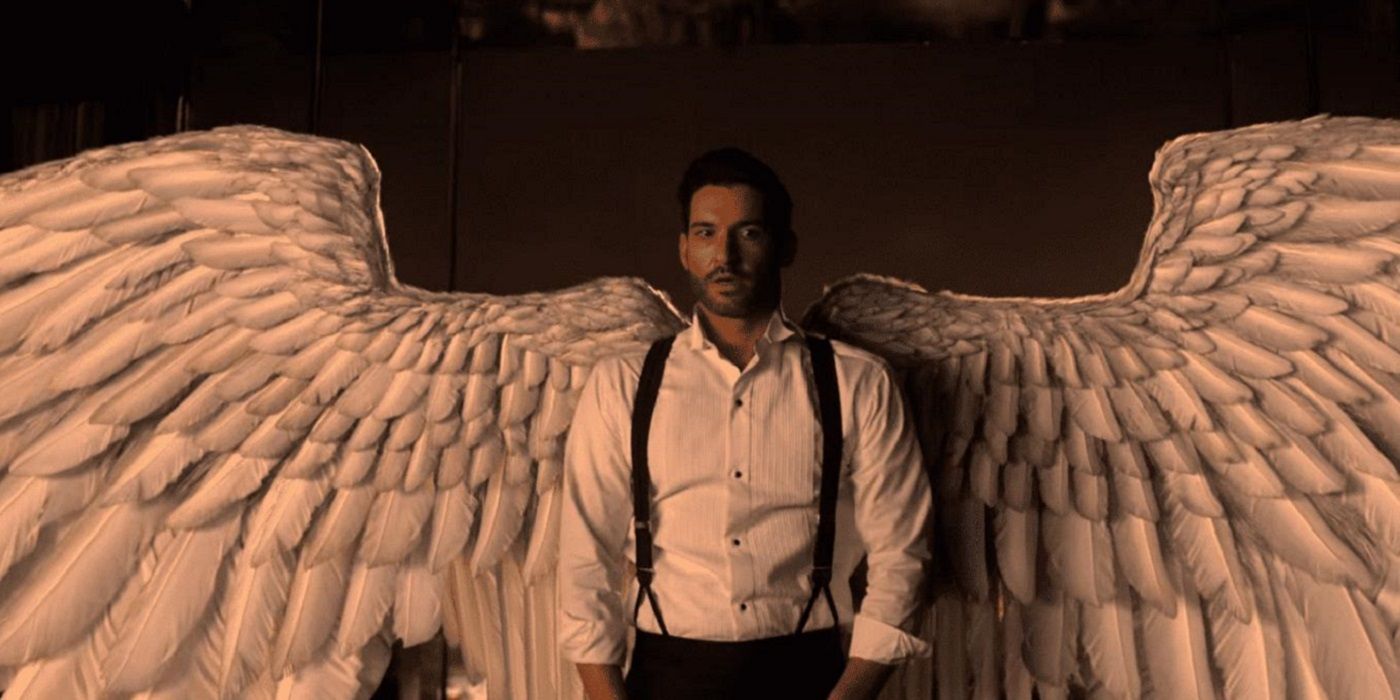
The Symbolism of Celestial Appendages: Wings as Brand Identity
From his initial descent to Los Angeles, Lucifer Morningstar is defined by his fallen angel status. The absence of his wings, a symbol of his celestial origins and divine power, becomes a recurring motif, representing his self-imposed exile, his rebellion against the divine, and his ongoing internal struggle. The very act of him losing his wings is a foundational element of his character’s brand identity within the show. It’s the visual cue that immediately tells the audience he is not just a devilishly charming nightclub owner, but a being of immense power who has deliberately severed himself from his heavenly heritage.
The Narrative Function of Wing Loss
The initial loss of Lucifer’s wings serves several critical narrative functions. Firstly, it grounds him, in a metaphorical sense, to the mortal realm. Without the ability to simply fly away, he is forced to confront his circumstances, his desires, and the consequences of his actions on Earth. This physical limitation amplifies his emotional and psychological struggles. Secondly, it provides a clear visual indicator of his fractured relationship with his Father, God. The wings, when they were present, were a constant reminder of his place in the celestial hierarchy. Their absence signifies his rejection of that order and his desire to forge his own path.
Wings as a Manifestation of Internal Conflict
The gradual return of Lucifer’s wings, and the specific episodes where this occurs, are not arbitrary plot devices. Instead, they are carefully orchestrated moments that mirror Lucifer’s internal evolution. His journey throughout the series is one of self-discovery, grappling with concepts of free will, redemption, and love. As he sheds layers of his devilish persona and begins to embrace the complexities of his true self, his physical form, and the symbols associated with it, begin to reflect this change. The regaining of his wings, therefore, is a powerful visual cue that signifies a shift in his internal landscape, a step towards reconciliation with his past and acceptance of his future.
The Pivotal Episode: “Is This the Real Life?” (Season 5, Episode 9)
While the narrative surrounding Lucifer’s wings is multifaceted and spans multiple seasons, the definitive episode where he consciously and unequivocally regains them is Season 5, Episode 9, titled “Is This the Real Life?” This episode marks a significant turning point in the series, not just for Lucifer himself, but for the entire dynamic of his relationships and his understanding of his own divine nature.
The Prophecy and the Burden of Divinity
Leading up to this episode, there have been various instances where Lucifer’s wings have been glimpsed or hinted at, often in moments of extreme emotional distress or supernatural intervention. However, “Is This the Real Life?” sees Lucifer actively embracing his destiny and accepting the mantle of leadership. He is grappling with the immense responsibility that comes with being God, a role he never truly wanted but is thrust into. This acceptance of his divine burden is intrinsically linked to the reclamation of his full celestial form.
The Emotional Catalyst for Rebirth
The emotional core of this episode revolves around Lucifer confronting his deepest fears and insecurities. He is forced to make difficult choices and demonstrate genuine growth. The regaining of his wings is not a magical bestowal but a earned manifestation of his renewed sense of self and his commitment to his loved ones and his responsibilities. It is a powerful visual metaphor for his spiritual rebirth and his acceptance of his true celestial identity, not as a rebellious son or a tormented devil, but as a being capable of immense love and leadership. The episode masterfully intertwines his internal struggle with external events, culminating in a moment of profound self-actualization.
Brand Reinforcement Through Narrative Arcs
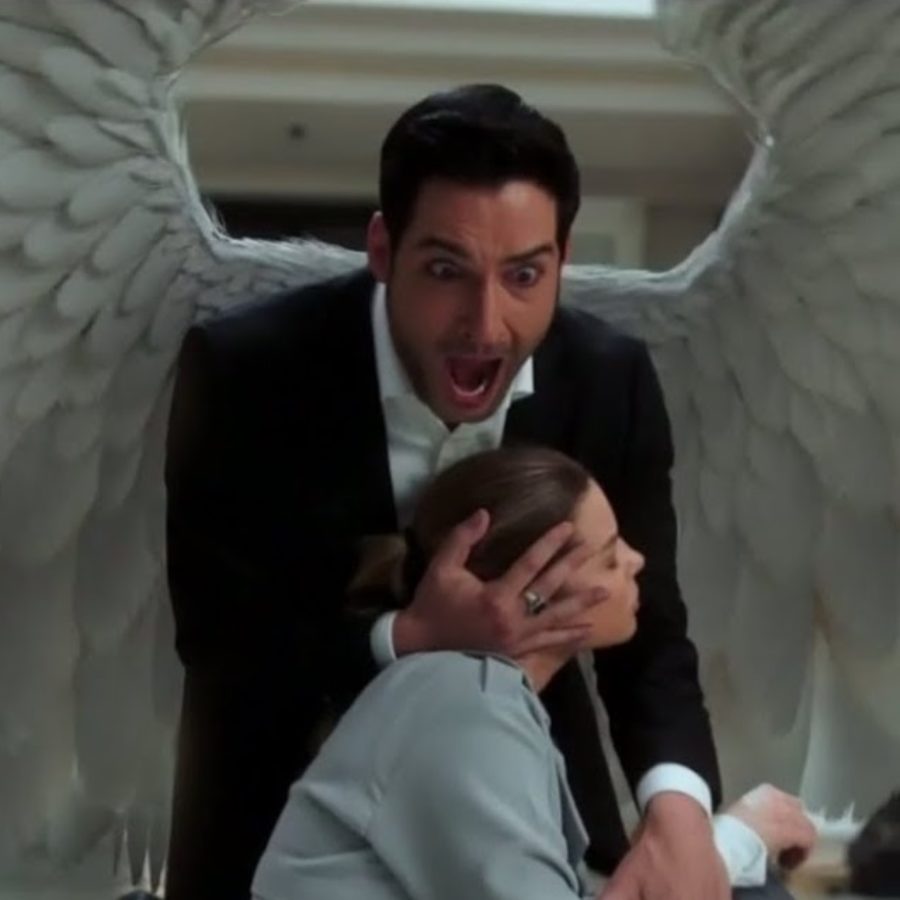
The Lucifer television series, like any successful branded entertainment property, relies on compelling narrative arcs to maintain audience engagement and solidify its unique identity. The story of Lucifer Morningstar’s wings is a prime example of how these arcs contribute to brand reinforcement.
Building Anticipation and Reward
The initial loss of the wings creates a narrative tension. Audiences become invested in the character’s journey, wondering if and how he will ever regain this fundamental aspect of his identity. The anticipation builds over seasons, making the eventual return all the more impactful and rewarding for the viewer. This deliberate pacing of narrative reveals is a key strategy in maintaining long-term audience interest. It creates moments of catharsis and satisfaction, strengthening the emotional bond between the audience and the brand (the show).
Defining Character Evolution for Brand Loyalty
Lucifer’s character arc is not static. He evolves from a self-serving hedonist to a compassionate protector and ultimately, a benevolent ruler. The regaining of his wings serves as a crucial visual marker of this evolution. It visually communicates to the audience that the character they have been rooting for has undergone significant transformation. This perceived growth and complexity are vital for fostering brand loyalty. Fans become attached to characters who are not one-dimensional but who demonstrate genuine change and growth, making them more relatable and their journey more compelling.
The Power of Visual Storytelling in Brand Identity
In the visual medium of television, visual storytelling is paramount. The wings of Lucifer are not just plot devices; they are powerful visual symbols. Their presence or absence communicates a wealth of information about the character’s state of being, his power, and his emotional journey. This consistent and evolving visual language is fundamental to establishing and reinforcing the brand identity of Lucifer. It provides a unique and memorable visual signature that distinguishes the show from others and contributes to its overall appeal. The power of this visual element ensures that the brand remains recognizable and impactful.
Beyond the Wings: The Enduring Brand of Lucifer
While the question of when Lucifer gets his wings back is a specific narrative query, it serves as a microcosm of the broader strategies employed in building and sustaining the brand of the Lucifer television series. The show’s success is a testament to its ability to blend compelling character development, engaging supernatural elements, and relatable human drama, all while maintaining a distinct and recognizable brand identity.
Narrative as a Cornerstone of Brand Equity
The meticulous crafting of narrative arcs, like the one surrounding Lucifer’s wings, builds significant brand equity. Each revealed secret, each moment of character growth, and each emotional climax contributes to the overall value and recognition of the show. Fans discuss these moments, share theories, and feel a sense of investment in the unfolding narrative. This active engagement is what transforms a television show into a cultural phenomenon and a powerful brand. The narrative becomes the engine that drives audience passion and sustained interest.
The Audience as Brand Ambassadors
When a television show resonates deeply with its audience, those viewers become informal brand ambassadors. They discuss the show with friends, recommend it, and create online communities dedicated to its lore. The narrative elements, such as the regaining of Lucifer’s wings, become talking points that fuel this organic promotion. The more compelling and well-executed these narrative beats are, the more likely they are to inspire passionate advocacy from the fanbase, further cementing the show’s brand in the public consciousness.
Sustaining Relevance Through Evolving Narratives
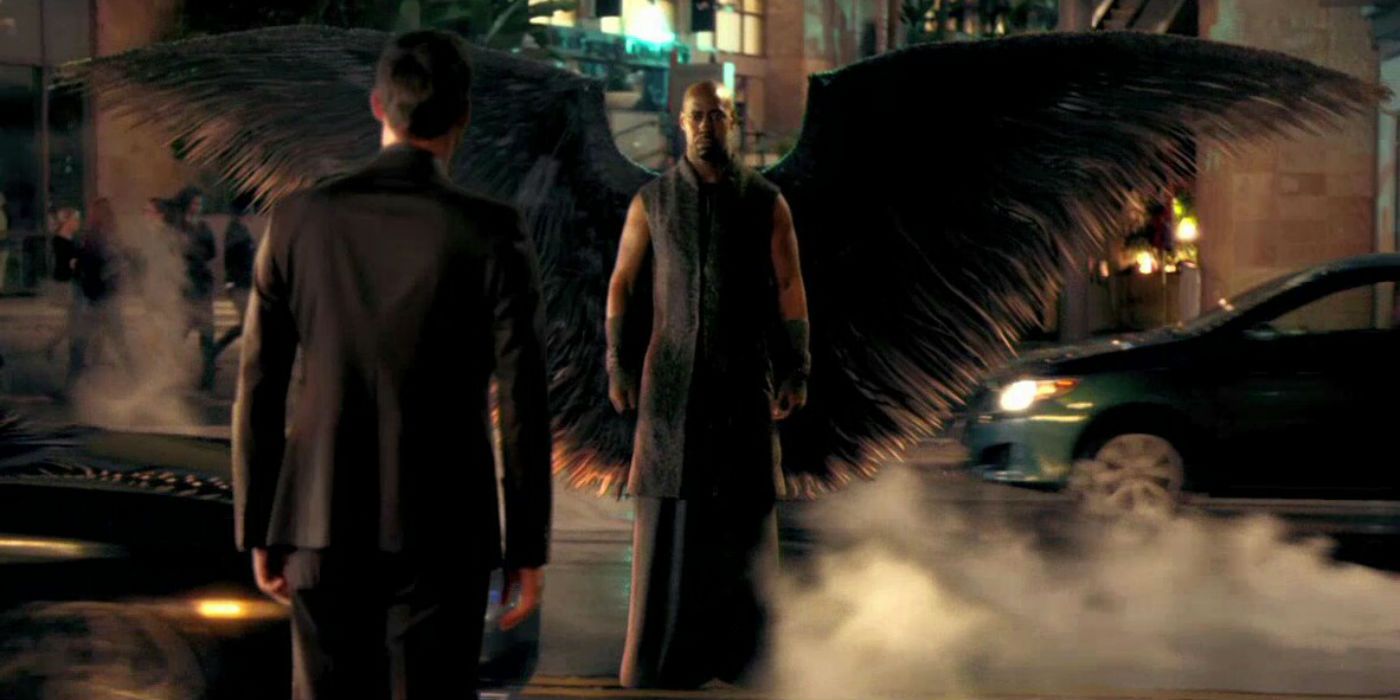
The longevity of a television series often depends on its ability to evolve and adapt its narrative while staying true to its core brand identity. The journey of Lucifer’s wings is an example of how a central thematic element can be revisited and reinterpreted to reflect character growth and thematic depth. This allows the show to maintain audience interest season after season by offering new insights and continuing the evolution of its beloved characters, ensuring the brand remains relevant and compelling to both existing and new audiences. The careful management of these narrative threads is crucial for sustained success and lasting impact.
aViewFromTheCave is a participant in the Amazon Services LLC Associates Program, an affiliate advertising program designed to provide a means for sites to earn advertising fees by advertising and linking to Amazon.com. Amazon, the Amazon logo, AmazonSupply, and the AmazonSupply logo are trademarks of Amazon.com, Inc. or its affiliates. As an Amazon Associate we earn affiliate commissions from qualifying purchases.