
The question of what drugs employers test for is a crucial one for many job seekers and current employees. This practice, often referred to as drug screening or drug testing, has become a standard part of many hiring processes and workplace policies. Understanding the types of substances employers typically screen for, the reasons behind these tests, and the nuances of drug testing procedures can help individuals navigate this aspect of the professional world with greater confidence and clarity. This article will delve into the common drug categories employers look for, the various testing methods employed, and the implications for both employees and employers, focusing on the intersection of employment and financial well-being.
The Evolving Landscape of Workplace Drug Testing
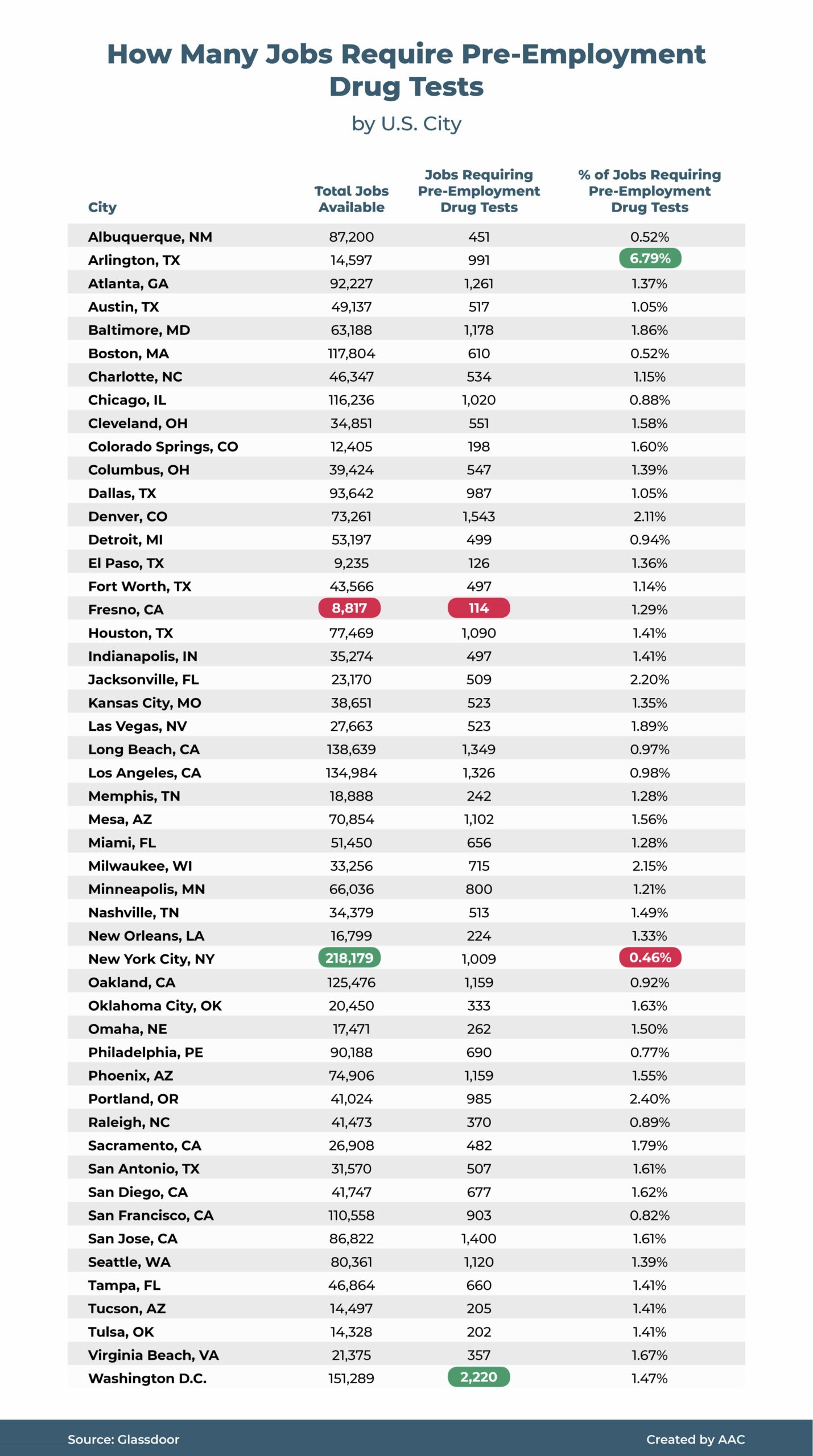
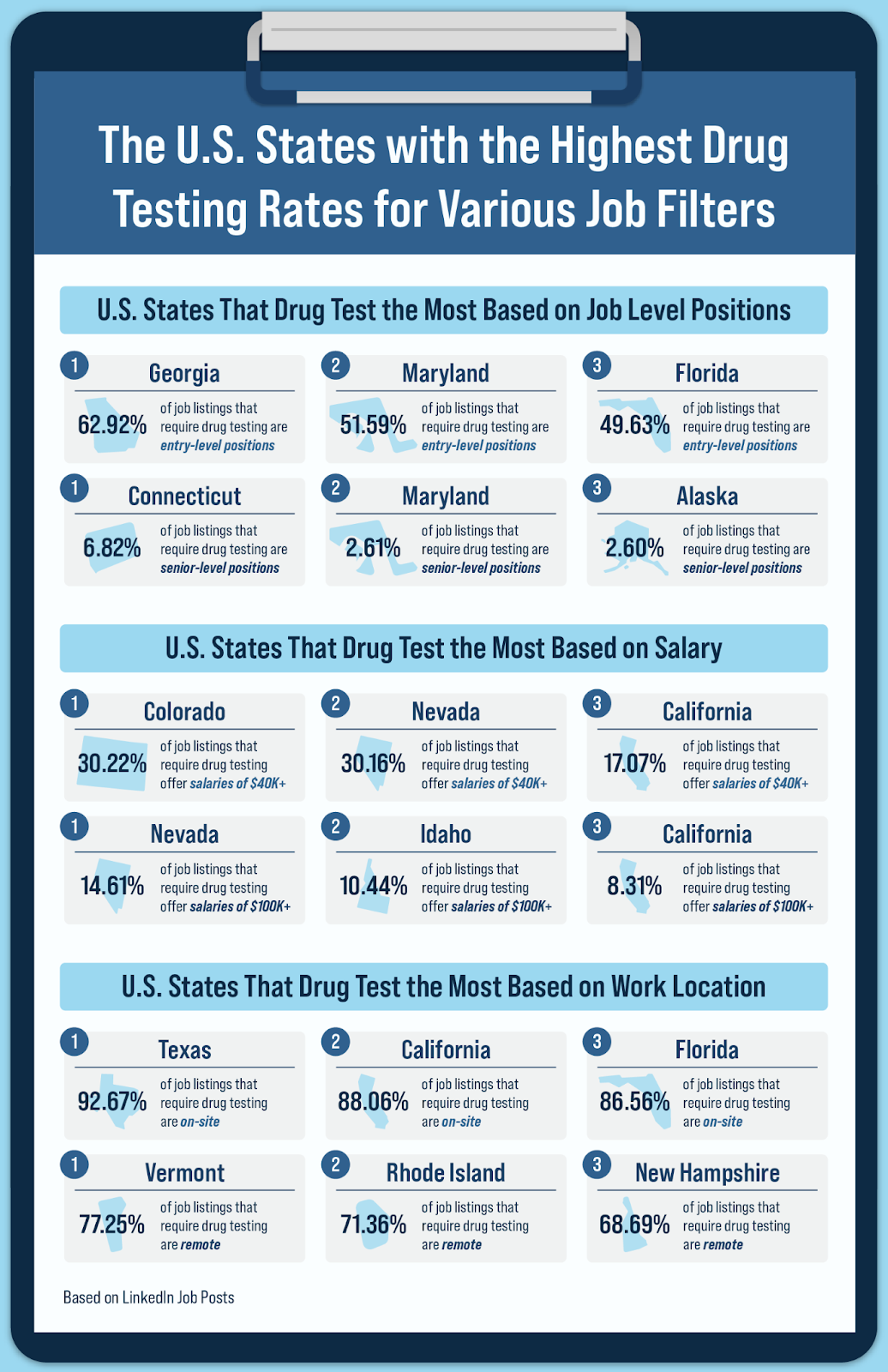
Workplace drug testing has a complex history, evolving significantly over the past few decades. Initially driven by concerns about workplace safety and productivity, especially in industries with high-risk operations, drug testing has become more widespread. The types of drugs tested for have also expanded, reflecting changes in drug use patterns and advancements in testing technology. Employers often implement drug testing policies to mitigate risks associated with impaired performance, accidents, and liability. This proactive approach can lead to a safer work environment, reduced absenteeism, and potentially lower healthcare costs. Furthermore, for companies operating under government contracts or in highly regulated industries, drug testing may be a mandatory requirement to maintain compliance and ensure public safety. The financial implications for businesses are substantial, as workplace accidents and drug-related absenteeism can significantly impact a company’s bottom line. From a personal finance perspective, maintaining a drug-free status can be a prerequisite for securing employment and advancing in one’s career, thereby directly influencing earning potential and financial stability.
Legal Frameworks and Compliance
The legality and implementation of drug testing are subject to various federal, state, and local laws. These regulations often dictate who can be tested, under what circumstances, and what types of tests are permissible. For instance, the Drug-Free Workplace Act of 1988 requires certain federal contractors and grant recipients to maintain drug-free workplaces, influencing drug testing policies across a broad spectrum of industries. In some jurisdictions, employers may be restricted from random drug testing for certain positions, while others may permit it for safety-sensitive roles. The Americans with Disabilities Act (ADA) also plays a role, generally protecting individuals with a history of drug addiction who are undergoing rehabilitation from discrimination. However, ADA protections typically do not extend to individuals currently engaging in the illegal use of drugs. Understanding these legal nuances is paramount for employers to ensure their drug testing programs are compliant and defensible, avoiding potential legal challenges and financial penalties. For employees, knowing their rights under these laws can provide essential protection and recourse if they believe a drug test has been administered unfairly or discriminatorily.
Financial Implications of Drug Testing Policies
The financial impact of drug testing policies extends to both employers and employees. For employers, the costs of implementing a drug testing program can include the expense of testing kits or laboratory analysis, administrative overhead, and potential legal fees. However, these costs are often offset by the perceived benefits of reduced accidents, decreased absenteeism, and improved productivity. Studies have shown that companies with robust drug-free workplace programs can experience significant cost savings through a reduction in workers’ compensation claims and employee turnover. On the employee side, the most direct financial implication is the potential loss of employment or the inability to secure a job if a drug test is failed. This can have severe repercussions for an individual’s financial stability, impacting their ability to pay bills, support their family, and pursue long-term financial goals. Conversely, maintaining a drug-free status can open doors to better job opportunities, higher salaries, and enhanced career progression, contributing positively to an individual’s financial well-being. The cost of drugs themselves also represents a significant financial burden on individuals, diverting funds that could otherwise be used for essential expenses, savings, or investments.
Common Drugs Screened For in Employment Contexts
When employers conduct drug tests, they are typically looking for evidence of the use of specific substances that are known to impair cognitive function, motor skills, and overall performance, or that are deemed illegal by federal and state law. The most common drug panels are designed to detect a range of illicit substances, as well as prescription medications that are frequently misused. The specific drugs included in a panel can vary depending on the industry, the nature of the job role, and company policy. However, a standard five-panel drug test is a common baseline, covering the most frequently abused categories. Understanding these categories is essential for anyone preparing for or undergoing a drug test, as it can inform decisions about personal habits and potential financial choices related to substance use.
The “Big Five”: Common Drug Categories
A standard pre-employment or random drug test usually screens for the following five categories of drugs:
- Cannabinoids (Marijuana/THC): This is perhaps the most frequently tested-for drug. While laws surrounding marijuana have evolved in many regions, it remains illegal at the federal level, and many employers still test for its presence. THC, the psychoactive compound in marijuana, can impair judgment, reaction time, and coordination, making it a concern for workplace safety and productivity. The detection window for THC can vary significantly depending on the frequency and amount of use, and the testing method employed. For occasional users, it might be detectable for a few days, while chronic heavy users may test positive for weeks or even months.
- Cocaine: Cocaine is a powerful stimulant that can lead to increased energy and alertness but also paranoia, irritability, and impaired judgment. Its effects are short-lived, but it is highly addictive. Cocaine metabolites can typically be detected in urine for 2-3 days after use, though this can extend in heavy users.
- Opiates (Heroin, Morphine, Codeine): This category includes both illegal opioids like heroin and prescription painkillers such as codeine, morphine, and oxycodone. Opioids are central nervous system depressants that can cause drowsiness, slowed breathing, and impaired coordination. Due to the widespread opioid crisis, employers are particularly vigilant about detecting their use. Opiates can remain detectable in urine for 2-3 days.
- Amphetamines (Methamphetamine, Adderall, Ritalin): This class includes both illicit drugs like methamphetamine and prescription stimulants such as Adderall and Ritalin, which are often prescribed for ADHD. Amphetamines are stimulants that can increase alertness and energy but also cause agitation, paranoia, and cardiovascular issues. They can be detected in urine for 1-3 days.
- Phencyclidine (PCP): PCP is a dissociative drug that can cause hallucinations, aggression, and impaired motor function. It is less commonly tested for than the other four in a standard five-panel test but is often included in broader screening panels. PCP can be detectable in urine for 7-30 days, making its detection window considerably longer.
Beyond the Standard: Expanded Drug Panels
While the five-panel test is prevalent, many employers opt for expanded drug panels to cover a wider array of substances, especially in safety-sensitive positions or industries with higher risks. These expanded tests might include:
- Barbiturates: These are central nervous system depressants, often prescribed for anxiety and insomnia, that can cause drowsiness and impaired coordination. They can be detected for 2-4 days.
- Benzodiazepines (Valium, Xanax, Klonopin): Similar to barbiturates, these are prescription drugs used to treat anxiety and sleep disorders. They can cause significant drowsiness and impair cognitive function. Detection windows can range from 2-7 days, and sometimes longer.
- MDMA (Ecstasy/Molly): A synthetic stimulant and hallucinogen that can cause euphoria and increased energy, but also dehydration, hyperthermia, and cardiovascular issues. MDMA is typically detectable for 1-3 days.
- Methadone: A synthetic opioid used to treat opioid addiction and pain. It can be detected for 3-4 days.
- Propoxyphene (Darvon): An opioid pain reliever that has largely been discontinued but may still be screened for in some contexts.
- Synthetic Cannabinoids (K2/Spice): These are designer drugs that mimic the effects of THC but can have much more unpredictable and dangerous side effects. They are increasingly tested for due to their rising popularity and inherent risks. Detection windows can vary wildly, but some forms can be detectable for several days.
The financial decision to use prescription drugs should always be made in consultation with a healthcare professional. Misuse or abuse of these medications can lead to addiction, significant financial strain due to prescription costs and potential legal ramifications, and negative impacts on one’s career.
Understanding Drug Testing Methods and Their Implications
The effectiveness and implications of drug testing hinge significantly on the method used. Employers choose specific testing methods based on factors such as cost, speed of results, accuracy, and the detection window required. For job seekers, understanding these methods can help demystify the process and manage expectations. The financial impact of inaccurate results, whether a false positive or a false negative, can be substantial for both parties involved, potentially leading to wrongful termination or missed opportunities.
Urine Drug Tests: The Most Common Approach
Urine drug testing is the most prevalent method used in workplace drug screening. It is relatively inexpensive, non-invasive, and can detect a wide range of drugs and their metabolites. The sample is typically collected in a private restroom under the supervision of a trained technician to ensure the integrity of the specimen.
- Detection Windows: Urine tests are effective at detecting drug use within a specific timeframe. For most common drugs like marijuana, cocaine, and opiates, the detection window is typically a few days. However, for chronic or heavy users, or for certain substances like THC and PCP, the detection window can extend to weeks or even months. This long detection window for marijuana is a significant factor for employers, particularly in states where recreational use is legal, as federal law and company policy may still prohibit its presence.
- Accuracy and False Positives/Negatives: While generally reliable, urine tests can sometimes produce false positives due to the presence of certain over-the-counter medications (e.g., some cold medicines can trigger a false positive for amphetamines) or dietary supplements. Conversely, false negatives can occur if the specimen is diluted, tampered with, or if the drug is no longer detectable by the time of the test. Employers typically use a two-step process: an initial screening test followed by a more sensitive confirmation test (often Gas Chromatography-Mass Spectrometry, or GC-MS) for any positive results to ensure accuracy.
Other Testing Methodologies
While urine testing dominates, other methods offer different advantages and disadvantages:
- Saliva (Oral Fluid) Drug Tests: These tests are becoming increasingly popular due to their non-invasive nature and the ability to detect recent drug use, often within minutes to hours of administration. Saliva tests are convenient for on-site screening and can detect drug use from a few hours up to 24-48 hours, making them useful for detecting current impairment. However, their detection window is shorter than urine tests, and they may not be as effective for detecting past or infrequent use. The financial benefit for employers lies in their speed and reduced need for laboratory processing for initial screens.
- Hair Follicle Drug Tests: Hair tests can detect drug use over a much longer period, typically up to 90 days, by analyzing drug metabolites embedded in the hair shaft. This method is effective for identifying long-term or habitual drug use. A sample of approximately 1.5 inches of hair can reveal drug use history. However, hair testing is more expensive than urine testing and can be affected by hair treatments, bleaching, or dyeing. It is also less effective at detecting very recent drug use.
- Blood Drug Tests: Blood tests are highly accurate and can detect the presence of drugs in the bloodstream very shortly after use, providing a direct measure of recent drug ingestion. They are often used in situations where immediate impairment is a concern, such as post-accident investigations or suspected intoxication. However, blood tests are invasive, expensive, and have a very short detection window, typically only a few hours to a day or two.
The financial investment in choosing the right testing method is a critical consideration for businesses. A more sensitive or comprehensive test might carry a higher upfront cost but could prevent more significant financial losses down the line due to accidents or impaired performance.
Navigating Drug Testing: Tips for Job Seekers and Employees
For individuals seeking employment or currently in the workforce, understanding the realities of drug testing can be a source of anxiety. However, by being informed and prepared, individuals can navigate this process more effectively, protecting their career prospects and financial stability. This involves understanding company policies, knowing personal rights, and making informed decisions about personal habits that could impact their ability to earn a living.
Understanding Company Policies and Pre-Test Procedures
The first step in navigating drug testing is to be aware of the employer’s specific policy. Many companies will provide this information during the application process or in their employee handbook. This policy should outline:
- When drug tests are administered: This can include pre-employment screenings, random testing for certain roles, post-accident testing, or reasonable suspicion testing.
- Which drugs are tested for: Understanding the specific panel used can help individuals gauge potential risks.
- The consequences of a positive test: This is crucial for understanding the potential impact on employment status.
It is also important to be aware of the pre-test procedures. For urine tests, this may involve instructions on how to provide the sample, such as abstaining from excessive fluid intake before the test to avoid diluting the specimen. For other tests, specific preparation instructions might be provided. Failure to adhere to these procedures can sometimes lead to the test being invalidated, which can have financial consequences if it is seen as an attempt to circumvent the testing process.
Disclosing Prescription Medications and Legal Substances
One of the most common areas of concern for individuals undergoing drug testing is the potential for prescription medications or legally consumed substances to trigger a positive result. It is essential to proactively disclose any prescription medications you are taking to the testing facility or employer, especially if they fall into categories commonly screened for (e.g., opioids, amphetamines, benzodiazepines).
- Legitimate Medical Use: Most drug testing protocols include a “Medical Review Officer” (MRO) process. After a positive initial screening, the sample is sent for confirmation testing. If confirmed positive, the MRO will contact the individual to discuss the result and request documentation (e.g., a prescription from a licensed physician) to verify legitimate medical use. If proper documentation is provided, the positive result is typically considered non-adulterated and will not result in adverse employment action.
- Over-the-Counter Medications: Some over-the-counter medications can also cause false positives. It is advisable to inform the MRO about any OTC medications you are taking. While these are less commonly a cause for a positive confirmation, awareness can help in the review process.
- Legal Substances: While marijuana may be legal for recreational or medical use in some jurisdictions, it is still illegal under federal law and many employer policies prohibit its use regardless of local laws. Therefore, understanding how legal substances are treated by your employer’s policy is critical.
The financial cost of prescription medications can be substantial, and managing these expenses through insurance or generics is a vital aspect of personal finance. However, the financial implications of failing a drug test due to undisclosed prescription use can far outweigh the cost of the medication itself, potentially leading to job loss and significant income disruption.

Understanding Your Rights and Seeking Support
Navigating workplace drug testing can be complex, and individuals have certain rights that vary by jurisdiction. If you believe you have been subjected to discriminatory or unfair drug testing practices, or if you have concerns about the validity of a test result, it is important to know your rights.
- Legal Recourse: Depending on your location, you may have legal recourse if your employer violates drug testing laws or if you are terminated unfairly based on a drug test. Consulting with an employment lawyer can provide clarity on your specific situation.
- Employee Assistance Programs (EAPs): Many employers offer Employee Assistance Programs that can provide confidential counseling and support for a range of issues, including substance abuse, stress, and financial difficulties. These programs can be a valuable resource for individuals struggling with drug use or the anxiety surrounding drug testing.
- Financial Counseling: For individuals whose employment is at risk or has been impacted by drug testing, seeking financial counseling can be beneficial. This can help in managing debt, creating a budget, and developing strategies for financial recovery.
Ultimately, maintaining a drug-free lifestyle not only contributes to personal health and safety but also plays a significant role in securing and maintaining employment, which is the cornerstone of financial stability and the ability to achieve personal financial goals. The financial prudence of avoiding costly drug habits and preparing diligently for employment requirements cannot be overstated.
aViewFromTheCave is a participant in the Amazon Services LLC Associates Program, an affiliate advertising program designed to provide a means for sites to earn advertising fees by advertising and linking to Amazon.com. Amazon, the Amazon logo, AmazonSupply, and the AmazonSupply logo are trademarks of Amazon.com, Inc. or its affiliates. As an Amazon Associate we earn affiliate commissions from qualifying purchases.