
Understanding the intricate nuances of language is paramount for any brand aiming to establish a strong, resonant, and respectful presence in international markets. This is particularly true when dealing with highly charged or vulgar terms, which can carry vastly different connotations across regions and contexts. The Spanish word “puta” serves as a potent example of a term whose misapplication or misunderstanding can lead to severe reputational damage, underscoring the critical need for linguistic due diligence in brand strategy.
The Semantic Landscape: Decoding “Puta” Beyond a Simple Translation
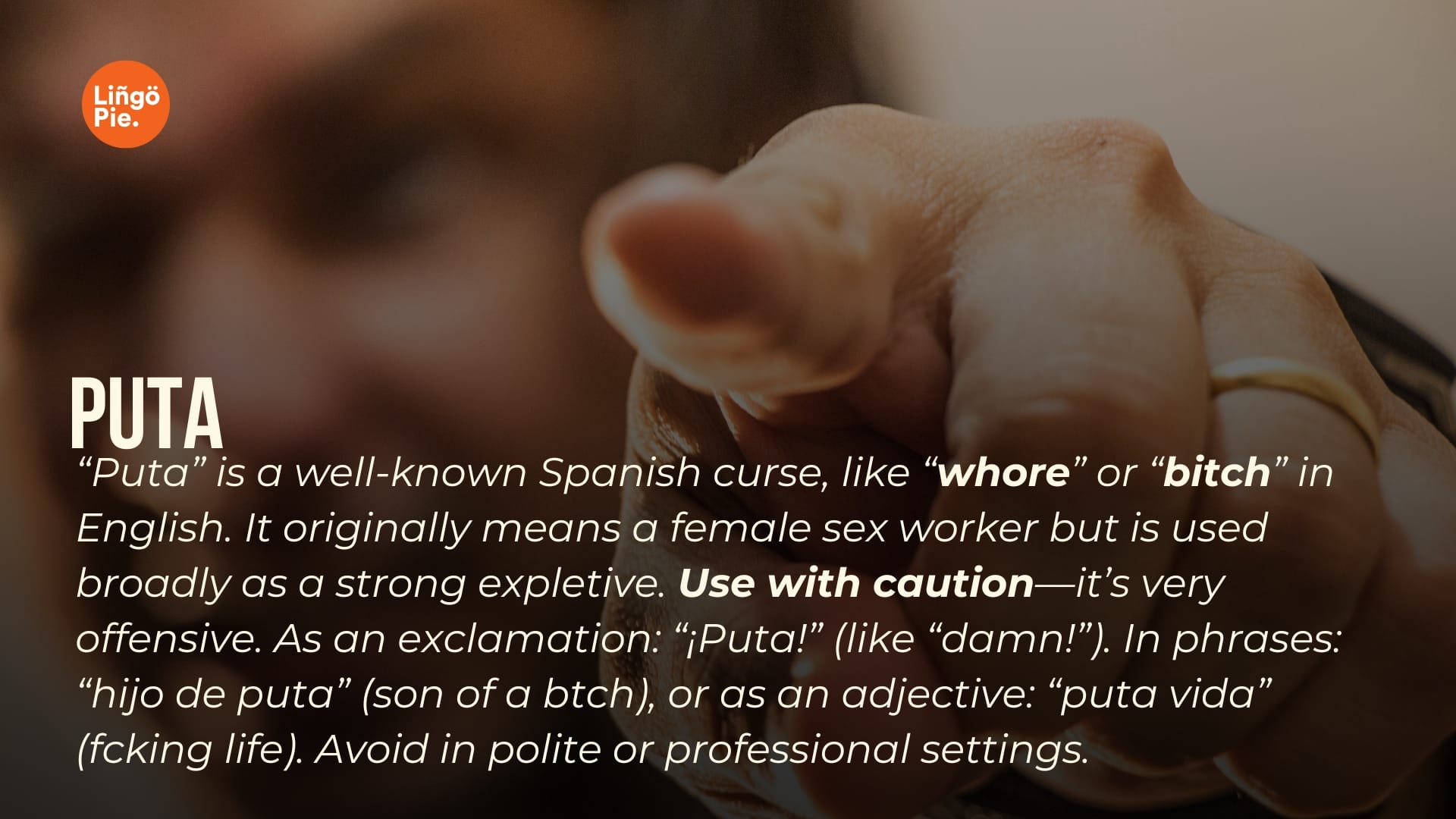
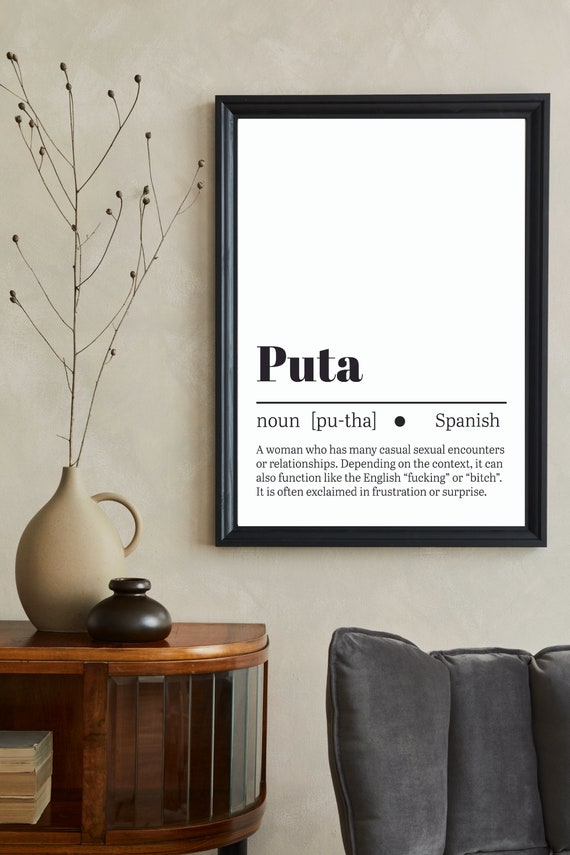
At its most literal and widely recognized level, “puta” translates to “prostitute” or “whore” in English. However, like many expletives and derogatory terms, its usage in Spanish extends far beyond this singular definition, encompassing a wide spectrum of pejorative and, in rare instances, even colloquial expressions that can vary significantly by country, region, and social context. For brands, this layered meaning presents a complex challenge, as a direct translation rarely conveys the full emotional and cultural weight.
Core Meanings and Derogatory Applications
The primary connotation of “puta” remains deeply offensive, used to insult, denigrate, or express extreme anger, particularly towards women. It directly associates the individual with promiscuity, a lack of moral character, or betrayal. This usage is unequivocally negative and highly inflammatory in almost all contexts. For any brand, aligning with or inadvertently using this term in such a manner would be catastrophic, immediately signaling disrespect and a profound lack of cultural understanding.
Regional Nuances and Intensifiers
The versatility of “puta” lies in its ability to be integrated into various idiomatic expressions, where its meaning can shift, though rarely becoming positive.
- “Hijo de puta” (son of a bitch/whore): A common, intensely insulting phrase directed at someone perceived as despicable or treacherous.
- “Puta madre”: This phrase is highly ambiguous and depends entirely on context and intonation. It can be an extreme expression of anger or frustration (“¡Qué puta madre!”) or, paradoxically, in some very informal settings, denote something exceptional or surprising, often with a negative undertone. For instance, “¡De puta madre!” (roughly “f***ing awesome”) is used to express extreme satisfaction, but this usage is highly colloquial, informal, and can still be considered vulgar or offensive in many situations and company. A brand should *never* appropriate this for public-facing communications.
- “Putazo”: Refers to a strong blow or punch.
- “Puterío”: Refers to a brothel or a chaotic, disorganized situation.
- “Qué puta suerte”: Literally “what whore luck,” but colloquially used to express extreme bad luck.
These examples illustrate that while the word’s root is consistently negative, its deployment in phrases can occasionally describe intensity or extreme states, rather than directly referencing prostitution. However, this nuanced usage is almost exclusively confined to very informal, often coarse, spoken language among close peers. It holds no place in professional, public, or brand communication.
The Spectrum of Usage: From Scorn to Exaggeration
Understanding the full spectrum is crucial for brand strategists. On one end, “puta” is a direct, visceral insult. On the other, in specific, highly informal dialects, it might be used as an intensifier without direct intent to insult, similar to how “f” is used in English slang (“fing difficult,” “f***ing amazing”). However, this does not mitigate its inherent vulgarity or the offense it can cause. For a brand, the risk of misinterpretation, offense, and subsequent reputational damage is overwhelmingly high, regardless of the intended nuance in such colloquialisms. The sheer power of the word to evoke strong negative reactions means it acts as an immediate red flag for brand communication.
Brand Reputation and the Perils of Linguistic Misstep
In the age of instant global communication, a brand’s linguistic choices are under constant scrutiny. Misusing or misunderstanding terms like “puta” in Spanish-speaking markets is not merely a gaffe; it’s a critical strategic failure that can lead to irreversible damage to brand equity, trust, and market penetration. Brands must recognize that language is not just a tool for conveying information but a carrier of culture, values, and identity.
Erosion of Trust and Brand Equity
A brand that demonstrates ignorance of linguistic sensitivities immediately signals a lack of respect for its target audience. When a brand uses or even inadvertently associates with an offensive term, consumers perceive it as careless, culturally tone-deaf, or even hostile. This erosion of trust directly impacts brand loyalty, willingness to purchase, and long-term brand equity. Rebuilding trust after such an incident is an arduous, often impossible, task, costing significant marketing resources and time.
The Viral Nature of Backlash
Social media platforms amplify linguistic missteps at an alarming rate. A poorly chosen word in an advertisement, product name, or slogan can go viral globally within minutes, sparking outrage, boycotts, and widespread condemnation. Unlike traditional media, social media allows for immediate, unmoderated public reaction, often leading to a cascade effect where negative sentiment overwhelms any positive brand messaging. The damage is not confined to a single market; it can quickly spread, tarnishing a brand’s global image. Brands must consider the global interconnectedness of their audience and the potential for a local misstep to become an international PR crisis.
Case Studies in Calamity (General Examples)
While specific product names involving “puta” are rare due to its obvious vulgarity, numerous historical examples exist of brands making less severe but still damaging linguistic errors. These often involve:
- Product names: Choosing a name that means something innocuous in one language but offensive or ridiculous in another. For instance, the infamous “Nova” car, which means “no go” in Spanish, highlights a simpler form of linguistic oversight.
- Slogans and Taglines: Translating a powerful English slogan directly into Spanish without accounting for idiomatic expressions, cultural taboos, or unintended double meanings.
- Advertising Campaigns: Using imagery or messaging that, when combined with text, inadvertently evokes negative connotations or cultural misunderstandings. While less direct than using “puta,” these demonstrate the broader principle: lack of linguistic and cultural diligence costs brands dearly. The lesson from “puta” is that even indirect association with such powerful negative language, or any perceived lack of respect, is a non-starter.

Strategies for Culturally Competent Branding in Spanish-Speaking Markets
Successfully navigating the complex linguistic terrain of Spanish-speaking markets requires a proactive, strategic approach rooted in cultural intelligence. Brands cannot afford to treat language as a mere translation exercise; it must be an integral part of their overall brand strategy.
Deep Linguistic Due Diligence: Beyond Direct Translation
The critical first step is to move beyond simple dictionary look-ups. This involves “transcreation” – adapting a message from one language to another while maintaining its intent, style, tone, and emotional resonance. It also necessitates “localization,” which tailors content to the specific cultural and linguistic norms of a particular region or country. For example, Spanish in Mexico differs significantly from Spanish in Spain or Argentina. Understanding these regional variations, including slang, colloquialisms, and terms like “puta” and its varied derivatives, is essential to avoid missteps. Brands must invest in comprehensive linguistic audits for all public-facing content.
Employing Native-Speaking Brand Consultants
The most effective safeguard against linguistic errors is to involve native speakers from the target markets in every stage of brand development and communication. These individuals possess an intrinsic understanding of local idioms, cultural sensitivities, and the unspoken rules of communication that no translation software or non-native speaker can replicate. Their insights are invaluable for:
- Product Naming: Ensuring names are not just pronounceable but carry appropriate connotations.
- Slogan Development: Crafting taglines that resonate authentically and avoid offense.
- Campaign Review: Vetting advertising copy, visual elements, and overall messaging for cultural appropriateness.
- Crisis Management: Providing immediate, informed advice in case of a linguistic misstep.
Contextual Testing and Audience Feedback
Before launching any major campaign or product in a new market, brands should conduct rigorous contextual testing. This includes focus groups, surveys, and pilot campaigns with local audiences to gauge reactions to proposed names, slogans, and messaging. Observing how the target demographic receives the brand’s communication can provide crucial insights and allow for adjustments before a full-scale launch. This iterative process is essential for ensuring that the brand’s message is not only understood but also received positively.
Building a Comprehensive Brand Language Guide
For brands operating across multiple Spanish-speaking countries, developing a detailed brand language guide is an indispensable tool. This guide should outline:
- Approved Terminology: Specific words and phrases to use.
- Forbidden Terms: A clear list of words and expressions to avoid, with explanations of why (e.g., “puta” and its derivatives).
- Tone and Style Guidelines: How the brand should communicate in different contexts.
- Regional Variations: Specific recommendations for different markets.
- Cultural Nuances: Insights into local customs, humor, and sensitivities.
This proactive measure ensures consistency and minimizes the risk of individual team members making independent, potentially damaging linguistic choices.
The Ethical Imperative: Respect, Inclusion, and Long-Term Brand Value
Beyond merely avoiding offense, the goal of culturally competent branding is to foster genuine connection and build long-term relationships with consumers. This requires an ethical commitment to respect, inclusion, and a deep appreciation for cultural diversity.
From Avoiding Offense to Actively Building Connection
True cultural competency means moving beyond a defensive posture of “what not to do” to an active strategy of “how to genuinely connect.” It involves understanding the values, aspirations, and communication styles of the target audience and crafting messages that resonate positively. Brands that make this effort are perceived as thoughtful, respectful, and authentic, which are powerful differentiators in competitive markets. By demonstrating a genuine interest in and respect for local cultures, brands can transform transactional relationships into enduring loyalties.
Brands as Cultural Navigators
In an increasingly globalized world, brands often serve as cultural navigators. They have the opportunity, and indeed the responsibility, to promote understanding and respect across diverse populations. By adopting best practices in linguistic and cultural sensitivity, brands can lead by example, setting a standard for respectful engagement. This leadership contributes not only to their own success but also to a broader environment of cross-cultural appreciation.
The ROI of Cultural Intelligence
Investing in cultural intelligence and linguistic due diligence yields significant returns. It reduces the risk of costly PR crises, enhances brand reputation, fosters deeper consumer loyalty, and ultimately drives sustainable growth in new markets. Brands that prioritize cultural sensitivity are better positioned to build lasting relationships, expand their reach, and contribute positively to the communities they serve. In essence, understanding the true meaning and impact of a word like “puta” in Spanish is not just about avoiding a mistake; it’s about embracing the strategic imperative of informed, respectful, and effective global branding.
aViewFromTheCave is a participant in the Amazon Services LLC Associates Program, an affiliate advertising program designed to provide a means for sites to earn advertising fees by advertising and linking to Amazon.com. Amazon, the Amazon logo, AmazonSupply, and the AmazonSupply logo are trademarks of Amazon.com, Inc. or its affiliates. As an Amazon Associate we earn affiliate commissions from qualifying purchases.