
Powder coating is a dry finishing process that applies a protective and decorative coating to a wide range of products and materials. Unlike traditional liquid paints, which rely on solvents to disperse pigments, powder coating utilizes a finely ground powder of resin, pigment, and other additives. This powder is electrostatically charged and then sprayed onto the substrate, which is typically metal. The electrostatic charge causes the powder to adhere to the surface, even in intricate areas and on sharp edges. Once applied, the coated object is heated in a curing oven, where the powder melts, flows, and fuses into a smooth, durable, and uniform finish. This transformative process offers a compelling blend of aesthetic appeal and robust protection, making it a cornerstone of modern manufacturing and product design.
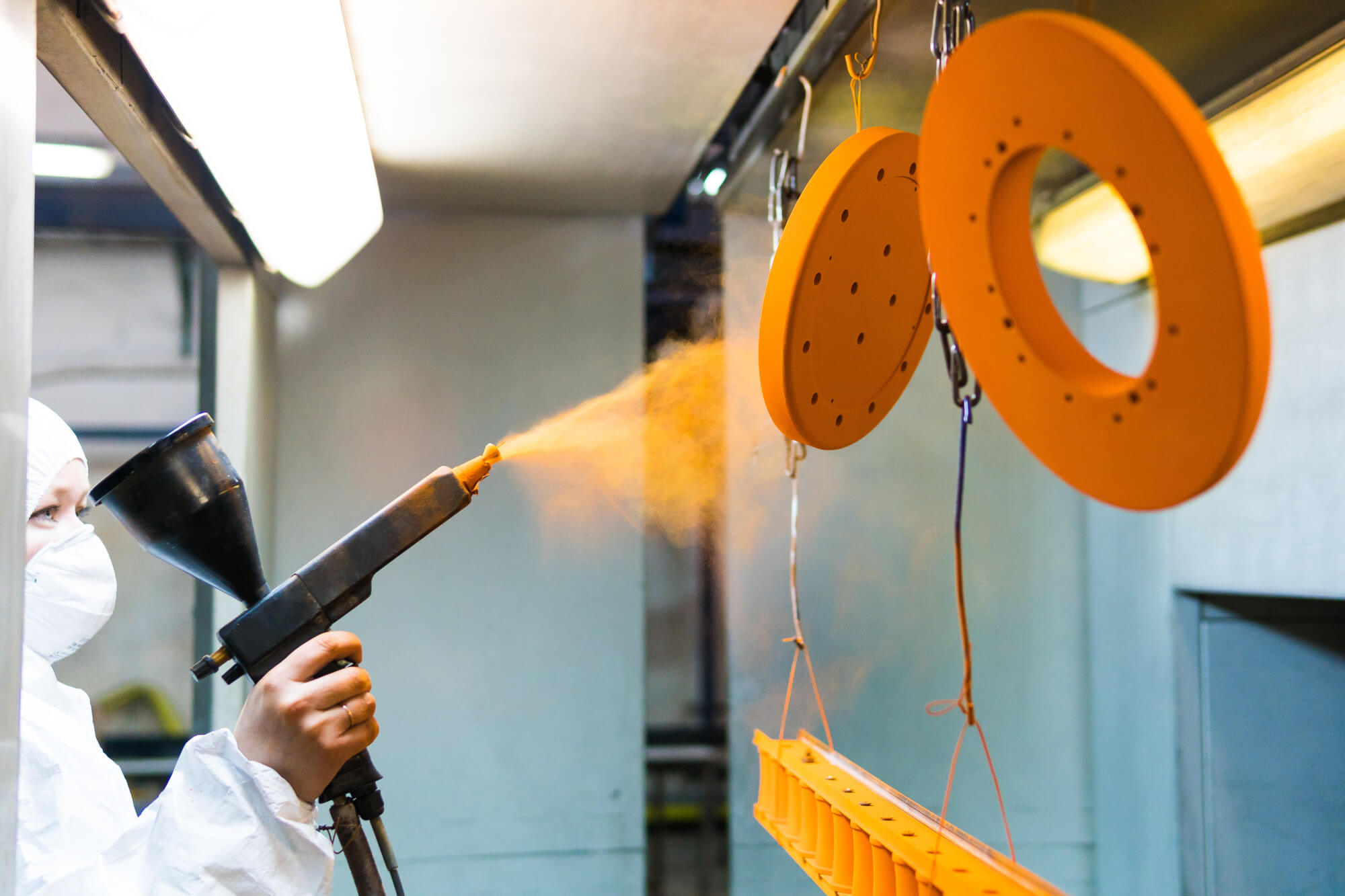
The fundamental “doing” of powder coating can be broken down into several key functionalities, each contributing to its widespread adoption and value. At its core, powder coating provides protection against corrosion and wear. This is a critical aspect for any product exposed to the elements or subjected to regular use. Beyond mere defense, it offers a vast spectrum of aesthetic possibilities, allowing for customization and brand enhancement. Furthermore, powder coating contributes to the structural integrity and longevity of the applied materials, indirectly impacting their overall lifecycle and value. Finally, its environmental considerations and operational efficiencies make it an attractive choice for manufacturers.
The Protective Powerhouse: Durability and Longevity
At its heart, powder coating excels at safeguarding the underlying substrate from the ravages of time and environmental exposure. This protective capability is not a single, monolithic benefit but rather a multifaceted outcome of the curing process and the inherent properties of the powder.
Shielding Against Corrosion and Chemical Attack
One of the primary functions of powder coating is to act as a formidable barrier against corrosion. Metals, particularly ferrous metals like steel, are susceptible to rust and degradation when exposed to moisture, oxygen, and various chemicals. Powder coating creates a seamless, non-porous surface that effectively seals out these corrosive agents. This is crucial for outdoor furniture, automotive parts, industrial machinery, and any application where longevity in challenging environments is paramount.
The chemical resistance of powder coatings is another significant advantage. Depending on the type of resin used – such as epoxy, polyester, or polyurethane – powder coatings can offer exceptional resistance to a wide array of chemicals, including acids, alkalis, solvents, and oils. This makes them ideal for applications in laboratories, chemical processing plants, and automotive undercarriages where exposure to harsh substances is common. The durable, cross-linked molecular structure formed during the curing process is key to this resistance.
Enhancing Resistance to Abrasion and Impact
Beyond chemical and environmental threats, powder coating provides a robust defense against physical wear and tear. The cured finish is significantly harder and more resilient than many liquid coatings. This enhanced hardness translates to superior resistance to abrasion, scratching, and chipping. Imagine bicycle frames, tools, or even architectural elements – all are subjected to scuffs and minor impacts during their use. Powder coating helps maintain their pristine appearance and functional integrity for extended periods.
The impact resistance is also noteworthy. While not making a substrate indestructible, the flexible yet tough nature of a properly applied powder coating can absorb a degree of impact without cracking or delaminating. This is particularly important for items that may be dropped or subjected to sudden jolts, such as equipment housing or playground structures. The ability of the coating to flex slightly with the substrate under stress prevents catastrophic failure, maintaining the protective layer.
Aesthetic Transformation: Color, Texture, and Design
While protection is a primary driver, the aesthetic capabilities of powder coating are equally significant. It is not merely a functional coating; it is a powerful design tool that can elevate the visual appeal and brand identity of a product.
An Expansive Palette of Colors and Finishes
Powder coating offers an almost limitless array of colors. Manufacturers can achieve precise color matching to brand standards or create unique, eye-catching hues. This is achieved through the precise blending of pigments within the powder formulation. Beyond solid colors, a vast range of finishes are available. This includes high gloss, satin, matte, and textured finishes. Textures can range from subtle sand-like appearances to pronounced crinkles or hammertones, adding a tactile dimension to the visual design.
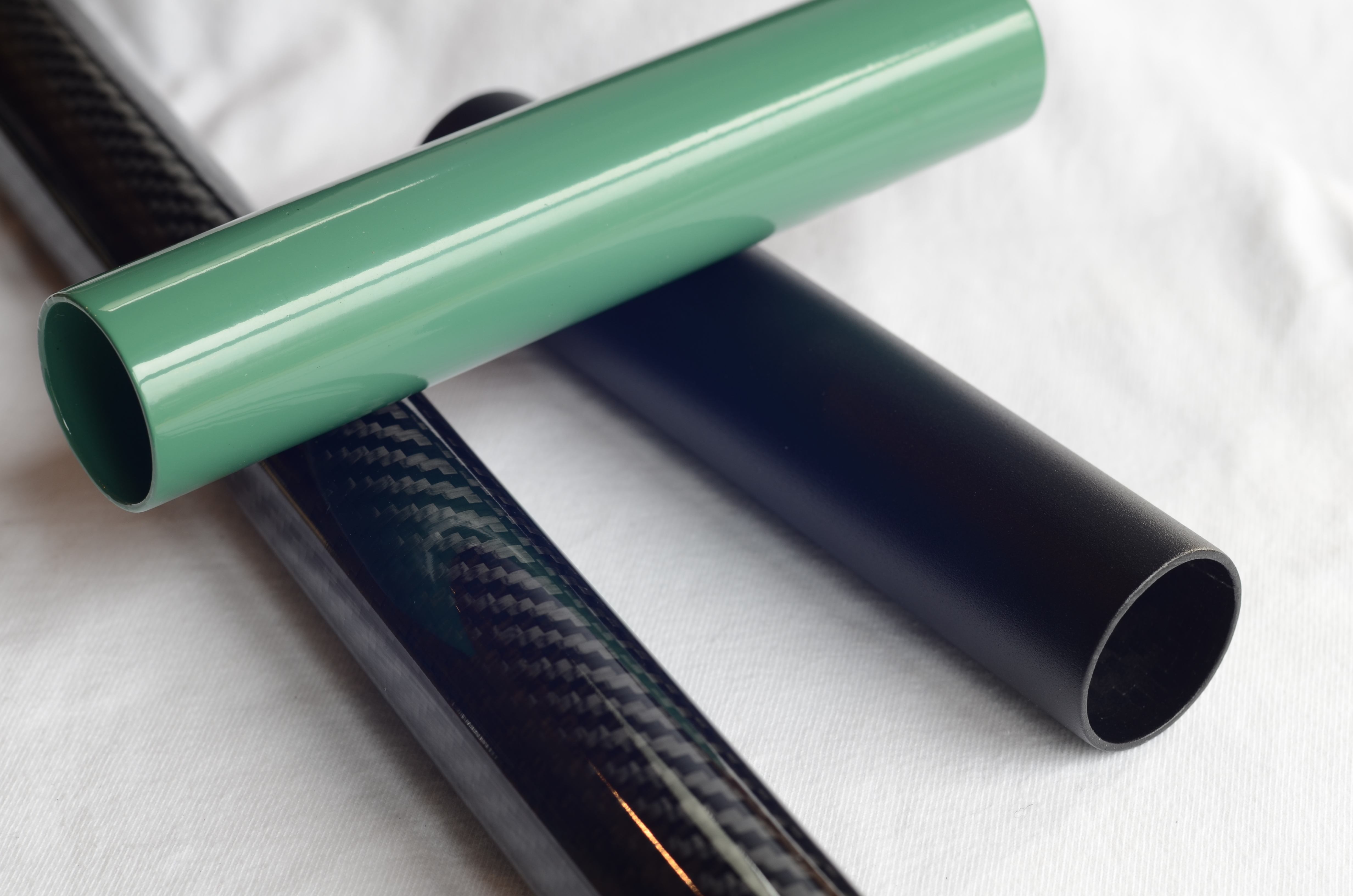
The ability to replicate metallic looks, pearlescent effects, and even wood grain finishes further expands the design possibilities. This allows designers to achieve the aesthetic of more expensive materials at a fraction of the cost and with enhanced durability. For instance, a metal railing can be powder coated to mimic the look of polished brass or aged bronze, offering the desired visual without the ongoing maintenance requirements of these precious metals.
Customization and Brand Identity
The versatility of powder coating makes it an indispensable tool for brand differentiation. Companies can use specific color palettes and finishes to create a consistent and recognizable brand identity across their product lines. This is evident in everything from consumer electronics to architectural features. A consistent color and texture can signal quality, professionalism, and a commitment to detail.
Furthermore, powder coating facilitates intricate designs and logos. While the powder is applied electrostatically, advanced techniques and masking can be employed to create multi-color designs or incorporate specific patterns. This allows for a high degree of customization, enabling products to stand out in a crowded marketplace and forge a stronger connection with consumers. The durability of the coating ensures that these visual brand elements remain intact over time, reinforcing brand recognition and recall.
Enhancing Material Properties and Performance
Beyond surface protection and aesthetics, powder coating can subtly influence the inherent properties and performance characteristics of the materials it is applied to, contributing to their overall value and functionality.
Electrical Insulation Properties
Certain powder coating formulations, particularly those based on epoxy or polyurethane resins, possess excellent electrical insulation properties. This is a critical factor in the design and safety of electrical enclosures, motor components, and other electronic devices. By applying a powder coating, manufacturers can prevent short circuits and ensure the safe operation of electrical equipment, especially in environments where moisture or conductive dust might be present. The uniform and pinhole-free nature of the cured coating contributes to its reliability as an insulating layer.
Improved Surface Friction and Grip
In some applications, powder coating can be used to modify the surface friction of a material. For instance, textured powder coatings can provide enhanced grip for handles, tools, or sports equipment. This improves usability and safety, preventing slippage and providing a more secure hold. Conversely, specialized coatings can be formulated to reduce friction, which might be desirable in certain mechanical components to reduce wear and improve efficiency. The ability to tailor the surface characteristics through powder coating adds another layer of functional versatility.
Environmental and Economic Considerations
Powder coating is not only effective but also a more environmentally conscious and economically viable option compared to many traditional liquid coating methods.
Reduced VOC Emissions and Waste
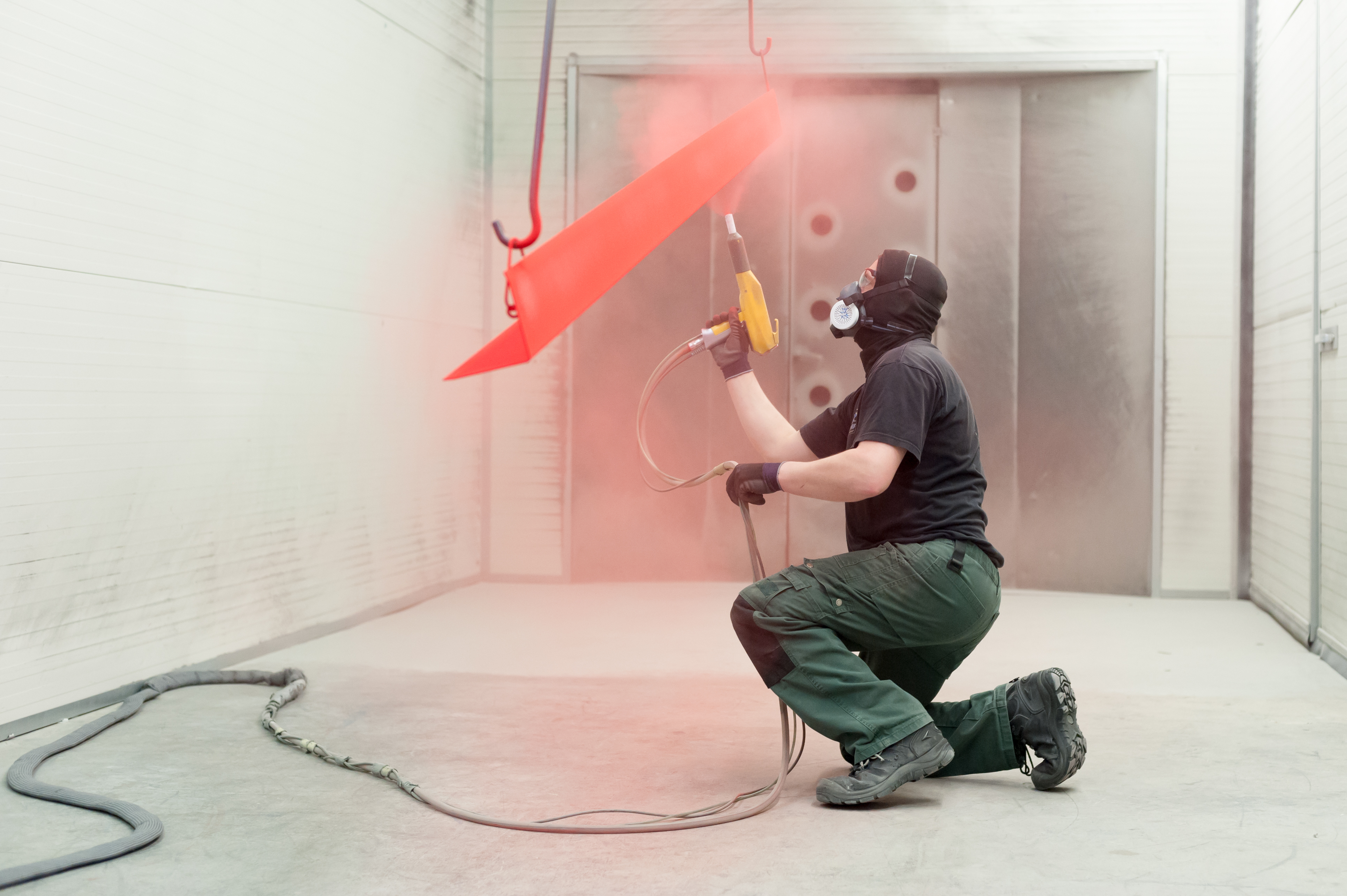
A significant advantage of powder coating is its absence of Volatile Organic Compounds (VOCs). Liquid paints rely on solvents that evaporate during the drying process, releasing VOCs into the atmosphere, which are known pollutants. Powder coating, being a dry powder, contains no solvents and thus produces virtually no VOC emissions. This significantly reduces the environmental impact of the coating process and helps manufacturers comply with increasingly stringent environmental regulations. Furthermore, overspray powder can often be collected and reclaimed, minimizing material waste.
Durability and Longevity Leading to Cost Savings
While the initial application of powder coating might have a comparable or even slightly higher cost than some basic liquid paints, its superior durability and longevity translate to significant long-term cost savings. Products coated with powder are less likely to require frequent repainting or touch-ups due to wear, corrosion, or aesthetic degradation. This reduces maintenance costs for the end-user and minimizes the need for replacement, ultimately extending the product’s lifecycle. For manufacturers, this translates to fewer warranty claims and a more satisfied customer base. The reduced need for solvents also contributes to lower disposal costs for hazardous waste associated with liquid coatings.
aViewFromTheCave is a participant in the Amazon Services LLC Associates Program, an affiliate advertising program designed to provide a means for sites to earn advertising fees by advertising and linking to Amazon.com. Amazon, the Amazon logo, AmazonSupply, and the AmazonSupply logo are trademarks of Amazon.com, Inc. or its affiliates. As an Amazon Associate we earn affiliate commissions from qualifying purchases.