
In the complex ecosystems of our planet’s oceans, few predators command as much respect and awe as the orca, also known as the killer whale. Renowned for their intelligence, sophisticated hunting techniques, and remarkable social structures, orcas are apex predators whose dietary habits offer profound insights into the principles of resource acquisition and strategic efficiency, concepts that resonate deeply within the realm of business finance. While seemingly disparate, understanding the “business model” of an orca—how it identifies, pursues, and maximizes its caloric intake—provides a compelling, albeit metaphorical, framework for analyzing successful corporate strategies, supply chain management, and the pursuit of market dominance. This article will delve into the diverse diet of orcas, examining it through the lens of financial acumen, exploring how their hunting strategies mirror the pursuit of profit, market share, and long-term sustainability in the business world.
The Orca’s Portfolio: Diversification as a Risk Mitigation Strategy
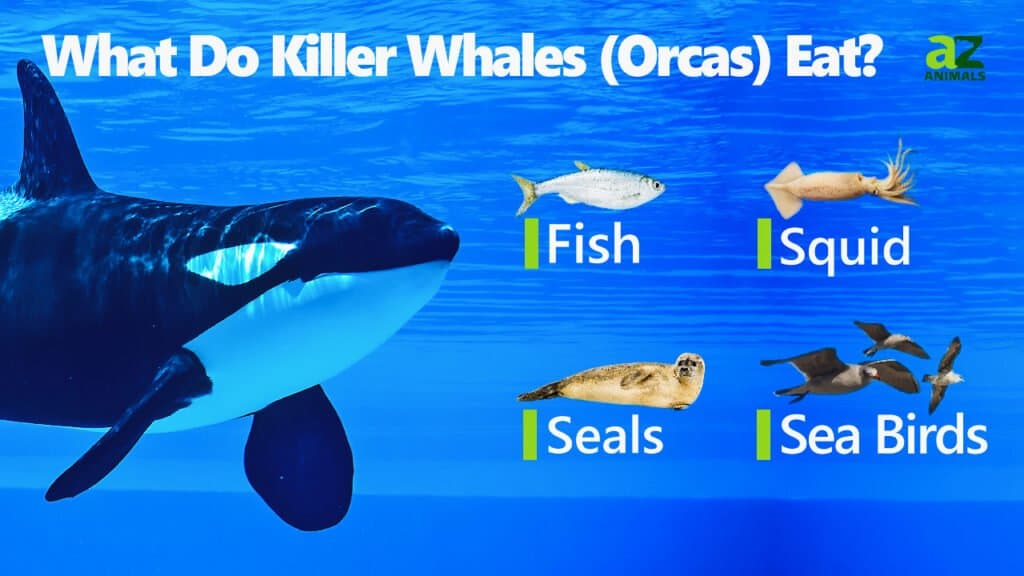
Just as a savvy investor diversifies their portfolio to mitigate risk and capitalize on various market conditions, orcas exhibit an astonishing dietary diversity that is crucial for their survival and prosperity. Their “portfolio” is not static; it adapts to geographical location, prey availability, and even cultural transmission within different pods. This adaptability, a cornerstone of robust financial planning, allows them to thrive in a multitude of oceanic environments, from the frigid Arctic waters to the temperate coasts and tropical seas.
Marine Mammals: High-Yield, High-Risk Acquisitions
A significant portion of many orca populations’ diets consists of marine mammals. This includes seals, sea lions, dolphins, porpoises, and even other whales, including juvenile or adult baleen whales. These prey items represent the “high-yield” investments in the orca’s nutritional portfolio. They are often rich in blubber and lean muscle, providing substantial caloric returns for the energy expended in the hunt. However, these acquisitions are also characterized by high “risk.” Hunting large marine mammals requires immense coordination, power, and specialized tactics. For instance, some pods have developed techniques to deliberately “wave wash” seals off ice floes, a sophisticated maneuver that demands precise timing and teamwork. This mirrors businesses pursuing large contracts or mergers and acquisitions, which promise substantial growth but also carry significant operational and financial risks. The success hinges on meticulous planning, resource allocation, and the ability to execute under pressure.
Fish: Consistent, Predictable Revenue Streams
While marine mammals represent the high-value, occasionally volatile assets, fish form the backbone of many orcas’ nutritional intake, akin to consistent, predictable revenue streams from established product lines or services. Different orca ecotypes specialize in specific fish species. For example, the fish-eating orcas of the Pacific Northwest are renowned for their reliance on salmon, particularly the endangered Chinook salmon. The pursuit of salmon, especially during their spawning runs, offers a more predictable and less energy-intensive method of acquiring sustenance compared to hunting large marine mammals. This can be compared to a company focusing on its core business, generating steady profits from a well-understood market. The “business strategy” here emphasizes efficiency and volume. By targeting abundant schools of fish, orcas can achieve a reliable energy intake, ensuring the ongoing operational capacity of the pod. The “investment” in learning and refining techniques for specific fish species—like herding them into tight bait balls or using their sonar to locate schools—is a testament to their commitment to optimizing these predictable revenue sources.
Other Prey: Opportunistic Gains and Niche Market Exploitation
Beyond marine mammals and fish, orcas are known to consume a variety of other prey, including sharks, seabirds, and even squid. These can be considered “opportunistic gains” or the exploitation of “niche markets.” While not the primary focus, these varied food sources demonstrate an opportunistic business mindset. When a readily available, albeit smaller, “opportunity” presents itself, the orca is equipped to exploit it. This could be a stranded shark, a flock of resting seabirds, or a school of squid. This flexibility allows them to maximize their resource acquisition across different environmental conditions and prey availabilities, much like a business exploring tangential markets or leveraging byproducts to generate additional revenue. It’s about seizing any viable chance to enhance overall resource accumulation.
Hunting Strategies: Operational Excellence and Competitive Advantage
The effectiveness of an orca’s diet is not solely determined by what they eat, but how they obtain it. Their hunting strategies are masterpieces of applied operational excellence, demonstrating profound tactical intelligence and a relentless pursuit of efficiency. These methods, honed over millennia of evolution and passed down through generations, are directly analogous to competitive advantages sought by businesses in the marketplace.
Coordinated Group Tactics: Synergistic Efficiencies
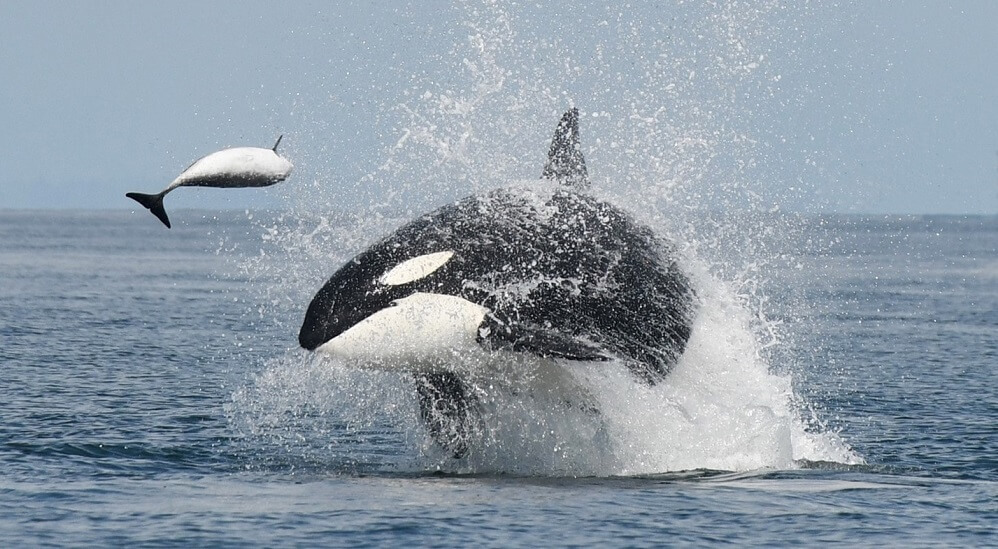
One of the most striking aspects of orca hunting is their reliance on sophisticated group tactics. These are not random attacks but highly organized maneuvers requiring communication, role delegation, and synchronized execution. From coordinated herding of fish to complex strategies for isolating and overwhelming larger prey like seals or even whales, these actions showcase the power of synergistic efficiency. This is directly comparable to a business team working collaboratively to achieve a common goal, where individual contributions are amplified by collective effort. The “return on investment” for such coordinated efforts is significantly higher than any individual effort could achieve. For example, when hunting large whales, pods may take turns to tire the prey, a strategy that conserves energy and increases the likelihood of success, mirroring effective project management and resource allocation in a corporate setting. This highlights how strategic alliances and teamwork can lead to greater market penetration and profitability.
Specialized Tools and Techniques: Innovation and Adaptation
Different orca populations, or ecotypes, have developed unique “tools” and “techniques” tailored to their specific prey and environment. This is akin to a company investing in research and development, innovating its product offerings, and refining its operational processes. The aforementioned “wave washing” technique is a prime example of specialized innovation. Similarly, some orcas have been observed using their tails to create whirlpools that disorient fish, or intentionally beaching themselves to catch seals on shorelines. These are not brute-force methods; they are intelligent applications of physics and environmental understanding. This demonstrates a commitment to continuous improvement and finding the most efficient path to “acquisition,” much like a business that leverages technology or process optimization to gain a competitive edge and reduce the “cost of goods sold” for sustenance.
Knowledge Transfer and Cultural Evolution: The Competitive Edge of Learning
Perhaps the most profound aspect of orca hunting is the transmission of knowledge across generations. Young orcas learn hunting techniques by observing and participating with experienced individuals. This “cultural transmission” ensures that successful strategies are not lost and that the pod maintains its competitive edge. This is the ultimate form of competitive advantage in business: a highly skilled, knowledgeable, and adaptable workforce that can continuously learn and innovate. The “intellectual capital” of an orca pod, embodied in its collective knowledge of prey behavior, hunting grounds, and effective tactics, is what allows them to consistently outperform less specialized or less intelligent predators. This “learning organization” model ensures long-term sustainability and dominance within their ecological niche, mirroring a company’s ability to adapt to changing market dynamics and maintain its position through superior knowledge and execution.
Energy Expenditure vs. Caloric Return: The Profitability Equation
At its core, the success of any predator, including the orca, can be evaluated by its “profitability”—the ratio of energy expended versus caloric return. This is the fundamental equation of economic viability. Orcas are masters of maximizing this equation, ensuring that their hunting efforts yield a net gain in energy, which is then used for growth, reproduction, and the maintenance of the pod.
Strategic Prey Selection: Maximizing ROI
The choice of prey is a direct reflection of optimizing the return on investment (ROI). Hunting a large, energy-rich seal might require more initial effort but yields a significantly higher caloric payoff than chasing numerous small fish. However, the risk associated with the seal hunt is also greater. Orcas exhibit a remarkable ability to assess these trade-offs. They are not simply opportunistic feeders; they are strategic choosers. This strategic selection is crucial for maintaining energy reserves and ensuring reproductive success. In business terms, this translates to identifying high-value clients or projects that offer the greatest potential profit margin, while also managing the associated risks. A company that consistently pursues projects with low margins or high operational costs will struggle for long-term profitability, much like an orca that expends more energy chasing less rewarding prey.
Minimizing Energy Waste: Efficiency in Execution
Beyond prey selection, orcas are incredibly efficient in their hunting execution. They minimize unnecessary energy expenditure by using precise movements, coordinated attacks, and often waiting for opportune moments rather than engaging in prolonged, energy-draining pursuits. This focus on efficiency in execution is paramount to their survival. Imagine a business that streamlines its production processes, reduces operational overhead, and optimizes its supply chain to minimize waste and maximize output. This is the business equivalent of an orca’s hunting efficiency. Every movement is calculated, every tactic is designed to conserve energy while maximizing the probability of a successful acquisition. This economic principle of minimizing costs while maximizing output is a universal driver of success, whether in the natural world or the corporate boardroom.
Long-Term Sustainability: Balancing Consumption and Reproduction
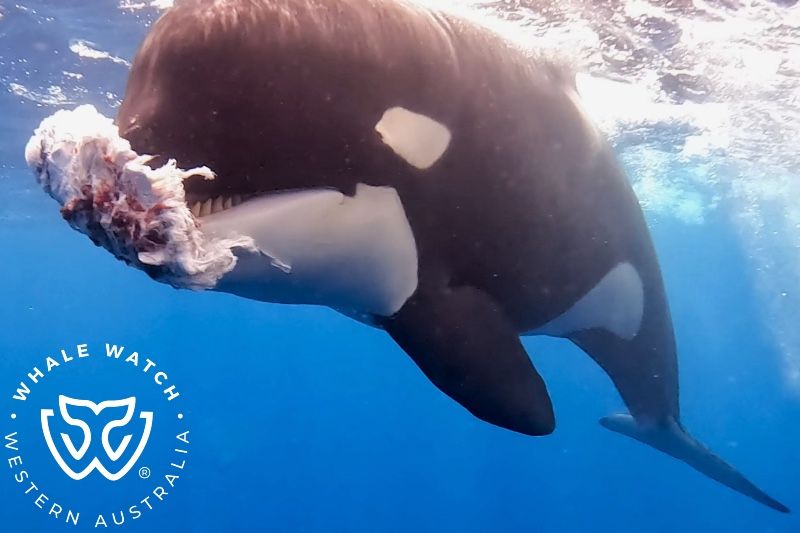
Ultimately, the feeding habits of orcas are geared towards long-term sustainability. They are not depleting their prey populations to extinction; rather, their strategies often involve hunting in a way that ensures future availability. This responsible resource management is a critical element of enduring success. Businesses that focus solely on short-term gains, often at the expense of environmental or social responsibility, risk long-term viability. An orca pod that overhunts a specific fish species would jeopardize its own future. Therefore, their diverse diet and adaptive hunting strategies ensure that they can thrive over generations, mirroring the importance of sustainable business practices for long-term profitability and societal contribution. The “profit” derived from their “operations” is not just about immediate caloric intake but about ensuring the continued health and prosperity of both the pod and the ecosystem it inhabits.
In conclusion, the seemingly simple question of “what does an orca whale eat” opens a complex window into the sophisticated strategies of resource acquisition, operational excellence, and economic viability. By examining their diverse dietary portfolio, their ingenious hunting tactics, and their keen understanding of energy expenditure versus caloric return, we gain a profound, albeit metaphorical, understanding of the principles that drive success in any competitive arena. The orca, as an apex predator, serves as a compelling case study in strategic planning, risk management, and the relentless pursuit of efficiency, reminding us that the most successful entities, whether in the ocean or the market, are those that can adapt, innovate, and operate with an unwavering focus on long-term sustainability and profitability.
aViewFromTheCave is a participant in the Amazon Services LLC Associates Program, an affiliate advertising program designed to provide a means for sites to earn advertising fees by advertising and linking to Amazon.com. Amazon, the Amazon logo, AmazonSupply, and the AmazonSupply logo are trademarks of Amazon.com, Inc. or its affiliates. As an Amazon Associate we earn affiliate commissions from qualifying purchases.