
In the intricate tapestry of road signage, yellow has long been a hue signaling caution, a prelude to potential hazards, or a directive for increased awareness. Unlike the universally understood stop signs or speed limit markers, yellow road signs are less about rigid commands and more about providing crucial contextual information that empowers drivers to make safer, more informed decisions. They are the silent navigators, the subtle nudges, that contribute to the overall flow and safety of our roadways. Understanding the nuances of these yellow indicators is not merely about deciphering symbols; it’s about embracing a proactive approach to driving, anticipating potential challenges, and ensuring a secure journey for oneself and others. This exploration delves into the multifaceted meanings of yellow road signs, categorizing their functions and highlighting their indispensable role in modern transportation infrastructure.
The Advisory Nature of Yellow: Proactive Warning and Information
The predominant role of yellow in road signage is advisory. These signs are designed to alert drivers to changing conditions or potential hazards ahead, prompting them to adjust their speed, attention, or course of action. They are not regulatory in the same way as a red stop sign or a blue information sign; instead, they serve as proactive warnings, allowing drivers to prepare rather than react solely to an immediate danger. This advisory function is crucial for preventing accidents by giving drivers the foresight needed to navigate complex or evolving road scenarios.
Anticipating Curve and Alignment Changes
One of the most common applications of yellow signs is to warn drivers about upcoming changes in road alignment, particularly curves. These signs are strategically placed to provide advance notice, allowing drivers to reduce speed and prepare for the turn.
Warning of Curves and Turns
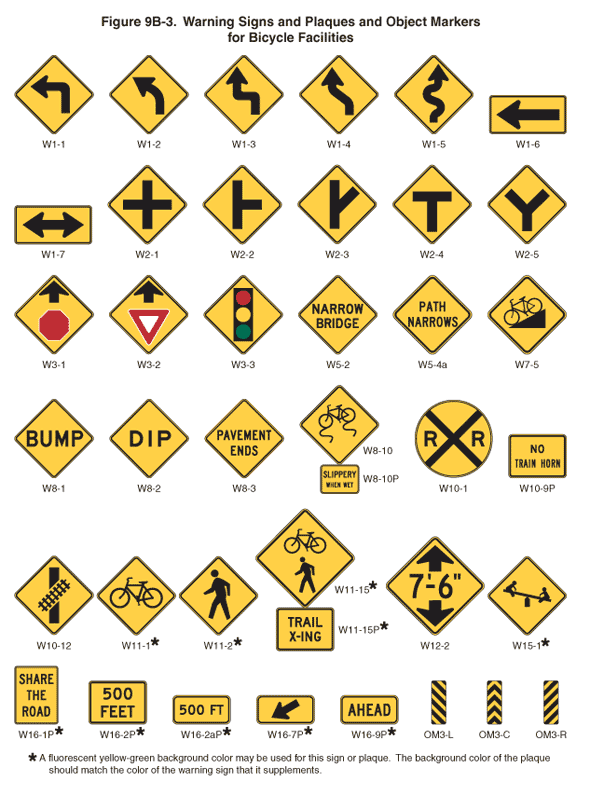
Yellow diamond-shaped signs are frequently used to indicate curves, sharp turns, and winding roads. These can range from gentle bends to hairpin turns that require significant speed reduction and careful steering. The accompanying symbols, such as a curved arrow, visually reinforce the nature of the upcoming road. For instance, a curved arrow pointing left signifies an upcoming left curve, while a double-headed arrow indicates a winding road ahead with multiple changes in direction. The placement of these signs is critical; they are typically positioned at a distance that allows drivers ample time to process the information and react accordingly. The absence of a specific speed recommendation on these signs underscores the driver’s responsibility to assess the conditions and adjust their speed appropriately.
Advisory Speed Limits for Curves
In conjunction with curve warning signs, you might also find supplementary plates indicating an advisory speed limit. These speeds are not legally enforceable like posted speed limits but are highly recommended based on engineering studies of the curve’s geometry and banking. Exceeding the advisory speed limit significantly increases the risk of losing control of the vehicle, especially under adverse weather conditions. These advisories serve as crucial safety guidelines, particularly for drivers unfamiliar with the road or those operating vehicles with different handling characteristics.
Alerting to Changes in Roadway Characteristics
Beyond simple curves, yellow signs also provide warnings about significant alterations in the roadway itself, such as changes in the number of lanes or the presence of potential obstructions.
Lane Reductions and Merges
Yellow signs are instrumental in alerting drivers to situations where lanes are about to end or merge. Signs indicating a lane reduction ahead, often with an arrow showing the affected lane, prepare drivers for the necessity of changing lanes. Similarly, merge signs warn drivers that two lanes of traffic will be combining into one, requiring drivers to be aware of and yield to merging traffic. These warnings are vital for preventing sideswipes and rear-end collisions that can occur when drivers are caught by surprise by sudden lane changes or merging situations.
Pedestrian Crossings and School Zones
The presence of yellow signs often signifies areas where increased pedestrian activity is anticipated. Warning signs for pedestrian crossings, particularly in areas without traffic signals, alert drivers to be vigilant for individuals crossing the road. Similarly, school zone signs, often accompanied by flashing lights during specific hours, are a clear indication to reduce speed and be exceptionally cautious of children who may be present, potentially darting into the road unexpectedly. These signs highlight the vulnerability of pedestrians and emphasize the driver’s responsibility to yield and exercise extreme caution.
Animal Crossing Warnings

In rural or semi-rural areas, yellow signs depicting animals like deer, moose, or cattle serve as a critical warning of potential animal crossings. These signs alert drivers to be particularly attentive, especially during dawn and dusk when animals are most active. Collisions with large animals can cause significant vehicle damage and serious injury to occupants, making these warnings invaluable for promoting driver awareness and preventing such incidents.
The Role of Yellow in Hazard and Obstruction Warnings
Yellow signs extend their protective reach by warning drivers of specific hazards or temporary obstructions that may affect the normal flow of traffic and require immediate attention.
Warning of Fixed Objects and Obstructions
These signs are designed to draw attention to stationary objects or conditions that could pose a risk to vehicles.
Bridge and Overpass Clearances
Yellow signs, often accompanied by measurements, warn of low bridges or overpasses. These are crucial for larger vehicles like trucks or RVs, preventing them from striking overhead structures. The clear display of height limitations ensures that drivers of oversized vehicles can identify potential clearance issues well in advance and reroute if necessary.
Road Work and Construction Zones
When road work or construction is underway, yellow signs become the primary communication tools for conveying temporary changes to road conditions. These can include warnings of reduced speed limits, lane closures, detours, and the presence of construction equipment or workers. Flashing lights and temporary barriers often augment these signs to create a highly visible and attention-grabbing safety zone. Understanding these signs is paramount for navigating construction areas safely and efficiently.
Other Roadway Hazards
This category encompasses a range of other potential dangers, such as slippery when wet signs, which alert drivers to surfaces that become particularly hazardous during rain. Warning signs for railroad crossings, even those without active gates, also fall under this umbrella, reminding drivers to approach with caution and be prepared to stop. Fallen rock warnings, steep grade warnings, and sharp drop-offs are further examples of yellow signs that alert drivers to specific environmental or topographical hazards.
Enhancing Visibility and Driver Awareness
Beyond conveying specific information, yellow itself contributes to improved visibility and a general sense of heightened awareness for drivers. Its bright, attention-grabbing nature makes it stand out against various backgrounds and in different lighting conditions, ensuring that these crucial warnings are noticed.
The Psychology of Yellow in Signage
Yellow is a color that is intrinsically associated with caution and attention. In the realm of visual communication, its high visibility and psychological impact make it an ideal choice for conveying urgent or important information. Its brightness can cut through glare and is easily discernible by the human eye, making it an effective signal for situations that require a driver’s immediate focus. This inherent property of the color reinforces the message of the sign, making it more likely to be noticed and acted upon.

The Importance of Driver Comprehension
Ultimately, the effectiveness of yellow road signs hinges on the driver’s ability to comprehend their meaning. While many signs use universally recognized symbols, a basic understanding of the colors and shapes employed in road signage is crucial for safe navigation. Regular review of driving manuals and an ongoing commitment to understanding traffic control devices ensure that drivers are equipped to interpret these vital indicators and respond appropriately, contributing to a safer road environment for all. The subtle but significant role of yellow in road signage serves as a constant reminder to stay alert, anticipate changes, and prioritize safety on every journey.
aViewFromTheCave is a participant in the Amazon Services LLC Associates Program, an affiliate advertising program designed to provide a means for sites to earn advertising fees by advertising and linking to Amazon.com. Amazon, the Amazon logo, AmazonSupply, and the AmazonSupply logo are trademarks of Amazon.com, Inc. or its affiliates. As an Amazon Associate we earn affiliate commissions from qualifying purchases.