
The hidden arteries of our cities, water mains are the unsung heroes of modern life, silently delivering a vital resource to homes and businesses. While we rarely see them, understanding their appearance, construction, and the technology behind their management is crucial for appreciating the infrastructure that supports our daily routines. This exploration delves into the visual and technological aspects of water mains, revealing the intricate systems that keep our taps flowing.
The Visible and the Unseen: Anatomy of a Water Main System
Water mains are not a monolithic entity but a complex network of interconnected pipes, valves, and related components. While the majority of these systems lie beneath the ground, their design and materials have evolved significantly over time, impacting their appearance and functionality.
Materials Through the Ages
The material composition of a water main is a primary determinant of its visual characteristics, even when glimpsed during excavation or repairs. Historically, materials have varied based on availability, cost, and perceived durability.
Cast Iron: The Sturdy Stalwart
One of the earliest and most prevalent materials for water mains was cast iron. These pipes are easily identifiable by their distinctive dark grey, often rough, metallic appearance. They are robust and can withstand significant pressure, which is why many older cities still rely on their extensive cast iron networks. However, cast iron is susceptible to corrosion over time, particularly in acidic soils. This corrosion can lead to the formation of rust, which might be visible on the exterior of older pipes, and can eventually lead to leaks and breaks. The joints in cast iron pipes were typically sealed with lead or oakum, further contributing to their historical context. The sheer weight and bulk of cast iron are also noticeable characteristics during installation or maintenance.
Ductile Iron: The Evolved Successor
A significant advancement over traditional cast iron is ductile iron. While still a ferrous material, ductile iron pipes are considerably stronger and more flexible, making them less prone to cracking under stress. Visually, ductile iron pipes often have a smoother, more uniform grey finish than their cast iron predecessors. They are frequently coated with a protective layer, such as cement mortar lining on the interior and a bituminous or epoxy coating on the exterior, to enhance corrosion resistance. This coating can give the pipes a slightly darker, more uniform appearance compared to raw cast iron. The joints are usually mechanical, featuring rubber gaskets that provide a watertight seal and allow for some movement, a significant technological upgrade from older methods.
Steel Pipes: Strength and Specific Applications
Steel pipes, while less common for general water distribution in municipal systems compared to iron, are used in specific applications due to their high tensile strength. These pipes are typically characterized by their shiny, metallic silver or dark grey appearance, depending on any protective coatings. They are often fabricated in sections and welded together or joined with specialized couplings. Steel’s susceptibility to corrosion is a major consideration, and they are almost always protected with internal and external coatings, such as epoxy or galvanization, to prevent rust. Their appearance can be quite distinct, especially when new, but exposed steel will quickly develop a reddish-brown rust if not adequately protected.
Polyvinyl Chloride (PVC): The Modern Standard
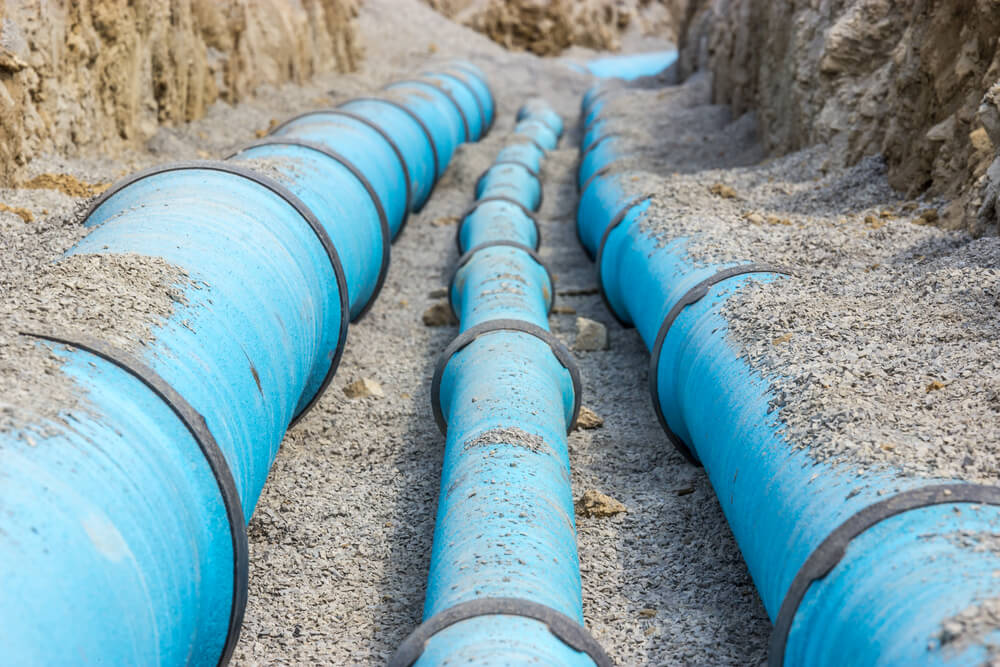
In contemporary water infrastructure, Polyvinyl Chloride (PVC) has become a dominant material, especially for smaller diameter distribution lines. PVC pipes are easily recognizable by their distinctive white or light grey color. They are lightweight, relatively inexpensive, and highly resistant to corrosion, making them an attractive choice for utilities. Their smooth interior surface also reduces friction, improving flow efficiency. PVC pipes are joined using solvent cement or gasketed bell-and-spigot connections. The “plastic” feel and uniform color are key visual identifiers. While strong, PVC can be more susceptible to damage from extreme temperature fluctuations or impacts compared to metal pipes.
High-Density Polyethylene (HDPE): Flexibility and Fusion
Another popular modern material is High-Density Polyethylene (HDPE). Similar to PVC in its resistance to corrosion and chemicals, HDPE is known for its exceptional flexibility. This allows it to be installed in long, continuous lengths, often coiled on spools, and even “snaked” through existing underground conduits. Visually, HDPE pipes are typically black, often with colored tracer stripes (e.g., blue for potable water) indicating their purpose. The most distinguishing feature of HDPE is its jointing method: heat fusion. Sections of pipe are heated and fused together to create a seamless, monolithic pipeline. This fusion process can sometimes be identified by a slight bead or change in texture at the joint.
Ancillary Components: The Supporting Cast
Beyond the main pipelines, a variety of other components contribute to the functional and visual landscape of a water main system.
Valves: The Flow Controllers
Valves are critical for controlling water flow, isolating sections for maintenance, and directing water to different areas. The most common type encountered is the gate valve or butterfly valve. These are typically housed in underground boxes, often with a visible manhole-style cover marked “Water Valve” or with a specific utility insignia. When exposed, these valves can range in size from small hand-operated units to large mechanical operators. The valve body is usually made of cast iron or ductile iron, often painted a bright color like red or blue for visibility. The operating stem, which extends to the surface, is typically a square rod that connects to a valve key for operation.
Hydrants: The Emergency Access Points
Fire hydrants are the most visible components of a water main system for the general public. Their iconic shape and bright colors (often red, yellow, or metallic silver) make them unmistakable. Modern hydrants are typically made of cast iron or ductile iron, with various protective coatings. They are designed to provide high-volume water flow for firefighting and usually feature several outlets of different sizes. The top section, or bonnet, often conceals the operating mechanism, while the barrel houses the main valve and outlets. The presence of a tamper-proof cap on the outlets signifies that the hydrant is operational and maintained.
Service Lines: The Branching Pathways
Service lines are the smaller pipes that branch off from the water main to individual properties. These can be made of a variety of materials, including copper, PEX (cross-linked polyethylene), or even older lead service lines (which are being phased out). The appearance of service lines can vary greatly depending on their age and material. Copper lines are a familiar reddish-brown, while PEX is typically white or red. The connection point where the service line taps into the water main is known as a “tap” or “corporation stop.”
The Technology Beneath the Surface: Monitoring and Management
While the physical appearance of water mains is important, the technology employed to manage these vast networks is equally significant. Modern water utilities leverage sophisticated systems to ensure efficiency, detect leaks, and maintain water quality.
Leak Detection and Monitoring Systems
The silent threat of water loss due to leaks is a major concern for water utilities. Consequently, advanced technologies are employed to pinpoint these often-invisible breaches.
Acoustic Sensors: Listening for Leaks
One of the most common leak detection methods involves acoustic sensors. These highly sensitive devices are placed on the water main or at connection points to listen for the characteristic sound of water escaping under pressure. The sound of a leak has a distinct acoustic signature, often described as a hiss or a whistle. By deploying a network of sensors, or by using mobile acoustic loggers that are moved along the pipeline, utilities can triangulate the source of the sound. Some advanced systems utilize correlators that analyze the sound detected at two points on the pipe to pinpoint the leak location with remarkable accuracy. The sensors themselves are often small, metallic devices, sometimes coupled with data transmission units.
Ground Penetrating Radar (GPR): Seeing Through Soil
Ground Penetrating Radar (GPR) is a geophysical surveying technique that uses radar pulses to image the subsurface. When used for water main inspection, GPR can help locate underground pipes, identify their depth, and even detect anomalies such as voids or cracks that might indicate potential problems. The GPR equipment typically involves a transmitter and receiver mounted on a cart or vehicle, which emits and detects radar waves that bounce off subsurface objects. While it doesn’t directly “see” the water main in the way a camera might, it can identify disturbances in the soil profile that are consistent with buried infrastructure or leaks.
Smart Meters and Data Analytics: The Digital Watchdogs
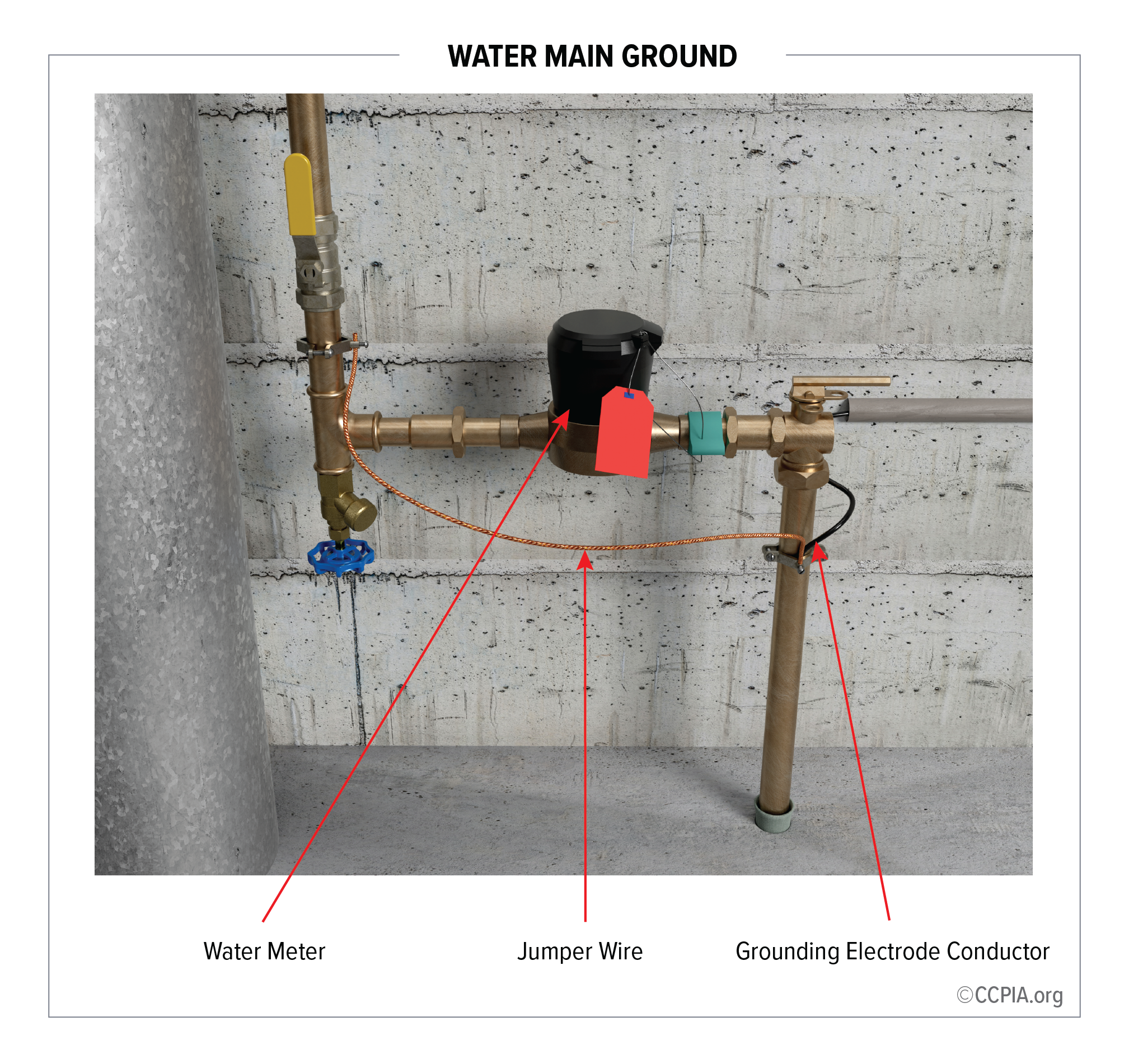
The proliferation of smart water meters at customer premises has opened new avenues for leak detection. These meters provide real-time or near real-time data on water consumption. By analyzing patterns of usage and flow, utilities can identify anomalies that might indicate a leak either on the customer’s side or within the distribution network. Sophisticated data analytics platforms can process vast amounts of information from smart meters, identifying unusual spikes or drops in flow that deviate from expected patterns. This data-driven approach allows for proactive intervention before significant water loss occurs.
Material Integrity and Corrosion Assessment
Ensuring the long-term integrity of water mains is paramount. Technologies are employed to assess their condition and prevent failures.
Internal Inspection Technologies: The Pipe’s Inner Voice
For larger diameter pipes, such as those used in transmission mains, internal inspection technologies offer a non-destructive way to assess condition. These can include:
Magnetic Flux Leakage (MFL) Tools: Detecting Metal Flaws
MFL tools utilize magnetic fields to detect defects in ferrous pipes, such as corrosion, pitting, or cracks. The tool generates a magnetic field that saturates the pipe wall. If there is a discontinuity (like a pit or crack), some of the magnetic flux will “leak” out of the pipe, which is then detected by sensitive sensors. These tools are often deployed as inline inspection (ILI) devices, also known as “smart pigs,” that travel through the pipe. The data collected can create detailed maps of the pipe’s internal condition.
Ultrasonic Testing (UT): Measuring Wall Thickness
Ultrasonic testing uses sound waves to measure the thickness of the pipe wall and detect internal corrosion or pitting. A transducer emits ultrasonic pulses into the pipe material, and the time it takes for the pulses to travel to the opposite wall and return is measured. This time is directly related to the thickness of the material. Like MFL tools, UT can be performed using inline inspection devices for comprehensive pipeline assessment.
Coating Inspection and Analysis
The protective coatings on water mains play a vital role in preventing corrosion. Technologies exist to assess the condition of these coatings, including:
Holiday Detectors: Identifying Coating Defects
A holiday detector is used to find “holidays” or pinholes in the protective coating of a pipe. It works by applying a low-voltage electrical current. If the coating is intact, it acts as an insulator. However, if there is a pinhole or defect, the current will jump across the gap to the pipe, indicating a holiday that needs repair.
Data Management and Geographic Information Systems (GIS)
The sheer scale of water distribution networks necessitates robust data management and visualization tools.
GIS Mapping: Visualizing the Network
Geographic Information Systems (GIS) are fundamental to modern utility management. GIS platforms create detailed digital maps of the entire water infrastructure, including the location, size, material, and condition of every water main, valve, and hydrant. This spatial data allows engineers and operators to visualize the network, plan maintenance, respond to emergencies, and conduct asset management. The “look” of a water main in a GIS context is a digital representation, often symbolized by lines of various colors and thicknesses indicating pipe material and diameter, with embedded data points for each component.

Asset Management Software: Tracking Lifecycles
Specialized asset management software integrates with GIS data to track the lifecycle of water main assets. This software helps utilities prioritize replacement projects, schedule maintenance, track repair history, and forecast future needs based on age, material, and condition. The visual outputs from these systems often include dashboards and reports highlighting critical assets, areas of concern, and planned work.
In conclusion, while water mains are largely hidden from view, their “look” is a rich tapestry of historical materials, modern engineering, and cutting-edge technology. From the rugged reliability of cast iron to the sleek efficiency of HDPE, and from acoustic sensors listening for leaks to sophisticated GIS mapping, the technology that underpins our water infrastructure is a testament to human ingenuity in delivering an essential resource. Understanding these visual and technological aspects provides a deeper appreciation for the complex, interconnected systems that keep our cities alive and hydrated.
aViewFromTheCave is a participant in the Amazon Services LLC Associates Program, an affiliate advertising program designed to provide a means for sites to earn advertising fees by advertising and linking to Amazon.com. Amazon, the Amazon logo, AmazonSupply, and the AmazonSupply logo are trademarks of Amazon.com, Inc. or its affiliates. As an Amazon Associate we earn affiliate commissions from qualifying purchases.