
The term “SWAT” – Special Weapons and Tactics – evokes images of highly trained individuals operating at the forefront of law enforcement, responding to the most dangerous and complex situations. While the bravery and tactical prowess of SWAT officers are undeniable, their effectiveness is increasingly interwoven with advanced technology. This article delves into the multifaceted role of a SWAT officer, exploring the sophisticated technological toolkit they utilize to ensure public safety in high-risk scenarios. From cutting-edge communication systems to advanced surveillance gear and specialized weaponry, technology is not merely an accessory for SWAT teams; it is an integral component of their operational success and officer safety.
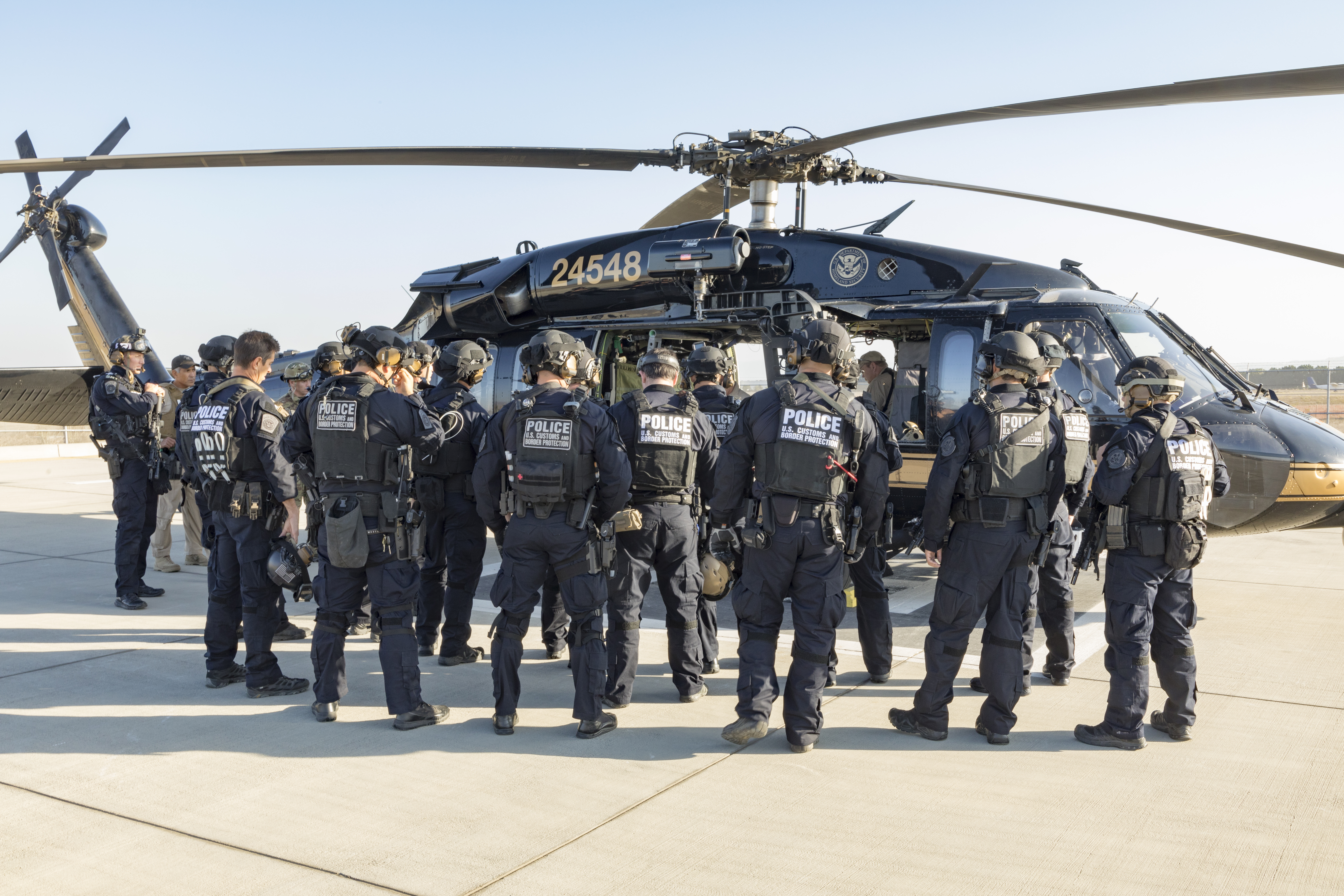
The Technological Arsenal: Equipping for High-Risk Operations
SWAT officers are equipped with a range of specialized gear that goes far beyond standard police equipment. This arsenal is carefully selected and constantly updated to provide them with the best possible tools to neutralize threats, protect hostages, and secure dangerous situations. The emphasis is on precision, reliability, and the ability to operate in diverse and challenging environments.
Advanced Communication and Situational Awareness Systems
Effective communication is paramount in high-stakes operations where seconds can mean the difference between success and failure, or life and death. SWAT teams rely on secure, encrypted communication systems that allow for seamless coordination among team members, command staff, and other responding agencies.
Encrypted Radio and Intercom Systems
Standard police radios often lack the bandwidth and security required for complex SWAT operations. SWAT teams utilize advanced encrypted radio systems that ensure their communications remain private and free from interception. These systems can often support voice and data transmission, allowing for the sharing of real-time intelligence and tactical updates. Furthermore, specialized intercom systems are integrated into helmets and body armor, enabling direct, hands-free communication between team members during dynamic entries and close-quarters combat. This allows for immediate feedback and adjustments to tactical plans on the fly, without compromising manual dexterity or situational awareness.
Real-Time Data Feeds and Mobile Command Centers
Modern SWAT operations increasingly integrate real-time data feeds from various sources. This can include live video streams from drones, surveillance cameras, and even body-worn cameras of officers on the perimeter. These feeds are often displayed on ruggedized tablets or large screens within mobile command centers, providing commanders and team leaders with an unprecedented level of situational awareness. Mobile command centers themselves are sophisticated technological hubs, equipped with advanced networking capabilities, mapping software, and incident management systems that allow for the centralized collection, analysis, and dissemination of critical information. This technology enables faster, more informed decision-making, crucial for de-escalating volatile situations and minimizing risk to both civilians and officers.
Surveillance and Reconnaissance Technologies
Before and during an operation, understanding the environment and the adversaries is critical. SWAT teams employ a variety of surveillance and reconnaissance technologies to gather intelligence discreetly and effectively.
Drones and Unmanned Aerial Vehicles (UAVs)
Drones have revolutionized SWAT operations by providing aerial perspectives that were previously impossible to obtain. Equipped with high-definition cameras, thermal imaging sensors, and sometimes even less-lethal payload capabilities, UAVs can be deployed to assess potential threats, identify hostage locations, map building layouts, and monitor suspect movements without putting officers in immediate danger. The data collected by drones can be transmitted in real-time to the command center or directly to tactical teams, providing invaluable intelligence for planning and execution. The development of smaller, more agile drones also allows for indoor reconnaissance in complex structures, offering a safe means of assessing internal layouts and potential hazards.
Covert Surveillance and Listening Devices
In situations requiring prolonged observation or intelligence gathering within a specific location, SWAT teams may utilize a range of covert surveillance technologies. This can include sophisticated listening devices, microscopic cameras, and even remote sensors that can detect movement or changes in the environment. The deployment of such technology requires specialized training and operates under strict legal protocols to ensure privacy rights are protected. These tools are crucial for understanding the dynamics of a standoff, identifying the number and disposition of suspects, and gauging their intent, all of which inform tactical approaches and potential negotiation strategies.
Tactical Tools and Specialized Weaponry: Precision and Control
Beyond communication and surveillance, SWAT officers utilize a range of specialized tools and weaponry designed for precision, effectiveness, and the minimization of collateral damage. The selection of these tools is guided by the principle of using the minimum force necessary to achieve objectives while ensuring officer and public safety.
Less-Lethal Options and Diversionary Devices
While SWAT teams are trained to use lethal force when absolutely necessary, a significant portion of their tactical approach relies on less-lethal options to incapacitate or deter threats without causing fatal injury.
Beanbag Rounds, Tasers, and Pepperball Guns
SWAT officers are trained in the use of various less-lethal projectile systems, including beanbag rounds designed to incapacitate through blunt force trauma, conducted energy weapons (Tasers) that deliver an electric shock to disrupt neuromuscular control, and pepperball guns that deploy chemical irritants. These tools provide officers with graduated response options, allowing them to address escalating situations with appropriate force. The effectiveness of these less-lethal options is constantly being refined with technological advancements, focusing on accuracy, range, and the reduction of potential for serious injury.
Diversionary Devices and Chemical Agents
Diversionary devices, often referred to as “flashbangs,” are used to disorient and temporarily incapacitate suspects, creating an opportunity for a tactical entry. These devices produce a bright flash and a loud noise, disrupting a suspect’s senses and ability to react. SWAT teams also employ various chemical agents, such as tear gas or incapacitating sprays, to control crowds or force suspects out of fortified positions. The deployment of these devices requires precise knowledge of their effects and the environment to ensure they are used safely and effectively without causing undue harm to innocent parties.
Advanced Firearms and Ballistic Protection
The firearms and protective gear employed by SWAT officers are selected for their accuracy, reliability, and ability to perform under extreme conditions.
Specialized Rifles and Shotguns
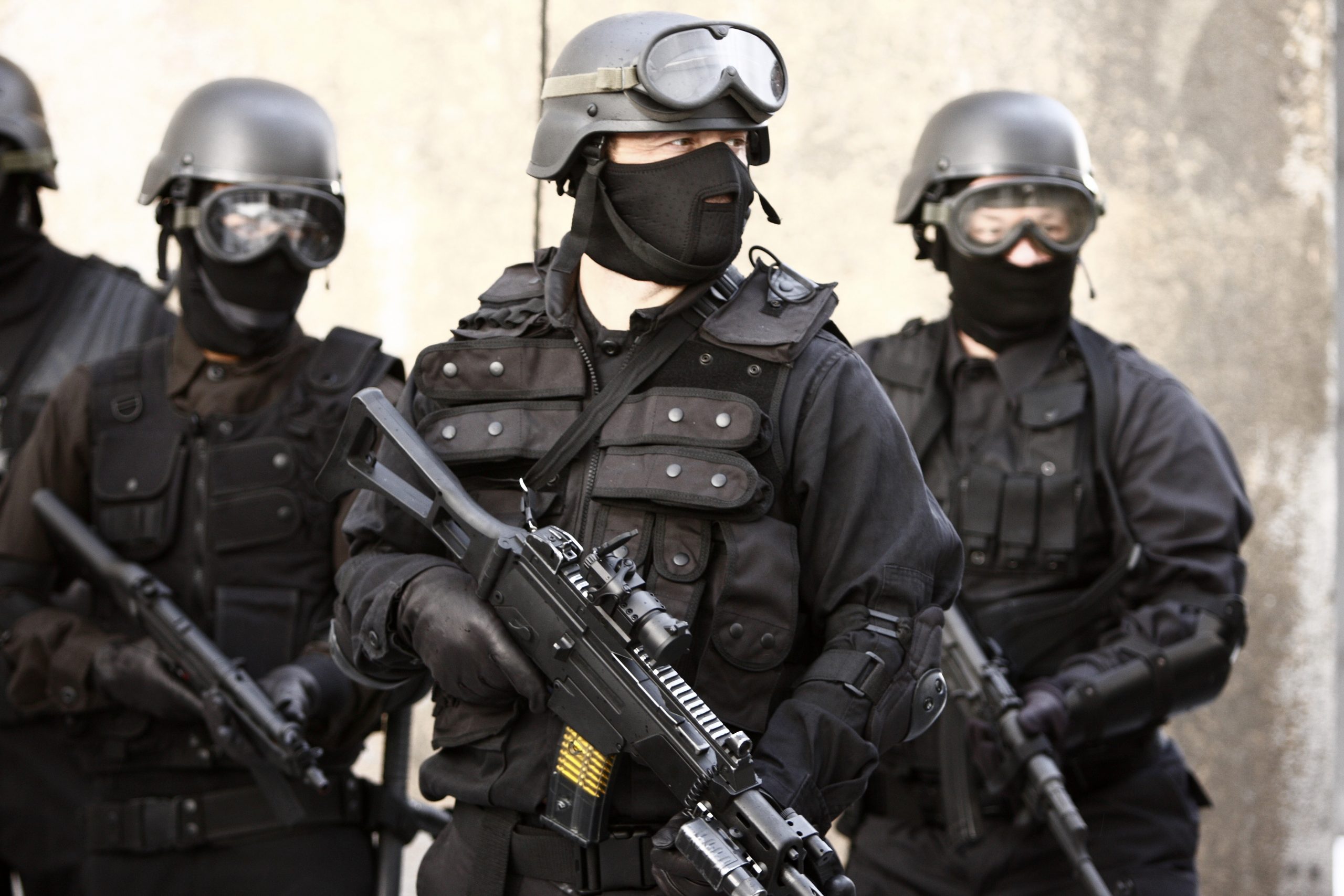
SWAT teams often utilize specialized rifles, such as semi-automatic precision rifles for long-range engagements, and carbines with enhanced accuracy and modularity for close-quarters combat. These firearms are equipped with advanced optics, such as red dot sights and variable power scopes, to improve target acquisition and precision. Specialized shotguns are also part of the SWAT arsenal, often used for breaching doors or for deploying less-lethal rounds. The emphasis is on platform stability, ergonomic design, and the ability to engage targets effectively in dynamic and unpredictable environments.
Ballistic Body Armor and Helmets
Officer safety is paramount, and SWAT officers are equipped with some of the most advanced ballistic protection available. This includes lightweight, yet highly effective body armor designed to stop rifle rounds, as well as advanced ballistic helmets that offer head protection against fragmentation and handgun rounds. Many helmets are also integrated with communication systems and mounting points for tactical lights, cameras, and other accessories, further enhancing officer capabilities and survivability in hostile environments. The continuous innovation in materials science and design ensures that SWAT officers have the best possible protection against the threats they face.
The Digital Backbone: Data, Analytics, and Training Technologies
Beyond the immediate tools of engagement, the effectiveness of a SWAT team is increasingly shaped by its digital backbone – the systems and technologies that support intelligence gathering, data analysis, and advanced training.
Intelligence Gathering and Data Analysis Platforms
The modern battlefield, even in law enforcement, is increasingly data-driven. SWAT teams leverage sophisticated digital platforms to aggregate, analyze, and act upon intelligence.
Open-Source Intelligence (OSINT) Tools and Social Media Monitoring
SWAT units often utilize specialized software and platforms for open-source intelligence gathering. This involves collecting and analyzing publicly available information from the internet, social media, news reports, and other sources to build a comprehensive picture of potential threats, individuals of interest, and their networks. Social media monitoring tools can help identify potential radicalization, criminal activity, or planned events that may require SWAT intervention. This proactive intelligence gathering is crucial for threat assessment and strategic planning.
Crime Analysis Software and Predictive Modeling
Beyond immediate threat assessment, SWAT operations can be informed by broader crime analysis software and predictive modeling. These technologies can help identify patterns of criminal activity, predict potential hotspots, and inform resource allocation. While not always directly used in the immediate response to an incident, the data generated by these systems can influence the training, equipment, and strategic deployment of SWAT teams over time, contributing to a more proactive and effective law enforcement posture.
Immersive Training Technologies: Preparing for the Unforeseen
The dynamic and often unpredictable nature of SWAT operations necessitates rigorous and realistic training. Technology plays a pivotal role in simulating these scenarios and honing officer skills.
Virtual Reality (VR) and Augmented Reality (AR) Simulation
Virtual Reality (VR) and Augmented Reality (AR) are rapidly transforming law enforcement training, and SWAT teams are at the forefront of this adoption. VR simulations can recreate complex tactical scenarios, allowing officers to practice decision-making, room-clearing techniques, and weapon handling in a safe and controlled environment. AR technology can overlay digital information onto real-world scenarios, providing instructors with real-time feedback on officer performance or simulating the presence of threats. These immersive technologies allow for highly repetitive and customizable training, enabling SWAT officers to develop muscle memory and refine their responses to a wide array of potential situations.

Scenario-Based Training with Digital Feedback Systems
Beyond VR, SWAT teams utilize sophisticated digital feedback systems within their physical training facilities. These systems can track officer movements, weapon deployment, and decision-making during simulated scenarios. Data is collected, analyzed, and then used to provide detailed debriefings and personalized coaching. This allows for objective assessment of performance, identification of areas for improvement, and the continuous refinement of tactical protocols. The goal is to bridge the gap between training and real-world application, ensuring officers are as prepared as possible for the immense challenges they may face.
In conclusion, the role of a SWAT officer is a complex and demanding one, requiring exceptional skill, courage, and a deep understanding of specialized technology. From the encrypted radios that facilitate seamless communication to the drones that provide invaluable aerial reconnaissance, and the immersive VR simulations that hone their skills, technology is an indispensable force multiplier. As threats evolve and technology advances, SWAT officers will continue to adapt, leveraging the latest innovations to protect communities and uphold the law with precision, effectiveness, and an unwavering commitment to safety.
aViewFromTheCave is a participant in the Amazon Services LLC Associates Program, an affiliate advertising program designed to provide a means for sites to earn advertising fees by advertising and linking to Amazon.com. Amazon, the Amazon logo, AmazonSupply, and the AmazonSupply logo are trademarks of Amazon.com, Inc. or its affiliates. As an Amazon Associate we earn affiliate commissions from qualifying purchases.