
The world of personal branding is often associated with tangible skills, professional achievements, and outward expressions of expertise. Yet, for some individuals, their unique abilities lie in a realm less easily quantifiable: the spiritual. A spiritual medium, by definition, acts as a conduit between the physical world and the spiritual realm, facilitating communication with spirits, energies, or departed loved ones. While the practice itself is rooted in belief and intuition, the successful practitioner, much like any entrepreneur or professional, must cultivate a strong and authentic personal brand to thrive.
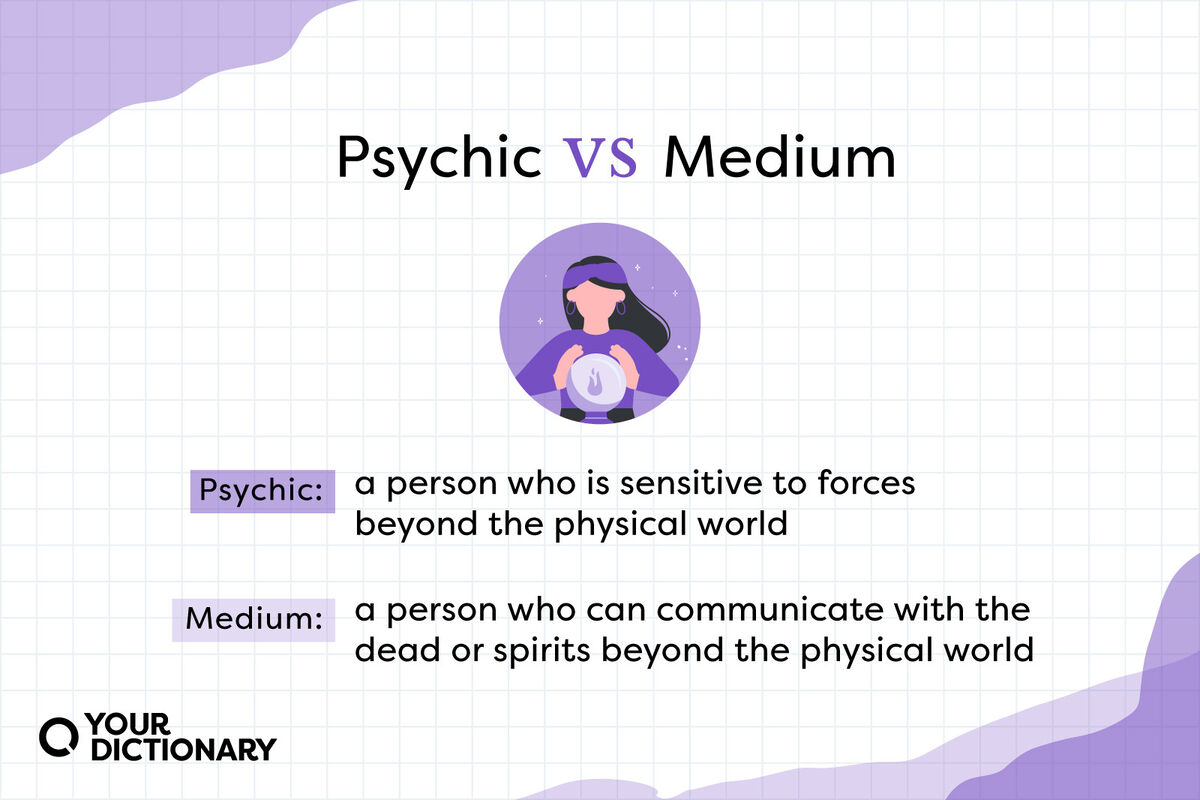
This exploration delves into what a spiritual medium does, not just in terms of their perceived abilities, but through the critical lens of branding. We will examine how they build trust, establish credibility, attract clients, and manage their unique “business” in a way that resonates with their target audience. The principles of personal branding, though often discussed in conventional business contexts, offer a powerful framework for understanding the dynamics of a spiritual medium’s practice.
The Foundation of Trust: Building Credibility in the Unseen
For any personal brand, trust is paramount. In the context of spiritual mediumship, where the services offered are inherently intangible and often met with skepticism, building and maintaining credibility is a delicate and crucial undertaking. This involves demonstrating authenticity, ethical conduct, and a consistent ability to connect with clients on a deep, personal level.
Authenticity as the Cornerstone
At the heart of any successful personal brand is authenticity. For a spiritual medium, this means embodying their perceived connection to the spiritual realm with genuine sincerity. This isn’t about putting on a performance; it’s about living and communicating from a place of deep inner conviction. Clients seeking a medium are often vulnerable, looking for solace, guidance, or closure. They are drawn to individuals who project a sense of genuine empathy and a true belief in their abilities.
- Genuine Belief and Practice: A medium’s brand is inextricably linked to their personal belief system and the integrity of their practice. Pretending to have abilities or engaging in manipulative tactics will inevitably erode trust. Authenticity means being transparent about their process, their limitations, and their own journey of spiritual development.
- Vulnerability and Honesty: While projecting confidence is important, a degree of vulnerability can also enhance authenticity. Sharing aspects of their own spiritual journey, acknowledging the challenges of their work, and admitting when a connection is unclear can paradoxically strengthen a client’s trust. It humanizes the medium and makes them more relatable.
- Consistent Messaging: A spiritual medium’s brand message should be consistent across all platforms. Whether through website copy, social media posts, or conversations, the core values and the nature of their services should be clearly articulated. This consistency reinforces their authenticity and helps potential clients understand what to expect.
Ethical Framework and Professionalism
The practice of spiritual mediumship operates within a sensitive ethical landscape. A strong personal brand must be built upon a solid ethical foundation, demonstrating a commitment to the well-being of clients and the integrity of the spiritual connection.
- Client Confidentiality and Respect: Just as in therapeutic or legal professions, confidentiality is non-negotiable for spiritual mediums. Clients share deeply personal information, and the medium’s brand must reflect an unwavering commitment to protecting this privacy. Respect for individual beliefs and experiences is also vital.
- Setting Boundaries: A responsible medium establishes clear boundaries regarding what they can and cannot do, what information they can convey, and the expected outcomes of a session. Over-promising or creating unrealistic expectations can severely damage a personal brand. This includes not making definitive predictions of death or misfortune, nor attempting to profit from fear.
- Professional Conduct: While the work is spiritual, the approach can and should be professional. This includes maintaining punctuality, communicating clearly, managing appointments efficiently, and having a well-defined fee structure. Professionalism signals that the medium takes their practice seriously and respects their clients’ time and resources.
- Avoiding Exploitation: A core ethical principle for any medium is to avoid exploiting vulnerable individuals. This means not engaging in fear-mongering, not pressuring clients into repeated or expensive sessions, and always prioritizing the client’s emotional and spiritual well-being above financial gain.
Crafting the Message: Articulating the Unseen
The core of any brand is its message. For a spiritual medium, articulating the value and nature of their services in a way that is both understandable and compelling requires careful consideration. This involves translating intangible experiences into relatable concepts and showcasing the positive impact of their work.
Defining the Service Offering
The term “spiritual medium” can encompass a wide range of perceived abilities. A key aspect of branding is to clearly define the specific services offered and the unique approach of the individual practitioner.

- Clarity on Communication: Does the medium primarily connect with spirits of departed loved ones, spirit guides, or a broader universal consciousness? Clearly articulating the focus of their communication helps potential clients understand if their needs align with the medium’s expertise.
- Types of Readings/Sessions: Are sessions focused on grief counseling, providing specific messages from the afterlife, offering guidance on life path, or a combination? Detailing these offerings allows clients to choose a service that best suits their current situation.
- The Medium’s Unique Style: Each medium has a unique energy and way of connecting. Highlighting this distinctive style – whether it’s through direct communication, symbolic imagery, or emotional resonance – helps differentiate them in a crowded field.
Storytelling and Testimonials: Building Social Proof
In the absence of traditional metrics, stories and testimonials become powerful tools for building social proof and demonstrating the impact of a spiritual medium’s work.
- Sharing Client Success Stories (Anonymously): While client confidentiality is paramount, with express permission, sharing anonymized stories of how a reading provided comfort, clarity, or resolution can be incredibly impactful. These narratives offer tangible evidence of the medium’s ability to help.
- Collecting and Displaying Testimonials: Genuine testimonials from satisfied clients are invaluable. These can be collected through feedback forms after sessions or voluntarily offered. Displaying these testimonials prominently on a website or social media channels provides powerful social proof and builds confidence in potential clients.
- The Medium’s Own Narrative: The medium’s personal journey and the development of their abilities can also be a compelling part of their brand narrative. Sharing how they came to embrace their gifts, the challenges they’ve overcome, and their passion for helping others can create a deeper connection with their audience.
The Digital Footprint: Extending Reach and Engagement
In today’s interconnected world, a spiritual medium’s brand extends far beyond in-person sessions. A strategic online presence is crucial for reaching a wider audience, educating potential clients, and fostering a community around their work.
Website and Online Presence
A professional website serves as the central hub for a spiritual medium’s brand. It’s where potential clients will go to learn more, understand the services offered, and make inquiries.
- Professional Website Design: The website should be aesthetically pleasing, easy to navigate, and reflect the spiritual and often serene nature of the practice. High-quality images, clear typography, and well-written copy are essential.
- Detailed Service Descriptions: Each service should be clearly explained, including the process, duration, and cost. FAQs can address common questions and concerns, further building transparency.
- Contact and Booking Information: Making it easy for clients to book sessions is critical. This can include online booking systems, clear email contact, and phone numbers.
Content Marketing and Social Media Engagement
Beyond a static website, actively engaging with an audience through content marketing and social media can significantly enhance a spiritual medium’s brand.
- Blogging and Articles: Sharing insights into the nature of spirit communication, offering tips for spiritual development, or discussing common questions about the afterlife can position the medium as an authority and attract individuals interested in these topics.
- Social Media Platforms: Platforms like Instagram, Facebook, or even YouTube can be used to share inspirational quotes, short messages from spirit guides, behind-the-scenes glimpses of their work (respecting client privacy), or to host Q&A sessions. The goal is to build a community and foster ongoing engagement.
- Live Sessions and Webinars: Offering live Q&A sessions on social media or paid webinars on specific spiritual topics can provide valuable content, demonstrate expertise in real-time, and create direct interaction with a wider audience.

Managing Perception and Addressing Skepticism
A spiritual medium’s brand will inevitably encounter skepticism. A sophisticated approach to personal branding involves proactively managing perception and gracefully addressing doubt.
- Focus on Impact and Transformation: Instead of focusing solely on the “how” of spirit communication, a stronger brand message emphasizes the positive outcomes for clients – peace of mind, healing, guidance, and a renewed sense of purpose.
- Educating the Audience: Rather than dismissing skepticism, a thoughtful approach involves educating the audience about the nature of energy, consciousness, and the spiritual realm. This can be done through blog posts, articles, or even gentle explanations during sessions.
- Maintaining Composure and Professionalism: When faced with criticism or doubt, maintaining a calm, professional, and respectful demeanor is crucial. Engaging in arguments or becoming defensive can damage the brand. Instead, a focus on offering clear explanations and reiterating the principles of their practice can be more effective.
In conclusion, while the practice of spiritual mediumship exists in a realm beyond conventional business metrics, the principles of personal branding are remarkably applicable. By focusing on authenticity, building trust through ethical conduct, clearly articulating their unique message, and strategically leveraging digital platforms, spiritual mediums can cultivate powerful and resonant personal brands. This approach not only helps them attract and serve clients effectively but also elevates the perception of their vital, albeit unconventional, work within society. Their brand becomes a beacon, signaling integrity, compassion, and a genuine connection to something beyond the material world.
aViewFromTheCave is a participant in the Amazon Services LLC Associates Program, an affiliate advertising program designed to provide a means for sites to earn advertising fees by advertising and linking to Amazon.com. Amazon, the Amazon logo, AmazonSupply, and the AmazonSupply logo are trademarks of Amazon.com, Inc. or its affiliates. As an Amazon Associate we earn affiliate commissions from qualifying purchases.