
In the realm of health technology, understanding diagnostic results is paramount. When it comes to HIV testing, the terms “reactive” and “non-reactive” are central to interpreting the outcome. For many individuals, receiving a non-reactive HIV test result is a moment of significant relief, indicating that the specific test used did not detect the presence of HIV antibodies or antigens in their blood or other bodily fluid. However, the implications and nuances of this result extend beyond a simple binary interpretation, touching upon the accuracy of the test itself, the window period, and the ongoing importance of safe practices. This article delves into the multifaceted meaning of a non-reactive HIV test result, providing a comprehensive understanding for individuals and healthcare professionals alike, within the context of evolving diagnostic technologies.
Understanding HIV Diagnostic Technologies and Their Outputs
HIV testing has undergone remarkable advancements, moving from complex laboratory procedures to rapid point-of-care tests. These technologies are designed to detect either the human body’s immune response to HIV (antibodies) or the virus’s genetic material or specific proteins (antigens). The output of these tests is typically classified as reactive (also known as positive), non-reactive (also known as negative), or indeterminate. Understanding the technology behind these classifications is crucial for interpreting the meaning of a non-reactive result.
The Science Behind HIV Detection
The majority of modern HIV tests are designed to detect antibodies produced by the body in response to HIV infection. When HIV enters the body, the immune system recognizes it as foreign and begins to produce antibodies to fight it off. These antibodies typically become detectable in the blood within a few weeks to months after exposure. Newer generation tests, such as fourth-generation assays, can simultaneously detect both HIV-1 and HIV-2 antibodies and the p24 antigen. The p24 antigen is a protein that is part of the HIV virus itself and can be detected earlier in the course of infection than antibodies.
Interpreting “Non-Reactive” in Context
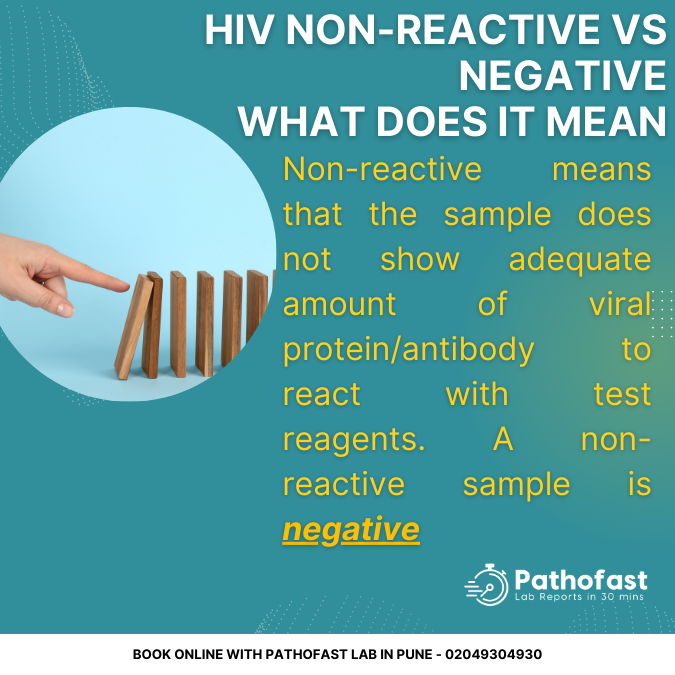
A “non-reactive” result signifies that the test did not detect the presence of HIV antibodies or the p24 antigen above a certain threshold that would indicate an infection. This is the most common outcome for individuals who have not been exposed to HIV. It’s important to remember that a non-reactive result is a snapshot in time and is dependent on the accuracy of the specific test used and the timing of the test in relation to potential exposure. Medical professionals rely on these results as a crucial part of a broader diagnostic picture, which may include patient history and further confirmatory testing if there are any doubts or specific clinical concerns. The ongoing development of highly sensitive and specific diagnostic tools continues to refine the accuracy of these interpretations.
The Role of Different Test Generations
The evolution of HIV testing technology has led to different “generations” of tests, each with its own sensitivity and specificity. First-generation tests detected antibodies, but were less sensitive. Second-generation tests improved antibody detection. Third-generation tests, commonly used today, detect antibodies. Fourth-generation tests, often referred to as combination assays, are designed to detect both antibodies and the p24 antigen. This allows for earlier detection of infection, as the p24 antigen appears in the blood before antibodies. A non-reactive result on a fourth-generation test is generally considered highly reliable, especially after the appropriate window period has passed. Understanding which generation of test was used is vital for a complete interpretation of the non-reactive result. The speed and accessibility of these advanced diagnostic tools, often available as point-of-care tests, have significantly impacted public health strategies for HIV screening and management.
The Crucial Concept of the HIV Window Period
The “window period” is a critical factor in understanding HIV test results, particularly a non-reactive one. It refers to the time between when a person might have been exposed to HIV and when a test can accurately detect the infection. During this period, even if an individual has been infected, the body may not have produced enough antibodies or viral components for the test to detect. Therefore, a non-reactive result during the window period does not definitively rule out infection.
Defining the Window Period and Its Variances
The length of the window period can vary depending on the type of HIV test used. For antibody-based tests, the window period can range from 23 days to 3 months after exposure. For antigen/antibody combination tests (fourth-generation tests), the window period is typically shorter, often around 18 to 45 days. Nucleic acid tests (NATs), which detect the virus’s genetic material directly, have the shortest window period, sometimes as short as 10 to 33 days. It is crucial for individuals to be aware of the specific window period associated with the test they have undergone to accurately interpret their non-reactive result. Healthcare providers play a vital role in educating patients about these timelines and advising on appropriate re-testing if necessary. The advancements in point-of-care diagnostics are continuously aiming to shorten these windows, enabling earlier interventions.
Implications of Testing Too Early
If an HIV test is performed before the end of the window period, a non-reactive result may be a false negative. This means the test indicates no infection, when in reality, the virus is present but not yet detectable. This scenario underscores the importance of adhering to recommended testing schedules. For instance, if someone engages in a high-risk behavior, a non-reactive result immediately afterward might not be conclusive. A follow-up test after the full window period has elapsed is often recommended to ensure accuracy. The accessibility of rapid tests means individuals can get tested more frequently, but understanding the window period remains a cornerstone of responsible testing practices. The integration of digital health platforms can further assist in tracking testing schedules and providing timely reminders for follow-up.
When Re-Testing is Essential
A non-reactive HIV test result is generally considered reliable, especially when conducted after the appropriate window period has passed and using a highly sensitive and specific test. However, there are specific circumstances where re-testing is essential. These include:
- Initial testing performed during the window period: As mentioned, a non-reactive result obtained too soon after potential exposure necessitates a follow-up test.
- Ongoing risk behaviors: Individuals who continue to engage in behaviors that put them at risk for HIV transmission should consider regular testing, even with previous non-reactive results.
- Symptoms suggestive of acute HIV infection: While rare, some individuals may experience flu-like symptoms shortly after infection. If such symptoms arise, re-testing may be warranted, regardless of previous non-reactive results.
- Specific clinical guidance: A healthcare provider may recommend re-testing based on individual risk factors or clinical assessment.
The availability of integrated health management systems and patient portals can streamline communication between patients and providers, facilitating timely re-testing and ensuring continued health monitoring.
Beyond the Non-Reactive Result: Continued Vigilance and Public Health
Receiving a non-reactive HIV test result is a positive outcome, but it is not an invitation to disregard ongoing prevention strategies. The understanding of HIV as a manageable chronic condition, rather than an immediate death sentence, has significantly shifted public health discourse. However, continued vigilance remains critical in the fight against HIV.
The Enduring Importance of Prevention Strategies
Even with highly accurate tests and effective treatments, prevention remains the most powerful tool in combating the spread of HIV. This includes:
- Consistent and correct use of condoms: Condoms are highly effective in preventing sexual transmission of HIV when used consistently and correctly.
- PrEP (Pre-Exposure Prophylaxis): PrEP is a daily medication taken by HIV-negative individuals at high risk of contracting HIV to significantly reduce their chances of infection.
- PEP (Post-Exposure Prophylaxis): PEP is a course of HIV medication taken within 72 hours of a potential exposure to HIV to prevent infection.
- Harm reduction strategies for injection drug users: This includes access to sterile needles and syringes to prevent transmission through shared equipment.
- Regular HIV testing: As discussed, regular testing is crucial for early detection and management, even with a non-reactive result, especially for individuals with ongoing risk factors.
The digital dissemination of information on prevention strategies through apps and online resources empowers individuals to make informed decisions about their sexual health.
The Role of Technology in Future HIV Management
Technological advancements continue to revolutionize HIV testing, treatment, and prevention. Beyond rapid diagnostics, innovations include:
- Long-acting injectable antiretrovirals: These medications reduce the need for daily pills, improving adherence and quality of life for individuals living with HIV.
- HIV cure research: While still in its early stages, research into potential cures for HIV is ongoing, offering hope for the future.
- Digital health platforms and AI: These tools are being used to improve appointment reminders, medication adherence tracking, and personalized health education, all of which contribute to better HIV management and prevention outcomes.
The ongoing integration of AI in diagnostic algorithms and predictive modeling for risk assessment promises to further enhance our ability to combat HIV effectively.

Maintaining a Holistic Approach to Sexual Health
A non-reactive HIV test result should be viewed as part of a broader commitment to sexual health and overall well-being. This holistic approach involves:
- Open communication with partners: Discussing sexual health and testing with partners fosters trust and mutual responsibility.
- Regular medical check-ups: Routine health screenings can detect a range of health issues, including sexually transmitted infections.
- Mental and emotional well-being: The stress and anxiety associated with potential HIV exposure or testing can be significant. Seeking support from healthcare providers or mental health professionals is important.
By embracing these principles, individuals can leverage the benefits of modern diagnostic technologies like HIV testing to maintain their health and contribute to public health efforts. The continuous evolution of diagnostic tools and treatment methodologies ensures that a non-reactive result is a powerful indicator of current health status, while also emphasizing the ongoing importance of informed choices and preventative measures in the broader landscape of sexual health.
aViewFromTheCave is a participant in the Amazon Services LLC Associates Program, an affiliate advertising program designed to provide a means for sites to earn advertising fees by advertising and linking to Amazon.com. Amazon, the Amazon logo, AmazonSupply, and the AmazonSupply logo are trademarks of Amazon.com, Inc. or its affiliates. As an Amazon Associate we earn affiliate commissions from qualifying purchases.