
The cyclical phenomenon of La Niña, characterized by cooler-than-average sea surface temperatures in the central and eastern tropical Pacific Ocean, is far more than just a meteorological curiosity. For individuals and businesses operating within the global financial landscape, a La Niña winter carries significant implications, often translating into tangible economic shifts. Understanding these connections is crucial for informed decision-making, risk management, and identifying potential investment opportunities. This analysis delves into how La Niña influences key sectors of the economy, impacting everything from agricultural yields and energy demand to insurance premiums and consumer spending, ultimately affecting your financial well-being.
The Agricultural Nexus: How La Niña Shapes Commodity Markets
La Niña’s influence on global weather patterns has a profound and direct impact on agriculture, the bedrock of many economies. The altered temperature and precipitation regimes can lead to a variety of outcomes for crop production, livestock, and the broader food supply chain, all of which have ripple effects on commodity prices and financial markets.
Shifting Precipitation Patterns and Crop Yields
One of the most significant ways La Niña affects agriculture is through its alteration of precipitation patterns. While the specific impacts vary by region, a common pattern emerges:
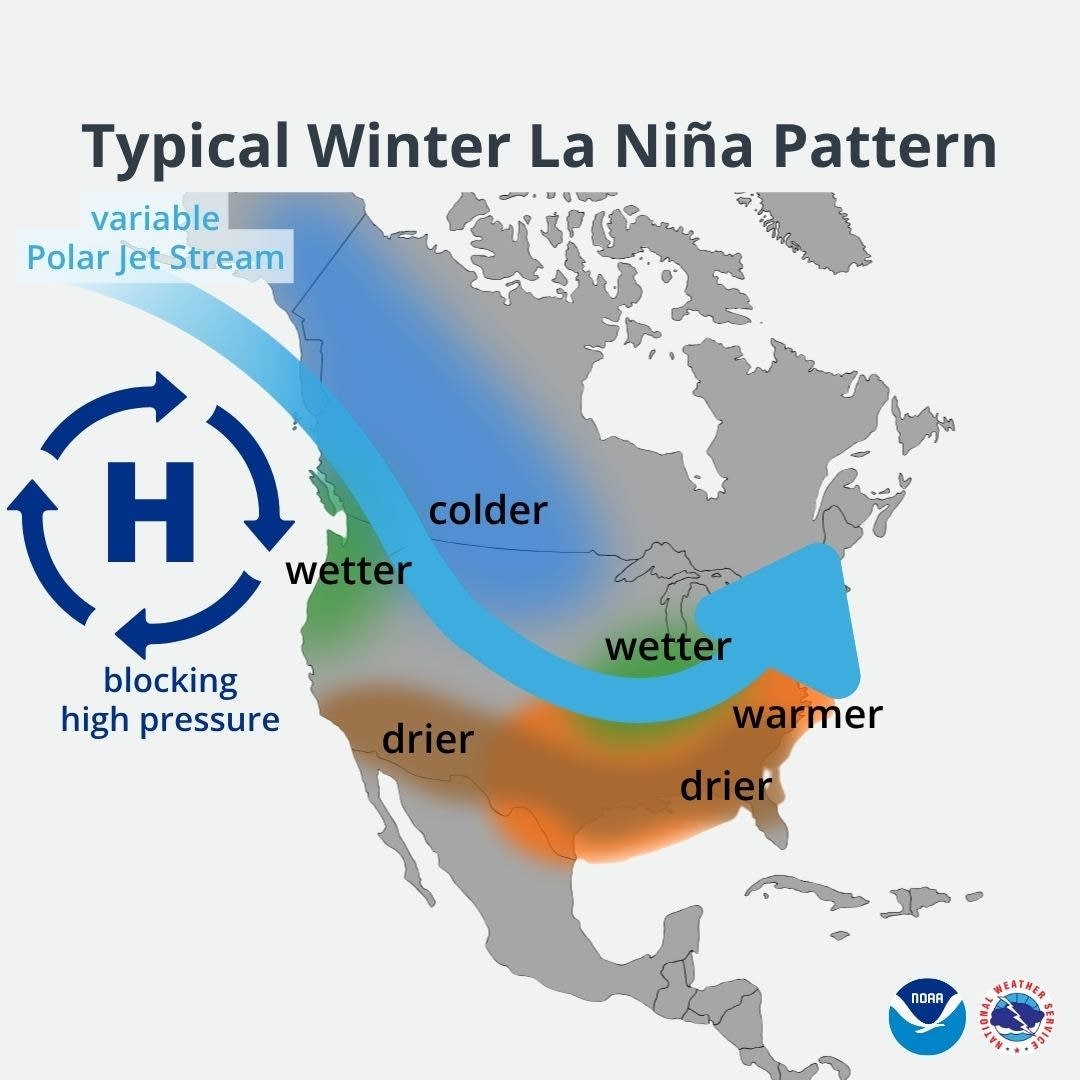
- Increased Rainfall in Some Regions: Certain areas, particularly in the Pacific Northwest of North America, parts of Australia, and Southeast Asia, often experience wetter-than-average conditions during a La Niña event. For agricultural zones within these regions, this can be beneficial, leading to higher crop yields for grains like wheat, rice, and corn, as well as improved pastureland for livestock. However, excessive rainfall can also lead to flooding, waterlogged fields, and increased disease pressure, potentially negating the benefits and even leading to crop damage.
- Drier Conditions in Other Regions: Conversely, other agricultural heartlands can experience prolonged drought. The Southern United States, parts of South America (like Argentina and Brazil), and portions of East Africa are often drier during La Niña winters. Reduced rainfall can severely impact crop yields, leading to lower production of key commodities such as soybeans, corn, and coffee. This scarcity directly translates to higher prices on global markets, affecting food costs for consumers and raw material prices for food processing industries.
- Impact on Specific Crops: Different crops respond variably to these climatic shifts. For instance, the U.S. Midwest’s corn and soybean production is heavily reliant on adequate summer rainfall and a mild autumn. A La Niña winter can mean lingering dry conditions from the preceding summer or a colder, snowier winter, which can impact soil moisture replenishment for the following planting season. Similarly, coffee-producing regions in South America can experience reduced yields due to drought, impacting global supply and driving up prices for one of the world’s most popular beverages.
Livestock and Feed Costs
The impact on crops extends to the livestock industry. Reduced rainfall and drought can diminish the quality and availability of pastureland, forcing ranchers to purchase expensive supplemental feed. This increased cost of feed directly translates to higher production costs for beef, pork, and poultry. Consequently, consumers may face higher prices for meat products. Conversely, regions experiencing abundant rainfall might see improved pasture conditions, potentially lowering feed costs and supporting livestock production.
The Financial Implications for Investors and Businesses
The volatility in agricultural output directly affects commodity markets. Investors who track these markets can leverage this understanding to make informed trading decisions. For instance, an anticipated La Niña event might prompt investors to consider long positions in agricultural commodities that are expected to see reduced supply, or short positions in those that might benefit from increased supply.
Businesses reliant on agricultural inputs, such as food manufacturers, beverage companies, and biofuel producers, must contend with fluctuating raw material costs. A La Niña winter can necessitate adjustments to procurement strategies, inventory management, and even product pricing to maintain profit margins. Supply chain disruptions due to extreme weather events, such as floods or droughts impacting transportation routes, can further compound these challenges. Financial models used by these businesses must incorporate the potential impact of climate phenomena like La Niña to accurately forecast earnings and manage risk.
Energy Demand and Price Volatility: The La Niña Effect
Beyond agriculture, La Niña winters have a significant bearing on the energy sector, influencing both demand and supply dynamics, and consequently, price fluctuations that affect household budgets and industrial operations.
Heating Demand and Natural Gas Prices
The most direct link between a La Niña winter and energy markets lies in heating demand. Generally, colder-than-average winters in key consumption regions lead to increased demand for heating fuels, primarily natural gas and heating oil.
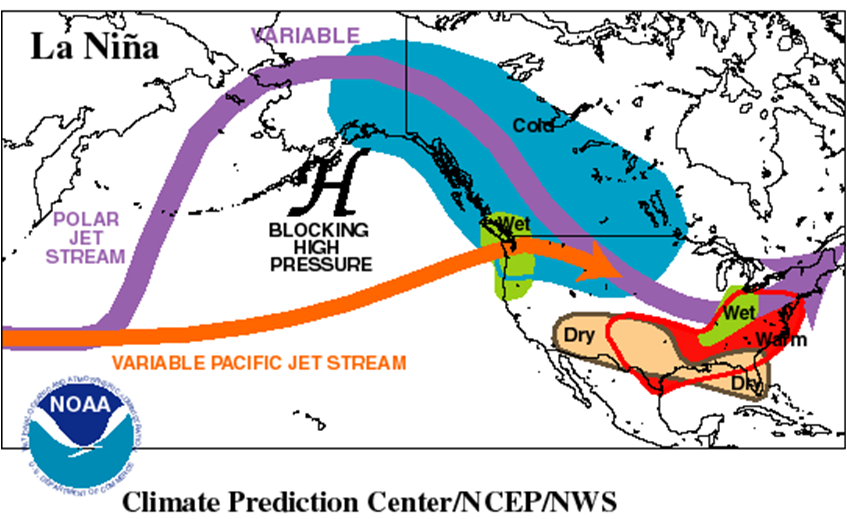
- Colder Winters, Higher Demand: La Niña often brings colder and snowier conditions to parts of North America, particularly the northern United States and Canada. This translates to a significant increase in the need for residential and commercial heating. Utilities must ramp up supply to meet this demand, leading to higher consumption of natural gas.
- Natural Gas Price Surges: When demand for natural gas surges, especially when coupled with potential disruptions to supply (e.g., due to frozen pipelines or reduced production in colder climates), prices can skyrocket. This can have a substantial impact on household utility bills, with consumers facing significantly higher costs for heating their homes. For businesses, particularly those in energy-intensive industries, increased natural gas prices can squeeze profit margins and necessitate price adjustments for their goods and services.
- Regional Variations: It’s important to note that La Niña doesn’t uniformly cause colder winters everywhere. While parts of North America might experience colder conditions, other regions could see milder winters. For instance, La Niña can sometimes bring milder winters to the southeastern United States. This regional variability means that the impact on heating demand and natural gas prices will also be geographically differentiated.
Impact on Other Energy Sources
While natural gas is often the primary focus, La Niña can also influence demand for other energy sources:
- Electricity Demand: Colder temperatures can also increase electricity demand for heating appliances and to power snow removal equipment. In regions heavily reliant on electricity for heating, this can put a strain on power grids and potentially lead to higher electricity prices, especially during peak demand periods.
- Renewable Energy Considerations: The impact on renewable energy sources like wind and solar can be more nuanced. Colder winters might correlate with reduced wind speeds in some areas, potentially impacting wind power generation. Conversely, increased cloud cover associated with certain La Niña-driven weather patterns could reduce solar energy output. However, in other instances, La Niña-induced storm systems might bring stronger winds to certain regions, boosting wind power generation.
Investment and Trading Opportunities
The predictable (to an extent) impact of La Niña on energy demand creates opportunities for financial market participants. Traders and investors often position themselves in futures contracts for natural gas and heating oil ahead of anticipated La Niña winters, aiming to profit from expected price increases. Energy companies themselves must manage their supply chains and hedging strategies to mitigate the financial risks associated with price volatility. For consumers, understanding these potential price hikes can inform decisions about energy conservation, locking in fixed-rate energy plans, or investing in home insulation to reduce future heating costs.
Insurance and Risk Management: Quantifying La Niña’s Impact
The amplified weather events associated with La Niña, ranging from increased snowfall and severe storms to droughts and wildfires, directly translate into heightened risks for the insurance industry and necessitate robust risk management strategies across various sectors.
Increased Claims and Underwriting Challenges
La Niña’s propensity to exacerbate certain weather phenomena leads to a direct increase in insurance claims:
- Property Damage Claims: More frequent and intense storms, including blizzards, ice storms, and heavy rainfall leading to flooding, can result in significant property damage to homes, businesses, and infrastructure. This translates to a surge in claims filed with property and casualty insurers.
- Crop Insurance Payouts: As discussed, La Niña can lead to either excessive wetness or drought, both of which can devastate crops. This results in a substantial increase in payouts for crop insurance policies, a sector particularly sensitive to climate variations.
- Business Interruption Claims: Severe weather events can disrupt business operations, leading to claims for lost revenue and business interruption. This affects a wide range of industries, from manufacturing and retail to transportation and hospitality.
- Underwriting Adjustments: In response to increased claims, insurance companies may adjust their underwriting practices. This can involve scrutinizing risk assessments more rigorously, potentially increasing premiums for policies in high-risk areas, or even withdrawing coverage from certain regions deemed too volatile.
The Influence on Insurance Premiums
The heightened risk environment created by La Niña inevitably impacts insurance premiums for consumers and businesses.
- Increased Premiums: To cover the anticipated increase in claims, insurers will often raise premiums. This means homeowners in regions prone to severe winter storms or flooding may see their property insurance costs rise. Businesses operating in vulnerable sectors will likely face higher premiums for various types of coverage.
- Reinsurance Market Impact: The global reinsurance market plays a critical role in absorbing large-scale risks for primary insurers. If a La Niña winter leads to widespread catastrophic events, reinsurers will also experience increased payouts, which can, in turn, lead to higher costs for primary insurers and ultimately for policyholders.
- Shifts in Coverage Demand: As premiums rise and risks become more apparent, there may be shifts in the demand for certain types of insurance. For instance, flood insurance, which is often an optional add-on in many areas, might see increased uptake in regions with a higher risk of La Niña-induced flooding.

Risk Management Strategies for Businesses and Individuals
Beyond the insurance realm, La Niña’s potential for extreme weather necessitates proactive risk management for both businesses and individuals.
- Businesses: Companies in agriculture, energy, transportation, and retail must integrate La Niña’s potential impacts into their business continuity plans. This might involve diversifying supply chains to mitigate agricultural disruptions, securing fuel supplies to hedge against energy price volatility, or investing in infrastructure resilience to withstand extreme weather. Financial forecasting models must account for these potential economic shocks.
- Individuals: For homeowners, this might mean investing in home maintenance to prepare for severe weather, such as reinforcing roofs, clearing gutters, and ensuring proper insulation. For those living in flood-prone areas, understanding flood risk and securing appropriate insurance is paramount. Individuals can also consider the impact of rising energy costs on their household budgets and explore energy-saving measures.
Ultimately, a La Niña winter serves as a potent reminder of the interconnectedness between climate, economic activity, and financial markets. By understanding its potential implications, individuals and businesses can better navigate the associated risks and opportunities, fostering greater financial resilience in an increasingly dynamic world.
aViewFromTheCave is a participant in the Amazon Services LLC Associates Program, an affiliate advertising program designed to provide a means for sites to earn advertising fees by advertising and linking to Amazon.com. Amazon, the Amazon logo, AmazonSupply, and the AmazonSupply logo are trademarks of Amazon.com, Inc. or its affiliates. As an Amazon Associate we earn affiliate commissions from qualifying purchases.