
The Korean keyboard, at first glance, might appear to be a complex tapestry of unfamiliar characters. However, beneath this initial impression lies a meticulously designed input system that balances historical evolution with modern efficiency. Understanding the Korean keyboard is not just about recognizing its visual layout; it’s about appreciating the engineering that facilitates rapid and intuitive typing for one of the world’s most widely spoken languages. This exploration delves into the physical and functional aspects of the Korean keyboard, highlighting its unique design principles and how it has adapted to the digital age.
The Foundation: Hangul and Its Evolution
The Korean alphabet, Hangul, is a marvel of linguistic design, created in the 15th century by King Sejong the Great. Its creation was a revolutionary act, aiming to provide a scientifically designed writing system that was easy to learn and use, contrasting with the complexities of Chinese characters (Hanja) that were then prevalent among the educated elite. This foundational linguistic structure has directly influenced the design of the Korean keyboard.
The Principles of Hangul
Hangul is an alphabetic syllabary, meaning that individual letters (jamo) combine to form syllable blocks. The design of these jamo is not arbitrary; it’s based on the phonetic articulation of sounds and philosophical principles. Vowel characters often represent the celestial (heaven – dot, later a short stroke), terrestrial (earth – horizontal stroke), and human (vertical stroke). Consonant characters are designed to mimic the shape of the mouth or tongue when producing the corresponding sound. This systematic approach makes Hangul remarkably logical and easy to learn.
From Hanja to Hangul Input
Historically, inputting Korean text posed a significant challenge. Before the widespread adoption of Hangul-only input, methods often involved complex selection processes using Hanja. The advent of personal computers and the need for efficient digital input necessitated a dedicated Hangul keyboard layout. The goal was to create a system that leveraged the inherent logic of Hangul, allowing for rapid typing once the user was familiar with the arrangement.
The Standard Korean Keyboard Layout: Dubeolsik
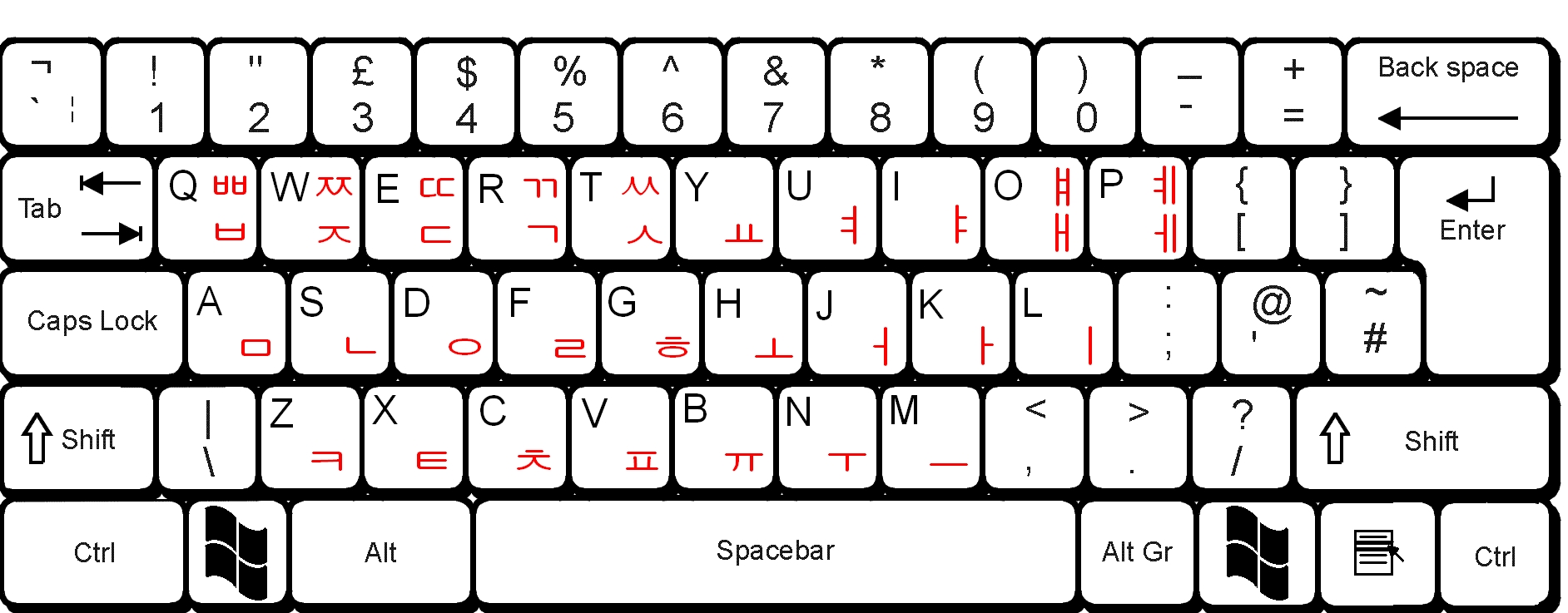
The most prevalent Korean keyboard layout is known as “Dubeolsik” (두벌식), which translates to “two-set system.” This layout divides the jamo into two main sets: consonants on the left side of the home row and vowels on the right. This division is a direct consequence of Hangul’s structure, where most syllable blocks consist of a consonant-vowel combination, and often a final consonant (batchim).
Consonant Placement and Syllable Formation
The Dubeolsik layout is strategically arranged to facilitate the rapid construction of syllable blocks. The most common initial consonants (chosung) are placed on the home row for easy access: ㄱ, ㄴ, ㄷ, ㄹ, ㅁ, ㅂ, ㅅ, ㅇ, ㅈ, ㅊ, ㅋ, ㅌ, ㅍ, ㅎ. When typing, a user presses an initial consonant, then a vowel, and if applicable, a final consonant. The placement of these keys is designed to minimize finger travel and promote efficient flow. For instance, frequently used consonants are positioned in easily reachable spots.
Vowel Placement and Diacritics
Vowels are predominantly located on the right side of the keyboard. The primary vowels like ㅏ, ㅑ, ㅓ, ㅕ, ㅗ, ㅛ, ㅜ, ㅠ are grouped together, as are the diphthongs and compound vowels. The layout also accommodates the formation of double vowels and the addition of a final consonant (batchim) through specific key presses. The system requires users to understand how to combine these jamo to form complete syllable blocks, which then appear on the screen.
The Role of Shift and Modifier Keys
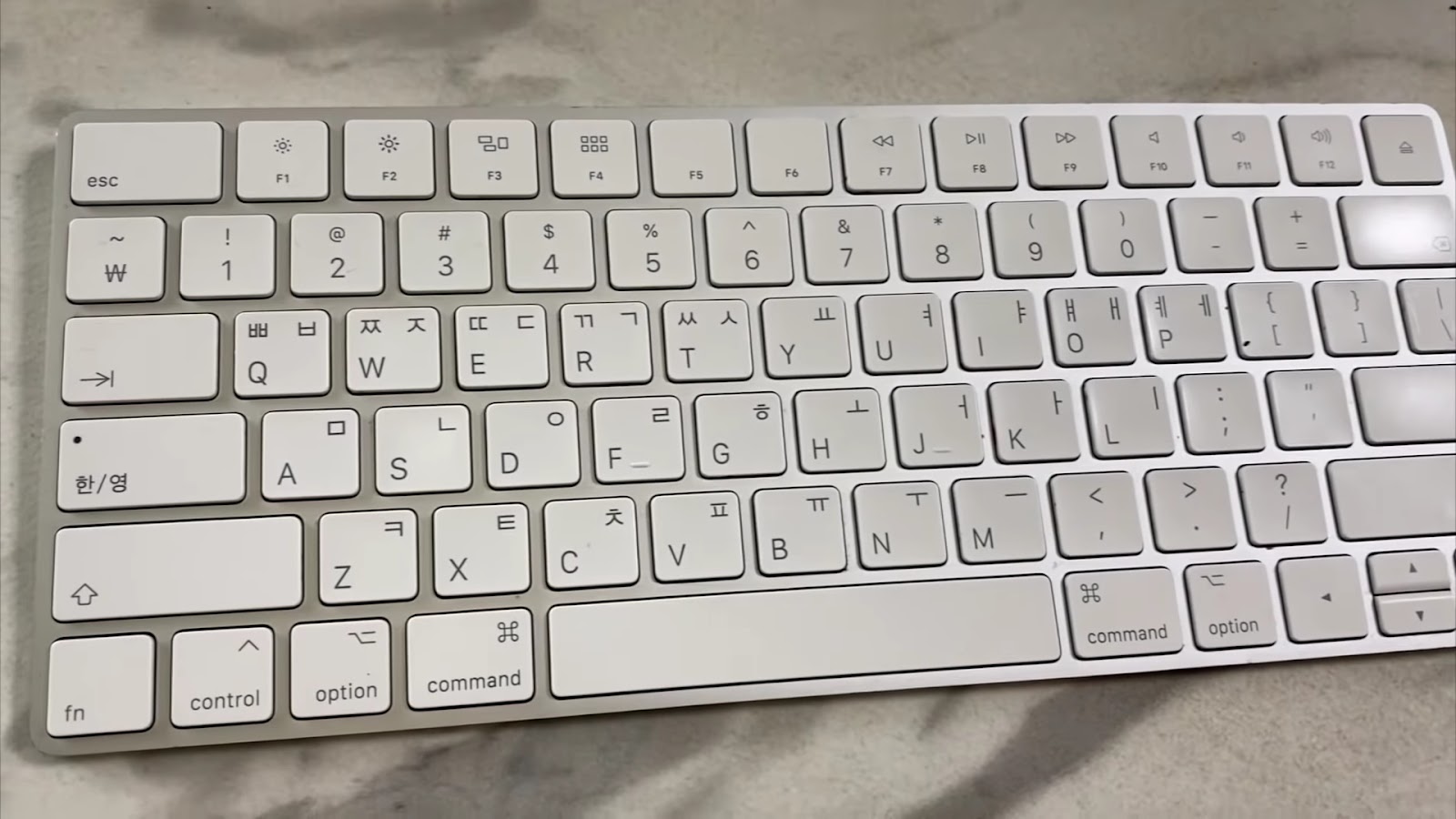
Similar to English keyboards, the Shift key plays a crucial role in accessing a wider range of characters. In the Dubeolsik layout, Shift is used to access the secondary set of consonants and vowels, which are less frequently used as initial sounds or are variations of existing ones. This tiered access helps maintain a clean and uncluttered primary layout while still providing comprehensive input capabilities. For example, pressing Shift with a consonant key might produce a tensed consonant (like ㄲ from ㄱ) or an aspirated consonant (like ㅊ from ㅈ). Similarly, it can access extended vowel forms.
Variations and Historical Predecessors
While Dubeolsik is the dominant layout, it’s important to acknowledge that other layouts have existed and, in some niche contexts, might still be encountered. These variations reflect ongoing efforts to optimize typing speed and cater to different user preferences or historical input methods.
Sebeolsik (Three-Set System)
Sebeolsik (세벌식), meaning “three-set system,” is an older layout that attempts to place all the necessary jamo for syllable construction within a single key press, or at least in a more direct combination. It is generally considered more difficult to learn than Dubeolsik but was designed to potentially be faster for highly skilled typists by reducing the need for Shift key usage or repeated key presses for jamo. However, its complexity and steeper learning curve have limited its widespread adoption in favor of Dubeolsik.
The Evolution of the Korean Typing Experience
The journey from manual typewriters to digital keyboards has been a significant one for Korean input. Early mechanical typewriters often had complex arrangements, sometimes requiring multiple keys to be struck in sequence or using levers. The transition to electronic keyboards allowed for more sophisticated software-based input methods. The development of Dubeolsik was a crucial step in this evolution, balancing the logical structure of Hangul with the practical constraints of a physical keyboard. This has led to a typing experience that, while requiring some initial learning, is remarkably efficient for native Korean speakers.
Beyond the Layout: Software and Input Methods
The physical layout is only one part of the Korean typing experience. Modern operating systems and software provide sophisticated input method editors (IMEs) that translate key presses into Hangul characters seamlessly. These IMEs are the unsung heroes that make typing Korean feel intuitive.
The Magic of the IME
When you press a key on a Korean keyboard, it’s the IME that interprets your input and constructs the correct syllable block. For instance, pressing “g” (which is mapped to ㄱ) followed by “a” (mapped to ㅏ) will result in “가” appearing on your screen. If you then press “k” (mapped to ㅋ) as a final consonant, it will form “각.” The IME intelligently handles the placement of jamo within the syllable block, automatically arranging them correctly. This process is so swift that it feels instantaneous to the user.
Customization and Learning Resources
Many operating systems offer customization options for Korean IMEs, allowing users to adjust certain behaviors or even select alternative layouts if they prefer. For learners, numerous online resources, tutorials, and practice tools are available. These resources break down the Dubeolsik layout, explain the logic of Hangul syllable formation, and provide exercises to build typing speed and accuracy. The accessibility of these tools has made learning to type in Korean more manageable than ever before.
The Impact of Mobile Keyboards
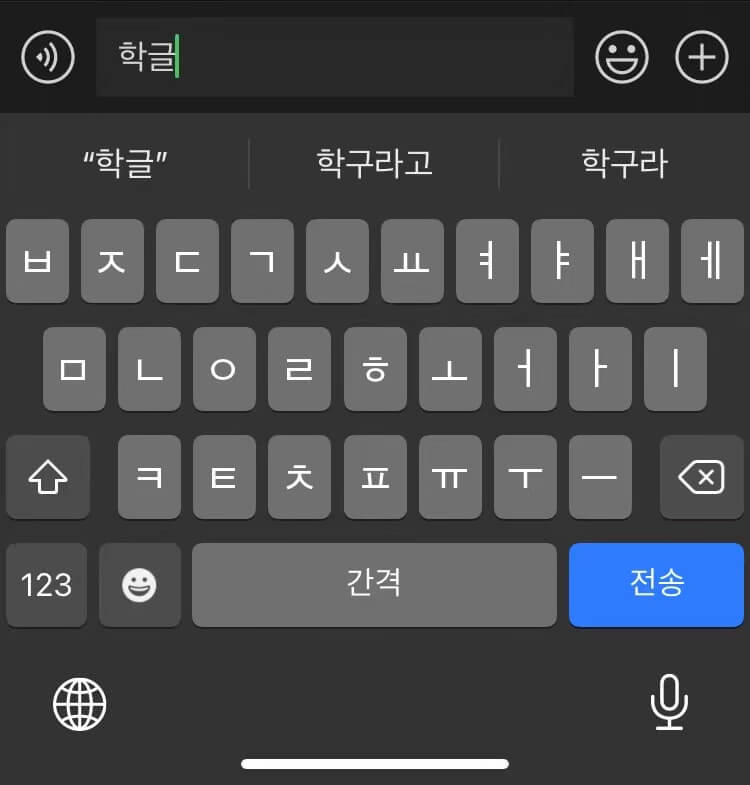
The principles of Korean keyboard design have successfully transitioned to mobile devices. Touchscreen keyboards for Korean typically mirror the Dubeolsik layout, often with predictive text and auto-correction features that further enhance typing efficiency. The challenge of inputting a complex syllabic script on a small screen has been met with intelligent software design, ensuring that the core principles of Hangul’s logical structure are maintained. The visual appearance of a Korean mobile keyboard is a miniaturized, touch-optimized version of its desktop counterpart, maintaining the familiar arrangement of consonants and vowels.
In conclusion, the Korean keyboard, primarily the Dubeolsik layout, is a testament to thoughtful design. It is an intricate yet elegant system that directly reflects the structure and logic of the Hangul alphabet. While its visual appearance might initially seem daunting, understanding the underlying principles of Hangul and the strategic placement of jamo reveals a highly efficient and intuitive input method. From its historical roots in simplifying literacy to its modern adaptation for digital devices, the Korean keyboard continues to be a crucial tool for communication, embodying a blend of linguistic heritage and technological innovation.
aViewFromTheCave is a participant in the Amazon Services LLC Associates Program, an affiliate advertising program designed to provide a means for sites to earn advertising fees by advertising and linking to Amazon.com. Amazon, the Amazon logo, AmazonSupply, and the AmazonSupply logo are trademarks of Amazon.com, Inc. or its affiliates. As an Amazon Associate we earn affiliate commissions from qualifying purchases.