
The distinctive “chug-chug-chug” sound that often accompanies large trucks on downhill grades is, for many, an auditory cue of powerful braking. This sound is synonymous with the Jake brake, or more formally, the Jacobs Vehicle System. While its audible presence is unmistakable, understanding its precise function, engineering principles, and technological significance reveals a sophisticated piece of heavy-duty vehicle technology. The Jake brake is not a mere accessory; it’s an integral component designed to enhance safety, reduce wear on traditional braking systems, and contribute to the overall efficiency of commercial transportation. Its operation, rooted in the internal combustion engine, represents a clever application of pneumatic and mechanical principles to achieve a crucial braking effect, fundamentally altering how large vehicles manage their descent on inclines.

The Engineering Behind Engine Braking: A Piston’s Second Life
At its core, the Jake brake leverages the engine itself to create a retarding force, a concept fundamentally different from friction brakes which rely on hydraulic pressure and mechanical pads to slow a vehicle. Unlike a conventional brake that dissipates kinetic energy as heat through friction, an engine brake redirects the energy of combustion to provide a controlled deceleration. This is achieved by modifying the exhaust valve timing in a way that traps the compressed air within the cylinder during the compression stroke. Instead of being expelled, this compressed air is then released just as the piston reaches the top of its stroke, creating a significant outward thrust. This thrust, acting against the piston’s upward movement, generates a powerful braking torque that opposes the vehicle’s momentum. The technology is elegant in its simplicity, utilizing existing engine components in a novel way to achieve an auxiliary braking function.
Understanding the Four-Stroke Cycle and Jake Brake Intervention
To fully grasp the Jake brake’s operation, a basic understanding of the internal combustion engine’s four-stroke cycle is essential: intake, compression, power, and exhaust. In a typical diesel engine, the Jake brake modifies the latter part of the cycle. During the compression stroke, as the piston moves upwards and compresses the air-fuel mixture, the Jake brake system engages. Specifically, it holds the exhaust valve(s) closed for a brief period after the piston has reached the top dead center (TDC). This prevents the compressed air from being expelled through the exhaust manifold as it normally would be.
The Role of the Exhaust Valve Actuation Mechanism
The key to the Jake brake’s functionality lies in its ability to precisely control the exhaust valve timing. When the Jake brake is activated, a hydraulic actuator, typically powered by the engine’s oil pressure, engages with the engine’s rocker arms. This engagement alters the normal timing of the exhaust valve opening. Instead of opening to release the exhaust gases after the power stroke, the Jake brake system keeps the exhaust valve(s) closed for a portion of the exhaust stroke. This “holding” action allows the compressed air within the cylinder to expand, pushing the piston back down. This downward force is then transmitted through the crankshaft, generating a retarding torque that slows the vehicle’s drivetrain. The greater the engine speed, the more frequently these compression-release events occur, and thus, the stronger the braking effect.
The Compression Release Principle in Action
The “compression release” is the fundamental principle. During the compression stroke, the engine is working to compress air. If the exhaust valve remains closed, this compression builds up significant pressure within the cylinder. As the piston reaches the top of its stroke, instead of the normal exhaust phase, the Jake brake system actuates the exhaust valve to open. This sudden release of high-pressure air creates a powerful downward force on the piston, which in turn exerts a braking torque on the crankshaft. This process happens repeatedly for each cylinder in the engine as the Jake brake is engaged, effectively turning the engine into a dynamic brake. The effectiveness of this braking is directly proportional to the engine’s speed; at higher RPMs, the Jake brake provides a more substantial retarding force.
The Technological Significance of Jake Brakes: Safety and Efficiency Gains
The integration of Jake brakes into heavy-duty vehicles represents a significant technological advancement, primarily aimed at enhancing safety and improving operational efficiency. By providing a robust auxiliary braking system, Jake brakes dramatically reduce reliance on conventional friction brakes, especially during prolonged descents. This has profound implications for vehicle safety, driver comfort, and the overall longevity of critical braking components. The technology is a testament to how fundamental engineering principles can be applied to solve complex real-world challenges in the transportation sector, underscoring the importance of innovative thinking in developing advanced vehicle systems.
Enhancing Vehicle Safety on Downhill Gradients
One of the most critical applications of Jake brakes is their role in maintaining vehicle control on steep downhill grades. Without an effective auxiliary braking system, drivers of heavy trucks would be forced to continuously apply their service brakes. This can lead to brake fade, a dangerous condition where the brakes lose their effectiveness due to overheating. Brake fade can result in a complete loss of braking power, making it impossible to slow or stop the vehicle. Jake brakes provide a constant, reliable source of deceleration, allowing drivers to maintain a safe speed without overheating their primary braking system. This significantly reduces the risk of runaway vehicles and accidents, making roads safer for all users. The predictable and controllable nature of the Jake brake is a key factor in its safety advantage.
Reducing Wear and Tear on Friction Brakes
The constant application of service brakes generates immense heat and friction, leading to accelerated wear on brake pads, rotors, and drums. By utilizing the engine as a brake, Jake brakes divert a significant portion of the braking workload away from the friction brake system. This reduction in wear translates directly into lower maintenance costs for fleet operators, as brake components last longer, requiring less frequent replacement. Furthermore, by minimizing the reliance on friction brakes, the likelihood of brake failure due to wear and tear is also reduced, contributing to overall fleet reliability and uptime. This economic benefit, coupled with the safety improvements, makes Jake brakes a highly valuable technological investment.
Improving Fuel Efficiency and Reducing Emissions
While not its primary function, the Jake brake can also contribute to improved fuel efficiency and reduced emissions in certain scenarios. By providing consistent deceleration, drivers can maintain optimal speeds on descents, avoiding unnecessary acceleration and subsequent hard braking. This smoother driving style can lead to more efficient fuel consumption. Additionally, by reducing the reliance on frequent application of service brakes, the overall operational demands on the vehicle are lessened, which can indirectly contribute to reduced wear and tear on the powertrain and other components, potentially leading to longer engine life and fewer emissions over the vehicle’s lifespan. The sophisticated interplay between engine braking and efficient vehicle operation highlights the multifaceted benefits of this technology.
Types and Variations of Engine Braking Systems
While the term “Jake brake” is often used generically, it technically refers to the Jacobs Vehicle Systems brand. However, the principle of engine braking has been implemented by various manufacturers through different systems. These systems, while sharing the core concept of using the engine for deceleration, can differ in their design, complexity, and the specific components they employ. Understanding these variations provides a broader perspective on the evolution and implementation of engine braking technology in the commercial vehicle industry.
The Original Jacobs Engine Brake
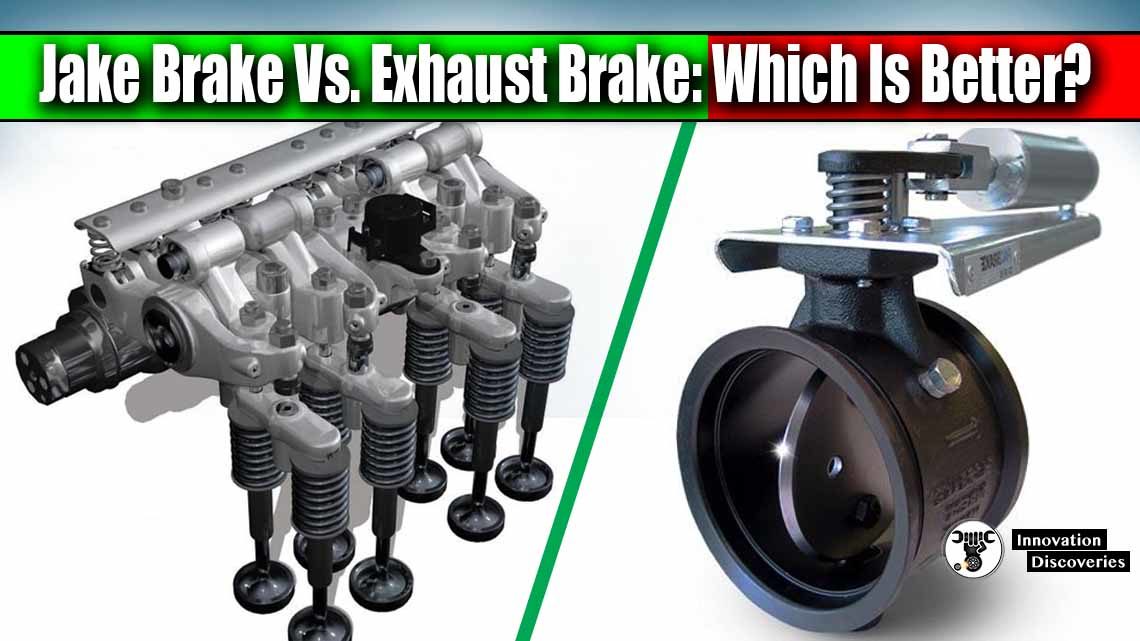
The Jacobs Engine Brake, the namesake of the popular term, is a well-established and widely recognized system. It functions by modifying the exhaust valve timing through the use of a small piston that is actuated by engine oil pressure. When the Jake brake is activated, this piston moves and effectively holds the exhaust valve closed during the compression stroke. This system is known for its robust design and effective braking performance, making it a popular choice for many heavy-duty truck manufacturers. The original design laid the groundwork for subsequent advancements in engine braking technology.
Other Manufacturer Implementations and Variations
Beyond the original Jake brake, other engine braking systems have been developed and implemented by different manufacturers. These may include “exhaust brakes” which utilize a valve in the exhaust system to create back pressure, or more advanced “compression release” systems that employ different mechanical or electronic actuations to modify valve timing. Some modern systems integrate with the vehicle’s electronic control unit (ECU) to optimize braking performance based on factors like vehicle speed, load, and gradient. These variations demonstrate the ongoing innovation in engine braking technology, driven by the continuous pursuit of enhanced safety, efficiency, and driver comfort. The evolution of these systems showcases a response to varying engine designs and the desire for more integrated and sophisticated control.
The Role of Electronic Control Units (ECUs) in Modern Systems
In contemporary heavy-duty vehicles, electronic control units (ECUs) play a crucial role in managing and optimizing engine braking systems, including Jake brakes. The ECU receives data from various sensors throughout the vehicle – such as wheel speed sensors, engine speed sensors, and transmission sensors – and uses this information to precisely control the engagement and intensity of the engine brake. This allows for more sophisticated braking strategies, such as automatically modulating the braking force to prevent wheel lock-up or optimizing the braking profile for different road conditions. The integration of ECUs signifies a shift towards more intelligent and adaptive vehicle systems, enhancing both safety and performance. This digital oversight transforms a mechanical system into a more dynamic and responsive one.
The Impact and Future of Engine Braking Technology
The widespread adoption of engine braking systems, particularly the Jake brake, has undeniably transformed the operational landscape of the commercial trucking industry. Its influence extends beyond mere mechanical function, impacting safety protocols, maintenance practices, and even driver training. As vehicle technology continues to evolve, the role and sophistication of engine braking systems are likely to expand further, driven by the relentless pursuit of enhanced safety, efficiency, and sustainability in transportation. The principles behind engine braking are robust, suggesting a continued relevance and evolution in the years to come.
Societal Perceptions and The “Jake Brake Noise” Debate
The distinctive sound produced by Jake brakes has become a cultural phenomenon, particularly in communities with significant truck traffic. While for many, it signifies a powerful braking system at work, for some residents, the noise can be a nuisance. This has led to debates and, in some jurisdictions, restrictions on the use of engine brakes in residential areas. Addressing these concerns often involves discussions about noise abatement technologies and responsible driver behavior, highlighting the complex interplay between technological implementation and community impact. The ongoing dialogue underscores the need for technological solutions that balance performance with environmental considerations.
Advancements and Potential Future Innovations
The future of engine braking technology is poised for further innovation. We can anticipate more integrated systems that seamlessly work with advanced driver-assistance systems (ADAS) and vehicle stability control technologies. This could lead to even greater safety enhancements, with the engine brake playing a more active role in preventing accidents. Furthermore, ongoing research into optimizing engine design and control strategies may yield more efficient and quieter engine braking solutions, addressing some of the current noise concerns. The potential for intelligent, adaptive engine braking systems that dynamically adjust to real-time driving conditions offers exciting possibilities for the future of heavy-duty vehicle operation.

The Enduring Relevance of Engine Braking in a Connected Vehicle Era
Even as vehicle technology becomes increasingly connected and automated, the fundamental principles of engine braking, as exemplified by the Jake brake, will likely remain relevant. While autonomous driving systems may eventually take over many braking decisions, the need for effective, reliable, and integrated auxiliary braking remains paramount. The power of using the engine itself as a brake is a fundamental engineering solution that offers inherent reliability and efficiency. As vehicles become more interconnected, engine braking systems will likely be further optimized and integrated into the broader vehicle control architecture, ensuring continued safety and operational benefits in the evolving landscape of transportation technology.
aViewFromTheCave is a participant in the Amazon Services LLC Associates Program, an affiliate advertising program designed to provide a means for sites to earn advertising fees by advertising and linking to Amazon.com. Amazon, the Amazon logo, AmazonSupply, and the AmazonSupply logo are trademarks of Amazon.com, Inc. or its affiliates. As an Amazon Associate we earn affiliate commissions from qualifying purchases.