
The automotive landscape is undergoing a significant transformation, driven by a confluence of technological advancements, environmental concerns, and evolving consumer demands. At the forefront of this shift is the rise of hybrid vehicles, a technology that has moved from a niche curiosity to a mainstream solution for sustainable and efficient transportation. Understanding what a hybrid vehicle truly signifies is crucial for anyone navigating the modern automotive market, whether for personal purchase, business fleet management, or simply as an informed consumer. This exploration delves into the core of hybrid technology, dissecting its mechanics, its benefits, and its place within the broader technological evolution of personal mobility.
The Technological Heartbeat: Power Sources and Powertrains
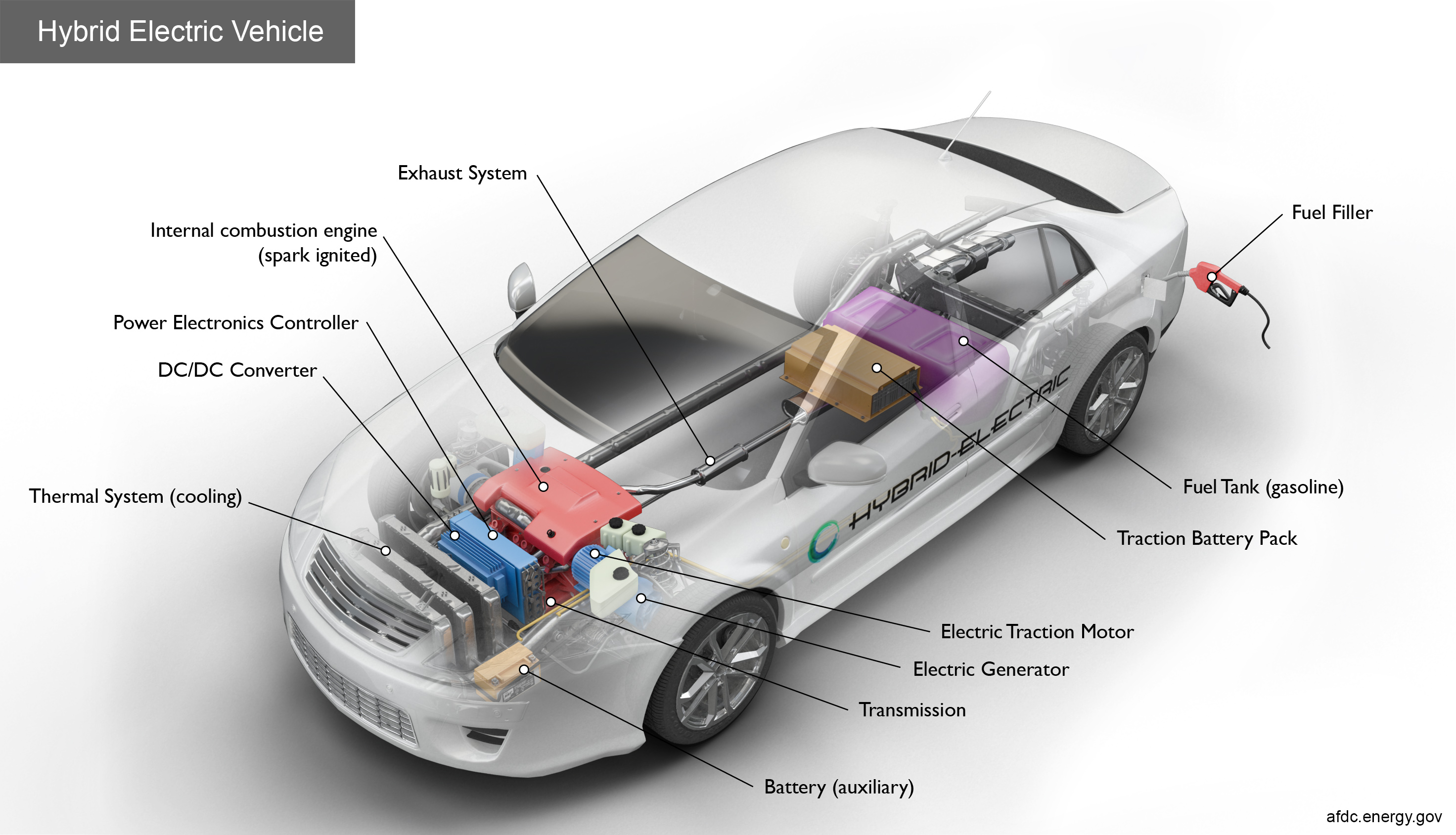
At its most fundamental level, a hybrid vehicle is defined by its duality of power sources. Unlike traditional internal combustion engine (ICE) vehicles that rely solely on gasoline or diesel, or pure electric vehicles (EVs) that draw power exclusively from batteries, hybrids ingeniously combine both. This integration is not simply a matter of bolting two engines together; it involves sophisticated engineering to manage the interplay between these power sources for optimal efficiency and performance.
Electric Motor and Battery Integration
The electric component of a hybrid system typically comprises an electric motor and a battery pack. The electric motor acts as a crucial assist to the gasoline engine, providing supplementary power during acceleration, low-speed driving, and even taking over completely for short distances. The battery pack, while generally smaller than that of a pure EV, stores electrical energy generated through regenerative braking or by the gasoline engine itself.
- Regenerative Braking: This is a cornerstone of hybrid efficiency. When a hybrid vehicle decelerates or brakes, the electric motor essentially reverses its function, acting as a generator. This process captures the kinetic energy that would otherwise be lost as heat through friction in conventional brakes and converts it back into electrical energy, which is then stored in the battery. This recovered energy can then be used to power the electric motor later, reducing the overall demand on the gasoline engine.
- Battery Chemistry and Capacity: The type and capacity of the battery pack are significant differentiating factors among hybrid models. Early hybrids often used Nickel-Metal Hydride (NiMH) batteries, which were robust and cost-effective. More modern hybrids, particularly plug-in hybrids (PHEVs), increasingly utilize Lithium-ion (Li-ion) batteries, offering higher energy density, faster charging, and longer lifespans. The capacity of the battery dictates how much electric-only range a hybrid can achieve and how much assistance the electric motor can provide.
The Internal Combustion Engine’s Role
The gasoline engine in a hybrid vehicle is often smaller and more optimized for efficiency than its counterpart in a non-hybrid car. It serves multiple purposes: providing primary propulsion, generating electricity to charge the battery, and supplementing the electric motor when higher power is required. The vehicle’s sophisticated control system determines when and how each power source is utilized.
- Engine Optimization: Hybrid gasoline engines are frequently designed to operate within their most efficient RPM range. They may also feature technologies like direct injection and variable valve timing to further enhance fuel economy. In some hybrid configurations, the gasoline engine may not be directly connected to the wheels, instead acting solely as a generator to power the electric motor or charge the battery – a setup known as a series hybrid.
- Start-Stop Technology: Many hybrid vehicles incorporate an automatic start-stop system. When the vehicle comes to a halt, such as at a traffic light, the gasoline engine automatically shuts off to conserve fuel. When the driver releases the brake pedal or presses the accelerator, the engine restarts seamlessly, often powered momentarily by the electric motor.
Navigating the Hybrid Spectrum: Types and Architectures
The term “hybrid” is not monolithic; it encompasses a range of architectures that define how the electric and gasoline power sources are integrated and how they interact with the drivetrain. Understanding these distinctions is key to appreciating the varied capabilities and efficiencies of different hybrid models.
Mild Hybrids (MHEVs)
Mild hybrids represent the entry-level into hybrid technology. They feature a smaller electric motor, often integrated into the starter generator system, and a smaller battery pack. The electric motor’s primary role is to assist the gasoline engine, primarily during acceleration, and to enable a more efficient start-stop system. MHEVs cannot typically drive on electric power alone for any significant distance.
- Assisted Acceleration and Take-off: The electric motor provides a torque boost, reducing the load on the gasoline engine and improving initial acceleration. This also contributes to a smoother driving experience.
- Enhanced Regenerative Braking: While not as extensive as in full hybrids, MHEVs can still capture some energy through regenerative braking, albeit with a smaller capacity to store and deploy it.
- Fuel Economy Improvement: The primary benefit of MHEVs is a modest but noticeable improvement in fuel efficiency compared to their non-hybrid counterparts, especially in urban driving conditions with frequent stops and starts.
Full Hybrids (HEVs)
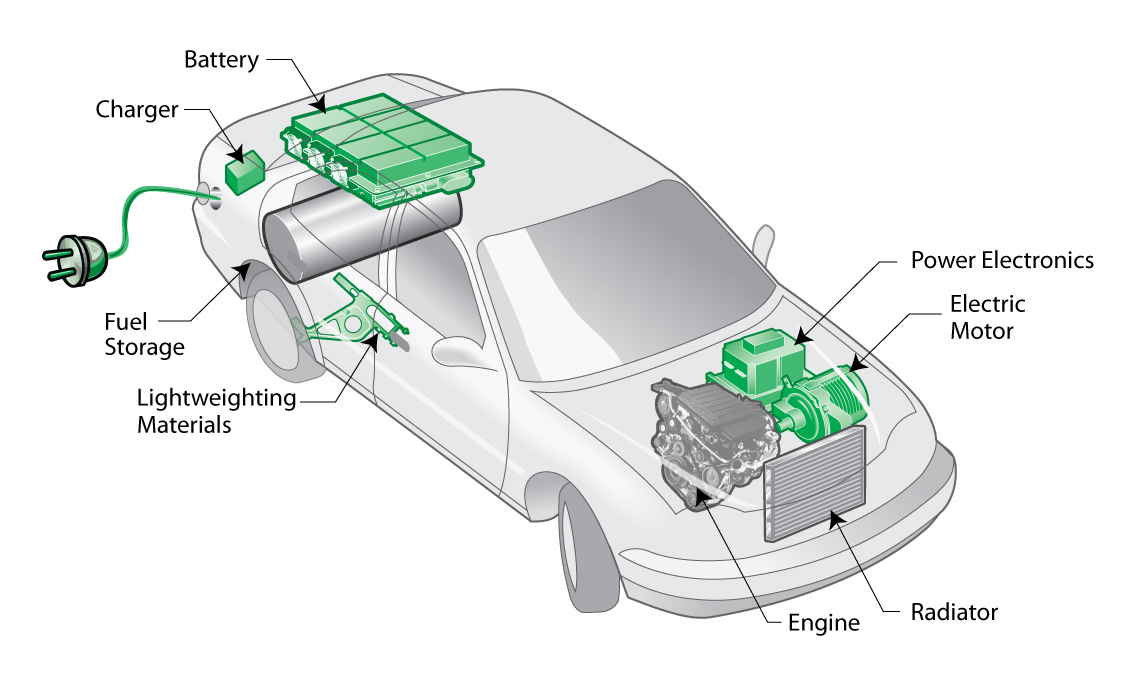
Full hybrids, often referred to as “self-charging” hybrids, possess more powerful electric motors and larger battery packs than mild hybrids. They are capable of driving solely on electric power for short distances at lower speeds, and they seamlessly blend power from both the electric motor and the gasoline engine for optimal performance and fuel economy.
- Electric-Only Driving: At low speeds or when cruising, the electric motor can power the vehicle independently, offering silent and emission-free operation. This is particularly advantageous in city driving.
- Power Blending: The vehicle’s sophisticated control system continuously monitors driving conditions and driver input to determine the optimal blend of power from the electric motor and the gasoline engine. This dynamic interplay maximizes efficiency without compromising performance.
- Significant Fuel Savings: HEVs offer a substantial improvement in fuel economy over conventional vehicles, making them a compelling option for drivers seeking to reduce their fuel consumption and environmental impact.
Plug-in Hybrid Electric Vehicles (PHEVs)
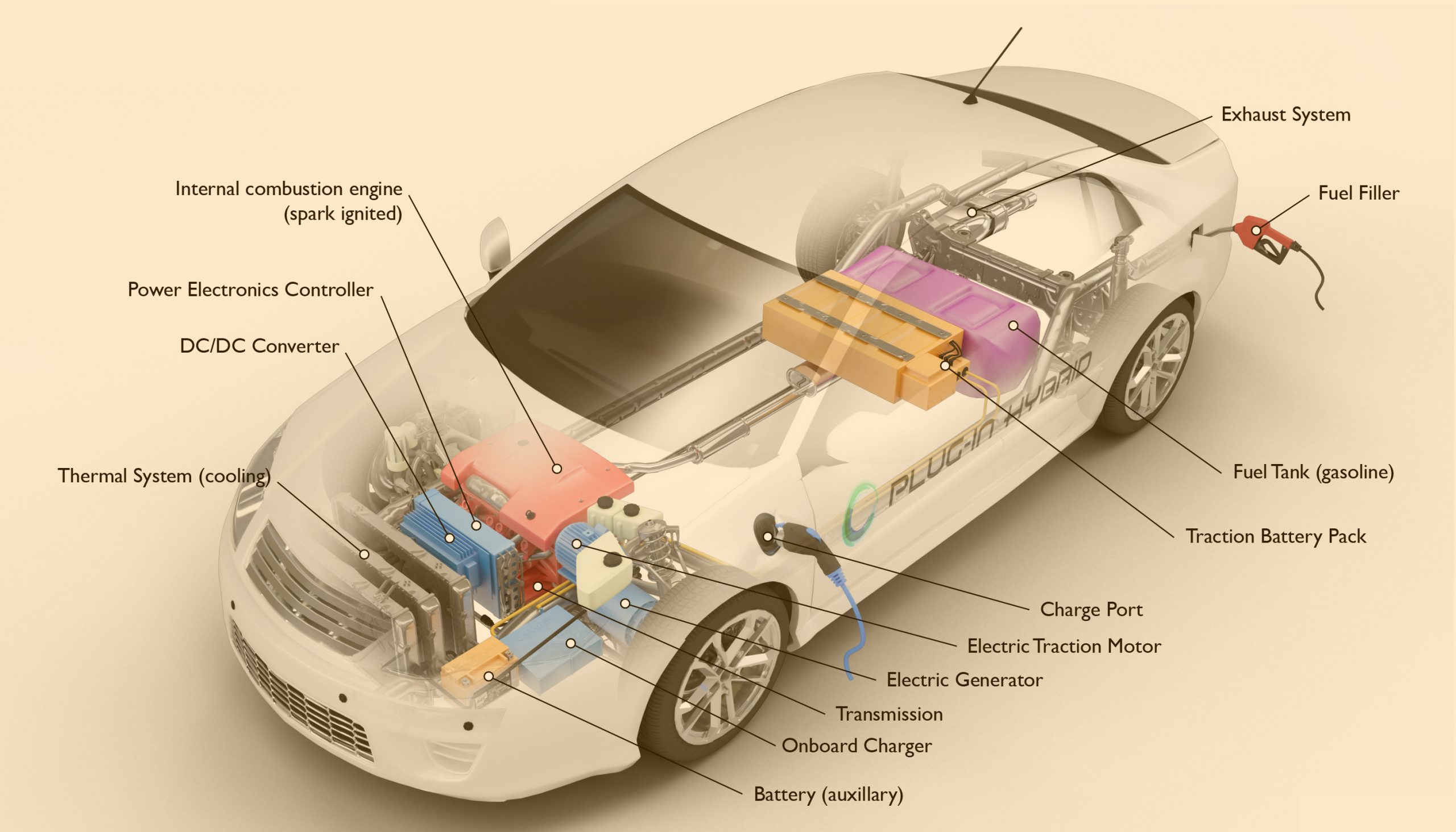
PHEVs represent the most advanced form of hybrid technology currently available to consumers. They feature larger battery packs than standard HEVs, which can be recharged by plugging into an external power source (like a home charger or public charging station) in addition to regenerative braking and the gasoline engine. This enables a significant all-electric driving range, effectively allowing many daily commutes to be completed on electricity alone.
- Extended Electric Range: PHEVs offer a compelling dual-mode driving experience. For shorter trips, they can function as pure EVs, emitting zero tailpipe emissions. This electric range can vary significantly by model, often ranging from 20 to 50 miles or more.
- Flexibility and Convenience: The presence of the gasoline engine eliminates range anxiety associated with pure EVs. When the electric range is depleted, the vehicle seamlessly transitions to hybrid mode, utilizing the gasoline engine for extended travel, just like a conventional HEV.
- Reduced Running Costs: For drivers with access to charging and who can utilize the electric-only mode for most of their driving, PHEVs can dramatically reduce fuel costs. They also often qualify for government incentives and tax credits.
The Technological Advantage: Benefits Beyond Fuel Economy
While enhanced fuel efficiency is undeniably the most recognized benefit of hybrid vehicles, the technological integration at their core offers a cascade of advantages that extend to performance, environmental impact, and the overall driving experience. These benefits are a testament to the intelligent engineering that underpins hybrid powertrains.
Environmental Responsibility and Emissions Reduction
The most significant societal benefit of hybrid vehicles is their contribution to reducing air pollution and greenhouse gas emissions. By utilizing electric power for a portion of their operation, hybrids consume less gasoline and consequently emit fewer pollutants and carbon dioxide into the atmosphere.
- Lower Tailpipe Emissions: During electric-only driving, PHEVs and HEVs produce zero tailpipe emissions, contributing to cleaner air in urban environments and reducing the burden of respiratory illnesses.
- Reduced Greenhouse Gas Footprint: Even when the gasoline engine is in use, the optimized operation and reduced consumption inherent in hybrid technology lead to a lower overall carbon footprint compared to conventional vehicles.
- Support for Sustainable Transportation Goals: The widespread adoption of hybrid vehicles plays a crucial role in national and global efforts to transition towards more sustainable transportation systems and combat climate change.
Enhanced Driving Dynamics and Performance
Contrary to some initial perceptions, hybrid technology does not necessarily mean a compromise in performance. In many cases, the integration of electric motors can actually enhance a vehicle’s driving dynamics and overall performance.
- Instant Torque: Electric motors deliver maximum torque from a standstill, providing a quick and responsive acceleration from a stop. This can make city driving feel more agile and engaging.
- Smoother Power Delivery: The seamless blending of power from the electric motor and gasoline engine often results in a smoother and more refined driving experience, with less noticeable gear changes and a more linear power delivery.
- Reduced Noise and Vibration: When operating on electric power, hybrids are exceptionally quiet, contributing to a more serene cabin environment. Even when the gasoline engine is running, the hybrid system’s sophisticated management can often lead to reduced noise and vibration compared to conventional vehicles.
Technological Innovation and Future Integration
Hybrid technology is not a static endpoint but rather a stepping stone in the evolution of automotive technology. The innovations developed for hybrids have paved the way for advancements in electric vehicle technology and the broader integration of smart systems within vehicles.
- Foundation for Electric Vehicles: Many of the battery management systems, power electronics, and control strategies perfected in hybrid vehicles have directly informed the development of pure electric vehicles.
- Advanced Driver-Assistance Systems (ADAS): The sophisticated sensors and computing power required to manage hybrid powertrains are often leveraged to integrate advanced driver-assistance systems (ADAS) like adaptive cruise control, lane keeping assist, and automatic emergency braking, further enhancing safety and convenience.
- Connectivity and Smart Features: As vehicles become more integrated with digital ecosystems, the intelligent control systems of hybrids are well-positioned to incorporate and manage a growing array of connected services, from real-time diagnostics and over-the-air updates to predictive maintenance and personalized driving profiles.
In conclusion, the meaning of a hybrid vehicle extends far beyond a simple combination of power sources. It represents a sophisticated technological paradigm shift in automotive engineering, offering a compelling blend of efficiency, performance, and environmental consciousness. As technology continues to advance, the evolution of hybrid vehicles will undoubtedly continue to shape the future of personal mobility, offering consumers increasingly diverse and sophisticated options for sustainable and enjoyable transportation.
aViewFromTheCave is a participant in the Amazon Services LLC Associates Program, an affiliate advertising program designed to provide a means for sites to earn advertising fees by advertising and linking to Amazon.com. Amazon, the Amazon logo, AmazonSupply, and the AmazonSupply logo are trademarks of Amazon.com, Inc. or its affiliates. As an Amazon Associate we earn affiliate commissions from qualifying purchases.