
In the realm of personal comfort and well-being, the humble heat pad has evolved from a simple source of warmth to a sophisticated gadget offering targeted therapeutic benefits. While the core principle remains consistent – the application of heat – modern heat pads leverage advancements in technology to provide a more effective, customizable, and safe user experience. Understanding what a heat pad truly does, beyond just generating warmth, involves delving into the underlying technological principles, the diverse applications it serves, and the innovative features that distinguish contemporary devices. This exploration will highlight how these seemingly simple devices are, in fact, intelligently designed technological tools contributing to personal wellness.

The Technological Underpinnings of Modern Heat Therapy
At its heart, a heat pad is a device designed to generate and deliver controlled thermal energy. The evolution of this technology has moved far beyond basic resistance coils, incorporating sophisticated elements to ensure safety, efficiency, and user comfort. Understanding these technological underpinnings is crucial to appreciating the full scope of what a heat pad does.
The Core Heating Element: From Simple Resistance to Advanced Materials
The most fundamental component of any heat pad is its heating element. Historically, this has been a simple resistive wire, often made of nichrome, coiled and insulated within the pad. When an electric current passes through this wire, its resistance converts electrical energy into heat. However, modern heat pads often employ more advanced and safer resistive materials.
Nichrome Wire and Its Limitations
Nichrome wire, a popular choice for its durability and resistance to oxidation at high temperatures, still features in many budget-friendly models. Its effectiveness lies in its consistent heat generation. However, older designs or poorly manufactured nichrome elements can sometimes be prone to uneven heating, potential hot spots, or even breakage over extended use. The insulation surrounding these wires is also critical for safety, preventing direct contact with skin or internal components.
Advanced Resistive Films and Fabrics
Contemporary heat pads frequently utilize advanced resistive films or conductive fabrics. These materials offer superior flexibility, allowing the heat pad to conform better to body contours. They also tend to distribute heat more evenly across the entire surface, minimizing the risk of localized overheating and enhancing the therapeutic effect. Carbon fiber elements, for instance, are increasingly popular due to their excellent conductivity, lightweight nature, and ability to generate a consistent and gentle heat. These materials often allow for thinner and more pliable designs, making the heat pad more comfortable to wear or use during movement.
Powering and Controlling the Heat: From Basic Switches to Smart Integration
The way a heat pad is powered and its heat output is controlled has seen significant technological evolution, moving from simple on/off switches to complex microprocessors and smart features.
Basic Thermostats and Safety Cut-offs
Early electric heat pads relied on rudimentary bimetallic strip thermostats. These devices would bend with temperature changes, breaking the circuit when a pre-set temperature was reached and allowing it to reconnect as it cooled. While functional, this often resulted in cyclical heating and cooling, leading to fluctuating temperatures. Modern heat pads incorporate more precise electronic thermostats, offering a stable and consistent output. Crucially, all reputable electric heat pads now feature automatic safety shut-offs, typically after a set period (e.g., 2 hours) or if the temperature exceeds a critical threshold, preventing overheating and potential burns.
Digital Controllers and Programmable Settings
The advent of digital controllers has transformed the user experience. These allow for a wider range of heat settings, often displayed on an LED screen, providing precise control over the intensity of the heat. Many models offer multiple levels, from a gentle warming sensation to intense therapeutic heat. Programmable timers are also a common feature, enabling users to set the duration of a heat session, further enhancing safety and convenience. Some advanced heat pads even allow users to save their preferred settings for quick access.
Smart Connectivity and App Integration
The pinnacle of heat pad technology lies in its integration with smart devices. Many modern heat pads connect wirelessly via Bluetooth to a smartphone app. This allows for remote control of heat settings, timers, and even personalized heat profiles tailored to specific needs (e.g., menstrual cramps, muscle soreness). These apps can also provide usage data, maintenance tips, and access to a library of guided heat therapy routines. This level of connectivity transforms a simple heating device into a personalized wellness tool integrated into a broader digital health ecosystem.
Applications and Therapeutic Benefits Driven by Technology
The technological advancements in heat pads have not only improved their functionality but also expanded their utility and effectiveness in addressing a variety of physical discomforts. What a heat pad does therapeutically is directly linked to its ability to deliver heat in a controlled, consistent, and safe manner.
Muscle Relaxation and Pain Relief
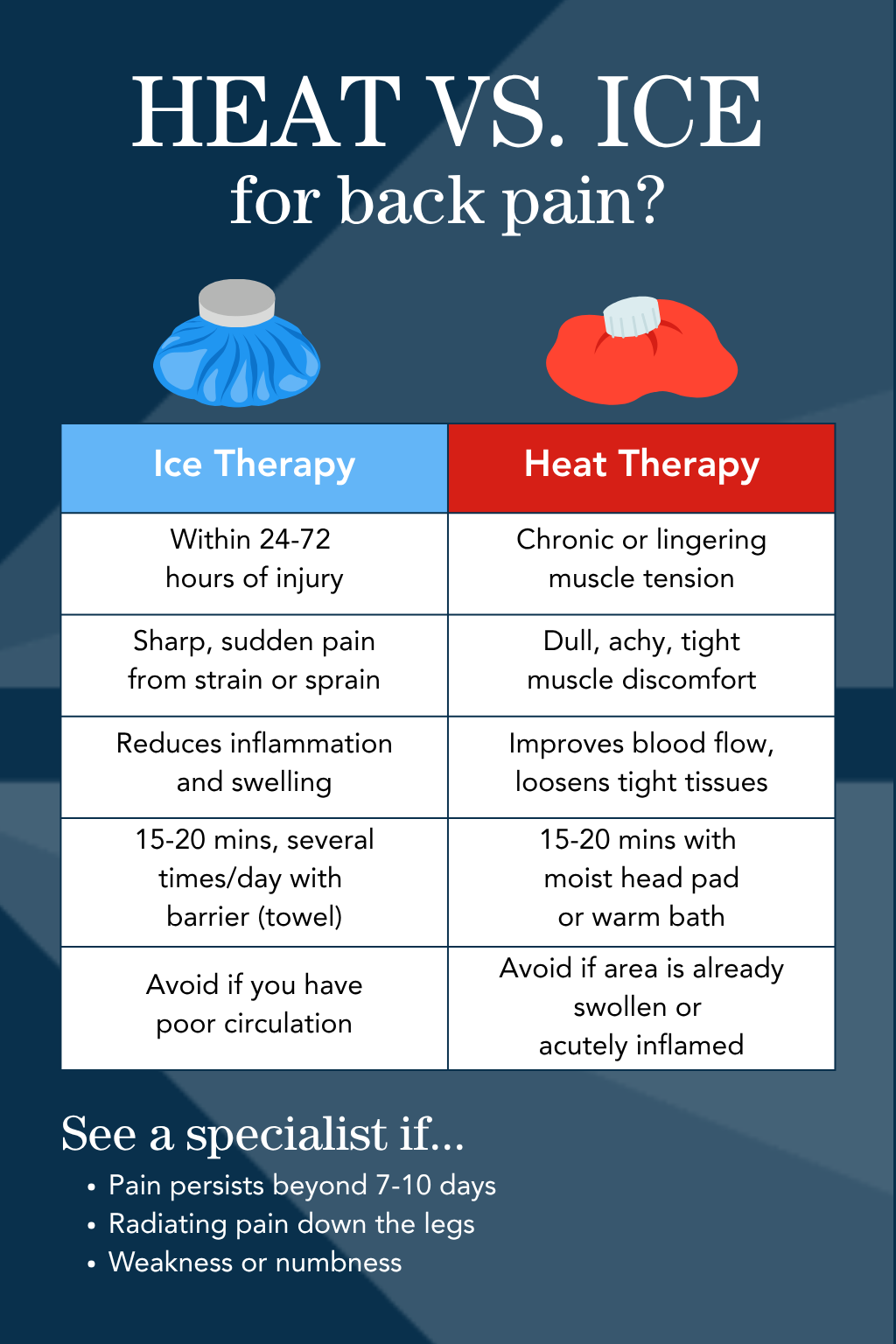
One of the primary functions of a heat pad is to alleviate muscle tension and pain. The heat generated by the pad has a physiological effect on muscle tissue.
Vasodilation and Increased Blood Flow
When applied to the skin, heat causes vasodilation – the widening of blood vessels. This increased blood flow delivers more oxygen and nutrients to the affected muscle tissue, which helps to accelerate the healing process and remove metabolic waste products that can contribute to soreness and fatigue. This enhanced circulation is a key mechanism by which heat pads provide relief.
Reduced Muscle Spasms and Stiffness
Heat can also help to relax tight muscles and reduce involuntary muscle spasms. By increasing the temperature of the muscle fibers, it reduces their resistance to stretching, thereby alleviating stiffness and improving range of motion. This makes heat pads particularly useful for post-exercise recovery, chronic pain conditions like arthritis, or general muscle soreness from everyday activities. The consistent and controllable heat from modern devices ensures a more effective and sustained effect compared to older, less precise methods.
Menstrual Cramp Relief
A significant application of heat pads is in managing menstrual cramps (dysmenorrhea). The technology behind these pads is specifically geared towards providing targeted comfort during this sensitive time.
Direct Analgesic Effect
The heat directly affects the pain receptors in the abdominal area, overriding pain signals sent to the brain. This provides a soothing and analgesic effect, reducing the perception of cramping.
Uterine Muscle Relaxation
The uterine muscles contract to expel the uterine lining, which can cause significant pain. Heat helps to relax these smooth muscles, reducing the intensity of contractions and therefore easing the cramps. Many modern heat pads designed for menstrual relief are contoured to fit the lower abdomen comfortably and offer adjustable heat settings suitable for sensitive skin, ensuring effective relief without discomfort. Some even incorporate gentle vibration features alongside heat for a multi-modal approach to pain management.
Improved Circulation for Cold Extremities
For individuals who suffer from poor circulation, particularly in their hands and feet, heat pads offer a technological solution to improve comfort and potentially mitigate related issues.
Enhancing Peripheral Blood Flow
By applying heat to extremities, the technology promotes vasodilation in the peripheral blood vessels. This is especially beneficial for those experiencing cold hands and feet due to conditions like Raynaud’s phenomenon or simply poor circulation. The controlled warming helps to increase blood flow to these areas, bringing warmth and alleviating the discomfort associated with cold extremities.
Comfort and Preventative Care
While not a cure for underlying circulatory conditions, regular use of heat pads can significantly improve comfort levels and may play a role in preventing the discomfort and potential skin damage associated with prolonged cold exposure. The convenience of portable, battery-operated heat pads makes them ideal for on-the-go relief.
Safety Features and User-Centric Design
The evolution of heat pad technology is intrinsically linked to a growing emphasis on user safety and ergonomic design. Modern heat pads are not just about generating heat; they are engineered to do so responsibly and comfortably.
Advanced Safety Mechanisms
Safety is paramount in any heating device, and heat pads have undergone significant technological improvements to ensure they are safe for everyday use.
Overheat Protection and Auto Shut-Off
As mentioned earlier, virtually all modern electric heat pads are equipped with sophisticated overheat protection systems. These go beyond basic thermostats, utilizing multiple sensors to detect abnormal temperature rises. The automatic shut-off feature, usually set for a predetermined period, is a critical safety net to prevent accidental burns or fires, especially if the device is left unattended.
Fire-Resistant Materials and Construction
The materials used in the construction of heat pads are crucial for fire safety. Manufacturers employ fire-resistant fabrics for the outer casing and high-quality, insulated wiring to prevent short circuits. The internal construction is designed to withstand heat and prevent the spread of flames, ensuring the device remains safe even under extreme conditions.
Ergonomic and User-Friendly Features
Beyond safety, the design of heat pads has been refined to enhance user experience and therapeutic efficacy.
Flexible and Contoured Designs
Gone are the days of stiff, bulky heat pads. Modern designs are often flexible, allowing them to conform to the natural curves of the body. This ensures better contact with the skin, leading to more efficient heat transfer and greater comfort. Neck wraps, shoulder pads, and back braces are examples of ergonomically designed heat pads that target specific body areas effectively.
Washable Covers and Ease of Maintenance
Hygiene and ease of maintenance are important considerations. Many contemporary heat pads feature removable, machine-washable covers, making them easy to clean and maintain. This ensures the pad remains fresh and hygienic for repeated use. The durable construction also means that with proper care, these technological aids for comfort can last for a significant period.

Portability and Cordless Operation
The integration of rechargeable batteries has revolutionized the portability of heat pads. Cordless models offer freedom of movement, allowing users to benefit from heat therapy while working, traveling, or simply relaxing around the house without being tethered to a power outlet. This technological advancement makes heat therapy more accessible and convenient than ever before.
In conclusion, a heat pad does far more than simply generate warmth. It is a sophisticated technological device that utilizes advanced heating elements, precise control systems, and intelligent safety features to deliver targeted thermal therapy. From providing relief for muscle aches and menstrual cramps to improving circulation, modern heat pads are intelligently designed tools that significantly contribute to personal comfort, well-being, and the management of various physical discomforts. Their evolution reflects a continuous drive towards safer, more effective, and user-centric technological solutions for everyday health challenges.
aViewFromTheCave is a participant in the Amazon Services LLC Associates Program, an affiliate advertising program designed to provide a means for sites to earn advertising fees by advertising and linking to Amazon.com. Amazon, the Amazon logo, AmazonSupply, and the AmazonSupply logo are trademarks of Amazon.com, Inc. or its affiliates. As an Amazon Associate we earn affiliate commissions from qualifying purchases.