
Design is an omnipresent force shaping our daily lives, often in ways we don’t consciously acknowledge. From the intuitive interface of the smartphone in your pocket to the compelling advertisement you scroll past, and the sleek packaging of your favorite product, design is the invisible architect of our experiences. But what precisely does a “designer” do? This question, while seemingly straightforward, belies a complex and multifaceted profession that extends far beyond mere aesthetics. In the realm of Brand, a designer is a strategic problem-solver, a storyteller, and an architect of meaning. They are tasked with translating abstract ideas, user needs, and business objectives into tangible, resonant forms that build connection, drive engagement, and foster loyalty.
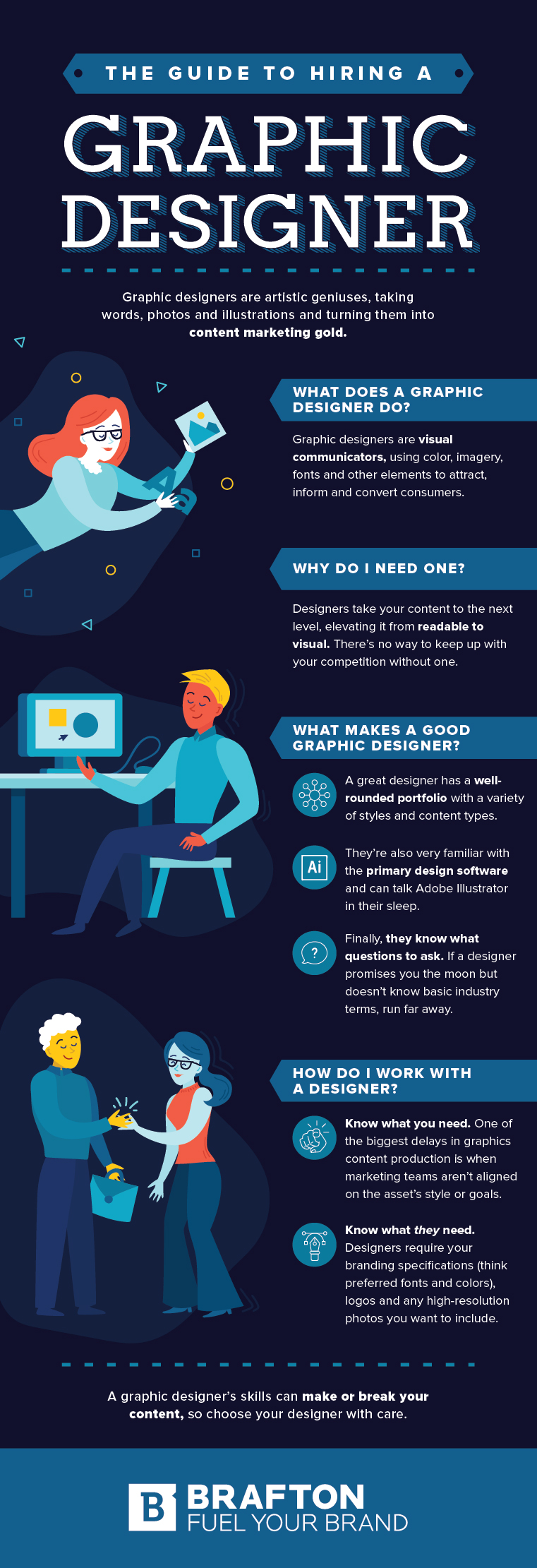
The term “designer” itself is broad, encompassing a spectrum of specializations. However, at its core, the designer’s role within the context of Brand is to create and refine visual and experiential elements that communicate value, articulate identity, and ultimately, influence perception and behavior. They are the bridge between a company’s aspirations and its audience’s understanding, ensuring that every touchpoint, from a logo to a website to a social media campaign, is cohesive, impactful, and aligned with overarching brand strategy.
The Strategic Foundation: Understanding the “Why”
Before a single pixel is placed or a font is chosen, a designer operating within the Brand sphere engages in deep strategic thinking. This initial phase is paramount, as it lays the groundwork for all subsequent creative decisions. Without a clear understanding of the problem to be solved, the target audience, and the desired business outcomes, design risks becoming superficial and ineffective.
Decoding the Brief and Uncovering Insights
The designer’s journey often begins with a comprehensive brief, outlining the project’s goals, scope, and constraints. This is not merely a set of instructions but a starting point for inquiry. Designers are skilled interrogators, probing beyond the surface-level requests to uncover the underlying business challenges and opportunities. This involves meticulous research into the client’s industry, competitive landscape, and, most crucially, their target audience.
Understanding user needs, motivations, and pain points is fundamental. This might involve conducting user interviews, analyzing market research, and creating detailed buyer personas. By immersing themselves in the user’s world, designers can identify unmet needs and opportunities for the brand to connect on a deeper, more meaningful level. This insight-driven approach ensures that design solutions are not just aesthetically pleasing but also functionally relevant and emotionally resonant.
Defining the Brand’s Core Identity
A significant aspect of a designer’s strategic work within Brand is helping to define or refine the core identity of a company or product. This goes beyond just a logo; it encompasses the brand’s personality, values, mission, and unique selling proposition. Designers work collaboratively with stakeholders to articulate these abstract concepts into a clear, concise, and compelling brand narrative.
This involves establishing the brand’s voice, tone, and visual language. What emotions should the brand evoke? What kind of personality should it project? Is it playful and energetic, or sophisticated and authoritative? These questions inform the development of brand guidelines, a crucial document that ensures consistency across all brand communications. The designer’s role here is to translate the intangible essence of a brand into a tangible and recognizable presence.
Crafting the Visual Language: Bringing Brands to Life
Once the strategic foundation is firmly established, the designer moves into the realm of visual creation. This is where ideas begin to take tangible form, manifesting in elements that audiences will see, interact with, and remember. This phase demands not only creative talent but also a deep understanding of visual principles, industry trends, and the psychological impact of various design choices.
Logo Design and Visual Identity Systems
At the heart of visual branding lies the logo. A well-designed logo is more than just an icon; it’s the distilled essence of a brand, a memorable symbol that encapsulates its identity and promise. Designers meticulously explore different forms, colors, and typography to create logos that are unique, impactful, and scalable across various applications.
Beyond the logo, designers develop comprehensive visual identity systems. This includes defining the brand’s color palette, typography hierarchy, imagery style, and the overall aesthetic that will be applied across all touchpoints. This system acts as a visual blueprint, ensuring that every element, from business cards to website banners, contributes to a cohesive and recognizable brand presence. The careful selection of fonts, for instance, can convey professionalism, approachability, or innovation, subtly shaping audience perception.
User Interface (UI) and User Experience (UX) Design
In today’s digital-first world, a significant portion of a designer’s work falls under UI/UX design. While often discussed together, they represent distinct yet interconnected disciplines. UI design focuses on the visual elements and interactivity of a digital product – the buttons, icons, layouts, and overall look and feel. The goal is to create an interface that is not only aesthetically pleasing but also intuitive and easy to navigate.
UX design, on the other hand, delves deeper into the user’s journey and overall satisfaction with a product or service. Designers in this space map out user flows, conduct usability testing, and strive to understand how users interact with a digital interface to achieve their goals. Their aim is to create seamless, efficient, and enjoyable experiences that foster user loyalty and drive desired actions, whether it’s making a purchase or signing up for a newsletter. A designer’s ability to empathize with the user and anticipate their needs is critical in this domain.
Packaging, Print, and Environmental Design
While digital design has surged in prominence, traditional forms of design remain vital for many brands. Packaging design, for example, is a critical touchpoint that directly influences purchasing decisions. Designers must create packaging that is not only visually appealing and informative but also functional, durable, and reflective of the brand’s values. This can range from the minimalist elegance of a luxury product to the vibrant dynamism of a children’s toy.
Print design, encompassing brochures, magazines, advertisements, and other collateral, requires a distinct set of skills to translate digital concepts into compelling static visuals. Environmental design, which deals with physical spaces such as retail stores, exhibition booths, and office interiors, also plays a crucial role in shaping brand perception. Designers in this area consider spatial flow, material choices, and the overall atmosphere to create immersive brand experiences that resonate with visitors.
Driving Engagement and Measuring Success
The designer’s role doesn’t end with the creation of polished assets. In the realm of Brand, a key responsibility is to ensure that design effectively communicates, engages, and ultimately contributes to measurable business outcomes. This involves understanding how design impacts audience perception and behavior, and continuously iterating to optimize performance.
Storytelling Through Visuals and Content
Effective brand design is inherently about storytelling. Designers use visual elements – imagery, color, typography, and layout – to convey a narrative, evoke emotions, and connect with audiences on a deeper level. This might involve creating compelling social media graphics that tell a product’s origin story, designing a website that guides users through a brand’s heritage, or crafting an advertisement that elicits a specific emotional response.
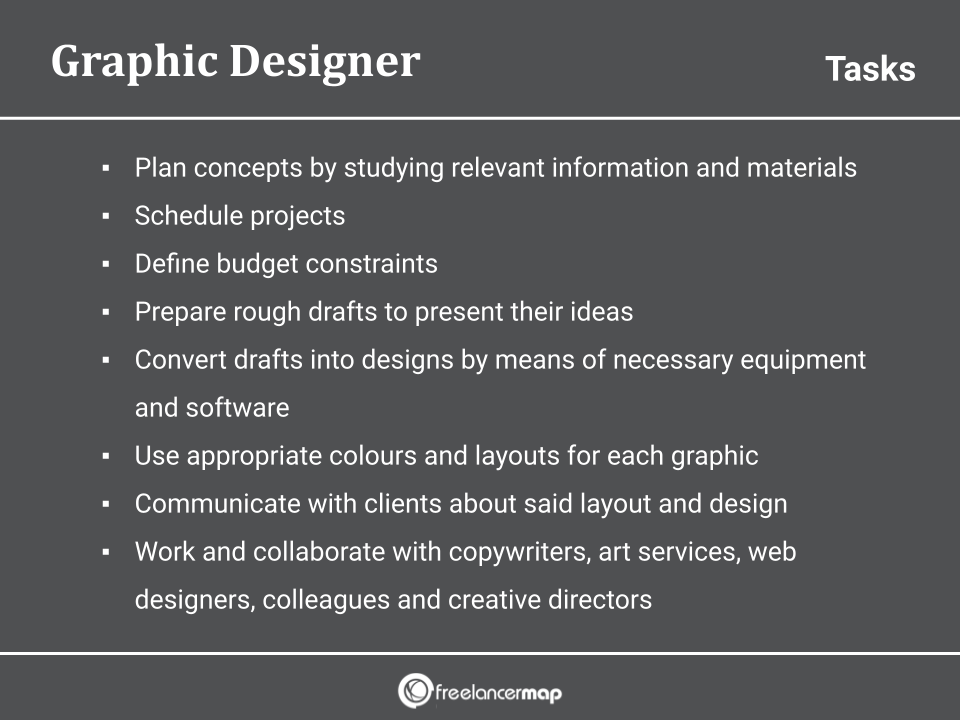
The designer works in tandem with copywriters and marketing teams to ensure that visuals and text work harmoniously to create a cohesive and persuasive message. They understand that a powerful image can communicate more than a thousand words and that the strategic placement of elements can guide the viewer’s eye and influence their interpretation. The goal is to create a narrative that is not only engaging but also memorable and actionable.
Optimizing for User Interaction and Conversion
In the digital space, designers are increasingly responsible for optimizing user journeys to drive specific actions, often referred to as conversions. This involves analyzing user behavior data, conducting A/B testing on different design elements, and iterating on layouts and calls-to-action to improve effectiveness. For instance, a designer might test different button colors or placement on a website to see which version leads to more clicks or purchases.
This data-driven approach ensures that design is not merely an artistic pursuit but a strategic tool for achieving business objectives. Designers work to remove friction points, simplify complex processes, and create clear pathways that encourage users to engage with the brand in desired ways. The ultimate aim is to create experiences that are not only enjoyable but also demonstrably effective in achieving brand goals.

Maintaining Brand Consistency and Evolution
A fundamental responsibility of a designer is to safeguard the integrity and consistency of a brand’s identity across all platforms and over time. This involves adhering to established brand guidelines, ensuring that all visual communications align with the brand’s core values and aesthetic. Inconsistency can erode trust and dilute a brand’s message.
However, design is not static. As brands evolve, markets shift, and user preferences change, design must also adapt. Designers play a crucial role in guiding this evolution, ensuring that brand updates are meaningful, relevant, and maintain the core essence of the brand while embracing new trends and opportunities. This requires a delicate balance between preservation and innovation, ensuring that the brand remains both recognizable and fresh in the minds of its audience. Ultimately, a designer within the Brand niche is a guardian and architect of perception, constantly working to shape how a brand is understood, experienced, and remembered.
aViewFromTheCave is a participant in the Amazon Services LLC Associates Program, an affiliate advertising program designed to provide a means for sites to earn advertising fees by advertising and linking to Amazon.com. Amazon, the Amazon logo, AmazonSupply, and the AmazonSupply logo are trademarks of Amazon.com, Inc. or its affiliates. As an Amazon Associate we earn affiliate commissions from qualifying purchases.