
The crescent wrench, a ubiquitous presence in toolboxes and workshops globally, is more than just a simple piece of hardware. It represents a fundamental step in the evolution of fastening technology, a testament to ingenious mechanical design, and a precursor to many sophisticated tools we rely on today. Understanding its form and function is not just about recognizing a tool; it’s about appreciating the principles of adjustability, leverage, and efficient torque application that underpin countless technological innovations. From the precision engineering of modern manufacturing to the intuitive interfaces of digital design, the core concepts embodied by the crescent wrench echo throughout the technological landscape.
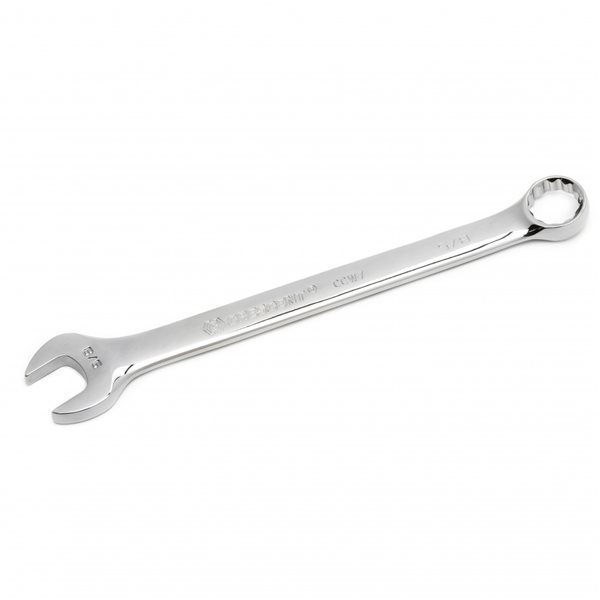
The Anatomy of Adaptability: Deconstructing the Crescent Wrench
At its core, the crescent wrench is defined by its remarkable adjustability. This adaptability is its defining characteristic, setting it apart from fixed-size wrenches and enabling it to tackle a diverse range of bolt and nut sizes. This section will dissect the physical components that contribute to its unique functionality, highlighting the engineering principles at play.
The Jaws: Precision Gripping and Torque Transfer
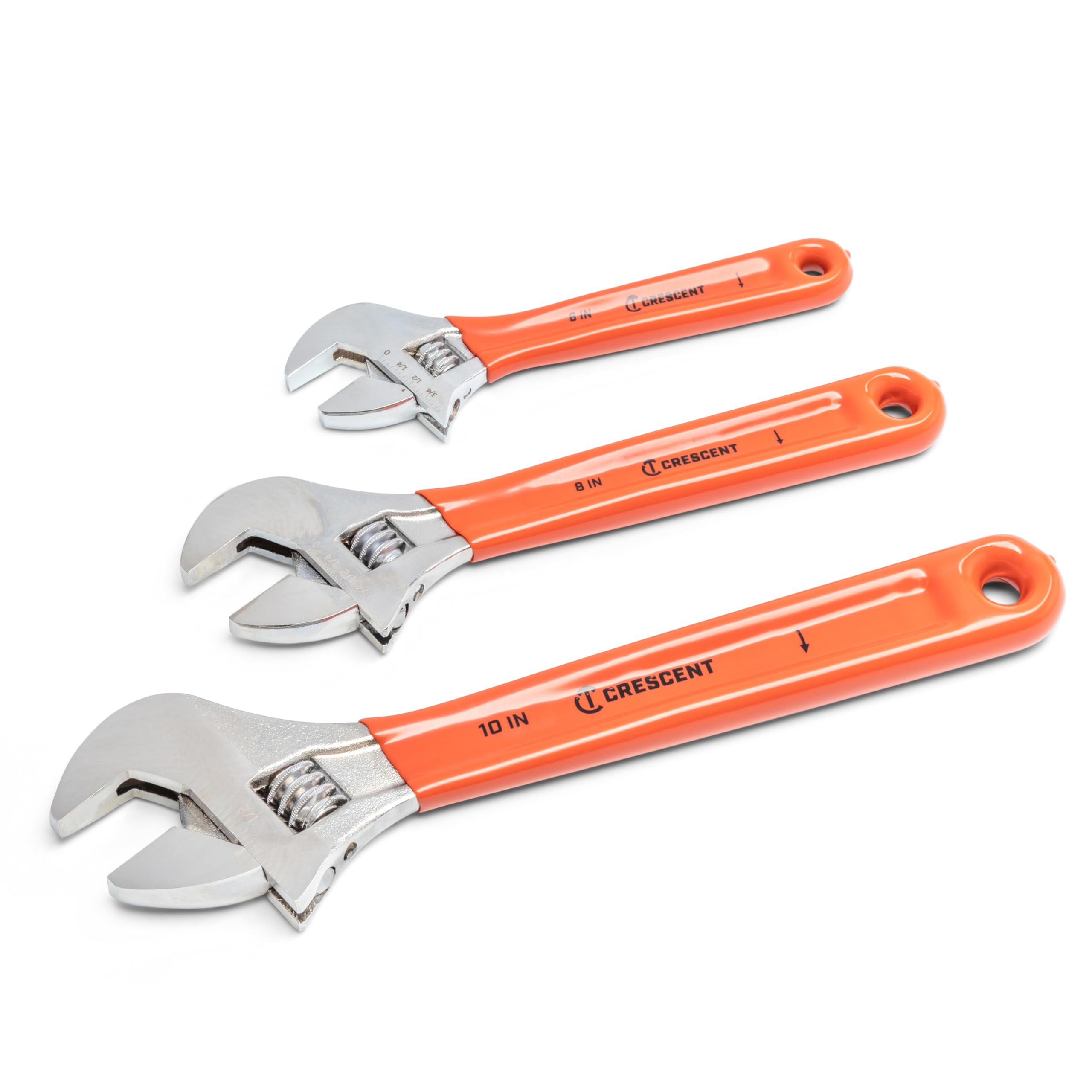
The defining feature of any wrench, including the crescent, are its jaws. In the case of the crescent wrench, these jaws are not static but possess a crucial degree of movement. One jaw is fixed, forming a permanent right angle with the handle. The other jaw, however, is movable. This sliding jaw is the key to the wrench’s adjustability. It typically features a set of precisely machined teeth or a smooth surface that engages with a threaded shaft. This mechanism allows the gap between the jaws to be widened or narrowed.
The inner surface of both jaws is meticulously engineered to provide a secure grip on hexagonal or square fasteners. The angles and depth of the jaw faces are critical for maximizing contact area and preventing slippage, especially when significant torque is applied. When properly sized and applied to a fastener, the jaws distribute the applied force evenly across the flat surfaces of the nut or bolt head. This efficient transfer of torque is paramount for both tightening and loosening fasteners, a fundamental operation in virtually every field of technology, from assembling intricate electronic devices to constructing massive infrastructure. The evolution of jaw design, from early rudimentary forms to the hardened, precision-ground surfaces found in modern crescent wrenches, reflects the ongoing pursuit of enhanced grip strength, durability, and wear resistance – key considerations in any technological manufacturing process.
The Adjustment Mechanism: The Ingenious Screw and Slide
The magic of the crescent wrench lies in its simple yet highly effective adjustment mechanism. This typically consists of a rotating screw, often referred to as the “worm screw” or “adjustment screw,” and the sliding jaw. The screw is usually located at the base of the movable jaw, where it engages with internal threads or a corresponding channel within the wrench’s body.
When the user rotates the knurled knob or the screw head, it drives the sliding jaw along its track. Turning the screw in one direction forces the jaw outwards, widening the gap between the jaws. Turning it in the opposite direction retracts the jaw, narrowing the gap. This seemingly straightforward mechanical interaction allows the crescent wrench to adapt to a wide spectrum of fastener sizes, eliminating the need for a vast collection of fixed wrenches. The precision of this screw mechanism directly impacts the wrench’s usability and the accuracy of its grip. High-quality crescent wrenches feature smooth, backlash-free adjustment, ensuring that the jaws lock firmly onto the fastener without excessive play. This focus on precise mechanical control is a hallmark of good engineering, a principle that resonates deeply within the broader technological sphere. The development of this adjustment mechanism was a significant leap in tool design, democratizing the ability to work with various fastener sizes and laying the groundwork for future innovations in adjustable tooling.
The Handle: Leverage and Ergonomics
The handle of a crescent wrench is more than just a grip; it’s the conduit through which leverage is applied. Its length and shape are carefully designed to optimize torque application while providing a comfortable and secure grip for the user. A longer handle generally provides greater leverage, allowing for more torque to be applied with less physical effort. This is a critical principle in mechanical engineering, where the efficient application of force is always a primary concern.
Ergonomics plays a vital role in modern tool design, and the crescent wrench is no exception. While early designs might have focused purely on function, contemporary versions often incorporate features to enhance user comfort and reduce fatigue during prolonged use. This can include materials like rubberized grips or contoured shapes that fit naturally in the hand. The handle also houses the mechanism for adjusting the jaw, with the rotating screw often integrated seamlessly into its design. The balance and weight distribution of the wrench, influenced by the handle’s construction, contribute to its overall usability. In the context of technology, even seemingly simple tools like wrenches benefit from this attention to detail. The ergonomic design of a tool directly impacts user efficiency and safety, much like the intuitive design of software interfaces or the human-centered design of consumer electronics. The handle, therefore, is a crucial element that bridges the gap between human intent and mechanical action, a fundamental concept in human-computer interaction and the design of any functional technological system.
Historical Significance and Technological Evolution
The crescent wrench, though seemingly simple, possesses a rich history intertwined with the technological advancements that have shaped our modern world. Its invention and subsequent refinement represent a significant stride in the evolution of mechanical tools, paving the way for further innovations in adjustable fastening.
The Dawn of Adjustable Tools: A Paradigm Shift
Before the widespread adoption of adjustable wrenches, mechanics and engineers relied on a vast assortment of fixed-size wrenches, each specific to a particular bolt or nut. This was not only cumbersome but also inefficient. The invention of the adjustable wrench, with the crescent wrench being a prime example, marked a paradigm shift. It provided a single tool capable of performing the function of many, thereby increasing portability, reducing costs, and streamlining workflow. This concept of versatility through adjustability is a core tenet of modern technological design. Think of the evolution from single-function appliances to multi-functional smart devices, or the transition from rigid, fixed software to dynamic, configurable systems. The crescent wrench, in its own mechanical way, introduced this powerful idea of adaptable functionality. Its emergence democratized the ability to perform mechanical tasks, making complex machinery more accessible to a wider range of individuals and contributing to the broader industrialization of the era.
Innovations in Manufacturing and Materials
The evolution of the crescent wrench is also a story of advancements in manufacturing processes and material science. Early crescent wrenches were likely forged from simple steel. However, as metallurgical knowledge grew, so did the sophistication of the tools themselves. The development of hardened steel alloys, for instance, allowed for the creation of jaws that were more durable, resistant to wear, and capable of withstanding greater torque. Precision machining techniques, honed over time, ensured that the threads of the adjustment screw and the mating surfaces of the sliding jaw were manufactured to exacting tolerances. This led to smoother operation, a more secure grip, and a longer lifespan for the tool.
Modern crescent wrenches often benefit from advanced manufacturing technologies like computer-aided design (CAD) and computer-aided manufacturing (CAM), which enable the creation of tools with optimized strength, weight, and ergonomic profiles. Surface treatments, such as chrome plating, not only enhance corrosion resistance but also provide a more aesthetically pleasing finish, reflecting a growing appreciation for the interplay between form and function. These ongoing improvements in manufacturing and materials directly mirror the advancements seen across the entire technological spectrum, from the micro-fabrication of semiconductors to the large-scale production of aerospace components. The crescent wrench, in its continuous refinement, serves as a tangible example of how incremental technological progress can lead to significant improvements in everyday tools.
Beyond the Hand Tool: The Digital Echoes of the Crescent Wrench
While the crescent wrench remains a staple in physical toolkits, its core principles of adjustability and efficient torque application have found their way into the digital and technological realms in surprising ways. The concept of adaptable functionality, once embodied by a simple mechanical device, now permeates the very fabric of our digital lives.
Smart Tools and the Future of Fastening
The evolution of the crescent wrench continues into the digital age with the advent of “smart tools.” These tools integrate sensors, connectivity, and data processing capabilities, transforming them from passive instruments into intelligent assistants. For example, modern torque wrenches, a direct descendant of the adjustable wrench concept, can be digitally calibrated and programmed to apply precise amounts of torque, logging data for quality control and analysis. This is crucial in industries like automotive and aerospace, where over- or under-tightening fasteners can have catastrophic consequences.
Furthermore, the principles of adjustability and adaptability that define the crescent wrench are mirrored in the development of robotic arms and automated assembly systems. These systems can be programmed to dynamically adjust their grip and torque based on the specific fastener they encounter, much like a skilled mechanic intuitively adjusts a crescent wrench. The underlying algorithms that govern these robotic actions are essentially sophisticated digital interpretations of the mechanical principles that have made the crescent wrench so enduringly useful. The ability to reconfigure and adapt to new tasks is a fundamental requirement for any advanced technological system, a concept first elegantly demonstrated by the simple, adjustable mechanical tool.
Design Principles: The Enduring Influence of Simplicity and Utility
The design of the crescent wrench is a masterclass in achieving maximum utility with elegant simplicity. Its form directly follows its function, with each component serving a clear purpose in the overall operation. This principle of form following function is a foundational concept in design, extending far beyond mechanical engineering into the realms of industrial design, user interface (UI) design, and even software architecture.
Consider the intuitive nature of a well-designed app or website. Its layout, navigation, and interactive elements are all crafted to facilitate user tasks efficiently and with minimal friction. This mirrors the way a crescent wrench’s adjustable jaws and ergonomic handle are designed to make fastener manipulation as straightforward as possible. The emphasis on clear visual cues – the knurled adjustment knob, the distinct jaws – ensures that users can quickly understand how to operate the tool. In the digital space, this translates to clear icons, logical menu structures, and predictable user flows. The enduring success of the crescent wrench lies in its ability to convey its operational logic immediately, a testament to the power of intuitive design – a principle that remains at the forefront of technological innovation today. The ability to create tools, both physical and digital, that are both powerful and easy to understand is a continuous pursuit, with the humble crescent wrench offering a timeless blueprint for success.

The “Crescent” Aesthetic in Digital Interfaces
While not always a direct visual representation, the “crescent” aesthetic, implying a curved or partially enclosed form that facilitates gripping and manipulation, can be seen subtly influencing digital interface design. Think of the often-rounded corners in modern app design, the subtle curves in buttons, or even the way a user might intuitively swipe or drag an element on a touchscreen. These design choices, while abstract from a mechanical wrench, tap into a similar human-centric understanding of how to interact with objects. The visual language of technology often draws from our innate understanding of the physical world. The smooth, curved edges of a digital button can evoke a sense of tactility and ease of interaction, mirroring the comfortable grip of a well-designed tool. This subtle interplay between the physical and digital, where successful physical designs inform our expectations and preferences in the digital realm, highlights the deep, often subconscious, connections that exist between our engineered world and the technologies we create. The crescent wrench, with its distinctive, functional curve, has, in its own way, contributed to this broader visual and functional vocabulary that shapes our interaction with technology.
aViewFromTheCave is a participant in the Amazon Services LLC Associates Program, an affiliate advertising program designed to provide a means for sites to earn advertising fees by advertising and linking to Amazon.com. Amazon, the Amazon logo, AmazonSupply, and the AmazonSupply logo are trademarks of Amazon.com, Inc. or its affiliates. As an Amazon Associate we earn affiliate commissions from qualifying purchases.