
The term “commercial vehicle” is ubiquitous in discussions surrounding transportation, logistics, business operations, and even personal finance and insurance. Yet, beyond its common usage, a precise understanding of what constitutes a commercial vehicle is crucial for businesses of all sizes, fleet managers, regulators, and individuals navigating the complexities of vehicle ownership and operation. At its core, a commercial vehicle is any motor vehicle used for business purposes, whether that involves transporting goods, passengers, or equipment for profit. This broad definition encompasses a vast array of vehicles, from light-duty pickup trucks used by local tradespeople to heavy-duty semi-trucks that form the backbone of global supply chains.
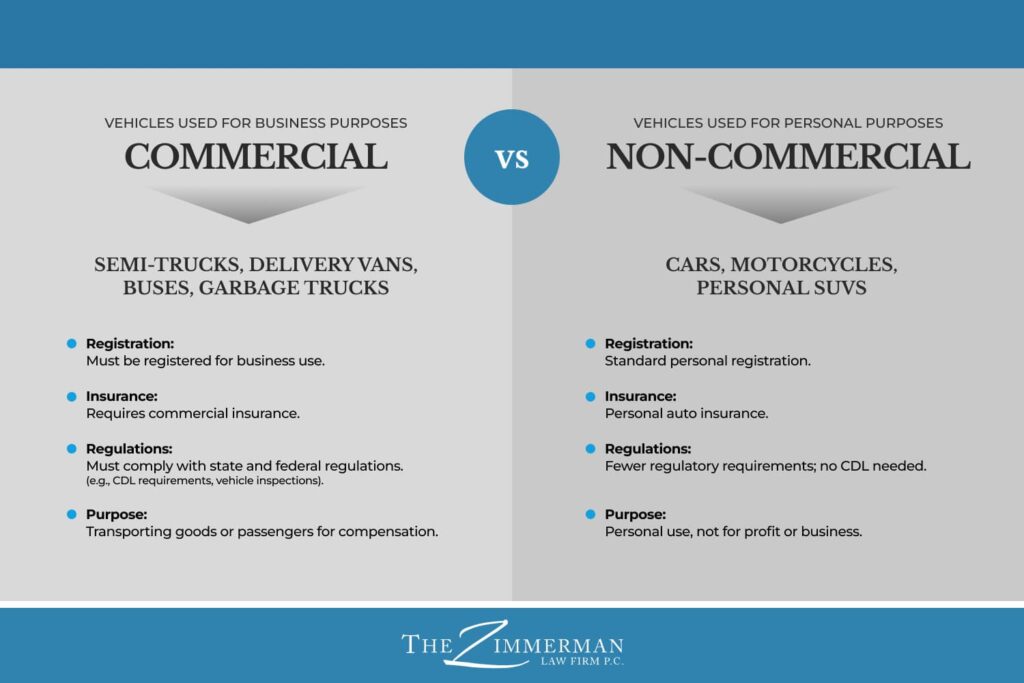
The implications of a vehicle being classified as “commercial” extend far beyond its physical characteristics. This classification significantly impacts aspects such as registration and licensing, insurance premiums, operational regulations, taxation, and the types of businesses that can utilize such vehicles. Understanding these nuances is not merely an administrative exercise; it is fundamental to ensuring legal compliance, optimizing operational efficiency, managing financial risks, and ultimately, fostering sustainable business growth. This article delves into the multifaceted meaning of a commercial vehicle, exploring its defining characteristics, the diverse categories it encompasses, and the significant financial and operational considerations associated with its use.
Defining the Commercial Vehicle: Beyond Passenger Use
The primary differentiator between a commercial vehicle and a standard passenger car lies in its intended use. While a passenger car is typically designed and operated for personal transportation, a commercial vehicle is specifically utilized in the conduct of a business. This distinction is paramount and informs legal, regulatory, and financial frameworks surrounding these vehicles.
The “For-Profit” Nexus: The Driving Force Behind Commercial Classification
At the heart of the commercial vehicle definition is the concept of profit generation. If a vehicle is used in any capacity that directly or indirectly contributes to a business’s revenue streams, it is generally considered a commercial vehicle. This can manifest in numerous ways:
- Transporting Goods for Sale or Delivery: This is perhaps the most intuitive application. Any vehicle used to move products from a manufacturer to a distributor, from a warehouse to a retail store, or directly to a customer falls under this umbrella. This includes vans, box trucks, semi-trucks, and even smaller vehicles like cargo bikes for local deliveries.
- Transporting Passengers for Hire: This category is broad and includes taxis, ride-sharing vehicles (depending on local regulations and platform agreements), buses, shuttles, limousines, and tour vehicles. The key here is that passengers are paying for the transportation service.
- Providing Services: Many businesses use vehicles to deliver services to clients. This includes a wide range of professions:
- Tradespeople: Plumbers, electricians, carpenters, HVAC technicians, and landscapers often use trucks, vans, and utility vehicles to carry tools, equipment, and materials to job sites.
- Mobile Services: Businesses offering mobile car washes, pet grooming, or even mobile medical services utilize specialized vehicles.
- Field Technicians: Those performing maintenance, repairs, or installations at various locations rely on commercial vehicles for their operations.
- Support and Operations: Even vehicles not directly involved in customer-facing transactions can be commercial. For example, a vehicle used to transport equipment to a film set, a truck carrying supplies for a construction site, or a vehicle used for internal company mail delivery can all be classified as commercial.
Differentiating from Personal Use: The Grey Areas and Clear Lines
While the “for-profit” nexus is the primary driver, it’s important to acknowledge the spectrum between purely personal and purely commercial use.
- Personal Use vs. Business Use: A pickup truck owned by an individual for weekend gardening and hauling personal items is generally not a commercial vehicle. However, if that same truck is used to haul materials for a side-hustle landscaping business, it begins to blur the lines. Many jurisdictions have specific rules regarding the percentage of business use that can trigger commercial classification.
- Employee Use of Personal Vehicles: When employees use their personal vehicles for business purposes, it can create complex insurance and liability situations. Employers often need to ensure adequate coverage or reimburse employees for business mileage, and the classification of the vehicle can still be relevant in accident scenarios.
- Company-Owned Vehicles for Employee Commute: The debate over whether a company car used for commuting is a commercial vehicle can be nuanced. While the primary function isn’t direct profit generation in that specific instance, the vehicle is owned and provided by the business for its operational needs, and tax implications often treat it as a business asset.
Categorizing Commercial Vehicles: A Diverse Spectrum of Applications
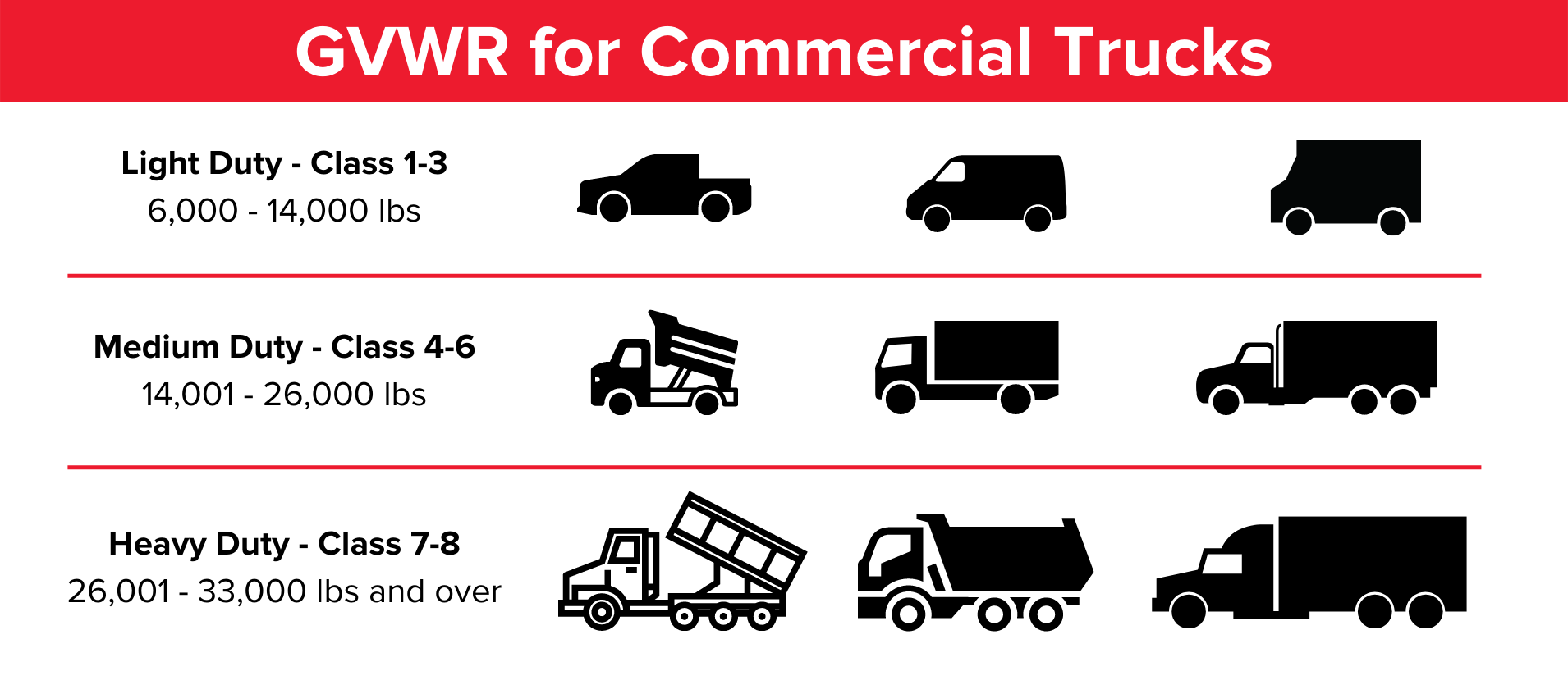
The broad definition of a commercial vehicle gives rise to a diverse range of categories, each with its own specific characteristics, regulatory frameworks, and operational considerations. These categories are often defined by the vehicle’s Gross Vehicle Weight Rating (GVWR), its intended payload, and its specialized design for particular commercial functions.
Light-Duty Commercial Vehicles: The Workhorses of Local Businesses
Light-duty commercial vehicles are typically based on chassis similar to those of passenger vehicles but are designed with greater payload capacity and often more robust powertrains.
- Pickup Trucks: Beyond personal use, pickup trucks are essential for tradespeople, delivery services, and small businesses that require hauling capacity for tools, materials, or small equipment.
- Vans: Cargo vans are exceptionally versatile, offering enclosed space for secure transport of goods, equipment, or as mobile workshops. They are prevalent in delivery services, trades, and mobile service industries. Passenger vans, when used for transporting employees to a worksite or for shuttle services, also fall into this category.
- Chassis Cab Trucks: These are trucks where the manufacturer provides only the cab and chassis, allowing custom bodies to be fitted. This makes them ideal for specialized applications like utility trucks, service trucks, or small dump trucks.
Medium-Duty Commercial Vehicles: Bridging the Gap
Medium-duty vehicles offer increased hauling and towing capabilities, making them suitable for a wider range of commercial applications that exceed the capacity of light-duty vehicles but do not require the full scale of heavy-duty trucks.
- Box Trucks (Step Vans): Commonly seen in local delivery services, these trucks feature a fully enclosed cargo area integrated with the cab, maximizing cargo space and ease of access.
- Service Trucks and Utility Trucks: These are often medium-duty chassis equipped with specialized bodies containing tool storage, hoists, cranes, or generators, catering to industries like utilities, construction, and maintenance.
- Small Dump Trucks: Used in construction, landscaping, and waste management, these trucks are designed for transporting bulk materials like sand, gravel, or debris.
Heavy-Duty Commercial Vehicles: The Backbone of Freight and Logistics
Heavy-duty vehicles are designed for the most demanding commercial transport and hauling tasks, forming the critical infrastructure for national and international supply chains.
- Tractor-Trailers (Semi-Trucks): These consist of a tractor unit that pulls one or more semi-trailers. They are the primary mode of long-haul freight transportation, carrying a vast array of goods across continents.
- Dump Trucks: Larger versions of their medium-duty counterparts, these are essential for heavy construction, mining, and large-scale material handling.
- Garbage Trucks: Specialized vehicles designed for the collection and compaction of municipal and commercial waste.
- Concrete Mixers: Trucks equipped with rotating drums to transport and mix concrete on-site.
- Specialized Haulers: This category includes vehicles designed for specific purposes, such as car carriers, tanker trucks for liquids and gases, and heavy equipment transport trailers.
Financial and Operational Implications of Commercial Vehicle Classification
The designation of a vehicle as “commercial” triggers a cascade of financial and operational considerations that are distinct from those associated with personal vehicles. These factors can significantly impact a business’s bottom line, its risk profile, and its compliance obligations.
Insurance: A Paramount Concern
Commercial vehicle insurance is a critical component of operating any business that utilizes such vehicles. Premiums are generally higher than for personal auto insurance due to the increased risk associated with commercial use.
- Higher Risk Exposure: Commercial vehicles are often driven more miles, in varied conditions, by employees who may have different driving records than an owner-operator. They also frequently carry valuable cargo or passengers, increasing the potential for significant financial loss in the event of an accident.
- Types of Coverage: Commercial auto insurance policies typically include:
- Liability Coverage: Covers damages or injuries to others caused by the insured vehicle.
- Physical Damage Coverage: Covers damage to the commercial vehicle itself (collision and comprehensive).
- Uninsured/Underinsured Motorist Coverage: Protects against damages caused by drivers who lack adequate insurance.
- Cargo Insurance: Crucial for businesses transporting goods, this coverage protects against loss or damage to the cargo itself.
- Medical Payments/Personal Injury Protection (PIP): Covers medical expenses for occupants of the commercial vehicle.
- Factors Influencing Premiums: Insurers assess various factors, including the type of vehicle, its intended use, the business’s industry, the driving records of operators, the geographic area of operation, and the chosen coverage limits.
Registration, Licensing, and Taxation: Navigating Regulatory Landscapes
Commercial vehicles are subject to distinct registration, licensing, and taxation requirements that ensure accountability and contribute to infrastructure funding.
- Commercial Registration: Vehicles used for business purposes typically require commercial registration, which often involves different fee structures than passenger vehicles. This registration process may also involve inspections and proof of commercial insurance.
- Driver Licensing: While not always the case for light-duty vehicles, drivers of heavier commercial vehicles (often classified by weight, such as those requiring a Commercial Driver’s License or CDL) must meet specific licensing and training requirements. These regulations are designed to ensure safe operation of larger, more complex vehicles.
- Fuel Taxes and Other Levies: Many jurisdictions impose special taxes on commercial vehicles, particularly heavy-duty trucks, to offset the wear and tear on public roads. These can include fuel taxes, road use taxes, and axle weight fees. The Federal Highway Use Tax, for example, applies to vehicles over a certain weight.
Operational Regulations and Compliance: Ensuring Safety and Efficiency
The commercial use of vehicles often falls under the purview of various regulatory bodies that set standards for safety, emissions, and operational practices.
- Hours of Service (HOS) Regulations: For commercial drivers engaged in interstate commerce, agencies like the Federal Motor Carrier Safety Administration (FMCSA) in the United States mandate HOS regulations to prevent driver fatigue and improve road safety.
- Vehicle Inspections: Commercial vehicles, especially larger ones, are subject to regular safety inspections to ensure they meet mandated standards for brakes, tires, lighting, and other critical components.
- Emissions Standards: Commercial vehicles must comply with environmental regulations regarding emissions, which can influence vehicle purchasing decisions and maintenance schedules.

Maintenance and Upkeep: Investing in Reliability
The rigorous demands placed on commercial vehicles necessitate a robust approach to maintenance and upkeep.
- Preventative Maintenance: Regular and thorough preventative maintenance is not just good practice; it’s essential for minimizing downtime and costly unexpected repairs. This includes scheduled servicing, fluid checks, tire rotations, and brake inspections.
- Downtime Costs: Vehicle downtime represents lost revenue and can disrupt supply chains. Therefore, efficient maintenance scheduling and prompt repairs are critical for operational continuity.
- Total Cost of Ownership (TCO): When considering commercial vehicles, it’s vital to look beyond the initial purchase price and factor in the TCO, which includes fuel, insurance, maintenance, repairs, registration, and depreciation over the vehicle’s lifespan.
In conclusion, the meaning of a commercial vehicle transcends a simple descriptive label. It signifies a vehicle integrated into the fabric of commerce, subject to a distinct set of legal, financial, and operational parameters. Understanding these parameters is not merely a matter of compliance; it is a strategic imperative for businesses seeking to operate efficiently, manage risk effectively, and thrive in the competitive marketplace. From the smallest tradesperson’s van to the largest freight carrier’s tractor-trailer, the commercial vehicle plays a vital, albeit complex, role in the modern economy.
aViewFromTheCave is a participant in the Amazon Services LLC Associates Program, an affiliate advertising program designed to provide a means for sites to earn advertising fees by advertising and linking to Amazon.com. Amazon, the Amazon logo, AmazonSupply, and the AmazonSupply logo are trademarks of Amazon.com, Inc. or its affiliates. As an Amazon Associate we earn affiliate commissions from qualifying purchases.