
In the increasingly saturated digital landscape, a brand’s ability to communicate effectively and memorably is paramount. Beyond the logo and the tagline, subtle yet powerful visual cues play a crucial role in shaping perception and driving engagement. Among these, color stands out as a fundamental element of brand identity, capable of evoking emotions, conveying meaning, and differentiating a brand from its competitors. Yellow, in particular, is a color that demands attention. It’s a hue that can signify a spectrum of meanings, from joyous optimism to urgent warning. For brands that choose to incorporate yellow into their visual lexicon, understanding its multifaceted implications is not merely an aesthetic consideration; it’s a strategic imperative. This article delves into the nuanced world of yellow in branding, exploring what this vibrant color truly communicates and how leading brands leverage its power to forge deeper connections with their audiences.
The Psychology and Symbolism of Yellow in Branding
Yellow is one of the most visually stimulating colors in the spectrum. Its brightness naturally draws the eye, making it an effective tool for capturing attention. However, the interpretation of yellow is not monolithic; it’s deeply rooted in human psychology and cultural context. Understanding these underlying associations is the first step for any brand looking to strategically deploy yellow.
Sunshine, Optimism, and Happiness
Perhaps the most universally recognized association with yellow is its connection to sunshine. This brings with it a cascade of positive emotions: warmth, joy, optimism, and happiness. In branding, this translates to conveying a sense of positivity, playfulness, and approachability. Brands that aim to foster a cheerful and uplifting experience often find yellow to be an ideal choice. Think of the bright, sunny disposition that can be injected into marketing campaigns or product design. This psychological link to happiness can make consumers feel good about interacting with a brand, fostering a sense of comfort and delight.
Energy, Creativity, and Innovation
Yellow is also a color associated with mental energy and intellectual stimulation. It’s believed to spark creativity and encourage original thinking. For brands in sectors that thrive on innovation, problem-solving, or creative output, yellow can serve as a visual shorthand for these very qualities. It suggests a forward-thinking approach, a willingness to explore new ideas, and a vibrant, dynamic spirit. This makes yellow a popular choice for brands in technology, design, and educational sectors, where the generation and dissemination of new ideas are central to their mission.
Caution, Warning, and Attention-Grabbing Properties
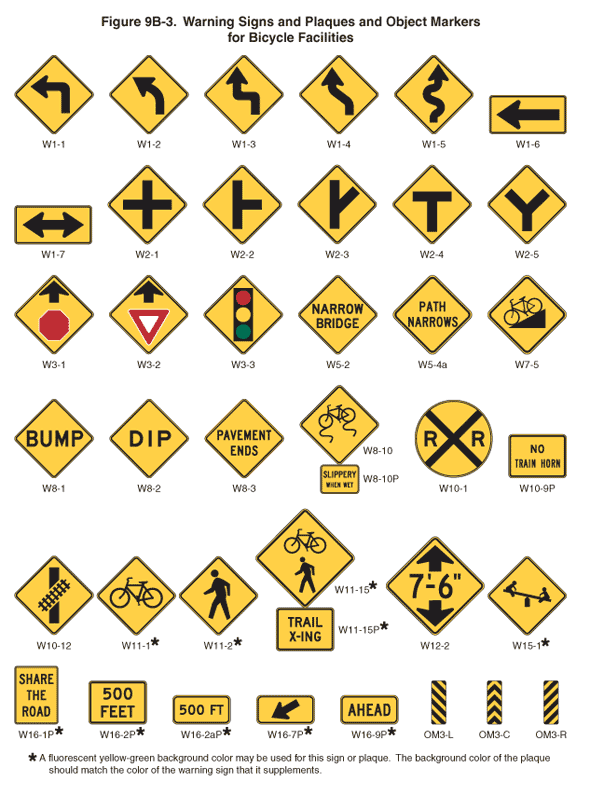
On the flip side, yellow also carries a significant connotation of caution and warning. This is deeply ingrained in our societal signaling systems, from traffic lights and hazard signs to warning tape. The bright, attention-grabbing nature of yellow makes it exceptionally effective in alerting people to potential dangers or important information. In a branding context, this can be leveraged to highlight critical features, promotional offers, or important calls to action. However, this meaning requires careful handling. Brands must ensure that the context in which yellow is used doesn’t inadvertently create an impression of risk or negativity, unless that is the intended strategic effect.
Affordability and Value
In some cultural contexts, and particularly in retail, yellow can be associated with affordability and value. This might stem from its association with sales and clearance items, where bright colors are often used to draw attention to discounted products. For brands targeting a budget-conscious demographic, or those aiming to emphasize competitive pricing, yellow can subtly communicate that they offer good deals and accessible products. This association, however, can also sometimes be perceived as indicating lower quality if not balanced with other brand elements.
Strategic Deployment of Yellow Across Brand Touchpoints
Once the psychological and symbolic meanings of yellow are understood, the next crucial step is to consider how to strategically deploy this color across various brand touchpoints. This involves thoughtful application in logos, marketing materials, digital interfaces, and even physical spaces.
Logos and Visual Identity: The Foundation of Recognition
The logo is often the most potent visual representation of a brand. Incorporating yellow into a logo can instantly imbue the brand with some of its associated characteristics. For instance, a logo that predominantly uses yellow might aim to project a friendly, optimistic, and energetic image. Brands like McDonald’s (with its iconic golden arches) and IKEA (with its blue and yellow palette) have successfully used yellow to become instantly recognizable and convey specific brand personalities. The choice of yellow in a logo is a deliberate statement about the brand’s core values and its intended perception in the minds of consumers. It’s about creating an immediate emotional connection and a memorable visual anchor.
Marketing and Advertising: Capturing Attention and Conveying Messages
In marketing and advertising, yellow is an exceptionally powerful tool for grabbing attention. Its inherent visibility makes it ideal for elements that need to stand out, such as calls to action, special offers, or important announcements. A yellow banner on a website, a yellow highlighted discount in a flyer, or a yellow element in a social media ad can effectively draw the eye amidst a sea of other visual information. Furthermore, the emotional resonance of yellow can be harnessed to create specific moods in advertising campaigns. A campaign aiming to evoke excitement or joy might heavily feature yellow, while a campaign highlighting a crucial safety feature might use yellow to signal importance and encourage vigilance.
Digital Interfaces and User Experience: Guiding and Engaging Users
In the realm of digital design, yellow’s role extends beyond mere aesthetics to influencing user experience. On websites and apps, yellow can be used strategically to guide users through interfaces. For example, it can highlight interactive elements, indicate a current selection, or draw attention to important form fields. As mentioned earlier, its warning connotations can also be employed judiciously to alert users to potential errors or to confirm critical actions, such as deleting data. However, the overuse of bright yellow in digital interfaces can lead to visual fatigue or appear unprofessional if not handled with care. Designers often use it as an accent color, reserved for elements that require immediate attention or that signify positive reinforcement, such as a successful transaction confirmation. The judicious use of yellow can enhance usability and create a more intuitive and engaging user journey.
Packaging and Product Design: Communicating Value and Appeal
The color of packaging and product design plays a significant role in a consumer’s purchasing decision. Yellow packaging can communicate vibrancy, freshness, and an inviting appeal, particularly for food products. For instance, many breakfast cereals and snack brands utilize yellow to convey energy and a positive start to the day. It can also be used to signal health and natural ingredients, especially when paired with earthy tones. Brands selling children’s products often leverage yellow’s association with fun and playfulness. Conversely, as noted, yellow can also be used on packaging to highlight sales and promotions, thereby communicating affordability and value to shoppers actively seeking deals.

Brands That Master the Yellow Spectrum
Several prominent brands have masterfully incorporated yellow into their identity, demonstrating its versatility and impact. Their success lies in understanding the specific nuances of yellow and aligning them with their overarching brand strategy.
McDonald’s: The Golden Arches of Fast Food
Perhaps the most iconic example of yellow in branding is McDonald’s. The “Golden Arches” are globally recognized and have become synonymous with the brand. Here, yellow signifies not just brightness but also warmth, happiness, and a sense of accessibility. It evokes a feeling of comfort and familiarity for families and individuals seeking a quick, enjoyable meal. The consistent use of yellow across their signage, packaging, and even interior design reinforces this cheerful and welcoming brand persona. It’s a testament to how a single color, when strategically employed, can become an enduring symbol of a global enterprise.
IKEA: Practicality with a Splash of Sunshine
The Swedish furniture giant IKEA uses a combination of blue and yellow in its logo and branding. While blue often conveys trust and reliability, the yellow element injects a sense of optimism, creativity, and affordability. IKEA positions itself as a provider of stylish yet accessible home furnishings, and the yellow helps communicate this approachable and energetic spirit. It suggests that creating a well-designed home doesn’t have to be a daunting or overly serious endeavor. The bright yellow in their marketing materials and store layouts creates an inviting and inspiring atmosphere, encouraging customers to explore and imagine possibilities for their living spaces.
National Geographic: Curiosity and Exploration in Yellow
The distinctive yellow border of National Geographic magazine and its associated platforms is a powerful visual cue that evokes a sense of adventure, curiosity, and exploration. Yellow, in this context, symbolizes the boundless energy of discovery, the illumination of new knowledge, and the vibrant tapestry of the natural world. It has become an instantly recognizable emblem of the brand’s mission to educate and inspire through storytelling and photography. This strategic use of yellow effectively communicates the brand’s core values of seeking out and sharing the wonders of our planet.
Snapchat: Instantaneous, Playful Communication
Snapchat’s ghost logo, rendered in white against a bright yellow background, is a striking example of using yellow to convey playfulness, speed, and a sense of lightheartedness. The yellow hue contributes to the app’s overall youthful and energetic vibe, suggesting immediate communication and ephemeral moments. It’s a color that demands attention in the crowded social media space and aligns perfectly with Snapchat’s focus on quick, fun, and engaging interactions. The bright yellow visually represents the spontaneous and joyful nature of the platform.
Navigating the Pitfalls: When Yellow Can Go Wrong
While yellow offers numerous branding advantages, its potent symbolism also carries potential risks if not managed with care. Brands must be mindful of the unintended messages that yellow can convey and the contexts in which it is used.
Overuse and Visual Fatigue
One of the most common pitfalls of using yellow is overdoing it. Excessive use of bright yellow can be overwhelming, jarring, and lead to visual fatigue for the audience. This can make it difficult for consumers to focus on the intended message and may even create a sense of annoyance rather than attraction. In digital interfaces, an overreliance on bright yellow can make a website or app feel cluttered and unprofessional. Striking a balance is key, using yellow as an accent to highlight important elements rather than as a dominant background color.
Negative Connotations and Misinterpretation
As previously discussed, yellow can signify caution and warning. If a brand uses yellow inappropriately, it could inadvertently trigger negative associations or a sense of alarm in consumers. For example, using bright yellow for a luxury brand might undermine its perceived sophistication and exclusivity. Similarly, if a brand is trying to convey seriousness or gravitas, yellow might not be the most appropriate choice. Brands must consider their industry, target audience, and the specific message they want to communicate before making yellow a central part of their visual identity.
Cultural Sensitivity and Regional Differences
The meaning and impact of colors can vary significantly across different cultures. While yellow might signify happiness and optimism in Western cultures, it can have different associations elsewhere. In some Asian cultures, for instance, yellow can be associated with royalty, prosperity, or even mourning depending on the context. Brands operating on a global scale must conduct thorough research into cultural color meanings to avoid misinterpretations or unintended offense. A color choice that resonates positively in one region might have a negative impact in another.
Balancing Yellow with Other Brand Elements
Ultimately, yellow does not exist in a vacuum. Its effectiveness is amplified or diminished by the other elements of a brand’s visual identity and messaging. The context in which yellow is used – its shade, its saturation, its combination with other colors, and the overall design – all contribute to its meaning. A carefully crafted brand identity will use yellow strategically, in conjunction with other colors, typography, and imagery, to create a cohesive and compelling narrative. For instance, pairing yellow with a neutral grey can temper its intensity and lend it a more sophisticated air, while pairing it with a vibrant blue can amplify its energetic and playful qualities.

Conclusion: The Power of a Vibrant Hue
The question “what do the yellow signs mean” extends far beyond a simple inquiry into traffic regulations or directional markers. In the dynamic world of branding, yellow is a powerful and evocative color that, when wielded with strategic intent, can significantly shape a brand’s perception and influence consumer behavior. From conveying boundless optimism and energetic creativity to signaling critical information and offering a sense of value, yellow’s multifaceted symbolism offers brands a rich palette of communication possibilities. By understanding the psychological underpinnings, mastering its strategic deployment across various touchpoints, and being mindful of its potential pitfalls, brands can harness the vibrant power of yellow to create memorable identities, forge deeper connections with their audiences, and ultimately, stand out in a crowded marketplace. The judicious use of this sunshine hue can indeed illuminate a brand’s path to success.
aViewFromTheCave is a participant in the Amazon Services LLC Associates Program, an affiliate advertising program designed to provide a means for sites to earn advertising fees by advertising and linking to Amazon.com. Amazon, the Amazon logo, AmazonSupply, and the AmazonSupply logo are trademarks of Amazon.com, Inc. or its affiliates. As an Amazon Associate we earn affiliate commissions from qualifying purchases.