
The humble strut brace, often found adorning the engine bays of performance-oriented vehicles, is a seemingly simple piece of automotive hardware. Yet, its presence signifies a deliberate engineering choice aimed at enhancing a car’s handling characteristics and overall structural integrity. For the uninitiated, its function might seem obscure, a mere aesthetic addition. However, for those who understand the nuances of vehicle dynamics, strut braces are crucial components that directly impact how a car behaves under stress, particularly during cornering and aggressive driving.
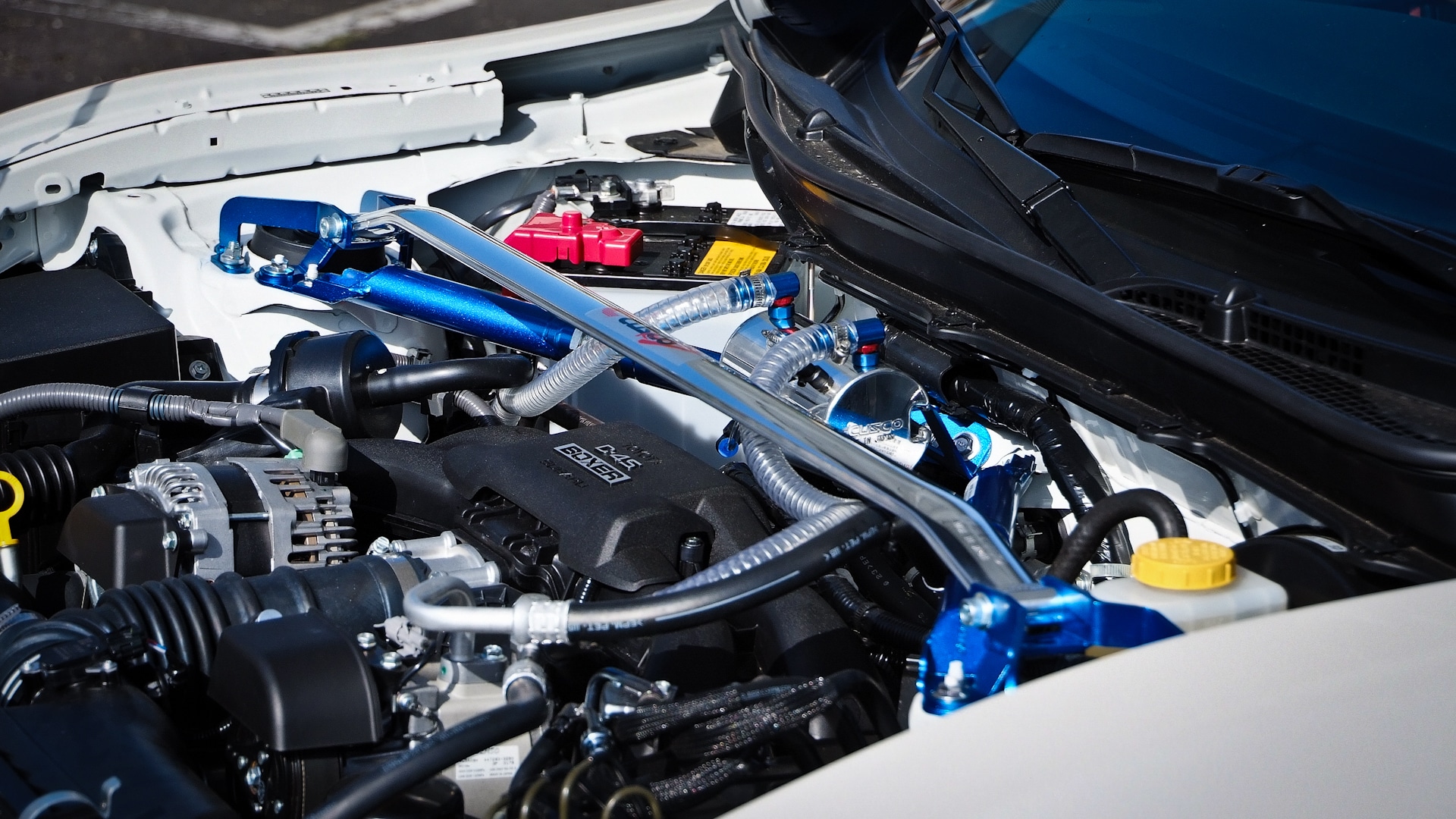
At its core, a strut brace connects the tops of the front (and sometimes rear) suspension struts. These struts are vital for the suspension system, housing the shock absorber and spring assembly. They are typically mounted to the vehicle’s chassis at the upper strut tower. In a typical passenger car, these strut towers, while reinforced, are not rigidly connected. This lack of direct connection allows for a degree of flex and torsional movement between them, especially when the suspension is subjected to significant lateral forces, such as those experienced during hard cornering. This flex can lead to compromised handling, reduced steering precision, and an overall less predictable vehicle response.

The primary purpose of a strut brace is to mitigate this flex. By rigidly linking the two opposing strut towers, the brace creates a more unified and rigid structure. This increased rigidity has a cascade of positive effects on a vehicle’s performance, particularly in areas related to handling and chassis stability. Understanding these effects requires delving into the physics of vehicle dynamics and how the chassis interacts with the forces generated during motion.
Enhancing Chassis Rigidity: The Foundation of Improved Handling
The foundation of any vehicle’s handling prowess lies in the rigidity of its chassis. A more rigid chassis is less prone to twisting and flexing, meaning that the suspension geometry remains more consistent under load. This consistency is paramount for predictable and precise handling. Strut braces play a direct and significant role in achieving this enhanced rigidity.
The Physics of Chassis Flex
When a vehicle turns, lateral forces are generated that push the car outwards. These forces are primarily absorbed by the suspension system. At the front of the car, the struts are the key components transmitting these forces to the chassis through the strut towers. Without a brace, the forces applied to one strut tower can cause it to deflect inwards, while the opposing tower experiences similar but potentially different movements. This differential movement can lead to subtle yet significant changes in wheel alignment (like camber and caster), even instantaneously.
Imagine trying to push two slightly flexible poles apart at their tops. They will bend and move independently. Now, imagine connecting the tops of those poles with a rigid rod. When you push them apart, the rod will resist this movement, forcing the poles to act more as a single, stable unit. This is analogous to how a strut brace functions. It ties the two strut towers together, effectively creating a larger, more interconnected structural element. This prevents them from moving independently under load, maintaining a more consistent relationship between them.
Torsional Rigidity and its Impact
Chassis flex isn’t solely about vertical movement of the strut towers. It also encompasses torsional or twisting forces. When a car corners, the weight transfer and forces applied can induce a twisting motion throughout the chassis. This twisting can lead to a loss of control and a feeling of the car “working” or flexing in undesirable ways. Strut braces, by triangulating the forces and creating a stiffer structure across the front of the car, significantly reduce this torsional flex.
This improved torsional rigidity has a profound impact on how the car feels. It translates to a more direct connection between the driver’s inputs and the car’s reactions. The steering will feel sharper, more responsive, and less prone to vague or delayed responses. The car will feel more planted and stable, especially when subjected to rapid changes in direction or uneven road surfaces.
Sharpening Steering Response and Precision
One of the most noticeable benefits of installing a strut brace is the improvement in steering feel and precision. This is a direct consequence of the increased chassis rigidity discussed previously. When the chassis is more rigid, the suspension geometry remains more stable, allowing the steering system to function at its optimal level.

Minimizing Steering Input Inaccuracy
In a flexier chassis, a portion of the steering input from the driver is absorbed by the chassis flexing rather than directly translating into turning the wheels. This can result in a slight delay or a feeling of vagueness in the steering. The driver might turn the wheel, and the car’s response feels a beat behind, or the steering feels “mushy.”
With a strut brace in place, the connection between the strut towers is strengthened. This means that when the driver turns the steering wheel, the forces are transmitted more directly to the suspension and subsequently to the road. The chassis no longer absorbs a significant amount of this input through flexing. This results in a more immediate and precise steering response. The car will feel more eager to change direction, and the driver will have a greater sense of control and feedback from the front end.
Improved Camber and Caster Consistency
During cornering, the wheels experience significant lateral forces. These forces can cause subtle changes in the suspension geometry, particularly the camber angle (the angle of the wheel relative to the vertical axis). Ideally, for optimal grip, the camber angle should remain as consistent as possible during cornering. However, chassis flex can cause the camber angle to change in an undesirable way, reducing the tire’s contact patch with the road and diminishing grip.
A strut brace helps to maintain the integrity of the strut tower mounting points, which are crucial for setting and maintaining the correct camber and caster angles. By preventing excessive movement between the strut towers, the brace ensures that these angles remain more consistent under load. This leads to better tire contact with the road throughout the corner, maximizing grip and predictability. This enhanced consistency is particularly beneficial during high-performance driving, track days, or spirited driving on winding roads.
Optimizing Suspension Performance and Grip
The impact of a strut brace extends beyond just steering. It fundamentally alters how the suspension system interacts with the road and the forces it encounters, leading to tangible improvements in overall grip and handling dynamics.
Enhanced Suspension Travel and Control
When the chassis flexes, it can negatively affect the suspension’s ability to do its job effectively. The shock absorbers and springs are designed to manage forces and maintain tire contact with the road. However, if the chassis is constantly deforming, the suspension’s performance can be compromised.
A more rigid chassis, facilitated by a strut brace, allows the suspension to operate more efficiently. The shock absorbers can more effectively dampen oscillations, and the springs can maintain their intended load-bearing characteristics. This leads to better control over the vehicle’s body movements, reducing excessive body roll and pitching. The car feels more settled and composed, even when encountering bumps or undulations in the road surface during cornering.
Maximizing Tire Contact Patch
Ultimately, a vehicle’s grip is determined by how well its tires can maintain contact with the road surface. Any factor that reduces this contact patch, such as chassis flex or unpredictable suspension geometry, will directly impact the car’s ability to corner, accelerate, and brake effectively.
By stabilizing the strut towers and improving the consistency of suspension geometry, strut braces help to ensure that the tires maintain the largest possible contact patch with the road under all driving conditions. This translates to increased traction, allowing for higher cornering speeds, more effective braking, and more confident acceleration out of turns. The car feels more “stuck” to the road, providing a greater sense of security and performance.
In conclusion, strut braces are far from being mere cosmetic additions. They are functional engineering components that directly address the inherent flexibility of a vehicle’s chassis. By reinforcing the connection between the suspension’s upper mounting points, they significantly enhance chassis rigidity, leading to sharper steering response, improved suspension control, and ultimately, greater tire grip. For drivers seeking to extract the maximum performance and handling capabilities from their vehicles, a strut brace represents a worthwhile investment in a more connected and precise driving experience.
aViewFromTheCave is a participant in the Amazon Services LLC Associates Program, an affiliate advertising program designed to provide a means for sites to earn advertising fees by advertising and linking to Amazon.com. Amazon, the Amazon logo, AmazonSupply, and the AmazonSupply logo are trademarks of Amazon.com, Inc. or its affiliates. As an Amazon Associate we earn affiliate commissions from qualifying purchases.