
In the landscape of modern media, a personal brand is often as valuable—and as fragile—as a corporate entity. Austin “Chumlee” Russell, the breakout star of History Channel’s Pawn Stars, serves as a fascinating case study in brand management, crisis mitigation, and the power of a “lovable” persona. For years, Chumlee was the quintessential sidekick, providing comic relief in the high-stakes world of historical collectibles and gold trading. However, in 2016, his brand faced an existential threat when news broke of his arrest and potential jail time.
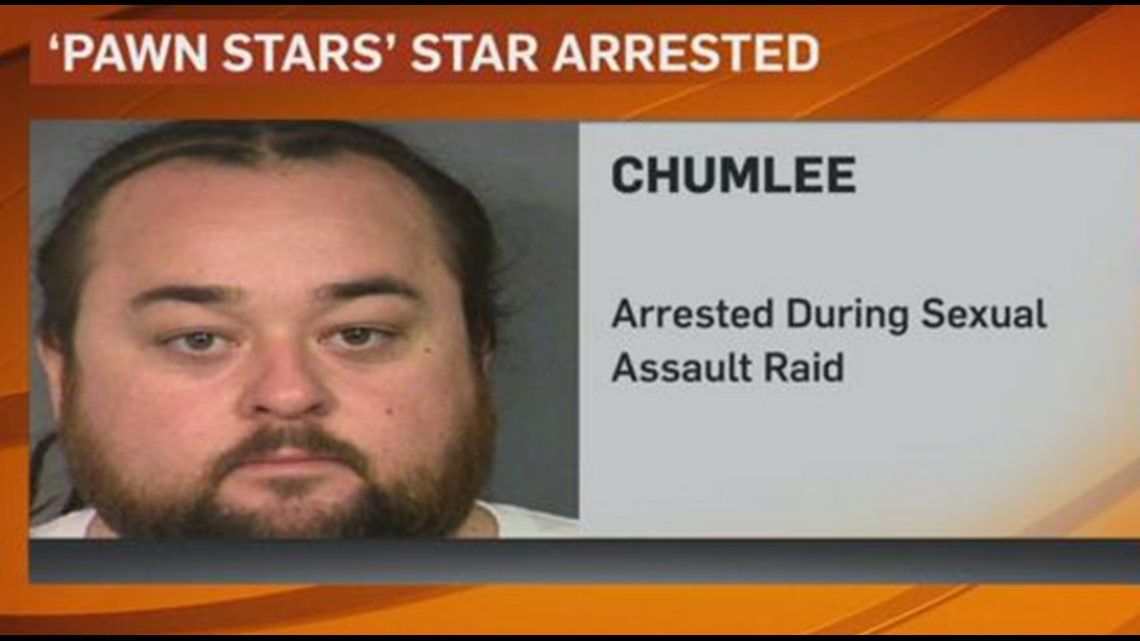
To understand what Chumlee went to jail for is to understand the precarious balance between a public-facing character and the private individual. From a brand strategy perspective, the incident provides deep insights into how reality television personalities navigate legal jeopardy while maintaining their commercial viability.
The Intersection of Personal Conduct and Public Image
The brand of “Chumlee” was built on the foundation of being an underdog—the unpolished, slightly clumsy, but ultimately well-meaning employee of the Gold & Silver Pawn Shop. This specific brand positioning created a deep psychological bond with the audience. Unlike Rick Harrison, whose brand is centered on expertise and authority, Chumlee’s brand was built on relatability and humor.
The Anatomy of a Public Relations Crisis
When the news broke in March 2016 that Austin Russell had been taken into custody, the shock reflected the dissonance between his on-screen persona and the gravity of the allegations. A public relations crisis occurs when the actions of a brand ambassador contradict the core values of the brand they represent. For the Pawn Stars franchise—a family-friendly show centered on history and education—the introduction of serious criminal allegations represented a significant reputational risk.
Understanding the “Chumlee” Persona
Before the legal troubles, the Chumlee brand was a merchandising powerhouse. His likeness appeared on t-shirts, bobbleheads, and various memorabilia, often outselling the more “serious” members of the cast. This high level of brand equity is exactly what made the 2016 incident so perilous. If the public perceived him as a criminal rather than a “goofball,” the commercial value of his persona would plummet to zero, dragging the show’s ratings and merchandise sales with it.
The 2016 Incident: When Personal Risks Collide with Corporate Assets
The specific events that led to Chumlee’s legal jeopardy began with an investigation that had nothing to do with the charges he eventually pleaded guilty to. In March 2016, police raided Russell’s home in Las Vegas as part of a sexual assault investigation. While no charges were ever filed regarding the sexual assault allegation due to a lack of evidence, the search of his premises uncovered items that posed a direct threat to his freedom and his career.
The Legal Realities Behind the Headlines
During the search, authorities discovered a significant amount of contraband. This included various narcotics—specifically marijuana, methamphetamine, and Xanax—along with a vast collection of firearms. Many of these firearms were not registered in a way that complied with local regulations, leading to 19 felony charges for drug possession and weapon violations.
The question of “what did Chumlee go to jail for” is often misunderstood. He did not serve a lengthy prison sentence. Instead, through a strategic legal defense—essential for any high-profile brand—he reached a plea deal. He pleaded guilty to a felony weapon charge and a misdemeanor charge of drug possession. This resulted in three years of probation and required counseling. Had he violated the terms of this probation, the felony charge would have stayed on his record, and he would have faced significant jail time (up to five years).
Brand Safety and Network Response
From a brand strategy viewpoint, the History Channel and A&E faced a “Brand Safety” dilemma. In the advertising world, brand safety refers to the practice of ensuring that a brand’s advertisements do not appear next to content that is inappropriate or damaging. When a star is arrested for drug and weapon felonies, the network must decide if the person is a liability or an asset worth saving.
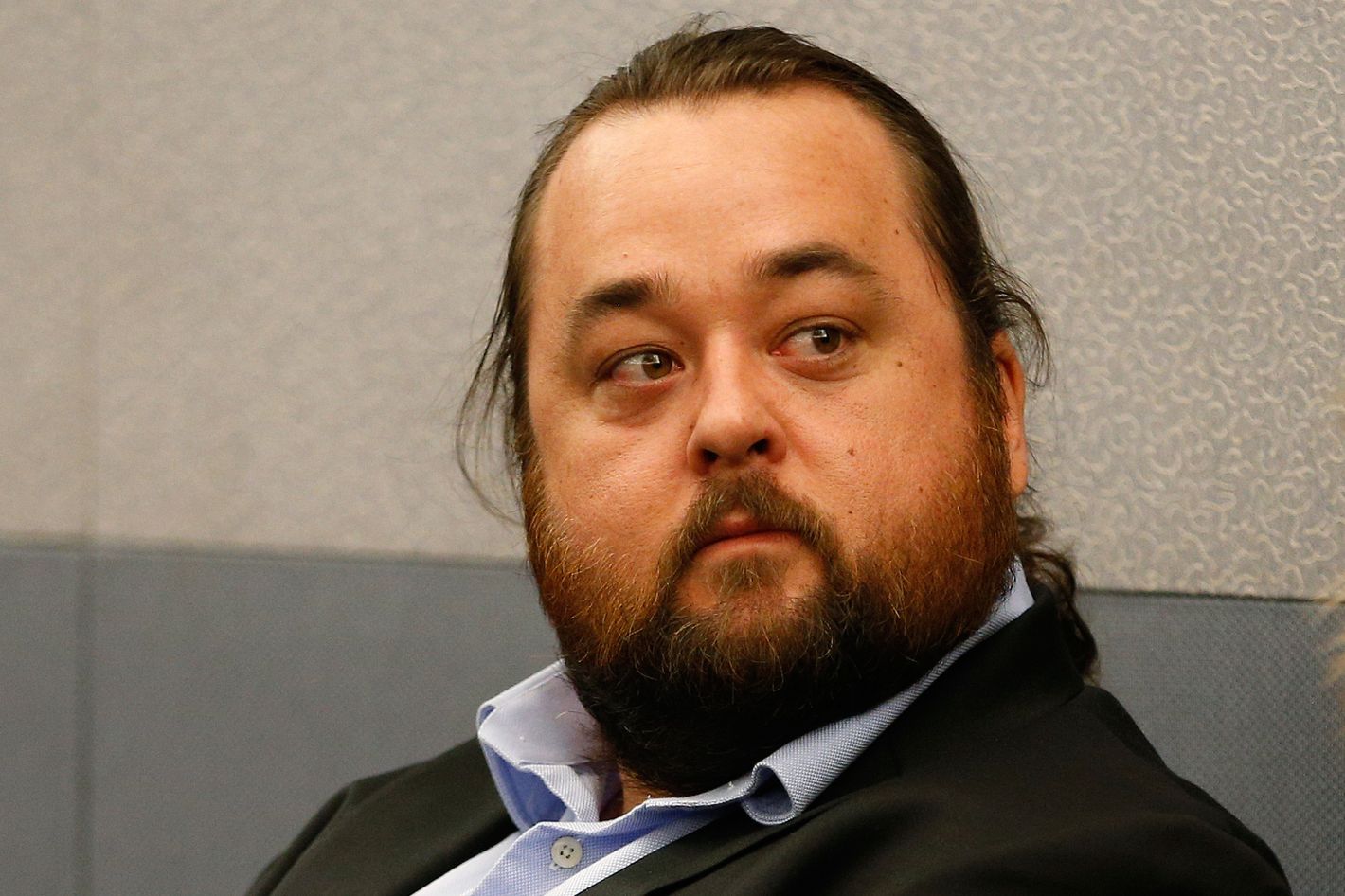
Interestingly, the producers chose a path of “quiet support.” They did not immediately fire him, nor did they issue a scathing condemnation. This suggested that their internal data indicated the audience’s loyalty to the Chumlee character was strong enough to survive a legal scandal, provided the scandal was framed as a “personal mistake” rather than a foundational character flaw.
Strategy in the Aftermath: Crisis Management and Brand Rehabilitation
Rehabilitating a brand after a felony-level incident requires a delicate touch. You cannot ignore the event, but you also cannot allow it to become the defining feature of the brand. Chumlee’s team executed a masterclass in “The Pivot,” shifting the public’s focus from his legal woes to his personal evolution.
Maintaining Authenticity Amidst Controversy
One of the reasons the Chumlee brand survived is that his team did not attempt to portray him as a “changed saint” overnight. Instead, they leaned into his existing “everyman” persona. By remaining relatively quiet on social media during the height of the legal proceedings and then returning to the show with the same demeanor, they signaled to the audience that the “Chumlee” they loved was still there. Authenticity is the currency of personal branding; if he had returned as a somber, corporate-sounding spokesperson, the audience would have disconnected.
The Pivot: From Legal Jeopardy to Entrepreneurial Growth
Post-2016, the brand strategy for Chumlee shifted toward diversification and health. He famously underwent a massive physical transformation, losing over 100 pounds. In the world of branding, a physical transformation is a powerful visual metaphor for a “fresh start.”
Furthermore, he opened “Chumlee’s Candy on the Blvd,” a candy shop located across the street from the Gold & Silver Pawn Shop. This move was brilliant brand architecture. It transitioned him from “the guy who works for the Harrisons” to a “business owner in his own right.” It gave fans a way to interact with his brand in a wholesome, family-friendly environment, effectively washing away the “drugs and guns” stigma of the 2016 arrest.
Lessons for Modern Influencers and Personal Brands
The saga of Chumlee’s legal troubles offers several vital lessons for influencers, celebrities, and brand managers. In an era where “cancel culture” can dismantle a career in hours, the resilience of the Chumlee brand is an anomaly that warrants study.
The Contractual Importance of Morality Clauses
For companies partnering with influencers, the “Chumlee incident” highlights the necessity of morality clauses in contracts. These clauses allow a brand to terminate a relationship if the individual engages in behavior that shocks the public conscience or brings the brand into disrepute. For the Pawn Stars franchise, the decision not to invoke such a clause was a calculated business risk based on the high ROI (Return on Investment) Chumlee provided. It reminds us that in branding, “value” often outweighs “virtue” in the eyes of corporate stakeholders, provided the public remains supportive.
Building a Brand That Can Survive Scrutiny
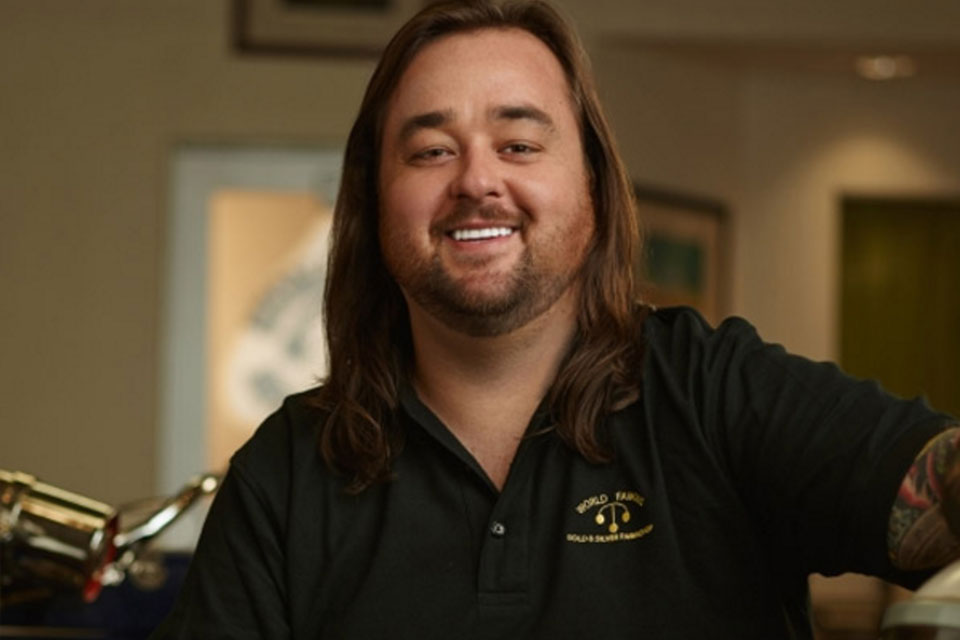
The most significant takeaway is the importance of building “Brand Equity” before a crisis hits. If Chumlee had been a new character with no rapport with the audience, his career would have ended in March 2016. However, because he had spent years building a “likability bank,” he had enough social capital to survive a significant withdrawal.
A brand is not just a logo or a catchphrase; it is a relationship. When Chumlee faced jail time, his “loyalist” fans did not see a criminal; they saw a friend who had made a mistake. This distinction is the ultimate goal of personal branding: to move from being a “commodity” (a guy on a TV show) to an “identity” (a person the audience cares about).
In conclusion, Austin “Chumlee” Russell’s journey through the legal system was a moment of profound brand vulnerability. By resolving the legal issues through a plea deal and redirecting public attention toward health, entrepreneurship, and his classic television persona, he successfully mitigated what could have been a career-ending catastrophe. For brand strategists, it remains a potent reminder that while legal issues are serious, the court of public opinion is where the long-term survival of a brand is truly decided.
aViewFromTheCave is a participant in the Amazon Services LLC Associates Program, an affiliate advertising program designed to provide a means for sites to earn advertising fees by advertising and linking to Amazon.com. Amazon, the Amazon logo, AmazonSupply, and the AmazonSupply logo are trademarks of Amazon.com, Inc. or its affiliates. As an Amazon Associate we earn affiliate commissions from qualifying purchases.